 Promotional Products







Why Material Choice Matters
If you are ordering custom festival wristbands, the material decision is not a minor detail. It affects check-in speed, counterfeit protection, all-day comfort, sponsor visibility, and whether guests keep the band on or cut it off before the headliner even starts. For organizers balancing branding, crowd control, and budget, the wrong wristband can create friction fast.
That is why many event teams turn to Best Patches early in the planning process. A strong wristband program is part security product, part merchandise, and part brand asset. The best choice depends on how long the event runs, how much abuse the band will take, and whether you need a premium keepsake or a practical access tool.
Custom festival wristbands are branded bands made for event entry, identification, and promotion. They can be produced in materials such as silicone, woven fabric, Tyvek, vinyl, or plastic, with custom colors, logos, numbering, RFID, or QR integration. The right wristband helps control access while reinforcing the event’s visual identity.
The silicone-versus-woven debate comes up often because both options perform well, but in different ways. Silicone is durable, bold, and often reusable. Woven bands feel more elevated, are harder to duplicate at a glance, and are especially popular for multi-day festivals that want a collectible look.
Table of Contents
- Silicone and woven wristbands at a glance
- When silicone is the smarter choice
- When woven wins for festivals
- Security, anti-counterfeit, and access control
- Cost, lead time, and operational tradeoffs
- Real event scenarios and material matching
- How Best Patches approaches wristband planning
- Design rules that improve wearability and branding
- How to choose the right wristband step by step
Silicone and Woven Wristbands at a Glance
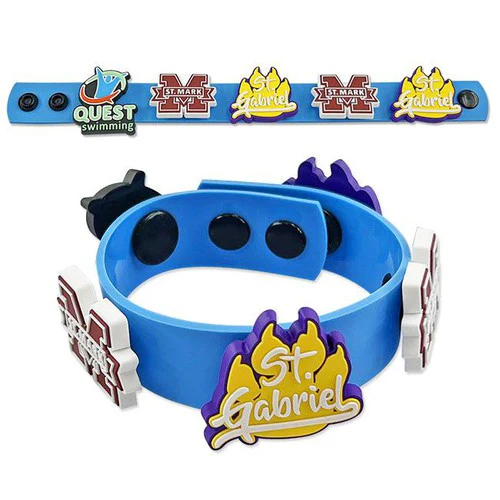
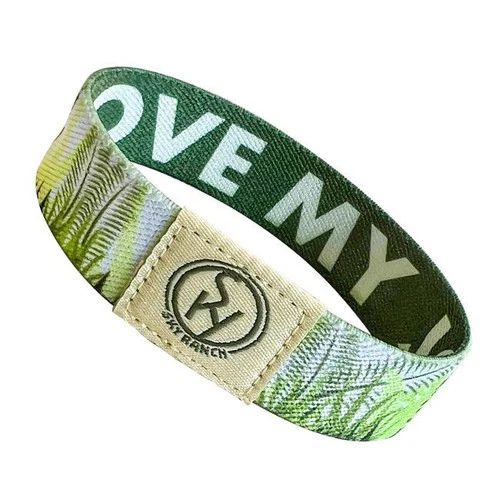
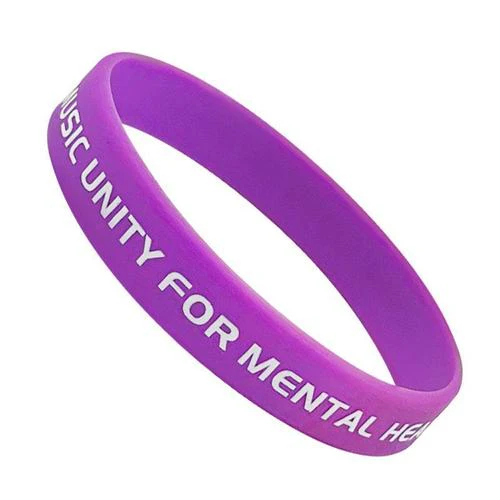
Silicone wristbands are made from soft, flexible rubber-like material. They are common for awareness campaigns, single-brand activations, VIP gifts, and reusable event merchandise. Woven wristbands are fabric bands, typically polyester, with a woven design and a locking closure. They are often used for music festivals, camping events, and multi-day admissions where durability and tamper resistance matter.
At a practical level, silicone is usually easier to stack, distribute, and reorder by color for segmented access. Woven usually looks more premium and feels more “event-specific,” which matters if attendees post photos, trade souvenirs, or keep bands after the event.
| Material | Best Use Case | Main Strength | Main Limitation |
|---|---|---|---|
| Silicone | Sponsor promos, VIP gifting, one-day branded access | Comfort, bold logo visibility, reusable appeal | Less secure if used as the only admission control |
| Woven | Multi-day music festivals and camping events | Premium look, tamper resistance, collectible value | Longer lead times and slightly more complex fulfillment |
| Tyvek | Nightclubs, day passes, quick-entry local events | Lowest cost, fastest deployment | Short lifespan and lower perceived value |
| Vinyl | Waterparks, bars, age verification | Strong durability and easy color coding | Less stylish for image-driven festivals |
| RFID Fabric Hybrid | Large festivals with cashless payments and analytics | Access control plus data capture | Highest setup cost and system coordination |
When Silicone Is the Smarter Choice
Silicone works best when comfort, color impact, and reusability matter more than maximum tamper resistance. It is especially effective for branded activations, charity concerts, sponsor lounges, artist merch bundles, and youth-oriented festivals where attendees may wear the band long after the event.
There are also production advantages. Silicone bands often support embossed, debossed, ink-filled, and color-segmented designs. If your event branding relies on a short slogan or a thick logo mark, silicone can make that message highly visible from a distance.
- Great for bold logos and simple messaging
- Comfortable for all-day or repeated wear
- Useful as both access credential and souvenir
- Strong fit for sponsor giveaways and fundraising
- Easy to sort by color for age groups or tiered entry
The tradeoff is security. A plain silicone band without serialization, QR, or secondary verification can be swapped, shared, or imitated more easily than a locked woven festival band. If your gate team is handling high attendance volumes, silicone should usually be paired with another control method such as barcode tickets, RFID, or visible VIP credentials.
When Woven Wins for Festivals
Woven bands dominate serious festival operations for a reason. They are harder to remove without showing damage, harder to duplicate convincingly on short notice, and better aligned with the visual language of premium events. For two-day and three-day festivals, woven usually gives organizers more confidence at the gate and more goodwill with attendees.
The fabric surface also supports richer, more detailed visual branding. A woven band can feel like part of the festival identity instead of a disposable operational item. That matters because attendee photos, unboxing moments, and post-event keepsakes all contribute to perceived brand value.
“The wristband is often the first physical touchpoint an attendee keeps on their body for the entire event. If it looks cheap, your brand feels cheaper than it should.” — Festival merchandise consultant, quoted from our client planning notes
Woven is not perfect, though. If your artwork relies on tiny gradients, photo-style imagery, or very small legal text, woven may not reproduce it as cleanly as printed alternatives. It also requires careful closure selection. A weak or poorly fitted closure can undermine the very security advantage that makes woven attractive.
Security, Anti-Counterfeit, and Access Control
Material choice should never be separated from event security planning. According to the National Association of Ticket Brokers’ 2024 market commentary, fraudulent entry and resale abuse remain major concerns for live event operators, especially at high-demand music events. Wristbands do not solve every fraud risk, but they are part of a layered defense.
For single-day community events, visual differentiation may be enough. For larger festivals, you need more. Woven bands support locking clasps, unique patterns, and integration with RFID chips or serialized tags. Silicone can support printed numbers or QR add-ons, but that often requires additional handling steps and more coordination at fulfillment.
According to a 2025 report from Allied Market Research on event management software and access technologies, organizers are increasingly combining physical credentials with digital validation to reduce unauthorized entry and improve attendee tracking. In practice, that means the “best” wristband is often the one that works well with your check-in process, not simply the cheapest one in a catalog.
Security features worth considering include:
- Unique numbering for manual verification
- RFID chips for tap-based entry and cashless payments
- QR codes linked to ticket records
- Color coding by day, zone, or age group
- Tamper-evident closures
- UV or hidden print elements for staff inspection
If your event has alcohol service, camping access, artist hospitality, or premium areas, separate-access logic matters more than material preference alone. A mixed wristband system often outperforms a single-format order.
Cost, Lead Time, and Operational Tradeoffs
Most buyers start with price per unit, but festival economics are wider than that. The right question is not “Which band is cheaper?” but “Which band reduces total operational cost?” A low-cost wristband that slows entry, causes confusion, or increases reissue rates can become expensive very quickly.
Silicone often offers good value for mid-volume branded use, especially if you want a reusable item with strong sponsor visibility. Woven tends to cost more per unit than basic options, but it can save money through better durability and lower gate disputes during multi-day use.
Lead time is another deciding factor. A 2024 Deloitte outlook on supply chain resilience noted that buyers across promotional products and event-related merchandise are planning earlier to avoid production and freight disruptions. That trend matters here. Woven and RFID-enhanced products usually require more lead time than straightforward silicone runs.
Watch for these hidden cost drivers:
- Rush production fees
- Artwork revision cycles
- Split shipping to multiple venues
- Packaging by ticket tier or event day
- Manual numbering or encoding labor
- Replacements for lost or misapplied bands
Real Event Scenarios and Material Matching
Here is where the silicone versus woven question becomes easier. Match the wristband to the event behavior, not to trend alone.
Best fit for silicone
Silicone is ideal for branded 5K after-parties, sponsor-hosted festival lounges, one-night pop-up concerts, campus events, and cause-based campaigns. It also works well when the wristband itself is part of the merchandise story.
Best fit for woven
Woven is usually stronger for multi-day festivals, destination events, camping passes, touring music weekends, and events where counterfeit prevention and elevated brand presentation matter.
When to use both
Some of the best systems combine them. General admission attendees wear woven locked bands, while VIP guests receive a silicone add-on in a separate color for lounge entry or sponsor gifting. That gives operations the security of fabric plus the lifestyle value of silicone.
“Material should follow attendee behavior. If people are sleeping in tents, showering on site, and re-entering for three days, woven is hard to beat. If they want a branded keepsake they’ll wear next month, silicone has an edge.” — Senior production advisor at Best Patches
How Best Patches Approaches Wristband Planning
At Best Patches, we have seen the same pattern repeatedly: clients come in asking for a material, but what they really need is a better event system. One of our recent clients was a regional summer music festival with about 8,000 expected attendees over two days. They first requested silicone because they liked the bold color options and souvenir feel. After walking through their gate plan, campground access, and alcohol zones, we recommended woven for general admission and camping, with silicone bands reserved for VIP sponsor activations.
I remember that project clearly because the organizer was worried the mixed approach would complicate fulfillment. It actually made operations cleaner. Staff could identify general admission, campers, and VIP guests at a glance, and the sponsor team loved having a silicone band attendees kept wearing after the event. Post-event feedback showed fewer re-entry disputes than the prior year and stronger sponsor photo visibility.
In another case, I worked with a city arts festival that only ran for one afternoon and evening. Their instinct was woven because they wanted a “real festival” feel. We pushed back. Their event had fast turnover, no overnight access, no camping, and several family-friendly zones. Silicone turned out to be the more practical and more memorable choice. It delivered the colorful branding they wanted without overengineering the access side.
Those projects reinforced a simple truth: the best wristband is the one that reflects how your attendees move, queue, spend, and share content.
Design Rules That Improve Wearability and Branding
Even the right material can underperform if the design is wrong. Small production decisions have a major effect on comfort, readability, and brand impact.
Keep the message short
A festival name, year, and short tagline usually work better than trying to print every sponsor or social handle. Wristbands are tiny billboards. Brevity wins.
Prioritize contrast
Strong contrast improves staff recognition at entry points. Dark text on a light band or light text on a dark band is safer than trendy low-contrast combinations.
Test closure comfort
For woven bands, the closure matters almost as much as the fabric. For silicone, wrist size and stretch tolerance matter. If people complain about fit, they remove the band, and your control system weakens.
Use color intentionally
Color coding can simplify operations dramatically. Instead of asking staff to read every band, assign distinct colors for age verification, day passes, artist access, and backstage movement.
- Define your attendee categories before you design.
- Choose the material based on duration, risk, and brand goals.
- Limit artwork to what will stay readable at wristband scale.
- Add security features that match your fraud exposure.
- Approve a physical or digital proof early enough for revisions.
- Train gate staff on what each band color and closure means.
How to Choose the Right Wristband Step by Step
If you are still torn between silicone and woven, use this simple decision filter.
Choose silicone if: your event is short, branding is a major goal, attendees are likely to keep the band, and access control is either simple or supported by another system.
Choose woven if: your event lasts more than one day, re-entry matters, counterfeit risk is higher, and you want a more premium or collectible festival look.
Choose a hybrid system if: you have multiple ticket tiers, sponsor lounges, campgrounds, age-based access, or a strong merch strategy.
A 2024 Statista review of consumer event behavior showed that live event audiences increasingly value both convenience and memorable branded experiences. That is exactly why this material decision matters. Your wristband is not just an ID marker. It sits at the intersection of logistics and experience.
Conclusion
Silicone and woven wristbands both earn their place, but they solve different problems. Silicone is excellent for comfort, visibility, and reusable brand value. Woven is usually the stronger option for multi-day admissions, premium presentation, and better tamper resistance. The smartest choice comes from matching material to attendee behavior, security needs, and event duration.
Best Patches recommends these next actions:
- Map your event zones and ticket tiers before requesting a quote.
- Decide whether the wristband is mainly for access, branding, or both.
- Request samples of silicone and woven options so your team can compare feel, visibility, and closure security in real conditions.
References
- Allied Market Research, 2025: Provided market direction on event management software and access technology adoption.
- Deloitte, 2024 supply chain outlook: Supported the point that earlier procurement planning reduces fulfillment and shipping risk.
- National Association of Ticket Brokers, 2024 market commentary: Helped frame ongoing concerns around fraudulent entry and ticket abuse in live events.
- Statista, 2024 event consumer behavior review: Reinforced the demand for convenience plus memorable live-event experiences.
FAQ
Which is better for custom festival wristbands: silicone or woven?
Woven is usually better for multi-day festivals because it offers stronger tamper resistance and a premium look. Silicone is often better for one-day branded events, VIP use, sponsor activations, or keepsake-style wristbands.
Are woven wristbands more secure than silicone wristbands?
Yes, in most festival settings they are. Woven bands with locking closures are harder to remove and transfer, which makes them a stronger choice for re-entry control, camping access, and multi-zone events.
How long do custom festival wristbands usually last?
It depends on the material and use case:
Silicone can last for months or even years as a keepsake.
Woven bands usually hold up very well through multi-day events.
Tyvek is best for single-day or short-duration use.
Can silicone wristbands be used for festival entry?
Yes, but they work best when paired with other controls. For higher-security events, combine silicone bands with:
Barcode or QR ticket validation
RFID access systems
Visible staff credential checks
What artwork file should I send for wristband production?
Vector artwork is usually the safest choice. Most suppliers prefer:
.AI or .SVG for clean logo reproduction
.PDF with outlined text
High-resolution .PNG only if vector files are unavailable
Do custom festival wristbands have minimum order quantities?
Usually, yes. Minimums vary by material, print method, and customization level. Simple silicone runs may allow lower MOQs, while woven or RFID-enabled bands often require higher minimums because setup and production are more involved.
Are RFID wristbands worth the extra cost for festivals?
For large or high-complexity festivals, often yes. RFID wristbands can improve:
Check-in speed
Re-entry validation
Cashless transactions
Access reporting across zones