 Promotional Products









Why Smart Wristband Design Pays Off
If your event check-in line keeps backing up, VIP access gets blurry, or sponsors want more visibility, custom festival wristbands can solve more than one problem at once. The right wristband design helps with admission control, branding, crowd flow, age verification, and even merch value. That is why serious organizers treat wristbands as part operations tool, part marketing asset.
Best Patches works with event teams that need wristbands to hold up under heat, sweat, long hours, and fast-moving gates. The biggest mistake we see is starting with artwork before deciding how the wristband needs to function. A great-looking band that tears too easily or slows scanning at entry is still a bad band.
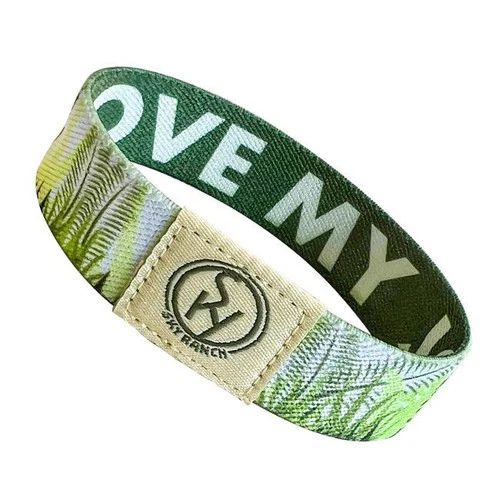
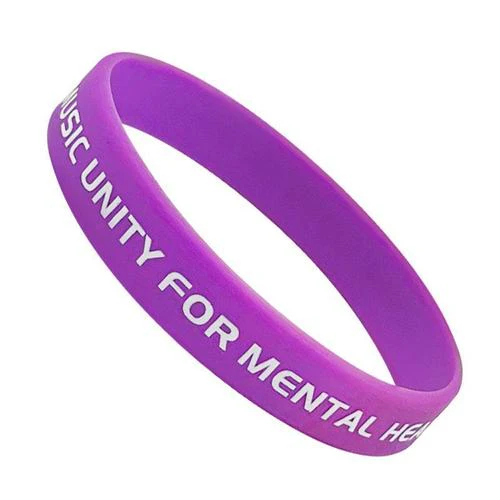
Custom festival wristbands are event wristbands made to match a festival’s brand, access rules, and security needs. They can be printed, woven, silicone, Tyvek, vinyl, or RFID-enabled, depending on whether the goal is low-cost admission, premium branding, cashless payment, or multi-zone access.
When the design is done well, attendees keep the wristband on without complaint, staff can identify access levels at a glance, and sponsors get an item that stays visible all day. That mix of utility and visibility is what makes wristbands one of the highest-leverage pieces of festival collateral.
Table of Contents
- What Custom Festival Wristbands Need to Do
- The Four-Step Design Process
- Material and Style Comparison
- Branding, Security, and Revenue Opportunities
- Common Mistakes and Hidden Risks
- A Real-World Example From Best Patches
- Production Timelines, Pricing, and Reorder Strategy
- Final Takeaways
- References
What Custom Festival Wristbands Need to Do
Before you pick colors or materials, decide what the wristband is supposed to accomplish. Most event teams actually need one product to do five jobs at the same time:
- Control entry without slowing down the gate
- Separate tiers such as GA, VIP, staff, artist, media, and vendor
- Reduce fraud, swapping, and counterfeit access
- Carry visible branding for photos, social posts, and sponsor exposure
- Stay comfortable for anywhere from a few hours to several days
That functional lens matters more in 2026 because attendee expectations are higher than they were a few years ago. According to Freeman’s 2024 trends research, in-person events remain one of the strongest ways to build trust and emotional connection with audiences. That means every touchpoint, including the wristband, contributes to the quality of the live experience.
“The best wristband is never just a wristband. It is a security layer, a visual organizer, and a wearable brand impression,” says a senior production strategist at Best Patches.
There is also a practical operations angle. If your staff cannot identify access rights in under a second, your wristband system is underdesigned. Fast recognition beats clever artwork every time at the gate.
The Four-Step Design Process
Here is the cleanest way to design wristbands that work in real event conditions, not just on a proof sheet.
- Define entry points, access levels, and wear duration.
- Match material and closure type to the event environment.
- Create artwork for visibility, anti-counterfeit protection, and sponsor value.
- Test samples, confirm proofs, and order with a timing buffer.
Clarify access goals first
Start by mapping where the wristband will be checked and by whom. A one-day food festival may only need color-coded admission and a simple tamper-evident closure. A three-day music festival may need separate bands for camping, backstage, bar service, and premium lounges.
At this stage, ask these questions:
- Will the band be used for single entry or re-entry?
- Does it need age verification built in?
- Do staff need to read it from six feet away?
- Will attendees wear it for one day, one weekend, or longer?
- Does the event need RFID or QR integration?
If you skip this planning step, you often end up adding expensive workarounds later, such as separate drink tickets, extra credential cards, or last-minute sticker systems.
Choose materials and closures that fit the event
Material choice changes everything: comfort, durability, unit cost, print quality, and how secure the wristband feels. Tyvek is budget-friendly and quick for short events. Fabric bands feel premium and are often kept as souvenirs. Vinyl works well for water exposure and multi-day wear. RFID fabric or RFID silicone options fit events that want scanning, cashless payments, or attendance tracking.
According to Grand View Research in 2024, the broader events industry is expected to keep expanding through the end of the decade, which is pushing organizers to invest in smoother onsite systems rather than purely decorative event materials. Wristbands are one of the first places that shift shows up.
Design artwork for instant recognition
Festival wristband artwork should work at three distances: from the gate, in photos, and up close in the attendee’s hand. That means your design needs a clear visual hierarchy. Start with the access signal first, then the event brand, then the sponsor or decorative elements.
Strong wristband artwork usually includes:
- Bold color coding for access level
- High-contrast text that staff can read quickly
- Small anti-copy details such as microtext, serial numbers, foil accents, or alternating print zones
- Branding that stays recognizable even when the band twists on the wrist
A common mistake is shrinking a full poster design onto a tiny print area. Wristbands are not mini flyers. Simpler, bolder layouts perform better in the field.
“If your wristband design needs explaining, it is already too complicated for a live gate,” says an event operations consultant who specializes in festival check-in systems.
Test proofs and order with room for reality
Proofing is where many event teams rush and pay for it later. Colors may print differently on woven fabric than on coated synthetic materials. Metallic effects can reduce readability if overused. Closures that seem fine in a product mockup may frustrate staff during setup.
Request a digital proof and, when the event scale justifies it, a physical sample. Then test it with the people who will actually use it: gate staff, bar staff, volunteer leads, and at least one person who did not work on the design. Fresh eyes catch what internal teams miss.
For timing, build in buffer for proof revisions, production, freight, and a contingency window. A 2025 Skift Meetings planning outlook noted that operational resilience and attendee experience remain tightly linked for live events. In plain terms, when logistics slip, the guest experience slips right with them.
Material and Style Comparison
The best wristband depends on the event format, not trend alone. Use this comparison as a practical shortlist.
| Event Type | Best Wristband Style | Why It Works | Watch-Out |
|---|---|---|---|
| One-day food and drink festival | Tyvek with serial numbering | Low cost, quick application, simple color segmentation | Less premium feel and limited souvenir value |
| Three-day music festival | Woven fabric with secure locking bead | Comfortable, durable, photo-friendly, collectible | Longer lead times and higher unit cost |
| Pool party or beach festival | Vinyl or waterproof RFID band | Handles water, sweat, and repeated access checks | Can feel less premium if artwork is weak |
| VIP lounge and sponsor hospitality | Satin fabric or RFID fabric with foil detail | Higher perceived value and strong brand presentation | Needs careful proofing to keep text readable |
Branding, Security, and Revenue Opportunities
Well-designed custom festival wristbands can do more than admit people. They can support real revenue and loss prevention.
For branding, wristbands are unusually sticky. People wear them in line, during the show, in attendee photos, and often for days afterward. That gives your event and your sponsors repeated exposure without needing extra signage.
For security, wristbands help reduce gate confusion and fraud when paired with the right features:
- Unique numbering
- Tamper-evident closures
- Color changes by day or zone
- Embedded RFID or scannable IDs
- Specialty inks, foils, or woven detail that is hard to copy
For revenue, the best opportunities usually come from premium tiers. A wristband can signal access to a sponsor lounge, express entry, tasting access, camping upgrades, or cashless purchase privileges. When the band visibly looks premium, attendees feel the upgrade more clearly.
Common Mistakes and Hidden Risks
Not every wristband strategy works. There are trade-offs, and strong planning means facing them early.
Overdesigning a tiny surface
Too much text, too many gradients, and overly subtle color differences make the band harder to read. Wristbands need bold utility, not delicate complexity.
Choosing price over durability
The cheapest option can make sense for short events, but it becomes expensive when it leads to replacements, manual ID checks, or attendee frustration. Multi-day events especially should avoid materials that soften, split, or irritate skin.
Underestimating counterfeit risk
If your event has resale value, backstage perks, or alcohol service, someone will try to copy access markers. Simple one-color bands are easier to fake than organizers expect. Add layered identifiers whenever the event has meaningful risk.
Leaving too little time for revisions
Rush orders can work, but they compress your margin for proof corrections and shipping surprises. Weather delays, customs checks, and last-minute headcount changes happen more often than teams like to admit.
Ignoring attendee comfort
Scratchy edges, bulky locks, or poor sizing can turn your band into a complaint magnet. That matters because friction at the wrist becomes friction with the event brand.
A Real-World Example From Best Patches
Last season, I worked with the Best Patches team on a regional music and arts festival that had a recurring problem: attendees were slipping into restricted hospitality zones by borrowing old staff lanyards and using vague wristband colors as cover. The festival did not need a full badge overhaul. It needed a cleaner wristband system.
We restructured the program around access clarity. Instead of using similar warm tones for all premium groups, we split staff, vendor, artist, and VIP into highly distinct base colors, added woven identifiers for artist access, and reserved a foil accent only for sponsor hospitality. We also moved from a basic closure to a tighter locking mechanism for multi-day wear. At the gate, staff recognition became almost instant because each band had one obvious purpose.
I also remember the organizer’s concern about looking “too corporate.” That is common in festival branding. So rather than turning the band into a security strip with a logo slapped on, Best Patches balanced the visual system with event artwork that still felt collectible. Attendees posted close-ups of their wristbands on social, which the sponsor loved because the branding looked intentional rather than forced.
The result was a cleaner entry flow, fewer access disputes, and stronger sponsor presentation without adding extra credential pieces. That is the sweet spot: less confusion, more control, and a better guest-facing object.
Production Timelines, Pricing, and Reorder Strategy
When organizers ask what custom festival wristbands cost, the honest answer is that price depends on material, security features, print method, order volume, and turnaround speed. A basic one-day paper-style band can cost a fraction of a premium woven RFID wristband, but the cheaper option may create operational costs elsewhere.
As a working rule:
- Short one-day events usually optimize for speed and low unit cost
- Weekend festivals often benefit from durable fabric or vinyl
- Premium access and sponsor programs usually justify upgraded finishes
- RFID makes the most sense when it replaces other systems, not when it is added just for novelty
Lead time matters just as much as budget. Standard production typically gives you the best price and the most room for proofing. Rush production can save a deadline, but it narrows your options and may limit specialty finishes or deeper revisions.
A smart reorder strategy also helps. If your festival repeats annually, keep your base templates stable and update only the yearly colorway, date, or sponsor zone. That approach protects brand consistency while reducing redesign time.
One more point that gets overlooked: order overage. Always order above projected attendance. You need contingency stock for guest list additions, damaged bands, staff changes, and on-site problem solving. Running short on wristbands is a preventable crisis.
Final Takeaways
The strongest custom festival wristbands are built around function first, then brand expression. When you define access rules clearly, choose the right material, simplify artwork for fast recognition, and leave room for proofing, your wristband becomes a useful event system rather than a decorative afterthought.
Best Patches recommends these next actions:
- Audit your event access map before starting any wristband artwork.
- Request material samples and compare them against your event duration, weather exposure, and security needs.
- Build one wristband master template for each access tier so reorders and future festivals move faster.
References
- Freeman 2024 Trends Report — Used for attendee behavior and the continuing value of in-person event experiences.
- Grand View Research, 2024 events industry outlook — Used for broader market growth context and investment trends in event operations.
- Skift Meetings 2025 planning outlook — Used for insights on operational resilience and attendee experience priorities.
FAQ
What are the best materials for custom festival wristbands?
-
It depends on event length and security needs. Tyvek works well for one-day festivals, woven fabric is ideal for multi-day music events, vinyl handles wet conditions, and RFID fabric or silicone fits festivals that want scanning or cashless functions.
How far in advance should I order festival wristbands?
-
A safe window is three to six weeks before the event, especially if you need custom colors, woven detail, foil, or RFID. Rush orders are possible, but they give you less room for proof corrections and shipping delays.
How do custom festival wristbands help with security?
-
They make access easier to verify and harder to fake. Strong security features can include:
Unique serial numbers
Tamper-evident closures
Distinct color coding for zones or days
RFID or scannable IDs for digital validation
Can festival wristbands include sponsor branding without looking cluttered?
-
Yes. The cleanest approach is to reserve a specific sponsor zone while keeping the access color and event identity dominant. That gives sponsors visibility without hurting legibility or gate speed.
Do wristband suppliers have minimum order quantities?
-
Usually, yes. Minimums vary by material and production method. Basic bands may allow smaller runs, while woven or RFID options often require higher minimum quantities to make production efficient.
What file format should I use for wristband artwork?
-
Ask your supplier first, but the safest options are:
.AI or .SVG for vector artwork
.PDF with outlined fonts for print-ready files
.PNG at high resolution for simple mockups
Avoid low-resolution screenshots or compressed image files