 Promotional Products










Why Buying Wristbands Goes Wrong
If you are sourcing custom festival wristbands, the hard part usually is not finding a factory. It is making the right decisions early enough to avoid delays, weak security, muddy printing, sizing issues, and surprise costs after approval. Buyers often start with color and logo placement, then realize too late that closure type, scan method, and moisture resistance matter more than the artwork.
That is why experienced event teams bring in a specialist early. Best Patches has worked with brands, promoters, schools, nonprofits, and merch teams that need wristbands to do more than look good. They need to move crowds fast, resist tampering, support branding, and arrive on schedule without production drama.
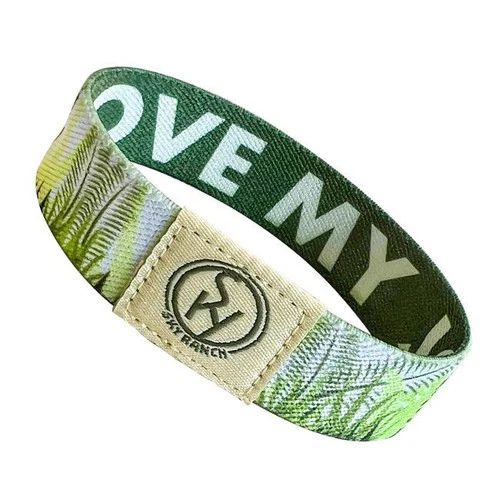
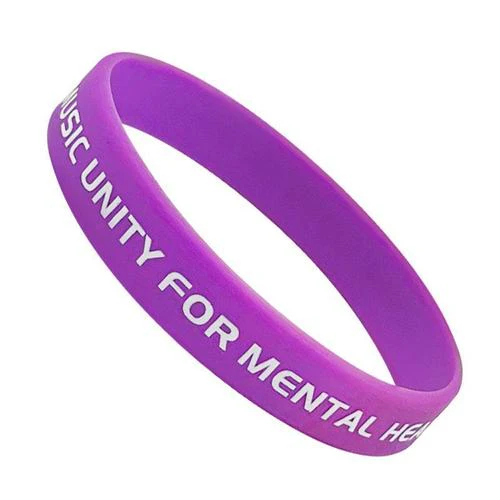
Custom festival wristbands are branded admission bands made for concerts, fairs, pop-ups, sporting events, and multi-day experiences. They can be simple printed bands, woven premium keepsakes, or tech-enabled RFID bands used for access control, cashless payments, and attendee tracking.
The right wristband balances four things at once: security, comfort, brand visibility, and cost. When one of those gets ignored, the order usually becomes more expensive later.
Table of Contents
- Set the job your wristband must do
- Choose the right material and closure
- Build artwork that survives real festival use
- Vet suppliers like an operator, not a shopper
- Price the order without getting fooled
- Follow a sourcing workflow that prevents delays
- Plan for compliance, fraud prevention, and data risk
- What we learned at Best Patches
Set the Job Your Wristband Must Do
Before you request a quote, define the operating role of the band. A single-day neighborhood music event needs something very different from a three-day camping festival with VIP zones, age verification, and sponsor activations.
Start with the basics. Is the wristband only an entry credential, or does it also need to identify access tiers, support bar service, work in wet conditions, or become part of the merch experience? When buyers skip this step, they tend to overbuy on decoration and underbuy on performance.
- Admission only: Tyvek or basic vinyl can work for short events.
- Multi-day wear: Fabric or soft woven bands hold up better and feel more premium.
- High-security entry: Tamper-evident closures, serial numbers, and unique coding matter.
- Cashless or access tech: RFID or NFC integration should be specified from day one.
- Brand souvenir value: Embroidered or woven finishes usually outperform cheap print-only options.
According to a 2024 report by IBM, the global average cost of a data breach reached $4.88 million. That matters here because once RFID or NFC enters the project, the wristband is no longer just a physical product. It becomes part of a data workflow, which means your sourcing decision now touches security, privacy, and vendor system reliability.
Choose the Right Material and Closure
Material selection changes durability, price, print clarity, and attendee comfort. It also affects how your brand is perceived. A luxury food and music festival can lose some of its polish fast if guests receive scratchy low-cost bands that fray by day two.
Here is a practical comparison based on common business use cases.
| Festival Type | Best Material | Best Closure or Feature | Why It Fits |
|---|---|---|---|
| One-day street fair | Tyvek | Adhesive tamper seal | Low cost, fast issue, easy color segmentation |
| Weekend music festival | Woven fabric | Single-use locking barrel | Comfortable, durable, strong souvenir value |
| VIP hospitality event | Satin or premium fabric | Custom bead or premium clasp | Elevated look that matches sponsor expectations |
| Water park concert | Vinyl or waterproof RFID band | Snap closure or embedded chip | Moisture resistance and reliable scanning |
Closures deserve more attention than most buyers give them. Plastic locking barrels are standard because they are secure and affordable, but they can be uncomfortable if poorly fitted. Metal adjustment sliders look premium, though they are often better for commemorative merchandise than strict admission control. Snap closures work well in water-heavy environments, while adhesive seals suit quick-turn one-day use.
“If a wristband is meant to control access, the closure is the security system,” says a senior production advisor at Best Patches. “Most sourcing mistakes happen when buyers treat the closure as a small accessory instead of a core spec.”
Build Artwork That Survives Real Festival Use
What looks sharp on a screen can fail on a woven surface, coated synthetic stock, or narrow print area. Good wristband design starts with production limits, not just branding ambition.
Keep text readable from a short distance. Avoid thin strokes and tiny sponsor logos if the band width is limited. If counterfeiting is a concern, use subtle design complexity such as microtext, serial numbering, color transitions, or custom icon repeats that are harder to mimic quickly.
Artwork rules that save rework
- Use vector files whenever possible.
- Convert fonts to outlines before submission.
- Limit color count if the production method has color constraints.
- Leave safe margins around locking areas and chip positions.
- Request a digital proof and, for large runs, a physical sample.
I have seen event buyers approve art based on a large mockup, then get frustrated when sponsor text becomes unreadable on the actual band width. At Best Patches, we usually simplify layout before production instead of forcing too much information into a small wearable format. That single adjustment prevents a surprising amount of disappointment.
Vet Suppliers Like an Operator, Not a Shopper
Price matters, but reliability matters more. A late shipment can be far more expensive than a slightly higher unit cost. The strongest suppliers answer operational questions clearly, provide realistic lead times, and explain production tradeoffs instead of saying yes to everything.
Ask these questions before you place a deposit:
- What is the standard lead time for sampling and for mass production?
- What are the rush options, and what changes under rush conditions?
- Can you match Pantone colors closely, and where are the limits?
- What anti-counterfeit options are available?
- How do you handle defective units or shipping damage?
- Can you provide previous work for festivals, venues, or event agencies?
- For RFID orders, which chip types and encoding workflows do you support?
According to a 2025 Grand View Research analysis of the RFID market, demand continues to rise across access control, retail, logistics, and smart event applications. That trend is pushing more wristband suppliers to offer RFID, but not all of them are equally strong at encoding, testing, or systems integration. A factory that can sew a chip into a band is not automatically a partner that can support your gate flow.
Good sourcing also means checking communication quality. If a supplier takes three emails to answer one technical question during quoting, do not expect magic during production week.
Price the Order Without Getting Fooled
Unit price alone can hide the real cost. Setup fees, mold fees, chip encoding, proofing, sample charges, packaging, air freight, and last-minute revisions all change the final number. Buyers who compare quotes line by line usually make better decisions than buyers who chase the lowest top-line figure.
Cost drivers that change your quote fast
- Material choice and width
- Printing method or weaving complexity
- Number of colors and artwork complexity
- Custom security features like barcodes or serial numbers
- RFID chip type, encoding, and testing
- Order volume and packaging format
- Production speed and shipping method
A cheap quote can also signal hidden compromises: lower-grade closures, inconsistent color matching, weaker edge finishing, or no meaningful quality control. For high-attendance festivals, those shortcuts show up at the entrance gate, not on the invoice.
“For live events, the most expensive wristband is the one that fails at check-in,” says an independent event operations consultant who has worked on regional music festivals and sponsor activations. “A smooth gate is worth paying for.”
Follow a Sourcing Workflow That Prevents Delays
The cleanest orders usually follow a disciplined sequence. This is the process we recommend when deadlines are real and attendance matters.
- Define use case and quantity. Separate GA, VIP, staff, vendor, backstage, and age-verification needs.
- Select material and closure. Match them to duration, security, and comfort requirements.
- Prepare production-ready artwork. Include brand colors, dimensions, and any variable data.
- Request a detailed quote. Ask for unit cost, setup charges, lead time, shipping, and sample policy.
- Review proof carefully. Confirm spelling, colors, dimensions, placement, numbering, and chip specs.
- Approve a sample for large or technical jobs. This is especially important for RFID and multi-zone access bands.
- Lock logistics early. Decide whether you need split shipping, staged deliveries, or pre-sorted packs by access level.
- Inspect upon arrival. Count by batch, test closures, and scan a sample set if tech is involved.
According to the 2024 PwC Voice of the Consumer Survey, sustainability and trust continue to influence purchase behavior across categories. For event brands, that means packaging waste, material choices, and supply-chain transparency increasingly affect sponsor perception and attendee sentiment. It may not decide every order, but it should be part of the conversation.
Plan for Compliance, Fraud Prevention, and Data Risk
Every event wants a band that looks great. Fewer teams think deeply enough about fraud, accessibility, skin sensitivity, and data handling. That is a mistake, especially when attendance scales up.
Risks buyers should address early
Counterfeiting: Simple single-color designs are easier to copy. Add unique numbering, custom weave patterns, UV print options, or chip verification if fraud risk is high.
Wearability: Rough fabric edges, poor closures, or allergy-prone materials can create complaints. Ask about skin-contact suitability and finish quality.
Operational confusion: Too many colors with no access logic can slow gate staff. Build a visual hierarchy that staff can read in seconds.
Data and privacy: If the band connects to attendee identity or payment data, align with your event platform’s privacy and security requirements. Make sure chip encoding, deactivation, and access permissions are documented.
Overengineering: Not every event needs RFID. Some buyers spend heavily on features they never activate onsite. If your gates are manual and your event is one day long, a secure printed band may be the smarter choice.
What We Learned at Best Patches
One of our most useful lessons came from a regional summer festival that originally requested low-cost printed wristbands for all attendees. After a short discovery call, it became clear they had three hidden problems: counterfeit risk from prior years, separate access zones for sponsors and artist guests, and concern about bands falling apart in heat and rain.
I recommended splitting the program into tiers instead of forcing one wristband to do every job. We used durable woven bands with locking barrels for general admission, a premium satin-style option with stronger visual distinction for VIP, and encoded access bands for restricted staff zones. The buyer paid more than the first bare-bones quote, but gate confusion dropped, sponsor hospitality looked more polished, and the team reduced wristband swapping issues.
On another project, a university event team came to Best Patches with artwork that looked excellent on a poster but failed on wristband scale. The logo was wide, the text was small, and every partner wanted equal billing. We rebuilt the layout into a repeating pattern, simplified the color system, and reserved the cleanest front area for the main event identity. That change improved legibility immediately and cut proof revisions.
Those experiences are why we rarely start with, “What style do you want?” We start with, “What needs to happen at the gate, and what has gone wrong before?” Better sourcing begins with better diagnosis.
Conclusion
Sourcing the right wristband is a mix of design judgment, operations thinking, and supplier discipline. The best outcomes happen when you define the job first, choose material and closure based on real use, price the order by total cost rather than headline cost, and test anything technical before full production.
If you want a safer, smoother order, Best Patches recommends these next actions:
- Write a short spec sheet covering event duration, access levels, quantity, and security needs.
- Request side-by-side recommendations for at least two material options instead of forcing one idea too early.
- Approve a proof or physical sample before mass production, especially for RFID, multi-day wear, or VIP programs.
References
- IBM Cost of a Data Breach Report 2024 — Provided the data point on rising breach costs and helped frame the importance of data security for RFID-enabled wristband programs.
- Grand View Research RFID Market Analysis 2025 — Supported the discussion of growing RFID adoption across access control and event-related applications.
- PwC Voice of the Consumer Survey 2024 — Informed the section on sustainability, trust, and how supply-chain choices affect brand perception.
FAQ
What material is best for custom festival wristbands?
-
It depends on the event. Tyvek works well for one-day, budget-friendly admissions. Woven fabric is the favorite for multi-day festivals because it is durable, comfortable, and keepsake-worthy. Vinyl or waterproof RFID bands are a better fit when moisture resistance or scanning matters.
How far in advance should I order festival wristbands?
-
A safe window is three to six weeks before the event for standard orders. If you need custom closures, variable numbering, or RFID encoding, give yourself more time. Rush production is possible, but it can limit material choices and increase costs.
Can custom festival wristbands help prevent ticket fraud?
-
Yes, especially when they include anti-tamper and verification features. Useful options include:
Unique serial numbers
Tamper-evident locking closures
Custom weave or print patterns that are harder to copy
RFID or barcode-based validation at entry points
Do wristband suppliers usually require minimum order quantities?
-
Usually, yes. The MOQ varies by material and customization level. Basic printed wristbands may start at relatively low quantities, while woven, embroidered, or RFID-enabled bands often require larger minimums because setup and encoding take more work.
What artwork file should I send for festival wristbands?
-
The safest choice is a vector file. Most manufacturers prefer:
.AI, .EPS, or .SVG for logos and clean line art
.PDF if fonts are outlined and colors are preserved
.PNG only when a high-resolution raster file is acceptable
All text converted to outlines to avoid font substitution issues
Are RFID festival wristbands worth the extra cost?
-
They can be, but only if you will actually use the features. RFID bands are a strong option when you need:
Fast access control at busy gates
Cashless payment integration
Zone-based permissions for staff or VIPs
Better tracking and operational reporting
-
For simple one-day events with manual check-in, a secure non-RFID wristband may deliver better value.