 Promotional Products
Introduction
Choosing between different lanyard printing methods sounds simple until you’re staring at color charts, material samples, and price breaks that all promise “the best” result. The truth is that the right method depends on what you need the lanyard to do: survive daily wear, showcase a sharp logo, stay within budget, or make a premium first impression at events.
That’s where experienced suppliers matter. Best Patches works with brands, schools, teams, and event organizers that need custom lanyards to look right in real-world use, not just in a digital mockup. A method that works beautifully for a corporate conference may fail for a warehouse ID program or a sports fundraiser.
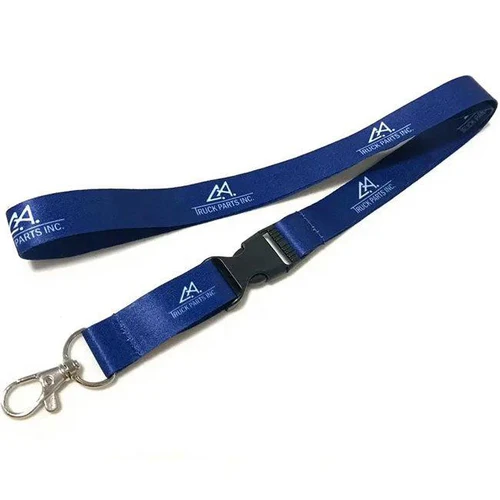
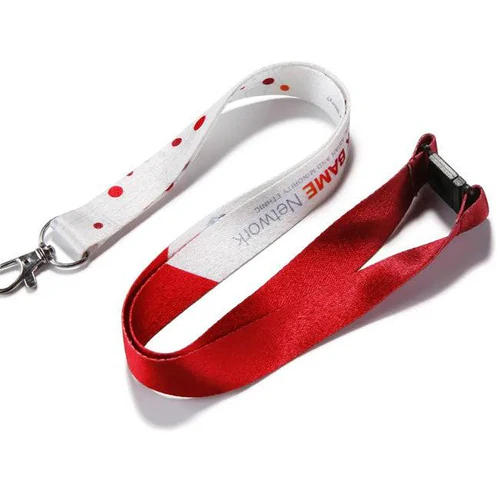
Lanyard printing methods are the production techniques used to place logos, text, colors, and patterns onto a lanyard. Common options include screen printing, dye sublimation, woven designs, and heat transfer, each with different strengths in durability, detail, and cost.
If you choose the method first and the use case second, you usually overspend or end up with a lanyard that fades, cracks, or looks less polished than expected. The better approach is to match the printing process to the material, artwork complexity, quantity, and wear conditions.
Table of Contents
- Why the printing method matters more than most buyers think
- The main custom lanyard printing methods explained
- Quick comparison by business use case
- How to choose the right method step by step
- Design factors that affect print quality
- Cost, durability, and hidden trade-offs
- What we’ve seen at Best Patches in real orders
- What is changing in 2026
- Final recommendations and next steps
- References
Why the printing method matters more than most buyers think
Most buyers compare lanyards by price first. That makes sense on a spreadsheet, but it often leads to weak results in the field. A low-cost print can bleed on dark fabric, wear off near the clasp, or make small text unreadable. A premium method can also be the wrong choice if your artwork is simple and your event lasts only one day.
According to the Promotional Products Association International 2024 consumer research, useful branded products keep generating impressions long after an event ends, especially when recipients use them repeatedly in work or travel settings. Lanyards fall directly into that category because they are visible, functional, and often worn for hours at a time.
That means print clarity and long-term appearance matter. A logo that looks crisp on day one but degrades after a week can quietly damage brand perception. For schools and security programs, poor legibility is more than a cosmetic issue; it can affect identification and workflow.
“The best lanyard isn’t the one with the fanciest production method. It’s the one that still looks intentional after heavy use.”
The main custom lanyard printing methods explained
Screen printing
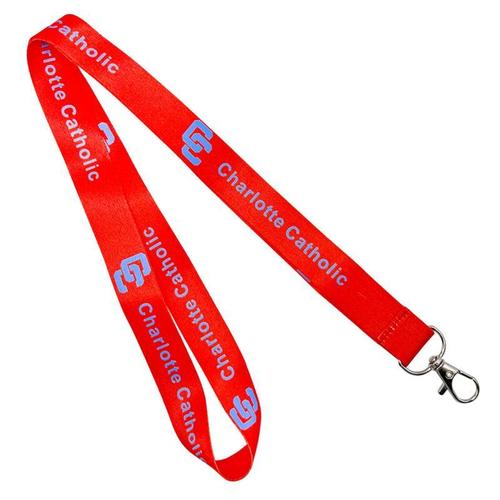
Screen printing places ink onto the lanyard surface in solid layers, usually one color at a time. It is widely used for simple logos, bold text, and straightforward branding on polyester or nylon straps.
Best for: clean one-color or two-color artwork, medium to large orders, and cost-conscious promotional projects.
Strengths:
- Affordable for simple designs
- Strong visual impact with bold logos
- Reliable for straightforward brand marks and text
- Fast production on standard materials
Limitations:
- Not ideal for gradients or photo-like detail
- Small text can lose sharpness
- Surface print may wear over time in high-friction use
Dye sublimation
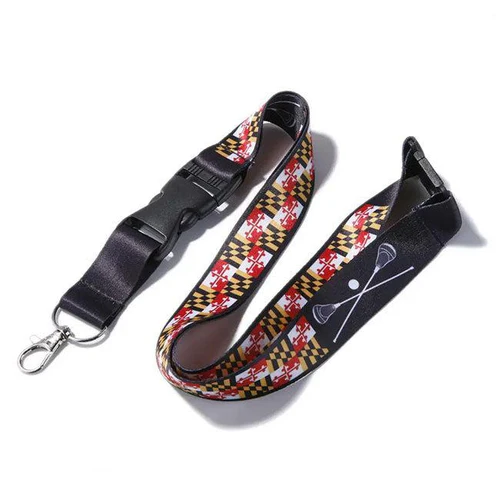
Dye sublimation uses heat to transfer ink into the polyester fibers rather than leaving it mainly on the surface. This is usually the top choice for full-color, all-over designs and intricate branding.
Best for: vivid full-color artwork, detailed logos, edge-to-edge printing, and brand-heavy designs that need modern visual polish.
Strengths:
- Excellent color range and image detail
- Works well for gradients, patterns, and complex graphics
- Ink becomes part of the fabric, reducing peeling risk
- Clean overall appearance on white polyester
Limitations:
- Most effective on polyester
- Dark-base limitations depending on process setup
- Can cost more than basic screen printing for very simple art
Woven lanyards
With woven lanyards, the design is stitched into the strap rather than printed onto it. The result feels textured and durable, with a more classic promotional-product look.
Best for: simple logos, text, school names, industrial use, and buyers who want durability over image complexity.
Strengths:
- Long-lasting appearance
- Resists some surface wear better than printed options
- Professional tactile feel
- Good for recurring institutional use
Limitations:
- Fine detail is limited
- Not suitable for gradients or complex artwork
- Lettering may look less sharp than sublimated print
Heat transfer and specialty methods
Heat transfer methods can apply graphics or special finishes to lanyards, including metallic effects or custom detail work that does not fit standard print runs. This category is broader and often more specialized.
Best for: niche branding needs, smaller specialty runs, and decorative effects.
Strengths:
- Can produce specialty visual effects
- Helpful for short-run custom applications
- Offers flexibility for unique branding concepts
Limitations:
- Durability varies by material and finish
- Often not the first choice for mass corporate orders
- Requires careful proofing before production
Quick comparison by business use case
| Business Scenario | Recommended Method | Why It Fits | Main Caution |
|---|---|---|---|
| Corporate conference with colorful sponsor logos | Dye sublimation | Handles multiple colors, gradients, and high visual impact | Needs quality artwork and polyester base |
| School staff ID lanyards with simple text | Screen printing | Budget-friendly and clear for simple names or logos | Surface wear may show over long heavy use |
| Warehouse or factory daily-use lanyards | Woven | Durable look and better resistance to rough handling | Not ideal for detailed logos |
| Retail brand launch with fashion-forward artwork | Dye sublimation | Supports edge-to-edge branding and trend-driven color | Proof color carefully before full run |
| Limited-edition merch run for a fan brand | Heat transfer or specialty print | Allows unique effects and premium perceived value | Per-unit cost can rise quickly |
How to choose the right method step by step
If you want a practical buying process, use this sequence before you request quotes.
- Define the use case. Is the lanyard for a one-day event, daily staff wear, resale merch, or security identification?
- Review your artwork. Simple logos usually favor screen printing or woven options; complex art often points to dye sublimation.
- Match the material. Polyester is usually best for sublimation, while other constructions may favor different methods.
- Estimate wear and friction. Daily badge use, clips, and movement affect print life.
- Set your quantity and budget. Some methods become more cost-efficient at scale.
- Request a digital proof and, if possible, a physical sample. This catches color, spacing, and readability problems early.
- Check hardware compatibility. Attachments, breakaways, and buckles can affect visible print area.
According to a 2025 report from Smithers on print and packaging technology trends, buyers are placing more emphasis on shorter runs, customization, and consistent color performance across branded materials. That matters for lanyards because clients increasingly want event-specific or department-specific versions without sacrificing brand consistency.
Design factors that affect print quality
Logo complexity
If your logo has thin lines, fine serif typography, multiple shades, or subtle gradients, the method matters a lot. Dye sublimation generally preserves complexity better than screen printing or weaving. If your brand mark is bold and minimal, screen printing may deliver nearly the same visual impact for less money.
Color expectations
Brand color is where many projects go wrong. Pantone matching, fabric base color, and finish all influence the final look. A bright blue on a coated digital mockup does not always translate perfectly to a textile surface. This is especially important for franchises, universities, and national brands with strict identity standards.
Text size and readability
Names, URLs, and taglines need more room than many buyers expect. A method may technically support small text, but “technically readable” is not the same as visually clean from three feet away.
“If the text matters operationally, such as department names or access categories, prioritize clarity over decorative detail.”
Lanyard width and finish
Wider lanyards create more printable area and generally improve logo presence. Satin-like surfaces can make colors pop, while textured constructions may better suit woven approaches. Hardware placement also changes how much of the strap remains visible when worn.
Cost, durability, and hidden trade-offs
Budget discussions usually focus on unit cost, but the more useful metric is cost per effective impression. If a lanyard is worn for months, a slightly higher per-unit investment may produce much better value than a cheaper option that fades quickly or looks dated after repeated use.
According to ASI’s 2024 Ad Impressions Study, promotional items with practical daily use continue to outperform disposable handouts in long-term brand recall. Lanyards fit that pattern because they stay visible in offices, schools, healthcare settings, and event venues.
Here are the trade-offs buyers often miss:
- Cheaper initial print can lead to weaker durability
- Higher-detail methods may require cleaner files and tighter proofing
- Premium appearance may not matter if the lanyard is used in rough industrial conditions
- Durability-focused construction may limit design sophistication
There is also a timing issue. Complex methods or custom hardware combinations can extend production. If your event date is fixed, the “best” method may simply be the one that can be executed reliably within deadline.
What we’ve seen at Best Patches in real orders
I’ve seen buyers come in convinced that woven lanyards were automatically more premium, only to realize their artwork relied on gradients and subtle brand tones that weaving could not reproduce well. In one project for a multi-sponsor conference, the client had eight logos, each with distinct colors and varying complexity. At Best Patches, we pushed them away from a cheaper single-color approach and toward dye sublimation. The final lanyards looked cleaner, sponsors approved the color balance more quickly, and the client reordered for the next event cycle with only minor design changes.
In another order, a school district initially requested full-color printing because it sounded more advanced. But their actual design was simple navy text and a one-color crest for everyday staff IDs. I recommended screen printing instead. That lowered their costs, simplified proof approval, and gave them a straightforward, professional result that matched how the lanyards would be used. Sometimes the best decision is not the flashiest one. It is the one that aligns with function.
We’ve also worked with clients who underestimated friction points. One warehouse customer clipped scanners and keys to the same lanyard every day. Their earlier printed stock looked worn far too quickly. For their replacement run, we helped shift the design approach toward a more durability-minded build with simpler visual elements. The lanyards held up better, and the client stopped treating reorders as a recurring quality problem.
What is changing in 2026
The market is moving toward shorter runs, cleaner customization, and more brand-specific execution. Clients no longer want a generic lanyard with a logo dropped onto it. They want a product that feels like an extension of the brand system, event experience, or merch collection.
Three shifts stand out in 2026:
- More full-color demand: especially for influencer brands, entertainment merch, and sponsor-heavy events
- More proof sensitivity: buyers are paying closer attention to color, spacing, and social-media-ready presentation
- More use-case segmentation: companies are ordering different lanyard styles for staff, VIPs, exhibitors, and attendees
There is also growing interest in material choices and responsible sourcing. While printing method is the focus, many buyers now evaluate it alongside recycled polyester options, attachment safety, and longer usable lifespan. Those decisions support both sustainability goals and procurement logic.
Final recommendations and next steps
The best lanyard printing method depends on the job you need the product to do. If your design is complex and visual impact matters, dye sublimation is often the strongest choice. If your logo is simple and budget is tight, screen printing remains highly effective. If durability matters more than detail, woven lanyards deserve serious consideration.
For most buyers, the mistake is not choosing a low-quality method. It is choosing a method without connecting it to artwork, wear conditions, and audience expectations.
Best Patches recommends these next steps:
- Send your actual logo files before asking for a final quote, so the printing method is matched to real artwork.
- Request a proof that shows print placement, width, and hardware together, not just the flat design.
- If the order is large or high-visibility, test one sample method against another before full production.
References
- Promotional Products Association International, 2024 consumer research — Provided insight into the long-term value and repeat visibility of useful branded products.
- ASI Ad Impressions Study, 2024 — Supported the point that practical promotional products generate stronger recall over time.
- Smithers, 2025 print and packaging trends research — Informed the discussion on customization, short-run demand, and color consistency expectations.
FAQ
What are the most common lanyard printing methods?
The most common methods are screen printing, dye sublimation, woven lanyards, and heat transfer. Screen printing is good for simple logos, while dye sublimation is usually best for full-color detail.
Which lanyard printing methods are best for detailed logos?
Dye sublimation is usually the best option for detailed logos, gradients, and multi-color artwork. It produces sharper visual complexity than woven or basic screen-printed designs.
Are woven lanyards more durable than printed lanyards?
Often, yes. Because the design is stitched into the lanyard, woven styles can hold their look well in rough-use environments. The trade-off is that they do not reproduce fine detail as well as sublimated lanyards.
Is screen printing cheaper than dye sublimation for custom lanyards?
Usually, yes, especially for simple one-color or two-color designs in standard quantities. But if your artwork is complex, sublimation may deliver better value because it avoids the visual compromises of simpler printing.
What material works best with dye sublimation lanyards?
Polyester is typically the best material for dye sublimation because the ink bonds well with polyester fibers. That helps produce strong color and durable image quality.
How do I choose between lanyard printing methods for an event?
Start with your artwork, budget, and event length. For colorful sponsor-heavy designs, go with dye sublimation. For simple branding on a tighter budget, screen printing is often enough. For repeated institutional use, woven may be the better long-term option.