 Promotional Products








Introduction
If you are comparing nylon vs polyester lanyards, you are probably trying to avoid a costly mistake: choosing a strap that looks great in a mockup but disappoints once it is printed, worn, or handed out at scale. The right material affects color sharpness, print method, comfort, durability, and even how your brand is perceived at events, schools, trade shows, and corporate offices.
At Best Patches, we work with custom branding projects where small material choices create big downstream effects. A lanyard is not just a giveaway item. It is a visible brand touchpoint that gets worn close to the body, rubbed against clothing, exposed to sun and sweat, and judged in seconds by the person using it.
Nylon vs polyester lanyards refers to the comparison between two of the most common materials used for custom printed lanyards. Nylon is usually smoother and glossier, while polyester is typically more cost-effective, versatile, and popular for a wide range of printing techniques.
For most businesses, polyester is the better all-around option for custom printing because it balances print quality, price, and production flexibility. Nylon can be the better choice when you want a shinier surface, a softer feel, or a more premium presentation.
Table of Contents
- Core differences between nylon and polyester lanyards
- How each material performs in custom printing
- Durability, comfort, and daily wear
- Cost, brand positioning, and ideal use cases
- Side-by-side comparison table
- A real-world case from Best Patches
- How to choose the right material step by step
- Common mistakes buyers make
- Material and printing trends for 2026
Core differences between nylon and polyester lanyards
The confusion around these two materials usually starts with appearance. At a glance, both can look similar in product photos. In hand, they feel and behave differently.
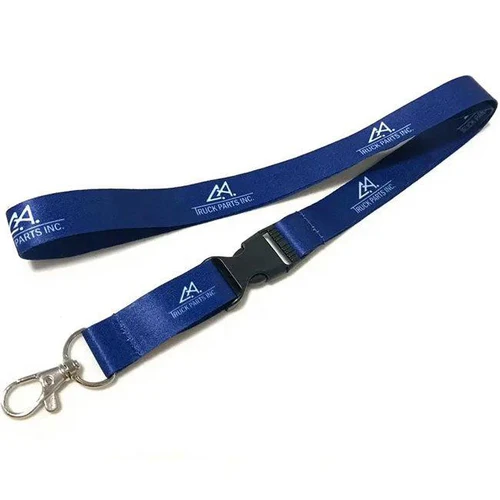
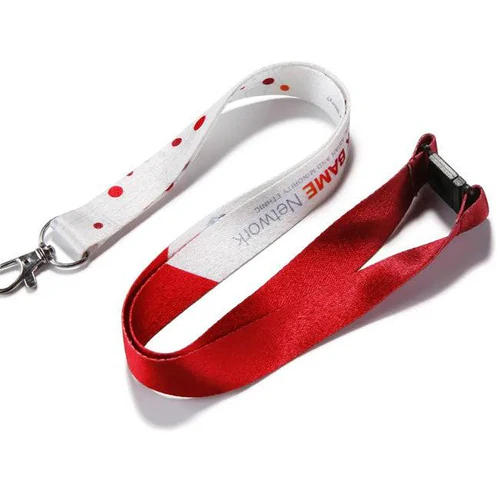
Nylon lanyards tend to have a smoother, shinier finish. They often feel softer and slightly more upscale. Because of that sheen, they are commonly chosen for screen printing, where bold logos and simple artwork need to stand out cleanly on the surface.
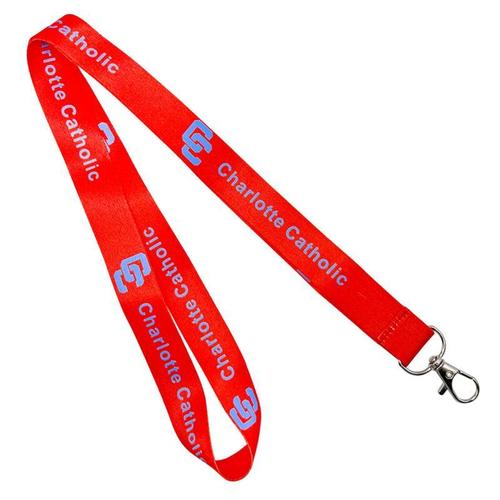
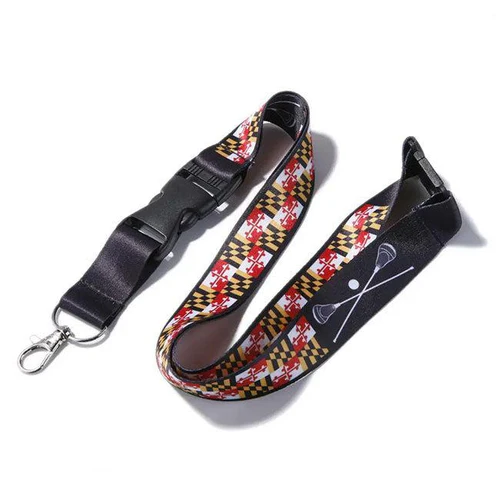
Polyester lanyards are more common across the custom merchandise market. They are durable, affordable, and highly adaptable to various decoration methods, especially dye sublimation. That flexibility makes them a practical default for schools, nonprofits, conferences, retail promotions, and large employee programs.
The biggest takeaway is simple: nylon often wins on finish and tactile feel, while polyester usually wins on value and print versatility.
“When buyers say they want the best-looking lanyard, they often mean different things. Some want a glossy, elevated feel. Others want full-color artwork that matches brand guidelines exactly. Material choice should follow that goal, not habit.”
What nylon does best
- Smooth texture with a polished appearance
- Strong surface presence for one-color or limited-color logo printing
- Often feels more premium in the hand
- Good choice for corporate gifting and upscale event badges
What polyester does best
- Supports full-color, edge-to-edge sublimation very well
- Usually lower cost in bulk orders
- Reliable for everyday wear and high-volume campaigns
- Commonly available in recycled variations
How each material performs in custom printing
If custom printing is your priority, this is where the nylon vs polyester decision becomes very practical. The material itself changes how inks bond, how colors appear, and what methods are available.
Nylon and screen printing
Nylon is often favored for screen printing because its surface allows logos and text to sit visibly on top with a crisp, clean look. If your design is straightforward, such as a company name, website, or minimal icon in one or two colors, nylon can deliver a sharp branded result.
That said, nylon is not always the best fit for complex gradients, photo-like artwork, or all-over prints. If your brand system uses subtle shading, multiple hues, or highly detailed visual elements, nylon may limit your options depending on the production setup.
Polyester and dye sublimation
Polyester shines in dye sublimation. This method embeds the design into the material rather than leaving it as a raised layer on the surface. That usually means better resistance to fading and cracking, especially for lanyards used heavily over time.
For logos with gradients, multicolor artwork, campaign graphics, sponsor strips, QR codes, or repeated patterns, polyester is usually the better canvas. According to data published by Smithers in recent print industry market analysis, digital and sublimation-based textile decoration continues to gain share because brands increasingly demand short runs, color consistency, and variable designs. That market direction strongly favors polyester in custom lanyard production.
Print clarity versus finish
This is the tradeoff many buyers miss. Nylon may look more premium because of its sheen, but polyester often reproduces complex artwork more faithfully. If your project is logo-first, nylon can be compelling. If your project is design-first, polyester usually gives you more room to work.
Durability, comfort, and daily wear
A lanyard is handled more than most branded items. It gets twisted, folded, tugged, clipped to hard plastic badge holders, and worn against skin or clothing for hours at a time. That means comfort and wear resistance matter just as much as print quality.
Polyester is widely trusted for repeated use. It holds up well in busy environments such as schools, factories, hospitals, warehouses, and event venues. It is also less likely to stretch in ways that affect the printed layout over time.
Nylon is also durable, but its appeal is more about feel and presentation. It can offer a softer touch and a sleeker visual finish, which users often perceive as more premium. For executive settings, VIP passes, media credentials, or branded kits, that tactile upgrade can be worth the added cost.
According to occupational product guidance discussed by organizations such as OSHA, wearable accessories used in active workplaces should prioritize safe breakaway features, hardware reliability, and fit-for-purpose construction. Material matters, but the attachment style, release buckle, and badge clip often matter just as much in high-movement settings.
Where comfort becomes a deciding factor
For one-day events, most people will not notice a dramatic difference. For all-day conferences, school staff, healthcare workers, or security teams who wear lanyards daily, the comfort gap becomes more important. In our experience, users who wear lanyards eight or more hours a day tend to care less about the abstract material name and more about softness, edge feel, and weight distribution.
“The best lanyard is the one users stop noticing after ten minutes. If it scratches, twists, or feels stiff, your brand gets remembered for the wrong reason.”
Cost, brand positioning, and ideal use cases
Budget is usually where polyester pulls ahead. If you need hundreds or thousands of pieces, polyester often gives you the most predictable value. It is the safer choice for campaigns where unit economics matter, such as admissions events, membership kits, conference swag, student orientation, and seasonal promotions.
Nylon often costs more, but it can support a more refined brand impression. That extra spend may make sense when the lanyard is part of a premium package, executive welcome kit, media pass system, or high-touch customer experience.
When polyester is the smarter buy
- You need full-color or all-over printed artwork
- You are ordering in large quantities
- You want a dependable option for general business use
- You need faster and more flexible production for promotional campaigns
When nylon is worth the premium
- Your design is simple and logo-focused
- You want a glossy, upscale presentation
- The lanyard is part of a higher-end brand experience
- You value feel and finish as much as cost efficiency
There is also a sustainability layer to this choice. According to Textile Exchange reporting in the 2024 period, recycled polyester remains a major material focus for brands trying to reduce virgin fossil-based inputs in textile-related products. If environmental messaging matters to your organization, recycled polyester lanyards can help align product choice with procurement goals, though you should still verify supplier claims and certifications.
Side-by-side comparison table
| Business Scenario | Best Material | Why It Fits | Printing Recommendation |
|---|---|---|---|
| Tech conference with sponsor logos and gradients | Polyester | Handles multicolor layouts and repeated graphics well | Dye sublimation |
| Corporate executive event with clean branding | Nylon | Premium sheen and polished feel elevate simple logos | Screen printing |
| University orientation for thousands of students | Polyester | Cost-effective, durable, and easy to scale | Dye sublimation or basic print |
| Retail staff IDs in a style-conscious store | Nylon | Better tactile feel for customer-facing environments | Screen printing |
| Nonprofit fundraiser with tight budget and colorful art | Polyester | Balances affordability with strong visual reproduction | Dye sublimation |
A real-world case from Best Patches
At Best Patches, we once worked with a multi-location client preparing branded materials for two very different audiences at the same time: event staff and VIP guests. The first draft assumed one lanyard type would serve both groups. On paper, that seemed efficient. In reality, it would have created a compromise that pleased neither side.
I recommended splitting the order by use case. For staff, we moved to polyester because the design included full-color department coding and sponsor elements. For VIP access, we shifted to nylon with a cleaner, simpler logo treatment. The result was better function for the staff team and a noticeably more premium experience for guests. The client spent a bit more on the VIP batch, but less overall than if they had forced a premium material into a high-volume utility order.
In another project, I reviewed a mockup where the buyer insisted nylon was “automatically better.” After discussing the artwork, it became clear their lanyard relied on gradients, QR placement, and exact campaign colors. We switched to polyester sublimation, and the final product matched the visual system far more closely. That project reinforced something we see often at Best Patches: “better” only makes sense when tied to the print goal.
How to choose the right material step by step
If you are still on the fence, use this decision process before requesting a quote.
- Define the main job of the lanyard. Is it for access control, promotion, retail display, or premium gifting?
- Review the artwork honestly. Simple logo and text usually favor nylon. Complex, full-color design usually favors polyester.
- Estimate wear conditions. Daily use, outdoor exposure, and large-volume handling often point toward polyester.
- Set a realistic budget per unit. If cost pressure is high, polyester is often the safer path.
- Ask for a sample with your actual design. A generic material swatch is helpful, but a printed sample reveals the real outcome.
- Check hardware options. Breakaway clasps, swivel hooks, badge clips, and buckle attachments can change usability more than expected.
- Confirm lead times and reorder consistency. This matters if the lanyard is part of an ongoing program rather than a one-time event.
Common mistakes buyers make
The most common mistake is choosing material by assumption instead of by print method. Many buyers hear that nylon is more premium and stop there. But if the artwork depends on full-color detail, that “premium” decision can produce a weaker visual result.
Another mistake is ignoring the end user. A lanyard for warehouse staff has different requirements than one for a donor gala. Comfort, breakaway safety, stain visibility, and hardware strength all change what “best” means.
There is also the issue of overdesign. On a narrow strap, too much text or too many logos will reduce readability no matter which material you choose. Sometimes the smartest move is simplifying the artwork before debating nylon vs polyester at all.
Red flags to watch for
- A complex full-color design being pushed onto a material intended for simple print methods
- No physical sample approval before mass production
- Choosing based only on lowest unit price without considering user experience
- Ignoring attachment hardware and safety requirements
- Assuming all polyester or all nylon products are manufactured to the same standard
Material and printing trends for 2026
The custom lanyard market is becoming more segmented, not less. Buyers are no longer asking only which material is cheapest. They are asking which option best supports brand fidelity, sustainability claims, wear comfort, and faster campaign turnaround.
Three trends stand out for 2026. First, recycled polyester is becoming more visible in procurement conversations, especially for institutions and brands with ESG reporting pressure. Second, dye sublimation continues gaining favor because short-run customization and color complexity are now standard expectations, not special requests. Third, premium event branding is pushing some buyers back toward nylon when tactile presentation matters more than graphic complexity.
According to recent event industry reporting from organizations such as PCMA and related trade bodies, attendee experience continues to shape physical brand materials more heavily than before. That means a lanyard is no longer treated as a throwaway accessory. It is part of the event identity system, and material choice is becoming more strategic.
Conclusion
When comparing nylon vs polyester lanyards, polyester is usually the better all-purpose choice for custom printing because it is cost-effective, durable, and excellent for full-color sublimation. Nylon can absolutely be the better option when you want a sleeker finish, a softer hand feel, and a more premium look for simpler printed designs.
At Best Patches, our recommendation is to match the material to the artwork, the audience, and the wear environment rather than chasing a one-size-fits-all answer.
- Ask for a printed sample using your real design, not a generic swatch.
- Choose polyester for complex, colorful, high-volume projects.
- Choose nylon for premium, logo-forward programs where finish and feel matter most.
References
- Smithers — Provided market direction on growth in digital and sublimation-based textile decoration and customization demand.
- Textile Exchange — Offered current context on recycled polyester adoption and material sustainability considerations.
- OSHA — Informed practical safety considerations for wearable workplace accessories and hardware selection.
- PCMA and event industry reporting — Supported the trend that attendee experience increasingly shapes branded event materials.
FAQ
Which is better in nylon vs polyester lanyards for custom printing?
For most full-color branded projects, polyester is the better choice because it works exceptionally well with dye sublimation and keeps costs manageable. Nylon is often better for simpler logo-focused designs where you want a smoother, shinier, more premium-looking finish.
Are nylon lanyards more durable than polyester lanyards?
Both are durable, but polyester is usually the more practical option for repeated daily use because it performs well under regular wear and large-scale distribution. Nylon also lasts well, but buyers usually choose it more for feel and finish than for a major durability advantage.
Is polyester cheaper than nylon for bulk lanyard orders?
Yes, in most cases polyester lanyards are more budget-friendly than nylon, especially for high-volume orders. That is one reason they are so common for schools, trade shows, nonprofits, and employee ID programs.
Which material is better for sublimation printing?
Polyester is the standard winner for sublimation printing. It supports vivid, detailed, full-color artwork and repeated patterns much better than nylon in most custom lanyard applications.
Are nylon lanyards more comfortable to wear?
Often, yes. Many users describe nylon lanyards as softer and smoother against the skin. For all-day wear in premium or customer-facing settings, that can be a meaningful benefit.
What width works best for custom printed lanyards?
A width of 3/4 inch to 1 inch is the most common sweet spot. It gives you enough space for readable branding without making the lanyard feel bulky. Narrower widths can work for minimalist logos, while wider straps are better for bold artwork and visibility.