 Promotional Products
Introduction
If you are comparing screen printed lanyards vs dye sublimation lanyards, you are probably balancing budget, color accuracy, durability, and brand impact all at once. That choice matters more than most buyers expect, because the wrong print method can make a logo look flat, fade too soon, or push your per-unit cost higher than necessary.
At Best Patches, we work with organizations that need lanyards for trade shows, schools, hospitals, sports events, retail teams, and corporate branding. The most common mistake we see is choosing based on price alone. A low upfront quote can become expensive when artwork limitations, reprints, or weak visual impact hurt the campaign.
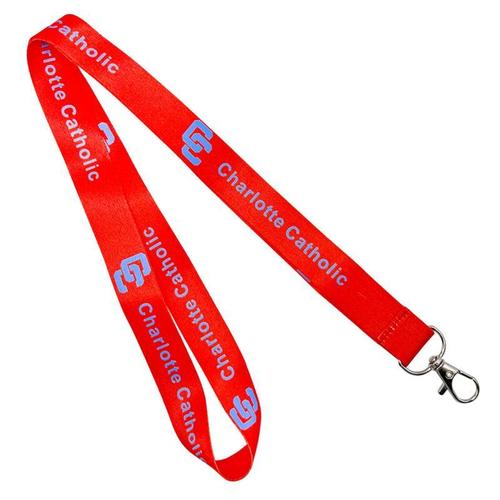
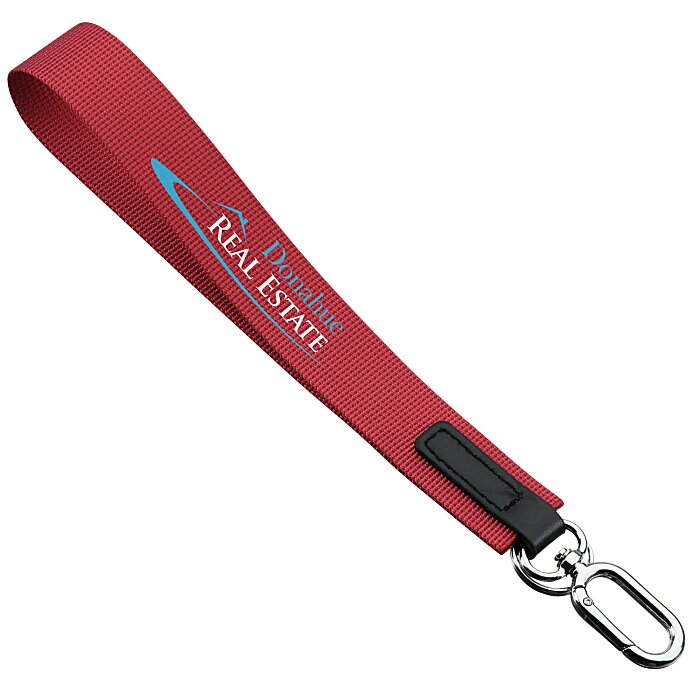
Screen printed lanyards vs dye sublimation lanyards refers to two different custom printing methods used on fabric lanyards. Screen printing applies ink in solid layers, while dye sublimation uses heat to transfer full-color artwork directly into polyester fibers. The best option depends on your design complexity, quantity, material, and how long you need the lanyards to perform.
If your artwork is simple and bold, screen printing often wins on value. If your design includes gradients, photographs, detailed patterns, or multi-color branding, dye sublimation usually delivers the cleaner result.
Table of Contents
- Key differences between the two methods
- When screen printing is the better fit
- When dye sublimation is worth the upgrade
- Side-by-side business comparison
- Cost, quality, and durability factors
- How to choose the right method
- Real-world experience from Best Patches
- Trends shaping custom lanyards in 2026
- Final recommendation and next steps
Key Differences Between the Two Methods
Screen printing and dye sublimation may produce the same final product category, but they behave very differently in production. Screen printing pushes ink onto the surface of the lanyard. Dye sublimation turns the artwork into gas under heat and pressure, bonding it into the polyester material itself. That single difference affects color depth, texture, fade resistance, and artwork flexibility.
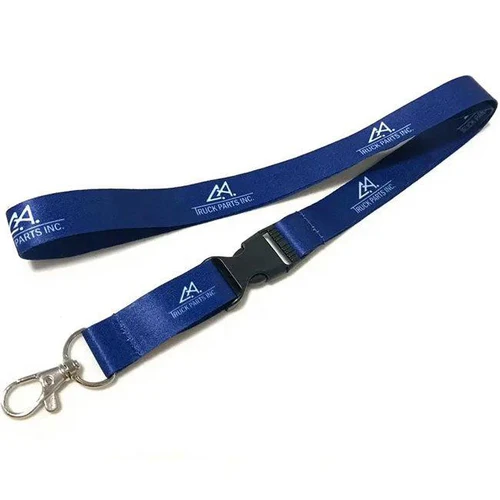
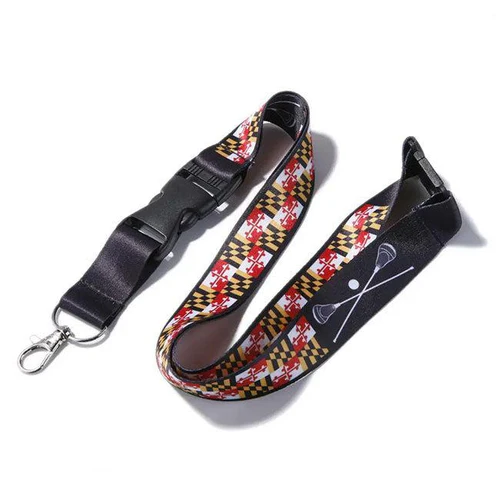
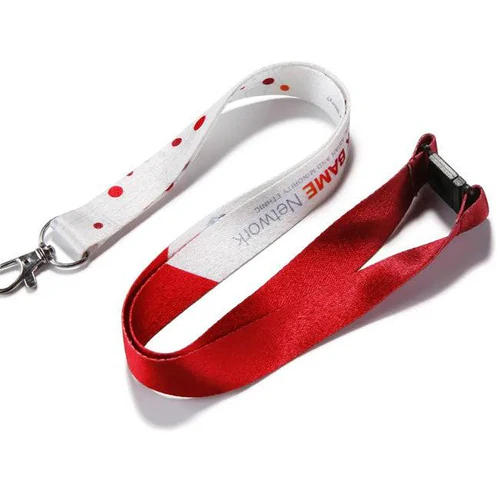
Screen printing works best with simple layouts: one-color logos, short text, clear icons, and limited color palettes. Because each color often requires its own setup, complexity raises production time and cost. Dye sublimation handles full-color artwork far more naturally, especially when you need edge-to-edge patterns, gradients, photo elements, or repeated visual motifs.
There is also a tactile difference. A screen printed lanyard may feel slightly raised where the ink sits. A dye sublimated lanyard usually feels smoother because the color is embedded into the fabric rather than layered on top.
What screen printing does best
- Sharp solid-color logos
- High contrast branding on basic backgrounds
- Large bulk orders with simple artwork
- Projects where cost control matters more than photo-level detail
What dye sublimation does best
- Full-color brand systems
- Gradient-rich or photo-based designs
- Complex event branding with sponsor logos
- Patterns printed across the full length of the lanyard
“If your brand guide includes gradients, secondary shades, or intricate visual textures, dye sublimation usually protects brand consistency better than surface-print methods.”
When Screen Printing Is the Better Fit
Screen printing still has a strong place in the lanyard market, especially for buyers who need clean branding at scale. If your logo is one or two colors and your goal is straightforward identification rather than visual storytelling, screen printing can be a smart and efficient choice.
Schools use it for staff and visitor ID. Warehouses use it for role-based color coding. Nonprofits use it for volunteer lanyards. Event organizers use it when they need thousands of units with simple sponsor text and a short turnaround.
The biggest advantage is efficiency on uncomplicated designs. You are not paying for a print technology that your artwork does not require. For many buyers, that is the difference between staying within budget and cutting accessories altogether.
Best scenarios for screen printing
Choose screen printed lanyards when you need:
- A basic logo with one to three colors
- Strong readability from a distance
- Budget-sensitive bulk ordering
- A classic promotional look
- Simple brand marks that do not rely on shading or gradients
When Dye Sublimation Is Worth the Upgrade
Dye sublimation is the stronger option when your lanyard is not just an accessory but part of the visual brand experience. It is especially effective for conferences, retail launches, entertainment merch, university recruitment, and premium hospitality programs where color precision and presentation matter.
Because the print becomes part of the polyester, dye sublimation tends to deliver better all-over consistency and stronger resistance to cracking or peeling. It also opens the door to creative freedom: repeated logos, scenic backgrounds, abstract patterns, color transitions, and fully customized front-and-back layouts.
That said, dye sublimation is not automatically the right answer for every order. If your artwork is minimal and your audience will only use the lanyards for a short event, the extra capability may not create enough return.
Best scenarios for dye sublimation
- Detailed corporate branding with multiple colors
- Sports teams and fan merchandise
- Music festivals and entertainment events
- Brands with strict visual identity guidelines
- Premium staff kits and sponsor-heavy conferences
“The best lanyard is not the one with the fanciest print method. It is the one that matches the brand, the wear conditions, and the buyer’s actual objective.”
Side-by-Side Business Comparison
| Business Scenario | Recommended Method | Why It Fits | Key Limitation |
|---|---|---|---|
| Public school staff IDs | Screen printing | Simple district logos and bulk-friendly cost | Less suitable for multi-color mascots or gradient art |
| Tech conference attendee badges | Dye sublimation | Handles sponsor logos, patterns, and full-color branding | Usually higher unit cost on very simple designs |
| Warehouse access lanyards | Screen printing | Clear role labels and durable basic identification | May show wear faster if heavily abraded |
| University recruitment events | Dye sublimation | Supports school colors, mascots, and modern branded visuals | Requires polyester-compatible material for best results |
| Nonprofit volunteer programs | Depends on artwork | Simple campaigns suit screen print; donor-facing branding suits sublimation | Wrong method can either waste budget or weaken presentation |
Cost, Quality, and Durability Factors
Most buyers frame the decision as price versus appearance, but that is too narrow. The real equation is lifetime value. A cheaper lanyard that fades quickly or fails to represent the brand properly can force a reorder, create a weaker first impression, or reduce perceived professionalism.
According to a 2024 report by ASI, promotional products remain strongest when they combine daily utility with visible branding exposure. Lanyards fit that model especially well because they are worn, handled, and seen repeatedly in work and event settings. That means print quality is not a cosmetic detail; it affects brand recall.
According to the 2025 Adobe Creative Trends outlook, brands continue to favor richer color systems, layered visual identities, and more expressive event graphics. That trend leans naturally toward dye sublimation, especially for companies moving beyond flat one-color marks.
At the same time, procurement teams are still under pressure to control spend. A 2024 Deloitte global procurement outlook noted that cost optimization remains a top operational focus for purchasing departments. That helps explain why screen printing continues to perform well in institutional and high-volume environments.
How cost usually breaks down
Screen printing often offers:
- Lower cost for simple, high-volume jobs
- Efficient production when color count is limited
- Good brand visibility for straightforward logos
Dye sublimation often offers:
- Better value for complex designs that would be expensive to screen print
- Greater visual sophistication per unit
- Better long-term appearance on polyester materials
Where buyers get tripped up
One common issue is assuming all “custom lanyards” are equal. They are not. Material width, attachment hardware, safety breakaway options, weave quality, and print registration all matter. A poor supplier can make either print method look disappointing.
Another issue is artwork mismatch. If you try to force a gradient-heavy design into a basic screen print process, you may get a flat result that feels off-brand. If you choose dye sublimation for a minimal one-color logo with no visual complexity, you may be overbuying.
How to Choose the Right Method
If you want a practical answer fast, use this decision path. It helps narrow the right method without getting lost in technical terms.
- Review your artwork and count the true number of colors.
- Check whether the design includes gradients, shadows, photos, or fine detail.
- Define the purpose: daily staff use, short event use, merch resale, or premium branding.
- Set the quantity and target budget range.
- Confirm the lanyard material, because dye sublimation performs best on polyester.
- Request a sample or mockup before mass production.
A simple rule of thumb
If the design is bold and minimal, start with screen printing. If the design is detailed and color-sensitive, start with dye sublimation. Then adjust based on quantity, budget, and wear conditions.
Real-World Experience From Best Patches
I remember one project with a regional education conference that came to Best Patches after a disappointing first run from another supplier. They had chosen screen printing for lanyards that included a gradient background, four sponsor logos, and a fine-line event emblem. On paper, the quote looked attractive. In person, the artwork looked compressed and uneven, and two sponsor marks were hard to recognize at arm’s length.
We rebuilt the project using dye sublimation, adjusted the logo spacing, simplified the microtext, and matched the official event colors more closely. The client told us attendee feedback improved immediately because the final product felt more polished and consistent with the rest of the conference branding. That was not just a design win; it protected sponsor visibility, which affected renewal conversations for the following year.
On another order, I worked with an operations manager who needed thousands of lanyards for a distribution facility. Their artwork was just a bold company name and department color coding. We recommended screen printing instead of dye sublimation because the design simply did not need extra complexity. The result lowered unit cost, sped up approval, and gave them the durability and clarity they wanted without paying for full-color capability they would never use.
Those two jobs made the same point from opposite directions: the best result comes from matching the print method to the job, not chasing whatever sounds more premium.
Trends Shaping Custom Lanyards in 2026
The lanyard category is changing in subtle but important ways. Buyers are asking for more than a strap with a logo. They want a branded wearable touchpoint that fits broader identity systems and user expectations.
What is changing now
- More brands are using full visual systems, which increases demand for dye sublimation.
- Event organizers are blending security, branding, and sponsor visibility into one product.
- Schools and public institutions still prefer cost-stable, simple designs where screen printing remains highly effective.
- Eco-conscious purchasing is pushing buyers to ask more questions about material composition and production waste.
There is also growing interest in premium finishing: detachable buckles, safety breakaways, recycled polyester straps, and upgraded metal clips. These features can matter as much as print method because they affect comfort, compliance, and perceived quality.
For brands that care about E-E-A-T signals on their own merchandise pages, clarity matters. Buyers want honest explanations of tradeoffs, not generic claims that every option is “best.” Pages that explain where each method excels are more likely to earn trust and convert better, especially for B2B traffic.
Final Recommendation and Next Steps
When it comes to screen printed lanyards vs dye sublimation lanyards, there is no universal winner. Screen printing is the smarter choice for simple artwork, strong readability, and budget-efficient bulk orders. Dye sublimation is the stronger choice for full-color branding, complex graphics, and a more premium visual finish.
Best Patches recommends three next steps before you place an order:
- Audit your artwork honestly and decide whether it is simple or detail-heavy.
- Match the print method to the actual use case, not just the lowest quote.
- Request a proof or sample so you can evaluate readability, color, and finish before full production.
If your design sits somewhere in the middle, a supplier review can save time and money. The right recommendation usually becomes obvious once the artwork, quantity, and intended use are looked at together.
References
- ASI 2024 promotional products research — provided context on utility-driven promotional items and repeated brand exposure.
- Adobe Creative Trends 2025 — informed the discussion on richer color systems and visually expressive brand assets.
- Deloitte 2024 global procurement outlook — supported the point that cost optimization remains a major purchasing priority.
FAQ
Which lasts longer: screen printed or dye sublimation lanyards?
Dye sublimation usually holds up better over time on polyester because the color is embedded into the fibers instead of sitting on the surface. Screen printing can still perform very well, but it is generally better suited to simpler, practical-use applications.
Is screen printed lanyards vs dye sublimation lanyards mainly a cost decision?
Not entirely. Cost matters, but artwork complexity, color accuracy, durability, and brand presentation matter just as much. A cheaper option can become the more expensive choice if it fails to deliver the look or lifespan you need.
Are dye sublimation lanyards always more expensive?
Not always. They can cost more on simple jobs, but they may offer better value when the design includes many colors, gradients, or detailed graphics that would be difficult or inefficient to screen print.
What material works best for dye sublimation lanyards?
Polyester is the best choice for dye sublimation because the process bonds the ink into synthetic fibers effectively. If the material is not compatible, the final print can lose clarity or durability.
What kind of artwork is best for screen printing?
Simple logos, bold text, icons, and limited-color designs are ideal for screen printing. It performs best when readability and clean branding matter more than photo-level detail.