 Promotional Products
Introduction
If you are comparing materials for branded neck straps, badge holders, or event giveaways, custom nylon lanyards usually come up fast for one reason: they look sharper and hold color better than many budget alternatives. The problem is that not every business needs nylon, and paying more for the wrong material can leave you with inventory that looks great but misses the practical goal.
That is where experience matters. At Best Patches, we have worked with organizations that needed lanyards for trade shows, school IDs, employee access, fundraising, and retail merch. The pattern is consistent: nylon is a strong option when visual impact, smooth texture, and crisp printed branding matter more than rock-bottom price.
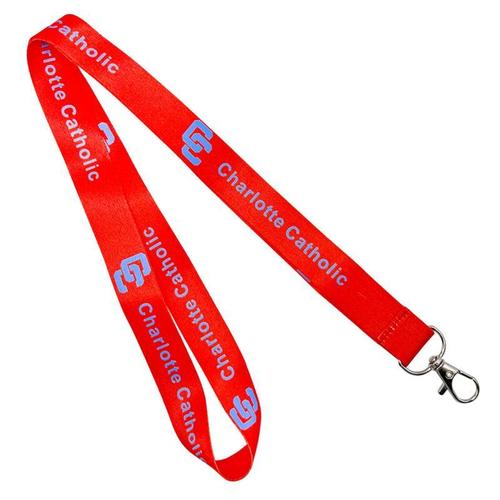
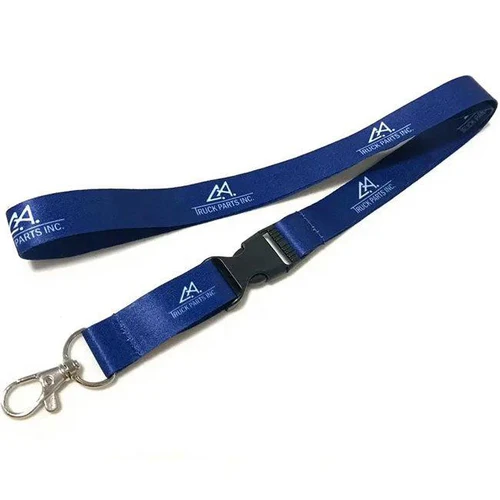
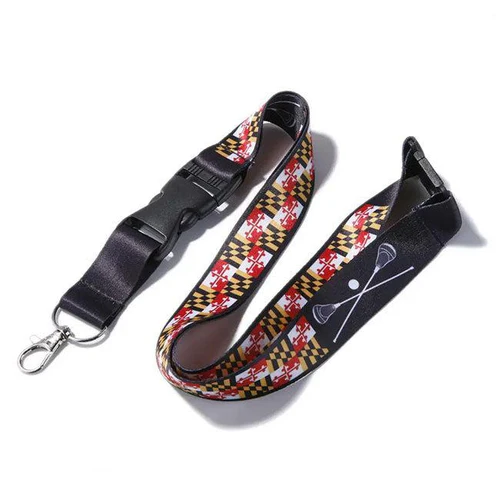
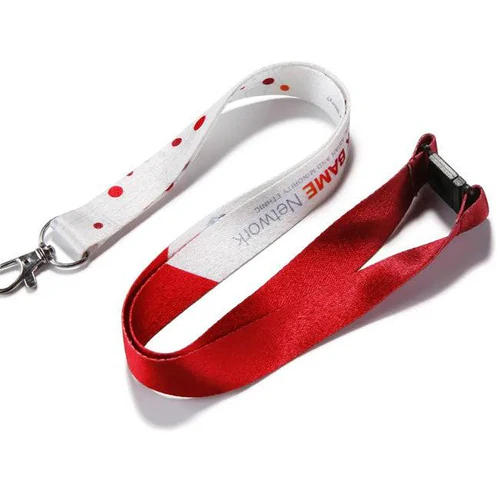
Custom nylon lanyards are personalized lanyards made from smooth, durable nylon webbing and printed with a logo, name, slogan, or design. They are commonly used for ID badges, keys, access cards, event credentials, and promotional branding because nylon offers a sleek finish and excellent print clarity.
They are not automatically the best choice for every order. Polyester can be more economical, woven styles can feel more premium for text-heavy branding, and tubular lanyards can be more comfortable for simple giveaways. The smart move is matching the material to the use case, not just the catalog photo.
Table of Contents
- Why nylon stands out
- When nylon is the right choice
- Printing options for nylon lanyards
- Nylon compared with other lanyard materials
- How to design effective branded lanyards
- What we learned from real orders at Best Patches
- Potential drawbacks and limitations
- Cost, durability, and ROI considerations
- A buyer’s checklist before you order
Why Nylon Stands Out
Nylon lanyards have a smoother, shinier surface than many other lanyard materials. That surface matters because it supports cleaner, more vibrant printing, especially for bold logos and high-contrast brand colors. If your design has a polished corporate mark, metallic-looking ink effects, or a premium retail feel, nylon usually performs better visually than basic tubular options.
There is also a durability advantage. Nylon webbing resists wear well under normal daily use, making it suitable for offices, schools, event staff, and security badges that get handled repeatedly. According to Grand View Research, the broader global promotional products market continued showing growth momentum in 2024, driven by practical branded items that combine visibility with repeat use. Lanyards fit that pattern because they are functional first and promotional second.
The main benefits of nylon are easy to spot in real-world use:
- Smooth surface for sharper printed logos
- Strong tensile performance for badges, keys, and cardholders
- Premium appearance compared with lower-cost giveaway materials
- Good color vibrancy for brand-forward applications
- Suitable for add-ons like safety breakaways, buckles, and swivel hooks
“The right lanyard is not just a strap. It is part of how a brand is seen at arm’s length all day long. Material choice changes the perceived quality more than most buyers expect.”
When Nylon Is the Right Choice
Nylon is the right call when appearance, print definition, and durability are priorities. It is especially effective for organizations that need to reinforce a polished identity in front of customers, attendees, visitors, or staff.
Premium events and trade shows
At conferences and expos, lanyards are highly visible in every hallway, registration line, and networking photo. A smooth nylon finish can make sponsor logos pop, which is useful when event organizers are selling premium sponsor packages and need the branding to feel worth the price.
Corporate office and access control
For companies issuing employee badges, nylon balances presentation and function. It looks more refined than bargain materials and holds up to daily wear. This matters in front-desk environments, healthcare reception, education administration, and tech campuses where uniforms and accessories shape trust.
Retail merch and fan gear
If a lanyard is going to be sold rather than simply handed out, nylon often makes more sense. The material feels closer to merchandise quality than disposable swag. That can support a better retail margin and lower buyer resistance.
Brand-sensitive campaigns
When exact color impression matters, nylon is a safer bet than rougher materials. According to a 2023 Lucidpress brand consistency benchmark cited widely across marketing teams, consistent visual presentation can materially improve revenue outcomes. While that research spans all branded touchpoints, the principle applies here too: if your logo is going to hang around someone’s neck all day, material quality affects perception.
Printing Options for Nylon Lanyards
Nylon and print quality go together, but the production method still matters. The best option depends on artwork complexity, order quantity, and how exact your branding must look.
Screen printing
Screen printing is a common option for nylon because the smooth surface accepts ink well. It works best for bold logos, simple text, and limited color counts. This method is cost-effective for medium to large orders and provides strong visual contrast. The limitation is that highly detailed gradients or photo-style graphics are not ideal.
Dye sublimation alternatives
Dye sublimation is more often associated with polyester than nylon, but buyers often compare the two when exploring full-color options. If your artwork depends on gradients, multicolor illustrations, or edge-to-edge complexity, a polyester sublimated lanyard may beat nylon on print flexibility even if nylon looks glossier. This is one of the key moments where a supplier should tell you not to choose nylon.
Heat transfer and specialty imprinting
Some suppliers use specialty transfer techniques for specific effects, though compatibility varies by factory and coating. These can help with crisp branding on nylon but should always be validated with a pre-production sample, especially for dark backgrounds or exact Pantone needs.
Foil and premium finishes
For promotional campaigns that need a more upscale feel, metallic foil accents or upgraded hardware can increase perceived value. These are not always necessary, but they can push a basic branded accessory into something that feels more like a finished brand asset.
According to ASI’s 2024 promotional products research, usefulness remains one of the top reasons recipients keep branded items. That matters for lanyards because print quality affects whether people continue using them after the event or toss them in a drawer.
Nylon Compared With Other Lanyard Materials
Material choice should come down to use case, not assumptions. Here is a practical comparison based on common business scenarios.
| Material | Best Business Scenario | Main Strength | Main Trade-Off |
|---|---|---|---|
| Nylon | Corporate badges, premium events, branded merch | Smooth finish and sharp printed logos | Usually costs more than tubular styles |
| Polyester | Large conferences, schools, full-color graphics | Excellent for dye sublimation and value pricing | May feel less glossy than nylon |
| Tubular | Budget giveaways, nonprofit events, simple branding | Affordable and comfortable | Less refined print appearance |
| Woven | Text-based branding, long-term employee use | Design integrated into the fabric | Not ideal for detailed logos or gradients |
How to Design Effective Branded Lanyards
A good lanyard design is readable, balanced, and built for motion. People rarely view lanyards flat on a desk. They see them folded, curved, or partially covered by badges and clothing. That means oversized logos and short message repeats usually outperform intricate layouts.
What to include in your design
- Primary logo or wordmark
- Short brand phrase, URL, or department name
- High-contrast colors for readability
- Attachment choices that match the use case
- Safety features where needed, such as breakaways
How to order the right nylon lanyard
- Define the actual use: employee ID, access card, giveaway, resale, or event credential.
- Choose width based on readability and comfort, typically 3/4 inch to 1 inch.
- Select hardware, such as swivel hook, bulldog clip, buckle release, or badge reel attachment.
- Confirm whether your artwork is best for screen printing or whether another material would print better.
- Request a digital proof and, for important campaigns, a physical sample.
- Test the lanyard with the badge or item it will carry before approving full production.
What We Learned From Real Orders at Best Patches
I remember one order from a regional tech conference that originally planned to use a low-cost tubular lanyard because the quantity was high and the budget was tight. Once we reviewed the sponsor lockup, it was obvious the small secondary logos would blur or lose impact on the cheaper material. We recommended custom nylon lanyards with a cleaner print approach and simplified repeating logo spacing. The event team spent more per unit, but they were able to justify a higher sponsorship tier because the branding looked noticeably better on-site.
After the event, the organizer told us attendees kept wearing the lanyards beyond the show floor because they looked like part of the event identity instead of throwaway swag. That is the kind of result buyers often miss when they compare materials only by cents per piece.
In another project, I worked with a private school that needed durable staff lanyards with color-coded departments. The school first considered polyester because of budget pressure, but they wanted a cleaner front-office presentation for administrators and visitors. We moved to nylon for faculty-facing roles and used a simpler material for back-of-house needs. That mixed strategy gave them better visual hierarchy without overspending across the board.
“The smartest buyers are not the ones who always pick the premium option. They are the ones who know where premium visibility actually affects trust, brand value, and daily use.”
Potential Drawbacks and Limitations
Nylon is not flawless, and saying otherwise would not help your buying decision. The first limitation is cost. If your campaign is purely volume-driven and the lanyard only needs to last through a one-day event, nylon may be more material than you need.
The second issue is print method compatibility. Buyers often want full-color, edge-to-edge artwork and then assume nylon is still the best substrate. In reality, if the design depends on photographic detail, gradients, or all-over patterns, polyester with dye sublimation may outperform nylon despite nylon’s premium feel.
There is also a comfort and use-case consideration. Heavier webbing paired with metal attachments can feel more substantial, but not everyone wants that. For youth events, medical settings, or high-movement environments, softer or lighter alternatives can be the better practical choice.
Finally, if sustainability is central to your purchasing policy, you should ask specific questions about recycled content, manufacturing standards, and packaging. According to McKinsey’s 2024 consumer sentiment work, a meaningful share of buyers continues to weigh sustainability claims in purchasing decisions, but they are increasingly skeptical of vague language. If eco-positioning matters, get precise sourcing details instead of relying on generic “green” marketing.
Cost, Durability, and ROI Considerations
The real question is not “Is nylon more expensive?” It usually is. The better question is “Does nylon create enough functional and brand value to justify the extra cost?” In many settings, the answer is yes.
For trade shows, a better-looking lanyard can support sponsor impressions, improve event presentation, and increase post-event reuse. For offices and schools, longer wear life can reduce reorders. For retail and fan merchandise, better finish can support a higher selling price.
Here is a practical way to think about ROI:
- If appearance drives perceived professionalism, nylon is often worth it.
- If you need photo-quality graphics, compare nylon against sublimated polyester before deciding.
- If your order is disposable by nature, a lower-cost material may produce a better return.
- If your lanyard will be worn repeatedly in public, durability and finish matter more than unit price alone.
A Buyer’s Checklist Before You Order
Before approving production, verify the basics that affect both performance and satisfaction.
- What item will the lanyard carry: badge, card, keys, USB, or credential sleeve?
- Is your artwork simple enough for nylon printing, or does it need a full-color alternative?
- Do you need breakaway safety features for schools, healthcare, or active workplaces?
- Will users wear the lanyard all day, or only during short events?
- Are you ordering for visibility, utility, resale, or all three?
- Have you reviewed proof spacing, logo orientation, and hardware placement?
The best purchase usually comes from narrowing the decision to one question: what must this lanyard do well every single day? Once that answer is clear, material selection gets much easier.
Conclusion
Custom nylon lanyards make the most sense when you want a polished finish, strong durability, and clearer printed branding than many budget options can deliver. They are especially effective for premium events, corporate ID use, and branded merch where visual quality affects perception.
At Best Patches, our recommended next steps are straightforward:
- Match the lanyard material to the actual use case instead of defaulting to the cheapest or glossiest option.
- Request a proof that shows logo scale and spacing at real production size.
- Compare nylon against polyester if your design includes complex full-color artwork.
If your priority is crisp branding with a more elevated look, nylon deserves serious consideration. If your priority is lowest cost or full-color artwork flexibility, another material may serve you better. The right answer depends on use, not hype.
References
- Grand View Research, 2024: Market analysis showing continued growth in promotional products demand and practical branded merchandise usage.
- Advertising Specialty Institute, 2024: Promotional products research highlighting usefulness and retention as core drivers of item performance.
- Lucidpress Brand Consistency Research, 2023: Frequently cited benchmark on the revenue and trust value of consistent brand presentation.
- McKinsey, 2024: Consumer sentiment insights on sustainability expectations and the rising need for credible product claims.
FAQ
What are custom nylon lanyards best used for?
They are best for corporate badges, premium events, school staff IDs, sponsor-heavy conferences, and branded merchandise where a smooth finish and sharp logo printing matter.
Are custom nylon lanyards better than polyester?
Not always. Nylon usually looks glossier and more premium for printed logos, while polyester is often better for full-color dye sublimation and lower-cost bulk orders.
What printing options work best on nylon lanyards?
Screen printing is often the top choice for nylon because it delivers crisp logos and strong color contrast. Specialty transfer methods may also work, depending on the supplier and finish requirements.
Do nylon lanyards last longer than cheaper materials?
In many daily-use settings, yes. Nylon is durable and handles repeated wear well, especially when paired with good hardware. Actual lifespan still depends on usage, attachment weight, and care.
What width should I choose for a nylon lanyard?
For most branded applications, 3/4 inch to 1 inch is the sweet spot. It offers enough room for logo readability without feeling overly bulky for daily wear.
Are safety breakaways necessary on nylon lanyards?
They are strongly recommended for schools, healthcare environments, factories, and active workplaces where snagging risk is higher. For simple event use, they may be optional.
How do I know if custom nylon lanyards are worth the extra cost?
They are worth it when presentation, logo clarity, repeat use, or resale value matters. If you only need low-cost one-day giveaways, a less expensive material may provide a better return.