 Promotional Products




Introduction
If you are ordering custom lanyards, the wrong choice can waste budget fast. A strap that feels too flimsy, a clip that breaks, or a print method that fades after a few weeks can turn a simple branded item into a daily annoyance. Buyers usually need to balance comfort, durability, visual impact, safety, and cost all at once.
That is where experienced production guidance matters. Best Patches has worked with brands, schools, event teams, and organizations that need lanyards to do more than hold a badge. They need to support identity, reinforce branding, and survive real-world use in offices, trade shows, campuses, hospitals, and warehouses.
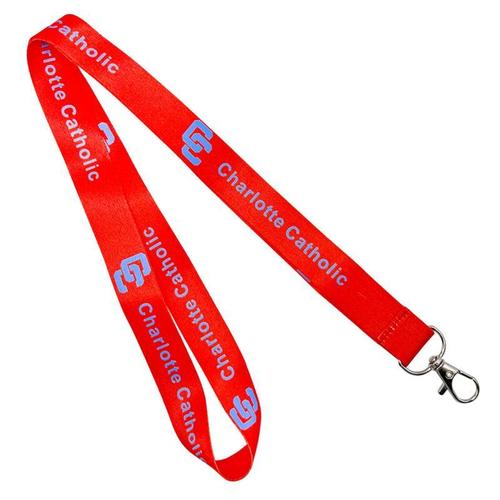
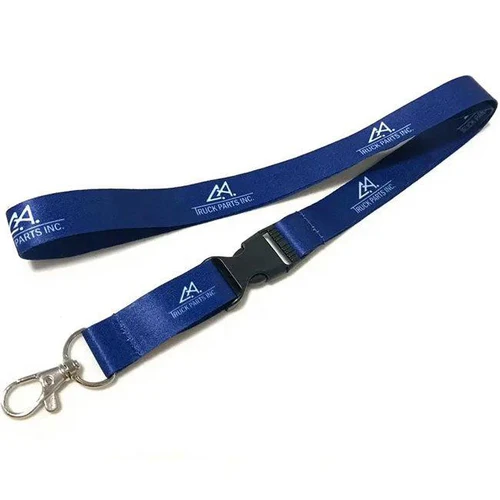
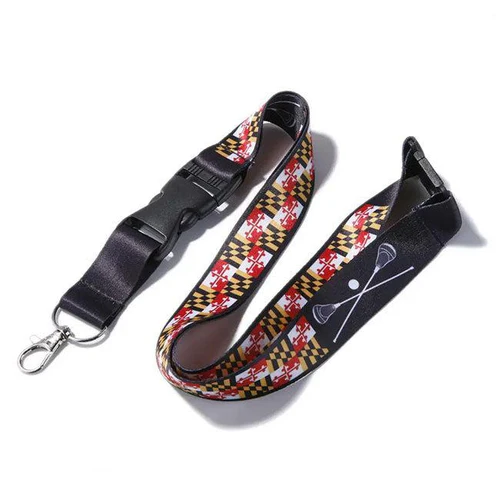
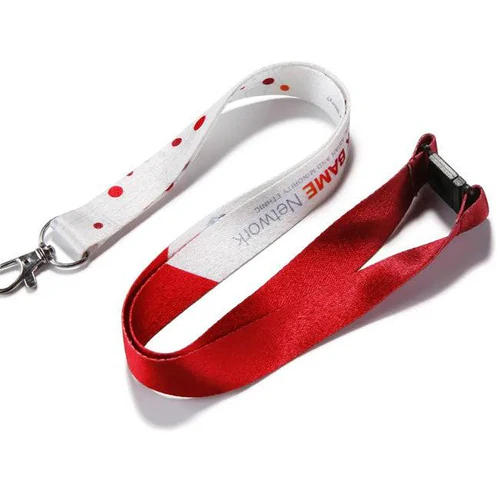
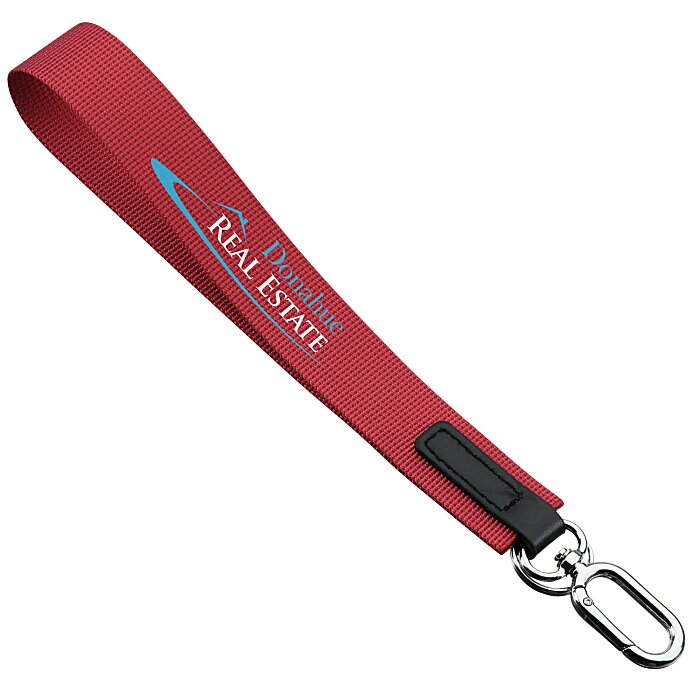
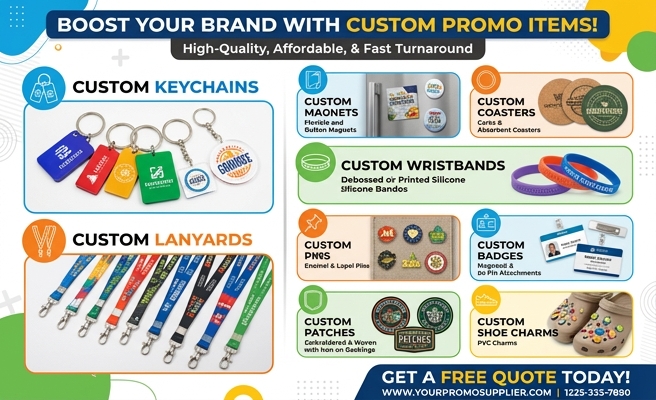
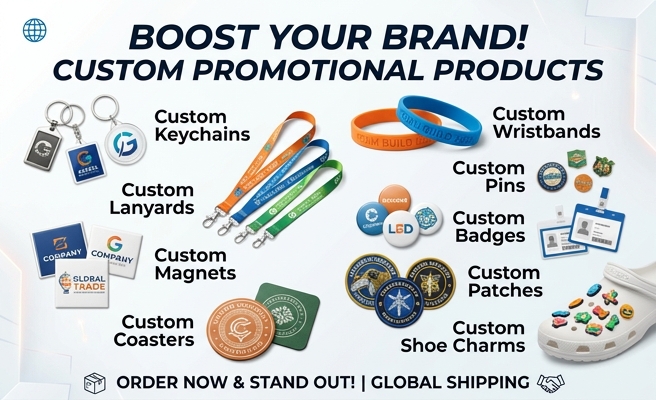
Custom lanyards are wearable straps designed to hold ID cards, keys, access passes, USB drives, whistles, or small tools while displaying a brand, message, or color system. They are commonly produced in polyester, nylon, woven, tubular, or eco-conscious materials, then finished with printed graphics and hardware attachments matched to the use case.
The best lanyard is not just the cheapest one. It is the one that fits how people actually move, clip in, scan, bend, pull, and wear it every day.
Table of Contents
- Choosing the Right Lanyard Material
- Printing Methods and Branding Results
- How Width and Length Affect Comfort
- Attachments, Clips, and Safety Options
- Best Lanyard Types by Industry and Use Case
- How to Design Custom Lanyards That Perform
- Common Mistakes, Risks, and Limitations
- What We Learned from Real Orders at Best Patches
- How to Order with Better Cost Control
Choosing the Right Lanyard Material
Material is the first major decision because it affects print quality, texture, drape, durability, and price. Many buyers focus on artwork first, but the fabric determines whether that artwork looks premium or average.
Polyester lanyards
Polyester is the most common option for custom lanyards because it balances price and performance. It works well for screen printing and dye sublimation, making it a practical fit for events, schools, nonprofits, and company ID programs. It is durable enough for daily wear and usually the best starting point for bulk orders.
Nylon lanyards
Nylon has a smoother, slightly shinier surface than polyester, which can make logos look sharper in certain print applications. It often feels more premium in hand, but it generally costs more. If you want a polished corporate look for executive events or higher-end hospitality settings, nylon may be worth the upgrade.
Tubular lanyards
Tubular styles are made from tube-stitched material that resembles shoelace fabric flattened into a strap. These are often budget-friendly and comfortable, making them useful for short-term conferences, fundraising events, and volunteer programs. The tradeoff is that they usually do not look as refined as sublimated or woven options.
Woven lanyards
Woven lanyards integrate the design directly into the fabric rather than printing it on top. This can improve longevity because the branding resists fading over time. They are excellent when you want a textured, durable result, though they are less ideal for highly detailed logos or gradient-heavy artwork.
Eco-friendly materials
Recycled PET, bamboo fiber, and other lower-impact materials are gaining traction as procurement teams tighten sustainability standards. According to the 2024 Sustainable Procurement Barometer by EcoVadis and partners, sustainability criteria continue to influence supplier selection across global organizations. That means eco-conscious lanyards are no longer niche; in some sectors, they are becoming part of standard vendor evaluation.
Printing Methods and Branding Results
Printing is where many orders either look outstanding or disappoint. The right method depends on the complexity of the design, expected lifespan, order volume, and budget.
Screen printing
Screen printing is a strong choice for simple logos, limited color counts, and bold brand marks. It is cost-effective in volume and easy to read from a distance. If your design is one or two colors with clean shapes, screen printing often gives a crisp, reliable result.
Dye sublimation
Dye sublimation is the most flexible option for complex graphics. It allows full-color artwork, gradients, photo-like detail, and edge-to-edge printing. This makes it especially useful for sports events, conventions, entertainment brands, and campaigns with vibrant visual identities.
Woven branding
Woven branding trades photographic detail for durability and texture. If you want a more tactile, stitched-in look, woven can feel more permanent than surface print. It is a strong option for organizational names, simple logos, and repeated text patterns.
Heat transfer and specialty finishes
Some projects use heat transfer, reflective ink, glow elements, or specialty coatings. These can create standout visual effects, but they should be used carefully. Specialty finishes may increase cost, extend lead times, and create inconsistency if the supplier does not have strong process control.
“The best branding on a lanyard is instantly readable at arm’s length. If people need to rotate the strap or squint to see the name, the design is doing too much.”
How Width and Length Affect Comfort
Size sounds simple, but it has major implications for wearability and logo visibility. The two key dimensions are width and finished length.
Common widths
The most common widths are 3/8 inch, 1/2 inch, 3/4 inch, and 1 inch. Narrower lanyards are lighter and cheaper, but they provide less branding space and can feel less substantial. Wider lanyards offer better logo visibility and a more premium appearance, though they may feel bulky for lightweight use.
- 3/8 inch: Best for minimal branding, lightweight keys, or budget-sensitive giveaways
- 1/2 inch: Good balance for schools, visitors, and light badge use
- 3/4 inch: The most versatile width for corporate and event programs
- 1 inch: Best for large logos, sponsor-heavy designs, and premium visual impact
Common lengths
Standard finished lengths typically fall around 16 to 18 inches folded, though actual specs vary by supplier. A standard adult length works for most badge programs, but specialized settings may call for shorter or breakaway-focused versions. If staff scan badges at chest level all day, length needs to support fast movement without tangling.
Comfort and use patterns
A lanyard worn for eight hours in a hospital or warehouse should be treated differently from one handed out at a weekend expo. Weight distribution, neck comfort, and movement friction all matter. A small hardware change can make a lanyard feel much lighter in practice.
| Business Type | Recommended Material | Best Width | Typical Attachment |
|---|---|---|---|
| Trade show organizer | Dye-sublimated polyester | 3/4 inch | Bulldog clip |
| Hospital system | Soft polyester with breakaway | 1/2 inch | Badge reel + safety breakaway |
| University campus | Woven or polyester | 3/4 inch | Swivel hook |
| Retail staff team | Nylon | 3/4 inch | J-hook |
| Music festival brand | Full-color sublimated polyester | 1 inch | Detachable buckle + lobster clasp |
Attachments, Clips, and Safety Options
Attachments decide how useful the lanyard really is. A beautiful strap with the wrong clip creates friction every day.
Popular attachment choices
Common hardware options include swivel hooks, bulldog clips, lobster clasps, split rings, J-hooks, badge reels, and detachable buckles. The right one depends on what users carry and how often they remove it.
Here is the practical rule: if users regularly tap an ID, unlock a door, or disconnect keys, detachable buckles and badge reels save time. If they only need static display, a simple clip often does the job.
Safety breakaways
Breakaway closures are especially important in environments where snagging is a risk, including schools, healthcare, manufacturing, and child-focused settings. Occupational safety planning has become more detail-oriented in recent years. For many organizations, breakaway hardware is not a nice extra; it is a procurement requirement.
When hardware adds cost without adding value
It is easy to overbuild a lanyard. Double clips, heavy metal parts, and multiple detachable sections sound attractive, but they can increase weight, raise failure points, and push unit cost higher than needed. Start with the use case, not the accessory menu.
“The attachment should solve a behavior. If people remove the badge ten times a day, build for that. If they never do, keep it simpler.”
Best Lanyard Types by Industry and Use Case
Different sectors use lanyards very differently. A campus bookstore promotion has different needs than an airport contractor pass.
Corporate offices and visitor programs
Offices typically need readable branding, moderate durability, and a clip that works with badge holders. Polyester or nylon in 1/2 inch to 3/4 inch widths usually performs well. If visitors and employees use similar lanyards, color coding can improve security and wayfinding.
Events and trade shows
Events prioritize visibility, sponsor branding, and fast production. Sublimation is often the strongest fit because it handles multicolor logos and repeating designs. According to the Center for Exhibition Industry Research, in-person events have continued to rebound, which means event teams are once again investing in branded attendee systems that look polished and organized.
Education and campus life
Schools and universities often need affordability, safety breakaways, and durable hardware for keys and IDs. Student use can be rough, so cheap clips tend to fail early. In this setting, simple and durable usually beats flashy.
Healthcare and secure facilities
Healthcare teams often need easy badge presentation, breakaway safety, and materials that remain comfortable over long shifts. Badge reels can reduce the need to remove the lanyard repeatedly, which is especially helpful in access-controlled spaces.
How to Design Custom Lanyards That Perform
Good lanyard design is not just placing a logo on a strap. It is about repetition, readability, spacing, and contrast.
Design rules that actually help
- Use a logo variation that remains clear at small repeating scale
- Keep text direction consistent across the full length
- Choose contrast that works in real light, not just on screen
- Avoid crowding multiple messages into one short repeat cycle
- Match hardware finish to brand tone when possible
A practical design workflow
- Define the primary use: badge display, keys, security access, or giveaway
- Select material based on branding complexity and wear conditions
- Choose width based on logo readability and comfort
- Pick hardware based on user behavior, not assumptions
- Review a digital proof for spacing, orientation, and repeat pattern
- Request a pre-production sample for large or high-stakes orders
Common Mistakes, Risks, and Limitations
Even experienced buyers make avoidable mistakes with custom lanyards. Most issues come from skipping one of three things: testing, use-case alignment, or hardware review.
Most common ordering mistakes
One major mistake is choosing the lowest price without checking print method and clip quality. Another is approving art that looks fine in a mockup but fails in repetition. A third is ordering a standard lanyard for an environment that clearly needs breakaway safety.
Potential limitations to keep in mind
Not every design should go on a lanyard. Very fine typography, dense legal language, and highly detailed illustrations may not reproduce well. Heavy accessories can also shorten product life by placing stress on stitching and clips. In humid, high-friction, or high-sunlight conditions, some finishes age faster than buyers expect.
According to data from the Advertising Specialty Institute’s 2024 ad specialty research, usefulness remains one of the strongest predictors of promotional product retention. That cuts both ways: if a lanyard is useful, people keep it. If it is uncomfortable or poorly made, they stop using it quickly and the branding disappears with it.
What We Learned from Real Orders at Best Patches
I once worked with a conference organizer who originally requested the cheapest tubular option for a high-visibility tech event. On paper, the savings looked good. But after reviewing the sponsor lineup, we realized the event needed multicolor branding, legible names, and a cleaner retail-style finish. We shifted the order to 3/4 inch sublimated polyester with detachable buckles. The result looked more premium, and the organizers told us attendees were still wearing the lanyards after the event because the clips were actually useful.
In another project at Best Patches, I helped a school program replace a previous supplier’s narrow printed lanyards that had frequent clip failures. We switched them to a softer polyester strap with breakaway safety and a stronger swivel hook. The school did not just reduce replacement requests. Staff also said student IDs were easier to manage during entry because the lanyards hung more consistently and twisted less.
Those projects reinforced a simple lesson: the most effective custom lanyards are usually not the most complicated ones. They are the ones where material, width, print, and hardware are aligned with daily use.
How to Order with Better Cost Control
Price matters, but unit price alone can mislead buyers. The true cost of a lanyard program includes replacements, rush production, design revisions, shipping timing, and whether the product actually gets used.
What affects price most
- Material type and width
- Print method and number of colors
- Attachment complexity
- Order volume
- Sample requirements
- Packaging and fulfillment needs
How to keep costs under control without downgrading quality
Standardize dimensions unless there is a strong reason not to. Limit unnecessary hardware combinations. Keep branding clear and efficient. For larger orders, approve one sample and lock specifications early. If your organization reorders regularly, keep a consistent art file and hardware setup on file to reduce future errors.
For many buyers, the smartest move is to order slightly better quality than the bare minimum. That usually improves retention, reduces failures, and protects the brand impression over time.
Conclusion
The best custom lanyards are built around real use, not just appearance. Material affects feel and print. Width and length affect comfort. Attachments affect daily function. And the right design approach keeps branding readable instead of cluttered.
Best Patches recommends three next steps. First, define the exact job your lanyard needs to do before choosing materials. Second, match the print method to the complexity of your artwork. Third, test hardware and safety features early, especially for high-volume or long-term programs.
If you get those decisions right, a lanyard stops being a throwaway item and becomes a practical branding tool people use every day.
References
- Advertising Specialty Institute, 2024 research: Helped support the point that usefulness strongly affects promotional product retention.
- EcoVadis Sustainable Procurement Barometer, 2024: Provided context on how sustainability criteria increasingly shape supplier selection.
- Center for Exhibition Industry Research, 2024 event data: Supported the discussion around continued investment in in-person event infrastructure and branded attendee materials.
FAQ
What material is best for custom lanyards?
-
Polyester is usually the best all-around choice because it balances cost, print quality, and durability. Nylon feels more premium, tubular works for budget event use, and woven is great when you want long-lasting stitched-in branding.
What is the most common size for lanyards?
-
The most common width is 3/4 inch because it offers a strong balance of comfort and logo visibility. Standard adult lengths usually fall around 16 to 18 inches folded, though exact sizing can vary by supplier and intended use.
Which attachment works best for ID badges?
-
For standard ID badges, bulldog clips and swivel hooks are popular because they are simple and dependable. If users need to scan in frequently, a badge reel or detachable buckle may be more convenient.
Are breakaway lanyards necessary?
-
In many environments, yes. Breakaway lanyards are especially important in schools, healthcare, factories, and child-focused settings where snagging or pulling could create a safety risk.
How are custom lanyards printed?
-
Most custom lanyards are produced with screen printing, dye sublimation, or woven branding. Screen printing works well for simple logos, sublimation is best for full-color graphics, and woven styles offer strong durability with a stitched look.
How much do custom lanyards usually cost?
-
Pricing depends on material, width, hardware, print method, and quantity. Basic bulk lanyards can be very affordable, while premium nylon styles with detachable buckles or badge reels will cost more per unit. Larger order volumes usually lower the unit price significantly.
What file format should I send for custom lanyards artwork?
-
Vector files such as AI, EPS, or SVG are usually the best choice because they keep logos sharp at any size. If vector art is not available, send a high-resolution PNG and ask your supplier whether it is sufficient for production.