 Promotional Products





Why Buyers Still Get Custom Lanyards Wrong
If you have ever ordered custom lanyards that looked great in a mockup but felt cheap in real life, you are not alone. Buyers often focus on logo placement and price first, then realize too late that attachment type, fabric choice, imprint method, and safety features make the real difference in daily use. That gap is exactly why custom lanyards remain one of the most underestimated branded products in events, schools, healthcare, retail, and corporate security.
Best Patches has spent years helping organizations avoid those avoidable mistakes by matching lanyard specifications to the actual environment where people wear them. A trade show badge holder has different demands than a hospital ID system, a warehouse access setup, or a campus onboarding kit. When the product is chosen strategically, it does more than hold a badge. It supports brand consistency, security, comfort, and repeat visibility.
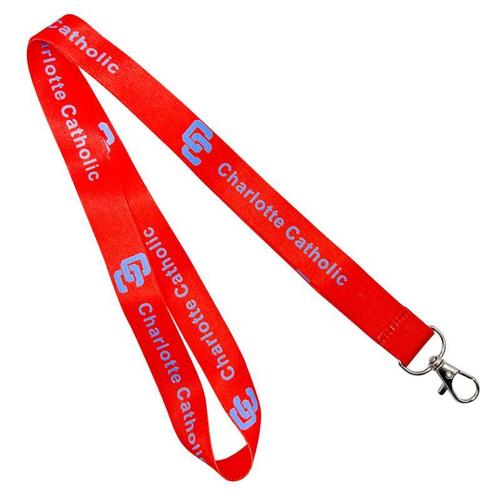
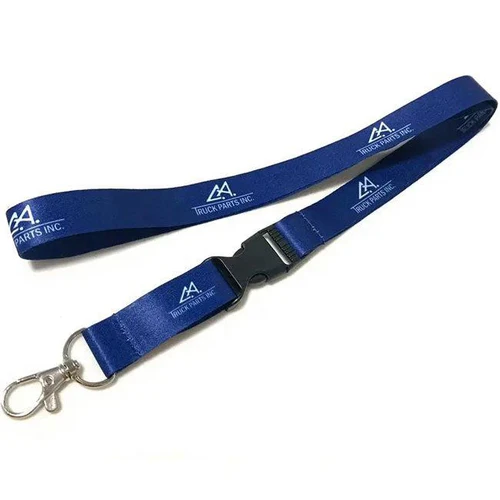
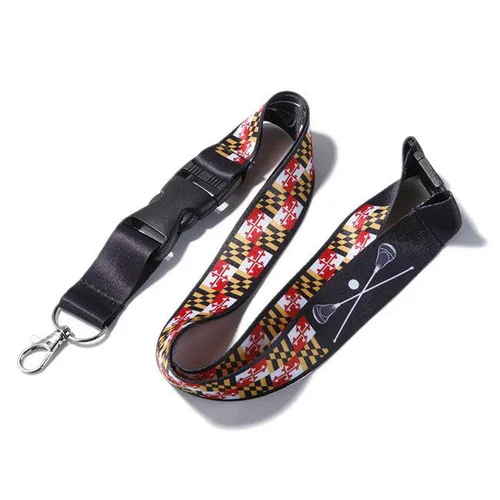
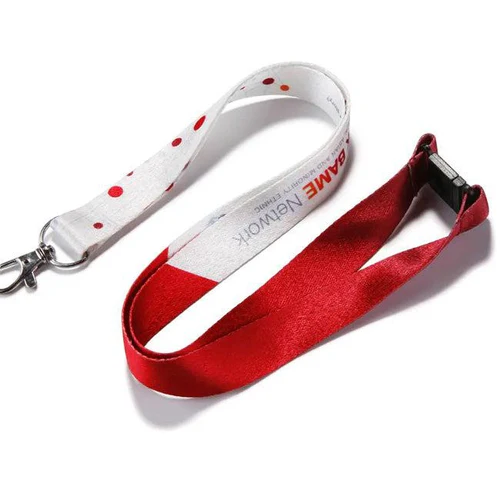
Custom lanyards are branded neck straps designed to hold ID cards, keys, access badges, whistles, USB drives, or small tools. They are typically customized through color, material, print method, hardware, and safety features to fit a specific business or organizational purpose.
At their best, custom lanyards combine function and promotion in one low-cost item. At their worst, they create friction: tangled clips, fading logos, uncomfortable edges, and avoidable security problems. The difference comes down to specification, not just decoration.
Table of Contents
- What the 8-Year Industry Standard Really Means
- Materials, Print Methods, and Hardware Choices
- How Different Industries Use Custom Lanyards
- How to Design Lanyards That People Actually Wear
- A Smarter Procurement Process
- Common Risks, Mistakes, and Limitations
- Firsthand Results From Best Patches Projects
- What Is Changing in 2026
- What to Do Next
What the 8-Year Industry Standard Really Means
When buyers talk about an industry standard for lanyards, they usually mean a practical mix of durability, comfort, branding clarity, and cost control that has proven reliable over time. In the past eight years, the baseline expectation has changed. Clients no longer want a generic polyester strap with a clip. They expect better print sharpness, stronger hardware, safer breakaways, and a material feel that reflects their brand quality.
That shift also aligns with broader buyer expectations around branded merchandise. According to the 2024 ASI Ad Impressions study, promotional products still deliver strong cost-per-impression value compared with many traditional ad formats, especially when the item is functional and used repeatedly. Lanyards fit that pattern because they stay visible in high-traffic spaces such as conventions, schools, hospitals, and offices.
The current standard usually includes:
- Comfortable width, typically 3/4 inch or 1 inch for everyday wear
- Readable branding that remains clear after repeated handling
- Attachment hardware matched to the carried item
- Optional breakaway safety for schools, healthcare, and industrial settings
- Material selection based on use duration, not just budget
- Color consistency that aligns with brand guidelines
“The best lanyard programs start by asking what the user carries and where they wear it, not what color the strap should be.”
That may sound basic, but it is where many bulk orders go off track. A lanyard for a single-day expo can tolerate tradeoffs that would be unacceptable in a year-round employee ID program.
Materials, Print Methods, and Hardware Choices
The material decision affects nearly everything: perceived quality, print finish, comfort, lifespan, and price. There is no single best option for every order.
Polyester, nylon, woven, and dye-sublimated options
Polyester remains the most common choice because it balances affordability and print flexibility. Dye-sublimated polyester works especially well for multicolor logos, gradients, and detailed artwork. Nylon offers a smoother, glossier finish and can look more premium, though it often costs more. Woven lanyards emphasize texture and durability but are less ideal for complex artwork or tiny text.
Tube-style lanyards are another option for casual events and giveaways, but they usually signal a lower-end look compared with flat polyester or premium nylon. For brand-sensitive organizations, feel matters as much as price.
Choosing the right attachment
The clip is not a minor detail. It determines ease of use and long-term satisfaction. Common options include swivel hooks, bulldog clips, split rings, badge reels, and detachable buckles. A heavy key ring on the wrong fabric can create neck fatigue. A weak swivel hook can fail in busy environments. A detachable buckle can speed up scanning in access-controlled spaces.
Safety features and compliance concerns
Breakaway clasps are often worth the small added cost in schools, medical environments, factories, and youth programs. In some contexts, they are more than a nice extra; they are a risk-control measure. OSHA does not publish one universal lanyard rule for branded badge lanyards, but workplace hazard assessments regularly drive accessory choices in industrial settings. That means procurement teams should consult internal safety standards instead of treating all lanyards as simple promo items.
| Business Scenario | Best Material | Recommended Attachment | Why It Works |
|---|---|---|---|
| Trade shows and conventions | Dye-sublimated polyester | Swivel hook | Sharp branding, lightweight, budget-friendly for large runs |
| Hospitals and clinics | Soft polyester with breakaway | Detachable buckle | Safer for patient-facing environments and easier badge access |
| Corporate offices | Nylon | Badge reel or swivel hook | Premium finish that aligns with polished brand presentation |
| Schools and universities | Woven polyester with breakaway | Bulldog clip | Durable for daily use and safer for students and staff |
| Warehouses and factories | Heavy-duty polyester | Detachable buckle | Handles repeated use and helps with practical badge management |
How Different Industries Use Custom Lanyards
Custom lanyards perform differently depending on the environment, and that is where many generic recommendations fall short.
Events and trade shows
For events, visibility is king. Organizers want sponsor logos, attendee category colors, and simple badge attachment. Here, print quality and fast production usually matter more than year-long durability. Lanyards also become a crowd-management tool by visually separating exhibitors, VIP guests, press, and staff.
Education
Schools and universities use lanyards for identification, access, and campus belonging. Breakaway clasps are commonly preferred, and color coding often helps distinguish staff, students, visitors, and contractors. Reorder consistency matters because campuses rarely buy just once.
Healthcare
Hospitals need practical access to credentials, but they also care about hygiene, role identification, and comfort during long shifts. In these settings, detachable designs are often favored because staff frequently scan cards or remove IDs without taking the full lanyard off.
Corporate and security-heavy environments
Office lanyards often sit at the intersection of brand identity and access control. They need to look clean, support daily wear, and avoid fraying over time. According to IBM’s 2024 Cost of a Data Breach Report, physical and organizational access controls remain part of broader risk management because weak identity handling can contribute to operational vulnerabilities. That does not mean a lanyard is a security system by itself, but it does mean your ID accessory should support, not undermine, security protocols.
How to Design Lanyards That People Actually Wear
A visually impressive lanyard can still fail if it twists, scratches, or makes text unreadable. Good design starts with use conditions.
Design rules that hold up in real use
- Use larger logo spacing so branding is visible from different angles
- Keep small text to a minimum, especially on narrow widths
- Choose contrast that remains readable under event lighting or outdoor sun
- Match width to wear time; wider straps often feel better during long shifts
- Select hardware weight that fits the carried item
- Test artwork repetition so no logo appears awkwardly cut at the seam
One common error is forcing full brand guidelines onto a narrow strap. Tiny taglines and multiple secondary logos often become visual clutter. A lanyard is not a brochure. It works best when the main logo, brand color, and function are prioritized.
“If your branding cannot be identified from three feet away, the lanyard is overdesigned.”
A Smarter Procurement Process
Ordering custom lanyards should not be a guessing game. A structured buying process reduces waste, delays, and costly reorders.
A practical ordering workflow
- Define the use case: event, daily staff wear, student IDs, visitor badges, or equipment access.
- Choose the right material and width based on wear time and brand standard.
- Select attachment hardware according to what the user will carry.
- Decide whether breakaway, buckle, or badge reel features are necessary.
- Approve artwork with readability and seam placement in mind.
- Order a sample or pre-production proof for high-stakes programs.
- Plan reorder consistency by documenting specs, Pantone targets, and packaging preferences.
For larger institutions, this process also creates internal alignment between marketing, operations, security, and procurement. That matters because each department tends to optimize for a different outcome: branding, usability, compliance, or cost.
According to a 2025 Deloitte outlook on supply chain resilience, organizations continue prioritizing supplier reliability and specification consistency over purely lowest-cost sourcing in repeat-purchase categories. Promotional accessories are not exempt from that trend. One bad batch can create support headaches across an entire organization.
Common Risks, Mistakes, and Limitations
Custom lanyards are useful, but they are not friction-free. Smart buyers should weigh the limits as carefully as the benefits.
Where orders often go wrong
The first issue is overbuying the wrong style. A low-cost event lanyard may save money upfront, then create a negative brand impression if reused for employee onboarding. The second issue is under-specifying hardware. Buyers often select clips as an afterthought, which leads to broken attachments or awkward user experience. The third issue is ignoring wear comfort. Rough edges, overly narrow straps, and heavy accessories reduce actual usage.
Brand and operational limitations
Lanyards also have context limits. Some upscale retail or hospitality brands may prefer more discreet name badge systems to maintain a certain visual tone. In safety-sensitive work areas, neck-worn accessories may require specific breakaway features or may need to be avoided in certain tasks altogether. And for hybrid workforces, branded lanyards are less visible than they were in office-only setups, so buyers should judge expected exposure realistically.
There is also a sustainability question. If your organization orders large quantities for one-time use and poor storage planning leads to leftover stock, even a low-cost item becomes wasteful. Better forecasting and modular design help reduce that problem.
Firsthand Results From Best Patches Projects
I have seen this play out firsthand with clients who came to Best Patches after disappointing bulk orders elsewhere. One conference organizer needed 8,000 lanyards for a multi-track technology event. Their previous supplier had delivered straps with weak clips and oversaturated print colors that distorted sponsor branding. We rebuilt the spec from the ground up: dye-sublimated polyester for color accuracy, a stronger swivel hook for badge stability, and clearer category color coding for attendees, press, and staff. The result was not just a cleaner look. Registration moved faster because visual identification became easier at check-in points.
In another project, I worked with a regional healthcare network that needed daily-wear lanyards for staff across several facilities. Their old lanyards looked fine on day one but became uncomfortable during long shifts, and many employees stopped wearing them properly. We recommended softer polyester, breakaway safety clasps, and detachable buckles so staff could access credentials quickly without constantly pulling at the strap. After the rollout, the client’s operations lead told us usage compliance improved because the product fit real workflow instead of forcing staff to adapt to a cheap accessory.
These are the details that separate a product catalog purchase from an actual operational solution. At Best Patches, the strongest outcomes usually come from small spec changes that seem minor on paper but matter daily in the field.
What Is Changing in 2026
The 2026 market is not reinventing custom lanyards, but it is refining expectations. Buyers want products that do more with less waste, less friction, and more visual consistency.
Key trends shaping demand
- Higher demand for softer, better-feeling fabrics that support all-day wear
- Cleaner, minimal branding instead of crowded message-heavy designs
- More requests for breakaway and detachable functionality
- Greater interest in recycled or lower-impact material options
- Tighter alignment between lanyards and broader workplace identity systems
Color coding is also becoming more strategic. It is no longer just a design choice; it supports access control, event flow, and role recognition. That is especially useful in environments where people need to identify status quickly without scanning every badge up close.
Another subtle trend is the move toward repeatable brand systems. Organizations increasingly want lanyards that match patches, badges, signage, apparel, and onboarding kits. That integrated approach helps branded merchandise feel intentional rather than random.
What to Do Next
The strongest custom lanyards are not the cheapest, flashiest, or most heavily printed. They are the ones specified for actual use: the right material, the right width, the right clip, and the right safety and branding balance. That is what the 8-year standard really points to: proven decisions that hold up under daily wear and reflect the brand well.
Best Patches recommends three practical next steps:
- Audit your current lanyards by comfort, durability, print clarity, and hardware performance.
- Separate one-time event needs from year-round staff or student use before requesting quotes.
- Request a specification-based recommendation from Best Patches so your order matches the environment, not just the budget target.
References
- ASI Ad Impressions Study 2024 — Provided context on the ongoing value and visibility of promotional products in repeated-use settings.
- IBM Cost of a Data Breach Report 2024 — Supported the discussion around identity handling, access control, and operational security considerations.
- Deloitte Supply Chain Outlook 2025 — Informed the point about supplier reliability, specification consistency, and resilient procurement priorities.
FAQ
What are custom lanyards used for?
Custom lanyards are commonly used to hold ID cards, access badges, keys, and small tools. Businesses, schools, hospitals, and event organizers also use them for branding, crowd management, and quick role identification.
What material is best for custom lanyards?
It depends on the job. Dye-sublimated polyester is a strong all-around option for color-rich branding and bulk orders. Nylon feels more premium, while woven styles work well for simpler logos and daily wear programs.
How wide should custom lanyards be?
For most organizations, 3/4 inch and 1 inch widths are the safest choices. They balance comfort, logo visibility, and everyday wearability better than very narrow options.
Are breakaway lanyards necessary?
They are not mandatory in every setting, but they are strongly recommended for schools, healthcare, youth programs, and many industrial environments. They add a layer of safety with minimal cost impact.
How long do custom lanyards usually last?
A well-made lanyard can last from a single event to a year or more of regular use, depending on material, hardware quality, and how often it is worn. Daily employee programs should prioritize stronger clips and more durable fabric.
How many custom lanyards should I order?
Order based on actual use, plus a modest buffer for new staff, visitors, or event walk-ins. For evergreen programs, documented reorder specs are often more valuable than overstocking a huge first run.
Can Best Patches help with design and specification choices?
Yes. Best Patches can help align material, width, hardware, artwork, and safety features with your intended use case so the final lanyard performs well in real conditions, not just in a digital mockup.