 Promotional Products

Introduction
If your custom lanyards look generic, flimsy, or overcrowded with logos, they do not just miss the mark visually—they waste budget and weaken brand recall. A lanyard is often worn for hours at trade shows, schools, factories, campuses, and corporate events, so every design choice matters more than most buyers expect.
That is why brands turn to experienced partners like Best Patches when they want lanyards that feel intentional, durable, and brand-safe. The right design process helps you avoid common production mistakes, keep artwork readable, choose the correct attachment hardware, and create a product people actually keep using after the event ends.
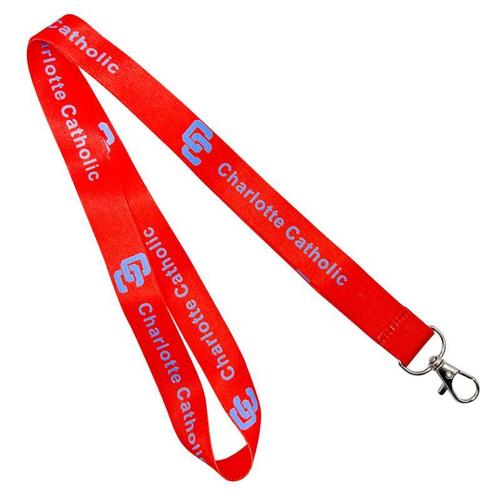
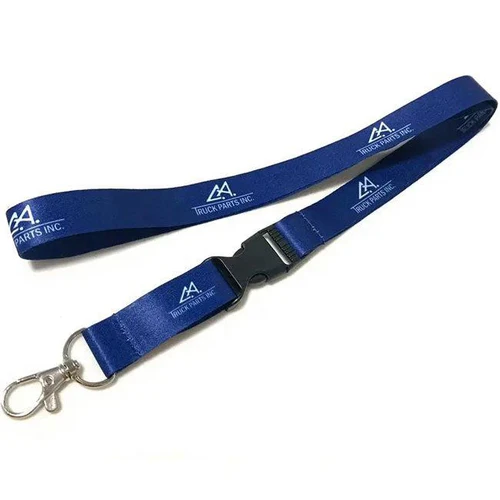
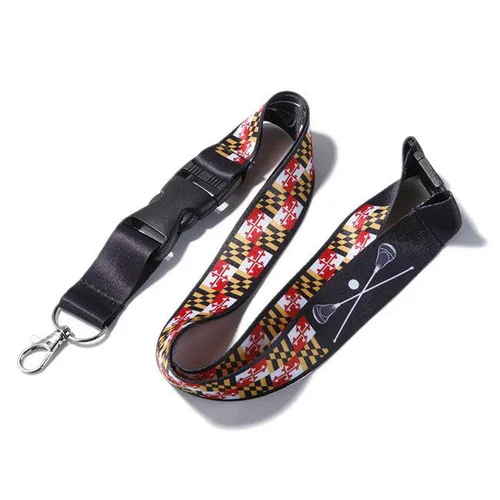
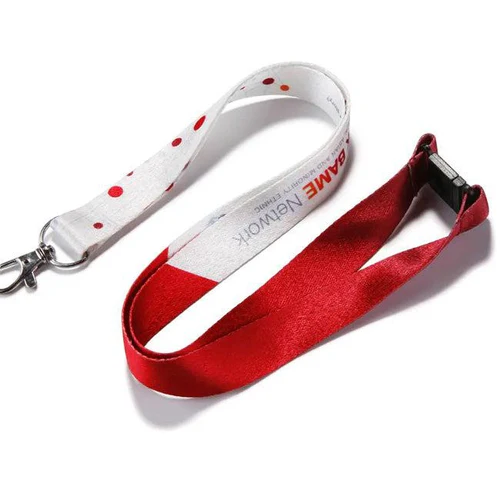
Custom lanyards are wearable straps made to hold badges, keys, ID cards, or access tools while displaying a brand, message, or visual identity. They can be printed, woven, dye-sublimated, or made from specialty materials depending on the use case, audience, and budget.
The best custom lanyards balance function, comfort, and visibility. A great one does not just carry an ID badge—it reinforces trust, organization, and brand consistency every time someone puts it on.
Table of Contents
- Why custom lanyards still matter in 2026
- Start with purpose before you design
- Choose materials and print methods wisely
- Build a layout people can read at a glance
- Select attachments, safety features, and comfort options
- Step-by-step design process from scratch
- Real brand scenarios and a Best Patches case study
- Costs, risks, and quality control checkpoints
- What is changing for lanyards in 2026
- Final thoughts and next actions
Why custom lanyards still matter in 2026
Lanyards are simple, but they sit at the intersection of branding, security, and everyday utility. A badge holder may be mandatory in many environments, yet the lanyard holding it is one of the most visible branded items in the room.
According to the Promotional Products Association International 2024 consumer research, useful promotional products tend to retain stronger recall than disposable handouts because recipients keep and repeatedly use them. That matters for custom lanyards because they are one of the rare branded products people wear publicly and functionally.
At the same time, branding standards are becoming stricter. Marketing teams want consistent Pantone matching, HR teams want employee-friendly comfort, and event planners want fast distribution with fewer mix-ups. That pushes lanyard design away from “just print the logo” and toward a more disciplined system.
“The best promotional products work because they reduce friction in real life. If an item solves a daily need and carries a clean brand message, it outperforms novelty.”
Start with purpose before you design
The biggest mistake is starting with color or artwork before defining the job the lanyard needs to do. A school ID lanyard, a convention giveaway, and a factory access lanyard may all look similar online, but they demand very different specs.
Ask the right planning questions
- Who will wear it: employees, students, visitors, fans, or VIP guests?
- How long will it be worn each day?
- Will it carry an ID, keys, USB, whistle, tool, or multiple items?
- Does the environment require a breakaway safety clasp?
- Is your priority premium appearance, low cost, eco positioning, or fast turnaround?
- Will the text need to be readable from a distance?
These questions shape every downstream decision: width, fabric, print method, attachment type, and even whether a single-sided or double-sided design makes sense.
Match the lanyard to the environment
A hospital may need soft material, clean printing, and anti-microbial preferences. A music festival may care more about bright color, sponsor visibility, and tamper-resistant credential support. A warehouse may prioritize safety release hardware and durability over visual complexity.
Choose materials and print methods wisely
Material and decoration method determine how the final product feels, lasts, and photographs. They also determine whether small text will stay readable or turn into visual noise.
Common lanyard materials
Polyester is the all-around standard. It is cost-effective, durable, and works well for most branded applications. Nylon tends to offer a smoother, slightly shinier finish and can look more premium. Tube lanyards are lightweight and budget-friendly, often used for giveaways. RPET or recycled materials appeal to sustainability-focused organizations and are growing in demand.
According to a 2025 McKinsey report on sustainable packaging and materials decisions, buyer preference for sustainability claims continues to influence procurement across branded merchandise categories, especially in B2B and event sourcing. That does not mean every buyer will pay more, but it does mean recycled material options can strengthen positioning when aligned with audience expectations.
Common decoration methods
Screen printing works well for simple logos and limited-color artwork. Dye sublimation is best for full-color, edge-to-edge graphics and gradients. Woven lanyards offer texture and durability, though they are better for simpler artwork than highly detailed designs. Heat transfer can help with complex visuals but should be reviewed carefully for long-term wear expectations.
| Business Scenario | Best Material | Best Print Method | Why It Fits |
|---|---|---|---|
| Tech conference badges | Polyester | Dye sublimation | Supports sponsor-heavy, full-color branding |
| University student IDs | Soft polyester | Screen printing | Durable, readable, cost-efficient at scale |
| Luxury retail staff use | Nylon | Screen printing | Sleek finish with strong logo clarity |
| Eco-focused nonprofit event | Recycled RPET | Dye sublimation | Supports sustainability messaging and color flexibility |
| Manufacturing floor access | Woven polyester | Woven text/logo | Long-lasting identification in rugged conditions |
Build a layout people can read at a glance
A lanyard is not a brochure. There is limited space, the strap curves when worn, and the design repeats. That means visual hierarchy matters far more than many buyers expect.
Keep the message simple
Use one primary brand element: a logo, a short name, or a short phrase. If you add a website, slogan, social handle, department name, event title, and sponsor lockup all at once, none of it will be legible. In most cases, repeating one clean logo or wordmark performs better than stacking multiple messages.
Choose width with purpose
Three-quarter inch and one-inch widths are common sweet spots. Narrow straps can look elegant but may reduce legibility. Wider straps improve visibility but can feel heavier. If your design depends on a full-color logo or sponsor lineup, a wider lanyard usually works better.
Use contrast aggressively
Dark logos on dark backgrounds and light logos on pale backgrounds remain one of the top production failures. Before approval, test the design by shrinking it and viewing it from several feet away. If the logo disappears, the lanyard will underperform in real use.
“On wearable branding, clarity beats cleverness almost every time. If people cannot identify the brand in two seconds, the design is too busy.”
Select attachments, safety features, and comfort options
The bottom attachment determines whether the lanyard is actually useful. A beautiful strap with the wrong clip can frustrate users every day.
Common attachment options
- Bulldog clip: good for ID badges and standard credentials
- Swivel hook: useful for keys, badge holders, and flexible movement
- Split ring: practical for key-focused use
- Trigger snap: stronger option for heavier attachments
- Detachable buckle: convenient when users need to remove access cards frequently
Do not skip safety considerations
Breakaway clasps are important for schools, healthcare, manufacturing, and any setting where snagging is a realistic risk. Comfort also matters: rough edges, stiff webbing, and poor stitching can turn a low-cost order into a daily complaint source.
Step-by-step design process from scratch
Here is a practical workflow you can use whether you are designing internally or briefing a supplier.
- Define the use case. Decide who will wear the lanyard, what it will hold, and how long it needs to last.
- Set your budget and quantity. Unit price changes quickly based on volume, print method, and hardware.
- Choose width and material. Match comfort, visibility, and durability to the use case.
- Select the print method. Use dye sublimation for full-color complexity, screen printing for cleaner simple artwork, and woven styles for rugged long-term use.
- Create the repeating design. Space logos evenly and check orientation so the artwork reads correctly along the strap.
- Pick hardware and safety features. Confirm clip style, buckle needs, and breakaway requirements.
- Review a digital proof carefully. Check logo size, spelling, seam placement, color accuracy, and attachment positioning.
- Request a sample if the order is high stakes. This is especially important for events, enterprise rollouts, or brand-sensitive campaigns.
- Approve production with lead time buffer. Build in time for shipping, rework, and distribution.
Artwork rules that prevent costly mistakes
Use vector files when possible. Outline fonts. Keep tiny text off narrow lanyards. Avoid placing essential logo details too close to stitching or buckle interruptions. If color accuracy matters, ask for Pantone matching rather than relying on screen previews alone.
Real brand scenarios and a Best Patches case study
I have seen the same pattern repeatedly: teams focus on lanyards late in the event planning process, then rush approvals and accept mediocre results. The fix is almost always upstream clarity.
In one project I worked on with Best Patches, a fast-growing SaaS company needed custom lanyards for a national conference. Their first concept included a gradient background, two sponsor logos, a QR code, a slogan, and a thin white wordmark. On screen, it looked sharp. On an actual strap, it would have been unreadable. We stripped the design down to a bold brand color, repeated the company name in high contrast, widened the strap, and added detachable buckles for badge scanning. The final version looked cleaner and was easier for staff and attendees to use.
On another order, a regional school district came to Best Patches after receiving imported lanyards from another supplier with inconsistent stitching and weak safety clasps. I recommended moving to a softer polyester with breakaway closures and a simpler single-color print. The district did not need flashy decoration; it needed reliability. After the redesign, administrators reported fewer complaints from staff and a more consistent look across campuses.
What these examples teach
Good lanyard design is rarely about adding more. It is about removing friction. That may mean fewer colors, fewer words, stronger clips, or better material. The visual result often looks more premium precisely because the function has been solved first.
Costs, risks, and quality control checkpoints
Custom lanyards are affordable compared with many branded products, but small mistakes can still create expensive waste. If 2,000 units arrive with the wrong clip or unreadable text, the low unit price will not save the campaign.
What affects cost most
- Order volume
- Material choice
- Printing method
- Number of colors or artwork complexity
- Attachment upgrades
- Breakaway and buckle add-ons
- Sampling and rush production
Common risks to watch
Overdesigned artwork reduces readability. Cheap hardware leads to breakage. Missing safety features can create compliance issues. Color mismatch hurts brand standards. Late approval cycles increase rush fees and error rates.
According to a 2024 Deloitte report on supply chain resilience, procurement teams are placing more value on supplier reliability, lead-time transparency, and quality consistency rather than price alone. That logic absolutely applies to branded merchandise. A supplier who communicates clearly and proofs carefully can save far more than a marginal unit discount.
Quality control checklist before approval
Review these items before you sign off:
- Correct logo version and spelling
- Readable contrast at real-world scale
- Confirmed lanyard width and total length
- Correct clip, buckle, and breakaway options
- Print orientation and repeat spacing
- Packaging and distribution requirements
What is changing for lanyards in 2026
The category is evolving in subtle but important ways. Buyers are asking for more sustainable materials, cleaner visual systems, and hybrid utility beyond badge holding. Many organizations now want lanyards that support keys, access cards, small tools, or NFC-enabled credentials without looking bulky.
Color strategy is changing too. Instead of crowded promotional styling, many brands prefer minimalist repetition, tonal palettes, and better material texture. That shift mirrors broader branding trends: fewer elements, stronger recognition.
There is also growing demand for role-based design. Event planners may use separate lanyard colors for staff, press, VIPs, exhibitors, and attendees. Security and operations teams appreciate this because it helps with visual identification at a distance.
Final thoughts and next actions
Designing custom lanyards from scratch is not difficult, but it does require discipline. Start with use case, choose the right material and print method, simplify the message, and confirm hardware based on real behavior—not assumptions. The strongest lanyards are easy to wear, easy to read, and built for the environment they serve.
Best Patches recommends these next actions:
- Audit your current lanyards and identify what users complain about most: comfort, readability, or hardware.
- Create two design versions only: one simple and one premium, then compare them against actual use needs.
- Request a production proof or sample before placing any large event or institutional order.
References
- Promotional Products Association International, 2024 consumer research: supports the value of useful branded merchandise for recall and retention.
- McKinsey, 2025 sustainability and materials research: highlights continued buyer interest in sustainable sourcing and materials decisions.
- Deloitte, 2024 supply chain resilience report: emphasizes reliability, lead-time transparency, and quality consistency in procurement.
FAQ
What are the best materials for custom lanyards?
Polyester is the most versatile choice for price, durability, and print quality. Nylon looks more premium, woven styles work well for rugged use, and recycled RPET is a strong option for eco-focused brands.
How wide should custom lanyards be?
Three-quarter inch and one-inch widths are the most common because they balance comfort and logo visibility. If your design includes full-color artwork or sponsor branding, a wider lanyard usually performs better.
What print method is best for custom lanyards with full-color logos?
Dye sublimation is usually the best fit for full-color logos, gradients, and edge-to-edge graphics. It offers better flexibility than basic screen printing when the design is visually complex.
Do I need a breakaway clasp on a lanyard?
You often do in schools, healthcare, manufacturing, and active work environments. A breakaway clasp adds safety by releasing if the lanyard gets pulled or snagged.
What file format should I send for lanyard artwork?
Vector files such as AI, EPS, or SVG are best because they preserve sharp edges and scalable detail. If you must send a raster file, use a high-resolution PNG and confirm size requirements with your supplier.
How much do custom lanyards usually cost?
Pricing depends on quantity, material, print method, and hardware. Basic bulk orders are usually very affordable, while premium fabric, safety upgrades, detachable buckles, and rush timelines increase the per-unit cost.