 Promotional Products






Introduction
If you are pricing custom lanyards for a school, trade show, nonprofit, hospital, or fast-growing brand, the hardest part is rarely the artwork. The real challenge is balancing unit cost, durability, visual impact, and reorder risk without wasting budget on the wrong construction. A lanyard looks simple, but one wrong production choice can leave you with fuzzy logos, slow lead times, or inventory that feels too cheap for your audience.
That is where Best Patches stands out. As a supplier that works with branded accessories and identity products every day, Best Patches sees the same question come up again and again: should buyers choose custom printed lanyards for lower upfront cost and fast color flexibility, or woven lanyards for a more textured, premium look that may hold up better over time?
Custom lanyards are branded neck straps used to hold ID badges, keys, access cards, and event credentials. They can be customized with logos, slogans, colors, attachments, and safety features, making them both a practical tool and a low-cost branding asset.
For 2026 budgeting, the better choice depends less on price alone and more on design complexity, order volume, wear conditions, and how long the lanyards need to represent your brand in public.
Table of Contents
- What makes printed and woven lanyards different
- How 2026 budgets are changing buying decisions
- Cost comparison by use case
- When printed lanyards win
- When woven lanyards are worth the extra spend
- Risks that buyers often miss
- How Best Patches evaluates the right option
- How to choose in six practical steps
- Final verdict for schools, events, and brands
- References
What Makes Printed and Woven Lanyards Different
Printed lanyards and woven lanyards may look similar from a distance, but they are built in different ways and behave differently once they are in use.
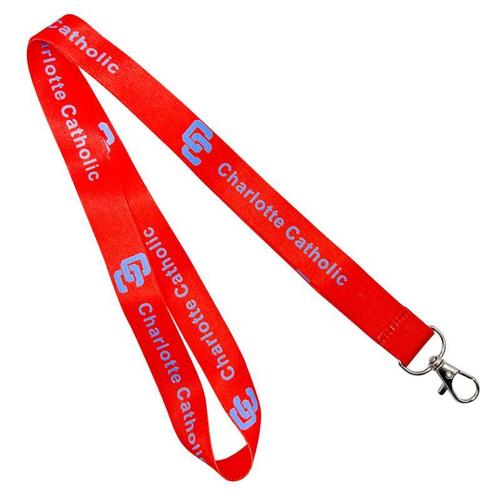
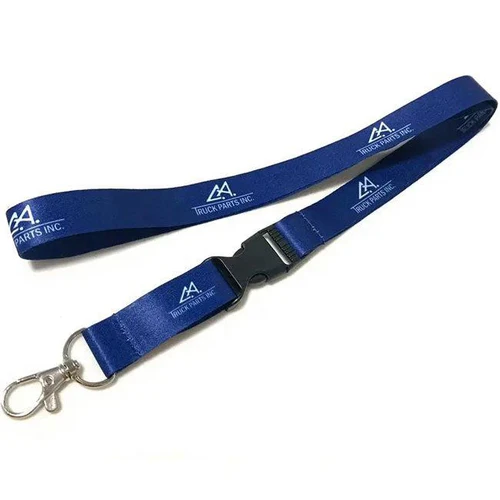
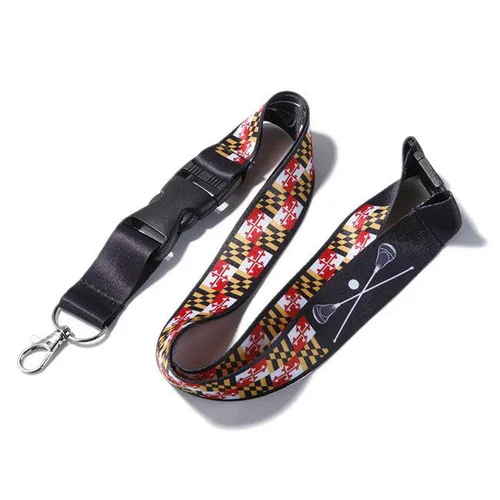
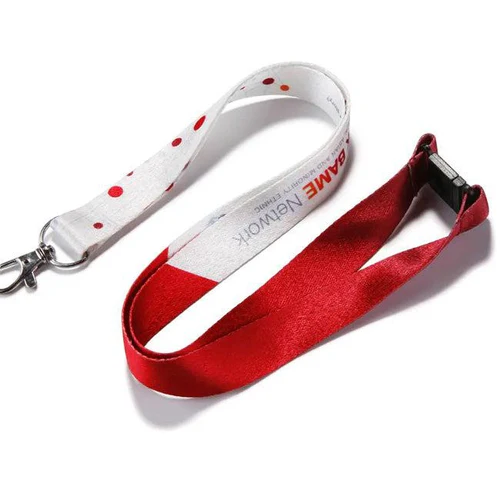
Custom printed lanyards place the logo or artwork onto the surface of polyester or another strap material. Depending on the method, that can mean screen printing, dye sublimation, or heat transfer. This approach is usually better for gradients, small details, multiple brand colors, and quick-turn graphics.
Woven lanyards build the design into the fabric itself by weaving thread into the strap. The result often feels more textured and slightly more dimensional. Woven construction tends to favor bold text, simple logos, and fewer color transitions.
That sounds straightforward, but the budgeting question gets more nuanced fast. A low piece price does not always mean lower total cost. If a printed design fades too early for a multi-month staff program, your replacement cost can wipe out the initial savings. On the other hand, paying extra for woven straps with intricate artwork can be wasted money if your logo loses clarity.
“The best lanyard is not the one with the lowest quote. It is the one that matches the life span, brand visibility, and attachment needs of the program.”
How 2026 Budgets Are Changing Buying Decisions
Buyers in 2026 are under pressure to do more with less. Marketing teams want stronger brand consistency. Operations teams want fewer reorders. Procurement teams want cost certainty. And event planners want a product that arrives on time and still looks good in attendee photos.
According to the Advertising Specialty Institute’s 2024 Ad Impressions Study, practical promo items continue to deliver long-term brand exposure because recipients keep and use them rather than discard them immediately. Lanyards fit that pattern especially well in workplaces, campuses, and conferences where repeat visibility matters.
There is also more pressure around supplier reliability. A 2024 Deloitte procurement outlook highlighted that resilience, lead-time predictability, and total landed cost matter more than sticker price alone for many purchasing teams. That matters for lanyards because attachments, safety breakaways, dye matching, and packaging can all affect final cost.
For many organizations, 2026 budgeting is moving in three clear directions:
- Smaller initial test runs before broader rollout
- Higher demand for brand-accurate colors and cleaner logo reproduction
- Stronger interest in durable products that reduce reorder frequency
- More scrutiny on accessory choices like badge clips, buckles, and breakaways
- Growing requests for recycled polyester or lower-waste production options
Cost Comparison by Use Case
The fastest way to choose between printed and woven is to stop asking, “Which is cheaper?” and start asking, “Cheaper for what kind of use?” Here is the business reality.
| Use Case | Best Fit | Typical Budget Logic | Main Watchout |
|---|---|---|---|
| Three-day trade show with sponsor logos | Printed | Better for multicolor art and faster production | Surface print can scuff if reused heavily |
| University student ID program | Woven | Longer wear can justify slightly higher upfront cost | Fine mascot details may not render cleanly |
| Hospital visitor badges | Printed | Frequent short-use orders favor flexible artwork updates | Need strict attachment and safety review |
| Manufacturing staff access cards | Woven | Daily wear supports investment in durability | Rough environments may require special hardware |
As a rule, printed lanyards often have the lower setup barrier for complex branding, while woven lanyards can offer better value over a longer service life if the artwork is simple enough to weave cleanly.
When Printed Lanyards Win
Printed lanyards are usually the strongest option when visual flexibility is the top priority. If your brand identity uses multiple colors, gradients, social handles, sponsor marks, QR elements, or small text, printing gives you more freedom than weaving.
They also tend to work well when you need:
- Short-term event credentials
- Campaign-specific messaging
- Frequent artwork changes
- Fast reorder cycles
- Photo-friendly brand color accuracy
At Best Patches, I once worked on a conference rush order where the sponsor lineup changed less than two weeks before production. The client needed several colors, legible secondary marks, and fast approval. We recommended a printed option because woven construction would have simplified the art too much and slowed revision handling. The finished run looked sharper on camera and kept the project inside the event budget.
Printed lanyards can also support cleaner edge-to-edge branding if you choose dye sublimation. That can make a simple accessory feel more current, especially for tech brands and youth-oriented organizations.
Still, they are not flawless. If the lanyard will rub against rough surfaces, be clipped to heavy gear, or be worn daily for long periods, surface printing can show wear faster than a woven pattern. This is where buyers get tripped up: the design looks excellent on day one, but the replacement cycle becomes expensive.
When Woven Lanyards Are Worth the Extra Spend
Woven lanyards make the most sense when your design is simple and your use period is long. Think company names, short slogans, basic icons, and straightforward school branding. Because the design is integrated into the strap, woven lanyards often hold their visual integrity better under repeated use.
That makes them a strong fit for:
- Employee ID programs
- Campus security and student IDs
- Membership organizations
- Industrial or operations teams
- Brands that want a more tactile, stitched appearance
Woven styles can also feel more premium to the touch, which matters if you want your accessory program to reinforce stability and quality. A law firm, university, or manufacturer may prefer that understated look over a brighter printed finish.
I saw this firsthand on a long-term staff identification project at Best Patches. The client originally leaned toward printed custom lanyards because the quote looked better at first glance. After reviewing how often the staff would wear them, where they would be used, and how often replacements had been ordered in the prior year, we shifted them to woven. The initial spend was slightly higher, but the client reduced reorders over the following cycle and felt the straps looked more professional in daily use.
“If your logo has to survive thousands of wears instead of a weekend event, durability starts to behave like a budget line item, not just a quality preference.”
Risks That Buyers Often Miss
Most budget mistakes happen before production begins. Buyers compare quotes but skip the variables that actually drive cost later. Here are the most common issues.
Design complexity mismatch
If you choose woven for a logo with thin lines or subtle gradients, the brand can lose clarity. If you choose printed for a high-friction workplace, wear may show earlier than expected. The wrong method creates hidden cost through dissatisfaction or reordering.
Attachment hardware inflation
A basic swivel hook is one thing. Add badge reels, double clips, detachable buckles, breakaways, or metal crimp upgrades, and your per-unit cost changes fast. Sometimes buyers save a few cents on strap construction and then overspend on hardware they did not scope carefully.
Lead time assumptions
Rush orders are expensive, but poor forecasting is even more expensive. According to the 2025 PPAI research on distributor and supplier priorities, delivery reliability and communication remain among the most important factors in promotional product purchasing. A lanyard order that misses an event date has near-zero value, even if the quote was attractive.
Overlooking user comfort
Width, fabric feel, and weight matter. A narrow strap may cut costs but feel flimsy. A heavier woven strap may be ideal for daily badge use but unnecessary for a three-day event. Comfort affects whether people keep using the lanyard, which affects branding lifespan.
How Best Patches Evaluates the Right Option
At Best Patches, the strongest projects usually start with context, not catalog pages. We look at how the lanyard will be used, who will wear it, how long it must last, and what visual job it needs to do. Only after that do we narrow the method.
Our internal evaluation usually centers on four filters:
- Brand detail: Does the logo require full-color precision or can it be simplified?
- Usage cycle: Is this a short campaign item or a long-term operational tool?
- Wear conditions: Office, campus, healthcare, industrial, or outdoor exposure?
- Budget profile: Is the client optimizing for lowest initial spend or lowest total replacement cost?
That process sounds basic, but it changes recommendations quickly. A startup expo may get more value from printed custom lanyards because brand visibility and photo clarity matter most. A school district may do better with woven because the product has to hold up across semesters.
How to Choose in Six Practical Steps
If you need a decision that survives both procurement review and real-world use, follow this process.
- Define the life span. Estimate whether the lanyard will be used for days, weeks, or months.
- Audit the artwork. Check if your design has gradients, fine text, or multiple logos that demand print clarity.
- Set a realistic landed budget. Include attachments, packaging, freight, and possible rush fees.
- Match the audience. Students, visitors, staff, and VIP guests often need different look-and-feel standards.
- Review replacement risk. A cheaper strap is not cheaper if it needs frequent reordering.
- Approve a proof at actual size. This is where logo legibility and material fit become obvious.
Final Verdict for Schools, Events, and Brands
For 2026, printed lanyards are usually the better buy when you need color flexibility, sharper detail, lower entry cost, and faster campaign changes. Woven lanyards are often the smarter spend when your branding is simple, your users wear them daily, and durability matters more than graphic complexity.
Put another way: printed wins on design freedom and short-term agility; woven wins on tactile quality and longer-use value.
If you are still deciding, here is the simplest rule. Choose printed for event-heavy, multi-logo, or highly visual programs. Choose woven for long-term staff, student, or member identification where the design can stay bold and clean.
Conclusion
Choosing between printed and woven custom lanyards is really a decision about total value, not just unit price. Printed styles tend to stretch a 2026 budget further when branding needs are complex or time-sensitive. Woven styles tend to earn their keep when the design is simple and the wear cycle is long.
Best Patches recommends these next actions:
- Send your logo and intended use case for a method check before requesting final pricing.
- Compare quotes based on total delivered cost, including hardware and replacement expectations.
- Request a proof or sample at real size so your team can confirm readability, feel, and perceived quality.
References
- Advertising Specialty Institute, 2024 Ad Impressions Study — Supported the point that practical promotional products can deliver repeated brand exposure over time.
- Deloitte, 2024 procurement and supply chain outlook reporting — Informed the discussion around resilience, landed cost, and lead-time reliability in buying decisions.
- PPAI Research, 2025 supplier and distributor priorities insights — Backed the point that delivery reliability and communication remain key factors in promotional purchasing.
FAQ
Are printed or woven custom lanyards cheaper?
-
Printed lanyards are often cheaper upfront, especially for multicolor designs and event orders. Woven lanyards can cost a bit more initially, but they may offer better value for long-term daily use because the design is built into the strap.
Which option is better for logos with small text?
-
Printed lanyards are usually better for small text, gradients, and detailed logos. Woven lanyards work best with bold lettering and simple graphics because fine details can get lost in the stitching.
How long do custom lanyards usually last?
-
Life span depends on material, hardware, and daily wear. As a general rule:
Printed event lanyards may last through short campaigns with no issue
Woven staff lanyards often hold appearance better over longer periods
Heavy attachments or rough environments can shorten the life of either style
What attachments should I add to a lanyard order?
-
The best attachment depends on how the lanyard will be used. Common choices include:
Swivel hooks for badge holders or keys
Breakaway safety clasps for schools, healthcare, and active workplaces
Detachable buckles for staff who need to remove access cards quickly
Double clips for wide credential holders that need more stability
Are woven lanyards more durable than printed ones?
-
Often, yes, especially for simple designs used in daily wear programs. Because the pattern is woven into the fabric, the look can stay cleaner over time. That said, overall durability still depends on strap thickness, edge finishing, and hardware quality.
How many custom lanyards should I order for the best price?
-
Bulk pricing usually improves at higher quantities, but the right order size should reflect your actual usage. A smart buying approach is to:
Estimate real demand for the next quarter or semester
Add a small overage for new hires, lost badges, or event walk-ins
Avoid ordering so many that branding updates make old stock unusable