 Promotional Products





Why So Many Lanyard Orders Go Wrong
If you are shopping for custom lanyards, the biggest risk is not paying a little too much. It is ordering the wrong product, missing a deadline, or ending up with cheap-looking lanyards that weaken your brand instead of supporting it. Buyers often focus on unit price first, then realize too late that print quality, attachment hardware, safety features, and proofing errors can create expensive problems.
That is where an experienced supplier matters. Best Patches has worked with schools, event teams, nonprofits, retail brands, and corporate buyers that needed lanyards to do real work: hold credentials securely, survive heavy daily use, match brand colors accurately, and arrive on time. The pattern is consistent. Most bad orders trace back to a handful of preventable mistakes.
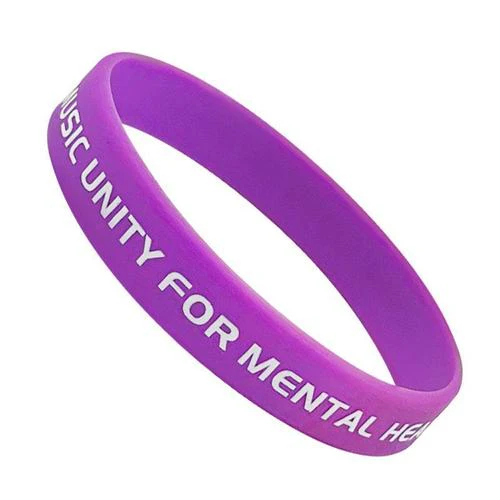
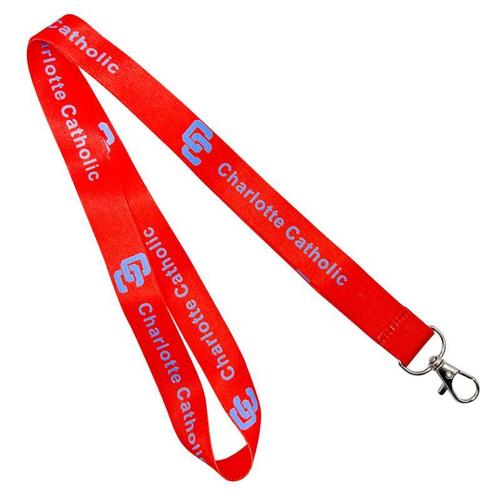
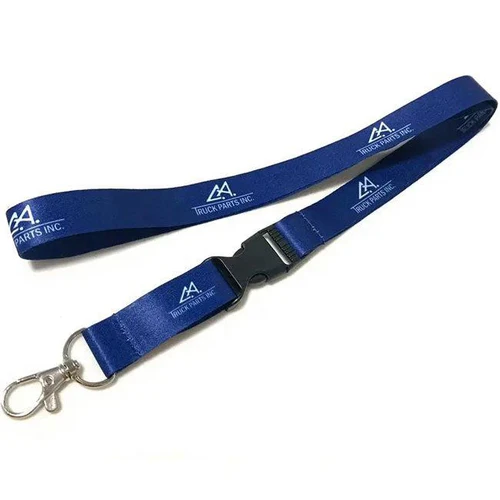
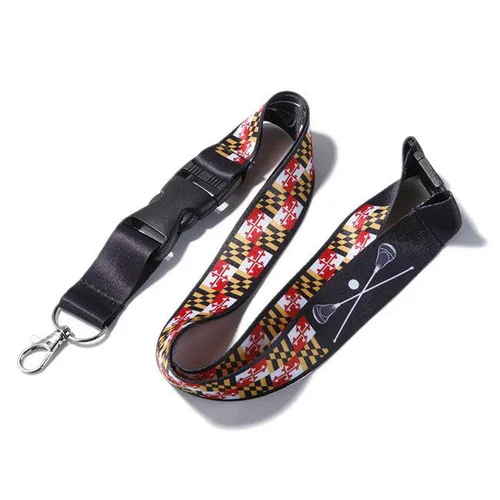
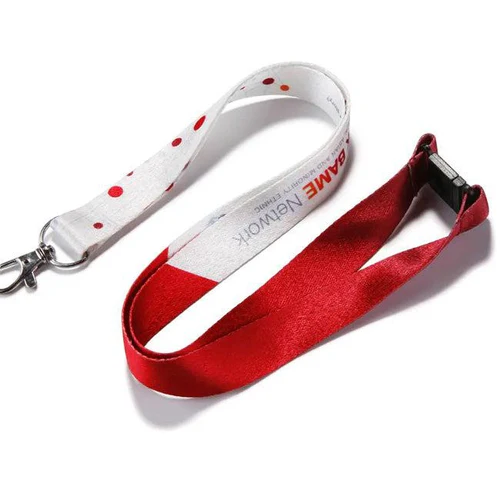
Custom lanyards are branded neck straps used to carry ID badges, keys, event passes, access cards, or small tools. They can be made from polyester, nylon, woven fabric, or eco materials, then customized with logos, slogans, colors, and hardware to fit a specific brand or use case.
Buying well means looking beyond the artwork. You need the right material, print method, attachment, safety breakaway, and production timeline. Once those pieces line up, custom lanyards become one of the simplest branded products to use, distribute, and remember.
Table of Contents
- Why custom lanyards still deliver strong brand value
- Mistake buyers make when they chase the lowest price
- Mistake buyers make when they choose the wrong material
- Mistake buyers make when they ignore hardware and safety
- Mistake buyers make when they approve weak artwork
- Mistake buyers make when they underestimate lead times
- How to compare lanyard options by business scenario
- A simple ordering process that reduces risk
- What Best Patches has learned from real client projects
- Final buying checklist before you place your order
Why Custom Lanyards Still Deliver Strong Brand Value
Custom lanyards are not flashy, but they are highly practical. That matters. According to the 2024 ASI Ad Impressions Study, usefulness remains one of the strongest reasons people keep and use promotional products. A lanyard worn at a conference, school campus, warehouse, hospital, or trade show keeps your logo visible for hours at a time instead of for a few seconds.
They also support operations, not just branding. A well-built lanyard helps teams identify staff, control access, reduce lost badges, and improve the attendee experience at busy events. When a product improves both workflow and visibility, it tends to outperform novelty items that get tossed into a drawer.
“The best promotional product is often the one people do not think about because it simply works every day. Lanyards sit in that sweet spot between utility, safety, and repeat brand exposure.”
That said, value depends on fit. The wrong lanyard can tangle, fray, fade, irritate skin, or fail under pressure. So the goal is not just to buy custom lanyards. The goal is to buy the right ones for the job.
Mistake Buyers Make When They Chase the Lowest Price
The cheapest quote often hides the highest total cost. Low-end suppliers may use thinner fabric, weak swivel hooks, off-brand dye lots, or looser print tolerances. On paper, the order looks efficient. In practice, you may deal with fading logos, broken clips, tangled cords, reorders, and frustrated staff.
Price also gets distorted when buyers compare unlike products. A 3/4-inch polyester screen-printed lanyard with a split ring is not directly comparable to a 1-inch dye-sublimated lanyard with a bulldog clip, safety breakaway, and badge reel. If you do not standardize specifications before requesting quotes, the “best deal” can be meaningless.
What to compare instead of unit price alone
- Material type and thickness
- Width and finished length
- Printing method and color fidelity
- Attachment hardware quality
- Safety breakaway inclusion
- Proofing and revision process
- Production time and shipping method
- Defect replacement policy
At Best Patches, I have seen buyers save a few cents per piece and then spend far more replacing badges because the attachment clip bent during a three-day event. Those are not savings. They are delayed costs.
Mistake Buyers Make When They Choose the Wrong Material
Material choice shapes comfort, durability, print quality, and brand perception. Many buyers pick a material based only on the sample image they saw online. That is risky because polyester, nylon, woven, tubular, and recycled PET all behave differently.
How materials change the result
Polyester is the common all-around choice. It balances price, printability, and durability. Nylon usually looks smoother and can produce a more polished finish, which works well for corporate branding. Woven lanyards emphasize texture and long-term durability but may not capture highly detailed artwork as cleanly. Tubular styles are budget-friendly and comfortable, but they tend to look more basic. Recycled PET supports sustainability goals and is increasingly requested by schools, nonprofits, and mission-driven brands.
A 2025 McKinsey report on consumer sentiment around sustainability noted that many buyers continue to favor brands that offer lower-impact material choices when quality is not sacrificed. That does not mean every order needs an eco material. It means your choice should align with your audience and brand values.
When the wrong material hurts the order
If your logo has gradients, tight detail, or multiple brand colors, a low-detail material can blur the artwork. If your staff wears lanyards every day, rougher or stiffer material can become annoying fast. If your use case involves outdoor heat or frequent abrasion, low-grade fabric may fade or fray sooner than expected.
Mistake Buyers Make When They Ignore Hardware and Safety
Hardware is where many orders quietly fail. The fabric gets attention because it carries the logo, but the attachment does the actual work. If that part is wrong, your lanyard becomes inconvenient at best and unsafe at worst.
Hardware should match the use case
A split ring is ideal for keys. A swivel hook is common for ID holders. A bulldog clip works well for credentials. A badge reel helps when cards need to be scanned frequently. Trigger snaps can support heavier items, but they are often overkill for simple badges.
Safety matters too. In schools, factories, hospitals, and active event spaces, breakaway clasps are often the smarter choice because they reduce the risk of snagging. Not every setting requires them, but skipping that discussion entirely is a mistake.
“A beautiful lanyard with the wrong attachment is like a premium bag with a broken zipper. It may photograph well, but it fails in real use.”
Questions to ask before approving hardware
- What item will the lanyard carry every day?
- How often will users remove or scan the badge?
- Does the environment require a safety breakaway?
- Will the clip scratch, bend, or corrode under normal use?
- Do you need a detachable buckle for convenience?
Deloitte’s 2024 Global Marketing Trends research emphasized measurable customer experience and operational friction reduction. That applies here more than many buyers realize. If staff members keep taking lanyards off because they are awkward to use, your branding disappears with them.
Mistake Buyers Make When They Approve Weak Artwork
Most production issues start before manufacturing. They start in the file. Low-resolution logos, incorrect Pantone expectations, poor spacing, tiny text, and unbalanced repeats can turn a promising concept into a muddy final product.
Design rules that protect your brand
Lanyards are narrow, flexible products. That means your design has to read clearly at a distance and still look clean when the strap twists. Simple, repeated logo layouts usually outperform crowded graphics. Fine print and intricate icons often disappear once the lanyard is moving.
Best practice includes vector artwork, enough spacing between repeated logos, and choosing colors that maintain contrast against the base fabric. If your brand standards are strict, request a physical sample or at least a high-quality digital proof that shows scale, not just flat artwork.
My experience fixing a proof before production
I remember a university order at Best Patches where the client wanted both a seal and a long departmental name repeated on a narrow lanyard. The first proof looked acceptable on screen, but I knew the small typography would collapse at actual size. We recommended simplifying the repeat to the seal on one side and an abbreviated department name on the other. The final run looked cleaner, read faster, and avoided a reprint that would have delayed move-in week.
Mistake Buyers Make When They Underestimate Lead Times
Lanyard buying tends to become urgent at exactly the wrong moment: before a trade show, before orientation, before a fundraiser, before a security update, or right before a seasonal hiring push. That is why lead time errors are so common.
Production timing is not just “factory time.” It includes quoting, proof revisions, sample approval, material availability, attachment sourcing, production slotting, shipping, customs when relevant, and buffer time for defects or weather delays. A rush order can be done, but it usually costs more and limits your options.
Use this ordering sequence to reduce mistakes
- Define the use case, audience, and quantity.
- Choose width, material, print method, and hardware.
- Confirm whether you need a breakaway, buckle, or badge reel.
- Submit vector artwork and brand color requirements.
- Review a scaled proof carefully, not just the logo itself.
- Approve production with buffer time before your event or rollout.
- Inspect the shipment as soon as it arrives.
When buyers follow a sequence like this, they usually avoid the panic fees and avoidable compromises that come with last-minute ordering.
How to Compare Lanyard Options by Business Scenario
Different organizations need different lanyards. A school district, a software conference, a retail team, and a warehouse operation should not all buy the same style. The table below shows how use case should drive the recommendation.
| Business Scenario | Best Material | Recommended Hardware | Why It Works |
|---|---|---|---|
| Trade show exhibitor team | Dye-sublimated polyester | Swivel hook + badge reel | Sharp branding and easy badge scanning all day |
| K-12 school staff | Soft polyester or recycled PET | Breakaway clasp + swivel hook | Comfort and improved safety in active environments |
| Warehouse and logistics team | Durable woven or heavy polyester | Breakaway + detachable buckle | Handles repeated use and supports access-card removal |
| Nonprofit fundraiser volunteers | Tubular polyester | Bulldog clip | Budget-friendly for short-term event credentials |
This is why one-size-fits-all recommendations rarely hold up. A smart supplier asks what the lanyard needs to do before suggesting what it should look like.
What Best Patches Has Learned From Real Client Projects
At Best Patches, we once worked with a regional healthcare group that needed custom lanyards for rotating staff, visiting specialists, and event volunteers. Their original plan was to buy a single low-cost style for everyone. After talking through the workflow, we split the order into two formats: a breakaway lanyard with badge reel for clinical staff and a simpler hook style for temporary event use. The unit price on the premium version was higher, but their overall spend made more sense because they stopped overbuying features where they were not needed.
In another project, I helped a fast-growing startup prepare for a major expo. They initially approved a dark logo on a dark strap because it looked sleek in the mockup. I pushed for a stronger contrast treatment and wider strap. Once printed, the revised version stood out from across the booth aisle. Their team later told us attendees repeatedly asked for extra lanyards, which turned a functional item into a brand takeaway.
Those projects reinforced a simple rule: the best lanyard is not the one with the longest feature list. It is the one that fits the environment, the user behavior, and the brand objective.
Final Buying Checklist Before You Place Your Order
If you want to avoid the five costly mistakes above, pressure-test the order before you approve it. Buyers who do this tend to get better results with fewer revisions and fewer surprises.
Use this pre-order checklist
- Confirm the exact use case: badges, keys, passes, or mixed use.
- Choose material based on comfort, print needs, and durability.
- Match hardware to the carried item and user behavior.
- Decide whether safety breakaways are required.
- Review artwork at actual scale, not only in a large mockup.
- Verify color expectations and proof approval steps.
- Build in time for shipping and possible revisions.
- Ask for an all-in quote, not just base price.
The upside is real. When custom lanyards are specified correctly, they are low-friction, long-use, and cost-effective. When they are bought carelessly, they become one more rushed order that nobody wants to repeat.
Conclusion
Buying custom lanyards well comes down to discipline: do not chase price without comparing specs, do not guess on materials, do not overlook hardware and safety, do not approve weak artwork, and do not treat lead time as an afterthought. Those five areas account for most of the preventable cost and frustration buyers face.
Best Patches recommends three practical next steps:
- Start with your use case and user group before you request quotes.
- Ask for a proof that shows real scale, hardware, and color expectations.
- Place your order early enough to protect quality instead of paying for panic.
References
- Advertising Specialty Institute, 2024 Ad Impressions Study — Used for context on why useful promotional products tend to be retained and noticed.
- McKinsey, 2025 consumer sustainability reporting — Referenced for broader buyer preference toward more sustainable material choices when quality remains competitive.
- Deloitte, 2024 Global Marketing Trends — Cited for the importance of reducing friction and improving measurable experience in branded touchpoints.
FAQ
What material is best for custom lanyards?
It depends on your goal. Polyester is the most balanced choice for price and print quality, nylon looks more polished for premium branding, woven styles hold up well for long-term use, and recycled PET is a strong option for eco-conscious programs.
How wide should a lanyard be?
3/4 inch is a popular middle ground for everyday badges, while 1 inch gives your logo more visibility and feels more substantial. Narrower widths can save money, but they are less effective for detailed artwork.
Do I need a breakaway clasp on custom lanyards?
Often, yes—especially in active environments. Breakaways are commonly recommended for:
Schools and universities
Healthcare facilities
Warehouses and production floors
Events where snagging risk is higher
How much do custom lanyards usually cost?
Pricing varies by quantity, material, print method, and attachments. A simple bulk order may start around the low end, while premium builds with reels, buckles, or complex printing cost more. Always compare the all-in cost, including setup, shipping, and rush fees.
What artwork file should I send for lanyard printing?
Vector files such as .AI, .EPS, or .SVG are usually best. You can also send a high-resolution PNG if your supplier allows it, but vector art gives cleaner edges, easier color control, and fewer production issues.
What is a good turnaround time for custom lanyards?
A safe timeline is usually two to four weeks for standard production, with extra time for proof revisions or freight delays. If your order is tied to a fixed event date, add buffer time rather than relying on rush service alone.