 Promotional Products




Why Supplier Selection Matters
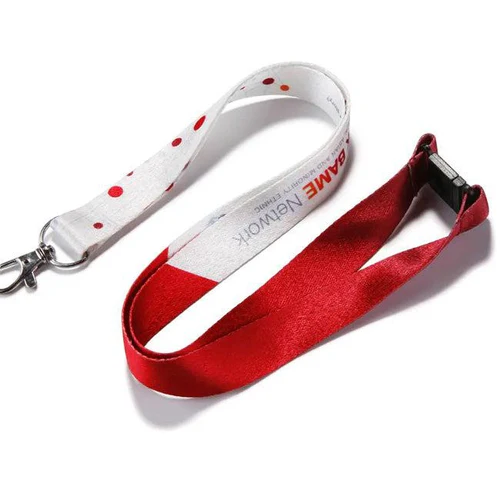
If you are sourcing custom lanyards for events, schools, corporate security, retail merch, or employee onboarding, the wrong supplier can turn a simple order into a budget leak. Colors shift, clips break, shipping slips, and what looked good in a digital proof can feel cheap in a real hand. That matters because lanyards are not just accessories. They carry IDs, represent your brand, and often become a daily-use item.
That is why experienced buyers increasingly treat supplier selection as a strategic decision rather than a commodity purchase. At Best Patches, we have seen clients save money not by choosing the lowest quote, but by choosing the supplier with the strongest process control, proofing discipline, and delivery reliability.
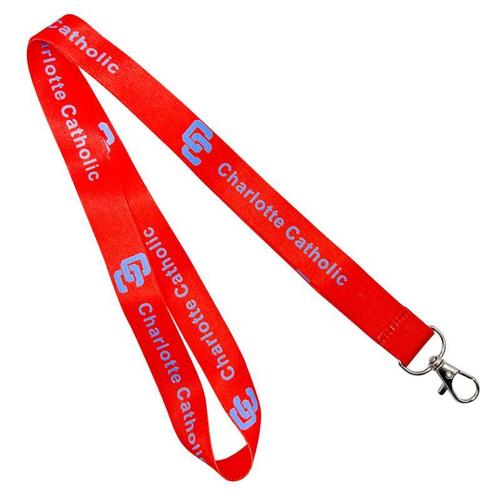
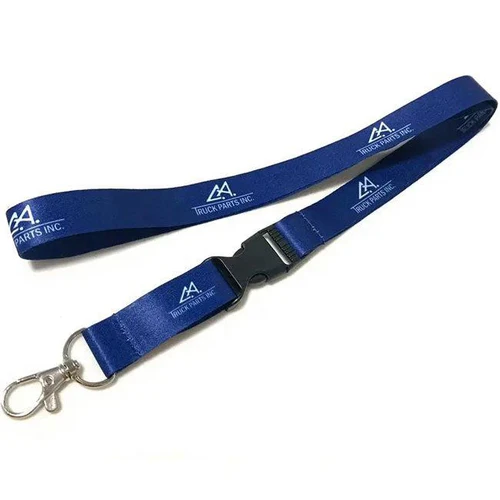
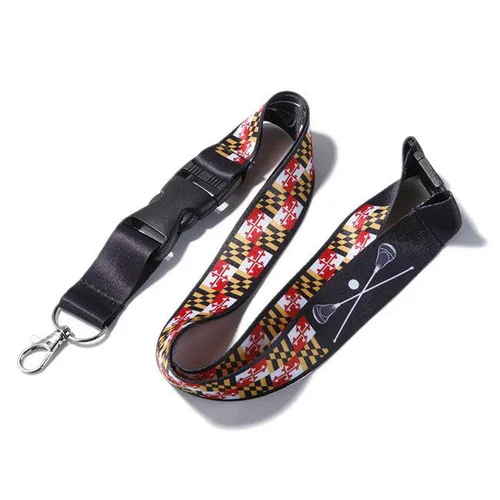
Custom lanyards are branded neck straps or badge holders made to carry identification cards, keys, access passes, or promotional messaging. They can be produced in polyester, nylon, woven, dye-sublimated, tubular, or eco-conscious materials, with different attachments, safety breakaways, and print methods depending on the use case.
In 2026, the buying bar is higher. Procurement teams want compliance, marketers want visual consistency, event teams want speed, and operations managers want products that do not fail halfway through a conference or school year. The seven criteria below will help you evaluate suppliers with a buyer’s eye, not just a shopper’s eye.
Table of Contents
- Manufacturing Capability and Material Fit
- Print Quality, Hardware, and Durability
- Compliance, Safety, and Risk Control
- Pricing Transparency and Total Cost
- Lead Times and Supply Chain Reliability
- Customization Depth and Proofing Support
- Communication, Scalability, and After-Sales Support
- Which Supplier Type Fits Which Buyer
- How to Vet a Supplier Before a Large Order
Manufacturing Capability and Material Fit
The first thing to evaluate is not price. It is whether the supplier actually makes the kind of lanyard your project requires. A supplier that is excellent at polyester screen-printed lanyards may not be strong at woven text, eco materials, detachable buckles, or high-detail dye sublimation.
Ask what they produce in-house, what they outsource, and which product lines they run most often. This matters because every handoff adds risk. Outsourced attachments, third-party dye lots, and split production between factories can introduce inconsistency, delays, or quality disputes.
What to ask about materials
- Do they offer polyester, tubular, nylon, woven, and recycled PET options?
- Can they explain when each material performs best?
- Do they support breakaway safety features for schools, hospitals, or industrial sites?
- Can they match attachment types to the end use, such as badge reel, bulldog clip, swivel hook, or split ring?
- Do they have low-minimum options for pilot runs and high-volume capacity for national rollouts?
According to a 2024 Gartner supply chain survey, resilience and supplier flexibility have moved ahead of lowest-unit-cost priorities for many procurement teams. That shift is easy to understand. A supplier with broader material and hardware capability usually gives you more ways to solve issues before they become expensive problems.
“A strong lanyard supplier does more than print a logo. They should be able to explain which fabric, attachment, and safety feature fits your environment before you place the order.”
Print Quality, Hardware, and Durability
Cheap lanyards reveal themselves fast. Ink cracks, logos blur at the edges, lobster clips loosen, and stitching frays near the attachment point. If your lanyards are for secure facilities, conventions, staff identification, or resale, those failures are not minor. They reflect directly on your organization.
Quality should be judged across three layers: fabric feel, print sharpness, and hardware strength. Request close-up photos, macro videos, or physical samples. A serious supplier should be comfortable showing edge stitching, attachment crimps, and color consistency under natural light.
Small details that separate average from reliable
Good suppliers know that width, weave, and print method all affect readability. Thin lanyards can distort long text. Saturated colors may shift on lower-grade polyester. Woven lanyards can look premium, but they are not ideal for gradients or complex artwork. Dye sublimation works well for full-color branding, but only when color management is handled correctly.
According to the 2024 ASI Ad Impressions Study, practical promotional products tend to stay in use longer and generate repeated brand exposure over time. That makes durability a marketing issue, not just a product-spec issue.
Compliance, Safety, and Risk Control
This is where many buyers cut corners until a client, school district, hospital, or corporate compliance team asks hard questions. If a supplier cannot clearly document material safety, breakaway options, restricted-substance compliance, and country-of-origin details, your “simple” lanyard order can create procurement friction or legal exposure.
Safety is especially important when lanyards are used in environments where snagging is a risk. Breakaway closures are not optional in many educational and healthcare settings. For children’s programs or broad public distribution, ask about testing standards, metal content, and documentation procedures.
Documents worth requesting
- Material specifications
- Compliance declarations for restricted substances
- Breakaway and attachment specifications
- Packaging details and labeling capabilities
- Country-of-origin and tariff classification information
Deloitte’s 2024 sustainability reporting research also reflects a larger buying trend: organizations are under more pressure to validate what suppliers claim. If a seller advertises “eco-friendly lanyards” but cannot explain recycled content, certification pathway, or packaging impact, treat that as a warning sign.
“Compliance is not a luxury layer for promotional products anymore. It is part of basic supplier credibility, especially when branded items are used in schools, healthcare, and regulated workplaces.”
Pricing Transparency and Total Cost
A low quote is only useful when it is complete. Many custom lanyards orders look inexpensive at first and then rise through setup fees, attachment upcharges, proof revisions, shipping, rush fees, and packaging add-ons. That is why buyers should evaluate total landed cost, not just unit price.
Ask suppliers to separate each cost component clearly. A trustworthy vendor will explain what is included, what changes with volume, and where hidden variables usually appear. If pricing looks vague, expect surprises later.
Cost areas buyers often miss
- Attachment upgrades such as badge reels or detachable buckles
- Specialty inks, woven text, or PMS color matching
- Individually bagged packaging or kitting
- Air freight for rush event deadlines
- Extra proof rounds or design cleanup
The cheapest quote can still be the most expensive outcome if the shipment arrives late, colors miss brand standards, or hardware failures trigger replacement costs. This is where experienced partners like Best Patches often create value: fewer surprises, more realistic scoping, and better pre-production communication.
Lead Times and Supply Chain Reliability
In 2026, lead time reliability matters as much as craftsmanship. Events cannot move because your lanyards are delayed. School registration dates do not shift. Employee badge programs still need launch-day readiness.
Ask for standard lead times, rush capabilities, proof approval windows, and how the supplier handles material shortages or customs delays. A good answer includes process detail. A weak answer sounds like a guess.
What dependable scheduling looks like
Reliable suppliers define milestones: artwork check, proof delivery, sample approval if needed, production start, QC, dispatch, and transit. They also tell you what can break the timeline, such as late art approval, holiday congestion, or hardware substitution.
I have personally worked with a client through Best Patches who needed custom lanyards for a regional esports event with less than three weeks before badge fulfillment. The client originally approached us after another vendor stopped responding during proof review. We rebuilt the spec sheet, narrowed attachment options to in-stock hardware, simplified the back-side print, and aligned production with a realistic air-shipping window.
What saved that project was not magic pricing. It was process discipline. We removed optional complexity, approved a production-ready file quickly, and set daily communication checkpoints. The lanyards arrived on time, and the client later told us the biggest relief was finally getting straight answers instead of vague promises.
Customization Depth and Proofing Support
The next criterion is how far a supplier can go beyond a basic logo print. Do they offer double-sided designs, variable text, event-specific colorways, premium packaging, woven detail, recycled fabrics, or integrated badge holders? The answer matters because many teams outgrow standard templates once their program scales.
Customization is only valuable when proofing support is strong. A supplier should check logo proportions, text legibility, bleed issues, color conversions, and attachment compatibility before production. If they simply accept artwork and hit print, the risk shifts to you.
Proofing questions that reveal supplier maturity
Ask whether they provide digital proofs, photographed pre-production samples, or physical samples for larger orders. Ask who reviews artwork: a sales rep, a designer, or production staff. Ask what happens if the approved proof still does not match final output due to print method limitations.
At Best Patches, we once handled a university order where the initial concept used a narrow lanyard width with a long department name, sponsor logos, and a safety message on the reverse. In first-person terms, this is the kind of project where I would rather challenge the brief early than apologize later. We advised a wider strap, cleaner hierarchy, and a switch from woven lettering to dye sublimation for clarity. The final product looked sharper and actually cost less than the original overcomplicated spec.
Communication, Scalability, and After-Sales Support
Good communication is easy during quoting. Real supplier quality shows up when something changes. Maybe your quantity increases, your event date moves, your logo gets updated, or your compliance department requests extra documentation. The supplier you want is the one that remains clear, fast, and solution-oriented under pressure.
Scalability matters too. Can the supplier handle 100 units and 100,000 units with the same quality discipline? Can they support multi-location shipments, kitting, or repeat-order consistency? Many vendors are good at one-off projects and far weaker at ongoing programs.
Signals of strong service
- Response times measured in hours, not days
- Named contacts for design, production, and account management
- Clear remake or replacement policies
- Stored specs for repeat orders
- Willingness to flag design or schedule risks before production
There is also a balancing point here. Full-service suppliers may cost more than no-frills factories. If your order is simple and repeatable, the premium may not always be justified. But if your lanyards affect security, public events, brand reputation, or multiple stakeholders, stronger support often pays for itself.
Which Supplier Type Fits Which Buyer
Not every buyer needs the same type of supplier. The best fit depends on your risk level, design complexity, and internal approval process.
| Buyer Scenario | Best Supplier Profile | Main Risk if Mismatched | Recommended Lanyard Style |
|---|---|---|---|
| Large trade show organizer | High-capacity supplier with rush logistics and kitting | Late delivery and badge line chaos | Dye-sublimated polyester with detachable buckle |
| K-12 school district | Compliance-focused supplier with breakaway options | Safety and procurement issues | Breakaway polyester ID lanyard |
| Corporate employee onboarding | Consistent repeat-order partner with stored brand specs | Color inconsistency across offices | Nylon or premium woven lanyard |
| Eco-conscious nonprofit fundraiser | Supplier with verified recycled materials and low-waste packaging | Green claims that cannot be documented | Recycled PET lanyard with paper packaging |
How to Vet a Supplier Before a Large Order
If you are comparing several vendors, do not rely on brochures and promises alone. Run a controlled test order. It is the fastest way to separate polished sales language from real operational strength.
- Send the same artwork and specifications to three shortlisted suppliers.
- Compare response speed, technical questions, and proof accuracy.
- Order samples or a small pilot batch with your preferred attachment.
- Check color, stitching, hardware feel, packaging, and labeling.
- Score each supplier on quality, communication, timing, and total landed cost.
This process is especially useful when stakeholders disagree internally. A pilot order gives procurement, marketing, and operations a shared basis for decision-making.
Choosing Better, Buying Safer
The strongest custom lanyards suppliers in 2026 are not just manufacturers. They are process partners. They match materials to use case, protect quality at the proofing stage, communicate clearly about timing, and document compliance without hesitation. Price still matters, but it should never be the only lens.
If you want a practical next move, Best Patches recommends three actions:
- Create a one-page lanyard brief covering material, width, attachment, timeline, compliance needs, and target quantity.
- Shortlist suppliers based on proofing strength and documented capability, not catalog size alone.
- Run a small test order before committing to a high-volume program or event-critical shipment.
References
- Gartner supply chain research, 2024: Used for the point that resilience and supplier flexibility are rising priorities in vendor selection.
- ASI Ad Impressions Study, 2024: Referenced for the long-use value of practical promotional products and repeated brand exposure.
- Deloitte sustainability reporting research, 2024: Used to support the need for documented supplier claims and stronger verification standards.
FAQ
What is the best material for custom lanyards?
-
It depends on the job. Polyester is the most common choice because it balances cost, print quality, and durability. Nylon feels smoother and more premium, while recycled PET is a strong option for eco-focused programs. If you need detailed artwork or gradients, dye-sublimated polyester is often the safest pick.
How wide should a lanyard be for logos and text?
-
For most branded uses, 3/4 inch to 1 inch works well. Narrower lanyards can save money but may make logos and long text harder to read. If your artwork includes multiple brand elements or a safety message, a wider strap usually performs better.
Do custom lanyards suppliers have minimum order quantities?
-
Usually, yes. MOQ levels vary based on material, print method, and attachment type. Many suppliers start around 50 to 100 units, while some premium or highly customized styles may require larger runs. For pilot projects, ask whether they offer sample batches or digital proof-only approvals before full production.
How much do custom lanyards cost in bulk?
-
Pricing changes with quantity, attachments, print method, and shipping speed. A simple bulk order may land around $0.60 to $2.50 per unit, while premium hardware, woven designs, recycled materials, or rush freight can push the price higher. Always ask for the total landed cost, not just the base unit quote.
Should I choose a breakaway lanyard?
-
If your lanyards will be used in schools, healthcare, manufacturing, or active environments, yes in many cases. Breakaway closures reduce snagging risk and may be required by your organization’s safety policy. For office-only use, they are still a smart option when comfort and risk reduction matter.
What file format should I send for custom lanyards artwork?
-
The safest formats are usually:
-
.AI or .SVG for vector logos and crisp text
-
.PDF if fonts are outlined and layout is clean
-
.PNG at high resolution for simple raster artwork
-
Avoid low-resolution screenshots or unoutlined text files