 Promotional Products

















Why Tamper-Proof Wristbands Matter
If you run concerts, festivals, school functions, fundraisers, or VIP activations, weak Event Wristbands can turn into a fast operational mess. A band that stretches too easily, peels open, or transfers between guests invites gate-crashing, revenue leakage, overcrowding, and avoidable security headaches. That problem gets more expensive when alcohol service, backstage zones, age verification, or paid upgrades are involved.
At Best Patches, we have seen the pattern repeatedly: organizers focus on color and price first, then deal with fraud at the entrance later. The smarter move is to choose wristbands as a control system, not just a giveaway. The right material, closure, print method, and fulfillment plan can reduce line friction while making unauthorized swapping far harder.
Event Wristbands are wearable admission or access-control bands used to identify attendees, segment permissions, and verify status at live events. Tamper-proof versions are specifically designed to show visible damage or become unusable if removed, which helps prevent transfer, counterfeiting, and re-entry abuse.
Table of Contents
- Choosing the Right Wristband Material
- What Actually Makes a Wristband Tamper-Proof
- Matching Wristbands to Real Event Types
- Security Features Worth Paying For
- How to Order Without Costly Mistakes
- Field Notes From Best Patches
- Common Risks, Limits, and Tradeoffs
- What Is Changing in 2026
- Best Patches Recommendations
Choosing the Right Wristband Material
Not every tamper-proof solution starts with high-tech printing. It starts with the base material. Your event length, weather exposure, audience behavior, and budget all shape the best choice.
- Tyvek: Best for one-day events, school carnivals, church festivals, community fairs, and fast check-in lines. Low cost, lightweight, and hard to remove cleanly once sealed.
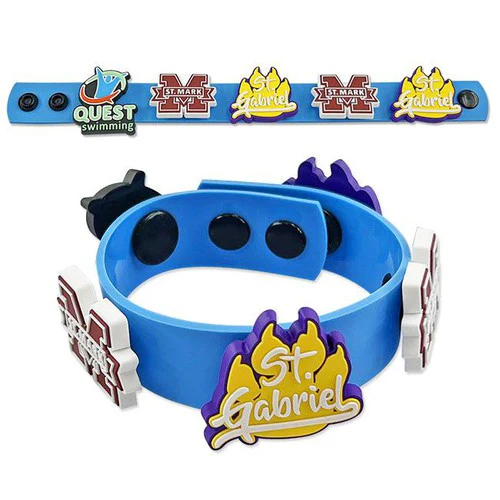
- Vinyl: Better for multi-day events where durability matters. Snap closures make casual transfer difficult, and the thicker body holds up well around water and sweat.
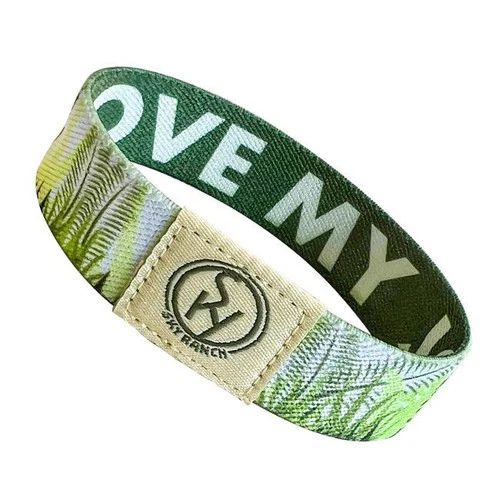
- Fabric: Ideal for music festivals, VIP experiences, and premium branding. Woven or sublimated fabric looks better, lasts longer, and supports stronger identity design, but unit cost is higher.
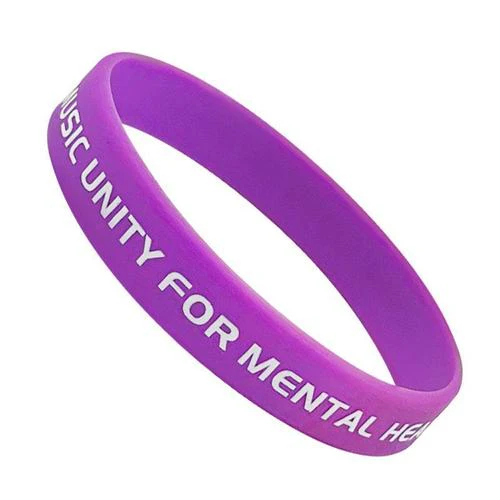
- Silicone with one-time closures: Useful for branded promotions or longer wear, but only some formats are truly tamper-evident. Standard silicone loops are often too easy to share.
According to the Event Manager Blog’s 2024 event trends coverage, attendee experience and smooth check-in remain top operational priorities for organizers. That matters because material choice affects both security and speed. A band that is highly secure but difficult for staff to apply can create long lines and guest frustration, while a band that applies instantly but removes easily can undermine the entire access plan.
When low price becomes expensive
The cheapest wristband is not always the lowest-cost option. If even a small number of unauthorized guests enter premium or age-restricted areas, the loss can exceed the savings from cutting wristband quality. This is especially true for paid bar access, backstage upgrades, and all-inclusive resort events.
“A secure wristband should support operations, not slow them down. The best product is the one your staff can apply correctly in seconds and your attendees cannot transfer without obvious damage.”
What Actually Makes a Wristband Tamper-Proof
“Tamper-proof” gets used loosely in the market, so buyers should be specific. A true tamper-resistant wristband usually combines physical resistance, visible evidence of removal, and limited reusability.
Look for these practical indicators:
- Destructive adhesive closures: Common with Tyvek. Once peeled, they tear or distort.
- Single-use snaps: Common with vinyl. They lock once and cannot be reopened neatly.
- Non-reusable sliders: Common with fabric bands. They tighten down and are difficult to reverse without tools or visible damage.
- Serial numbering: Helps staff verify authenticity and trace misuse.
- Custom print and color control: Makes duplication harder than plain stock bands.
- UV ink, holographic foil, or RFID integration: Adds a second layer of verification.
A 2025 report from IBM on data breach trends showed that identity misuse and weak access controls still create serious operational exposure across industries. Live events are not the same as enterprise cybersecurity, but the lesson applies: when identity checks are too easy to fake or transfer, abuse rises. Wristbands are a physical identity layer, so their anti-transfer design matters more than many organizers think.
Matching Wristbands to Real Event Types
The best band for a comic convention is not always the best band for a pool party or county fair. Use the event environment to narrow your choice.
| Event Type | Best Wristband Style | Why It Works | Main Caution |
|---|---|---|---|
| One-day school fundraiser | Tyvek with serial number | Low cost, fast application, easy visual sorting | Less durable in heavy rain or rough wear |
| Weekend music festival | Fabric with locking slider | Premium look, multi-day comfort, hard to transfer | Higher unit cost and longer lead time |
| Water park or resort event | Vinyl snap band | Water resistant, durable, secure closure | Bulkier than Tyvek |
| VIP corporate activation | Fabric with RFID chip | Brandable, premium feel, supports gated experiences | Requires reader setup and testing |
| Nightclub age-verification event | Tyvek or vinyl with bold color coding | Fast bartender recognition and restricted access control | Color-only systems can be copied if not customized |
If your event has multiple access zones, use layered differentiation rather than relying on one color alone. Combine color, print text, numbering, and security effects. A copied green band is much less useful if staff also expect a foil stamp, a date mark, and a matching serial sequence.
Security Features Worth Paying For
Some add-ons are mostly cosmetic. Others materially reduce fraud. The challenge is knowing which upgrades support your event size and risk profile.
High-value upgrades for most organizers
- Consecutive numbering: Useful for inventory control, incident review, and quick counterfeit spotting.
- Custom logos or text: Makes same-day copying harder than generic stock bands bought online.
- Distinctive daily color changes: Important for multi-day events with re-entry.
- Foil stamping or holographic accents: Strong visual deterrent for premium zones.
- QR or RFID functionality: Best for data capture, cashless flow, or tighter gate validation.
Features that only pay off in certain scenarios
RFID sounds impressive, but not every event needs it. If you are hosting a one-gate PTA fundraiser, basic serialized Tyvek bands may outperform a more expensive digital system simply because staff can use them correctly with almost no training. On the other hand, if your event includes re-entry, locker access, VIP lounges, and sponsor activations, RFID can reduce disputes and create cleaner reporting.
“Counterfeit prevention works best in layers. A single security feature can be copied or bypassed. A combination of closure design, controlled artwork, and on-site verification changes the math for would-be abusers.”
According to a 2024 Deloitte analysis of live entertainment and experience-driven consumer behavior, guests increasingly expect seamless movement through venues. The practical takeaway is simple: security features should support a smooth experience. If your staff need ten seconds to inspect every band, you have created a throughput problem even if the product itself is secure.
How to Order Without Costly Mistakes
Most wristband problems start before production: wrong quantities, weak proofing, rushed shipping, or unclear zone logic. A disciplined ordering process prevents all four.
- Map your access levels. List every attendee type: general admission, VIP, staff, vendor, media, all-access, 21+, performer, sponsor guest, and re-entry.
- Choose by event duration. One day usually points toward Tyvek; multi-day often favors vinyl or fabric.
- Define your anti-fraud layer. Pick at least two controls, such as destructive adhesive plus numbering, or locking slider plus custom weave.
- Estimate extras realistically. Order overage for lost bands, staff changes, guest services, and weather damage.
- Request proofs and test samples. Check text size, color contrast, closure behavior, and scan performance if using QR or RFID.
- Plan distribution rules. Decide who applies bands, when they are applied, and what ID checks are required beforehand.
- Train gate staff. A good wristband still fails if volunteers leave closures loose enough to slide off.
One of the most overlooked details is fit. If fabric sliders are left too loose, attendees can remove and pass the band. If Tyvek bands are applied over jackets or sleeves, they become easier to transfer. Security is partly product design, but it is also staff discipline.
Field Notes From Best Patches
I worked with a regional food and music festival that had a recurring problem with shared VIP access. In the previous year, attendees loosened generic fabric bands, slipped them off, and passed them to friends. The organizer lost bar-package revenue and struggled to explain crowding in premium sections.
We rebuilt the wristband strategy at Best Patches around three changes: a tighter woven fabric band with a locking one-way slider, unique daily color changes for each festival day, and foil-stamped VIP text that staff could recognize from several feet away. We also asked the client to train entry staff to cinch the band properly at first application. The result was not magical, but it was measurable: the organizer reported fewer disputes at VIP checkpoints, cleaner bar reconciliation, and much less visible wristband swapping.
In another project, I advised a community water park on weekend admission control for a teen event series. They originally wanted paper-style bands because the price looked attractive. But once we reviewed the environment, the issue was obvious: water exposure, high movement, and frequent staff checks made that choice fragile. We shifted them to snap vinyl bands with bold age-status colors and printed date codes. The upfront spend rose, but so did control. Staff told us the biggest operational improvement was confidence. They no longer had to second-guess whether a smudged or stretched band was still valid.
These examples highlight a point buyers often miss: the best wristband is not the fanciest one. It is the one that fits the event’s abuse level, staff behavior, and verification workflow.
Common Risks, Limits, and Tradeoffs
Tamper-proof does not mean fraud-proof. Every system has weak points, and good planners account for them early.
Where organizers still get exposed
- Loose application: Even strong bands can be slipped off if not tightened correctly.
- Volunteer inconsistency: Different gate teams may apply rules unevenly.
- Color-only systems: Easy for outsiders to mimic if the design is generic.
- Late reorders: Emergency replenishment can create mismatched stock if specs are not documented.
- Guest discomfort: Overly stiff or scratchy products can drive complaints, especially for family or multi-day events.
There is also a branding tradeoff. Fabric bands look better in photos and often become keepsakes, but that same desirability can tempt people to keep them loose. Tyvek is less glamorous, yet often more decisive for short-term non-transferability. Your priorities should reflect the event’s risk level, not just its aesthetic goals.
Sustainability is another growing tension point. Some organizers want recyclable or lower-waste options, but not every eco-focused material currently offers the same tamper evidence or water resistance as conventional choices. If environmental positioning matters to your brand, ask suppliers for disposal guidance and material transparency up front rather than assuming every green-looking option performs equally well.
What Is Changing in 2026
Wristbands are moving from simple admission markers toward hybrid access tools. The biggest shift is not that every event will go fully digital. It is that organizers are blending physical security with better verification logic.
- More layered authentication: Expect wider use of combinations such as numbered print plus QR, or woven fabric plus RFID for premium events.
- Shorter production windows with more customization: Buyers increasingly want fast turnaround without sacrificing anti-counterfeit details.
- Smarter segmentation: Bands are being used not just for entry, but also for beverage eligibility, sponsor access, merchandise bundles, and staff routing.
- Cleaner branding expectations: Organizers want wristbands that photograph well for social content while still behaving like security products.
According to the 2025 Freeman Trends Report on events, experience design and friction reduction remain central to attendee satisfaction. That reinforces a practical 2026 rule: security tools that feel clumsy will get bypassed by staff and resented by guests. The winning wristband setup is the one that stays secure under pressure while remaining easy to apply, easy to read, and hard to transfer.
Best Patches Recommendations
The strongest Event Wristbands strategy balances material, closure, customization, and on-site discipline. Tyvek remains hard to beat for short single-day use, vinyl is a strong middle ground for tougher environments, and fabric works best when brand presentation and multi-day wear both matter. Security features like numbering, custom artwork, foil, and RFID only deliver value when they match the actual risk and your staff know what to check.
Best Patches recommends these next actions:
- Audit your event flow: List every entry point, restricted zone, and attendee class before choosing a wristband style.
- Test one band from each serious option: Apply, tighten, soak, pull, and remove it before placing the full order.
- Document your exact specs: Save color codes, closure type, print layout, numbering format, and overage plan so reorders stay consistent.
References
- Event Manager Blog, 2024 event trends coverage — Provided context on organizer priorities around attendee experience and check-in efficiency.
- IBM, 2025 Cost of a Data Breach Report — Reinforced the broader operational importance of strong access-control systems and identity misuse prevention.
- Deloitte, 2024 live entertainment and consumer experience analysis — Supported the point that seamless guest movement and experience design affect event operations.
- Freeman, 2025 Trends Report — Added perspective on friction reduction and experience-led event planning.
FAQ
What are the best Event Wristbands for a one-day event?
For most single-day events, Tyvek wristbands are the strongest value. They are inexpensive, quick to apply, and usually use a destructive adhesive closure that makes clean removal difficult. Add custom printing or serial numbers if you want better fraud control.
Are fabric wristbands more secure than vinyl wristbands?
It depends on the closure. Fabric bands with one-way locking sliders can be very secure for multi-day events, while vinyl snap bands are often excellent for wet or high-contact environments. The bigger issue is whether staff apply them tightly and consistently.
How can I make Event Wristbands harder to counterfeit?
Use layered verification instead of a plain color band. Strong options include:
Custom logos or event text
Consecutive serial numbering
Foil or holographic accents
Daily color changes for multi-day events
QR codes or RFID for higher-security zones
Do I need RFID for event wristbands?
Not always. RFID makes sense when you need re-entry control, cashless payments, data capture, or multiple gated experiences. For smaller one-day events, serialized Tyvek or vinyl bands may be simpler, cheaper, and easier for volunteers to manage correctly.
How many wristbands should I order beyond my ticket count?
A practical buffer is often 5% to 15%, depending on your staffing model and event complexity. Include stock for staff, vendors, sponsors, replacements, guest services, and last-minute add-ons. Large festivals with multiple zones may need a bigger contingency.
Can tamper-proof wristbands still be shared or transferred?
Yes, if they are applied loosely or if the design relies on only one security feature. Tamper-proof products reduce abuse, but they work best when paired with proper staff training, clear zone rules, and visible verification habits at entrances and checkpoints.