 Promotional Products












Why durable wristbands matter more than most planners expect
If you have ever dealt with a torn check-in band before doors open, a smudged print at a cashless bar, or a VIP guest wearing the wrong access level, you already know that Event Wristbands are not a minor detail. They are part credential, part crowd-control tool, part branding asset, and part risk-management system. When they fail, the whole guest experience feels less professional.
That is why experienced planners are getting more selective about materials, closures, print methods, and data features. At Best Patches, we see the same pattern across festivals, school events, fundraisers, trade shows, resorts, and private hospitality programs: the cheapest wristband often becomes the most expensive one once reprints, gate delays, fraud, or guest complaints show up.
Event Wristbands are wearable identification bands used to manage admission, access levels, age verification, payments, and branding at events. They can be made from paper, vinyl, fabric, silicone, or RFID-enabled materials, and the right choice depends on event length, security needs, and attendee behavior.
Durability is not only about whether a band survives a rainstorm. It also covers scan reliability, closure integrity, comfort over time, resistance to tampering, and whether the wristband still looks clean enough to support your brand after eight hours, two days, or a full week onsite.
Table of Contents
- What durability really means for event operations
- How the main wristband materials compare
- Matching wristbands to real event types
- How to test wristbands before placing a full order
- Balancing branding, comfort, and security
- What we learned from real Best Patches projects
- Common risks, mistakes, and limitations
- What planners should watch in 2026
- Next steps for a smarter purchase
- References
What durability really means for event operations
Planners often ask for a “durable” wristband, but that word can mean very different things depending on the event. A durable wristband for a one-night club opening is not the same as a durable wristband for a three-day music festival or a waterpark season pass. Before you compare products, define the job.
In practical terms, durability usually comes down to five performance areas:
- Tear resistance so bands do not split during application or active movement
- Closure security so they cannot be removed and passed to someone else
- Print longevity so logos, barcodes, and access labels stay readable
- Environmental resistance against sweat, rain, sunscreen, pool water, and friction
- Comfort so guests keep the band on instead of trying to loosen, hide, or remove it
According to the 2024 UFI Global Exhibition Barometer, exhibitions and live events continued their recovery in many markets, putting more pressure on smooth onsite operations. Higher attendance and tighter staffing mean small failure points matter more. A weak wristband can create line backups, duplicate access issues, and manual exceptions that your team may not have time to manage.
How the main wristband materials compare
The material drives most of the durability outcome. The best option is the one that fits your event duration, security level, and guest expectations without overbuying features you do not need.
Tyvek works best for short, controlled events
Tyvek wristbands are lightweight, low-cost, and widely used for single-day admission. They are fast to apply and easy to print with sequential numbering or simple branding. For school carnivals, church events, community fairs, and drink-age verification, they do the job well.
The downside is clear: Tyvek is not your best choice for multi-day wear, premium guest perception, or wet conditions with heavy friction. It is practical, not elevated.
Vinyl is the workhorse for multi-day access
Vinyl bands are thicker, harder to tear, and more secure for festivals, resorts, and multi-day conferences with tiered access zones. They usually handle water, sweat, and rough handling better than paper-style bands. Their closures also make transfer harder, which cuts down on casual fraud.
If your event has a lot of crowd movement, bag checks, re-entry, or alcohol-service control points, vinyl often provides the best durability-to-cost ratio.
Fabric delivers premium branding and stronger long-wear comfort
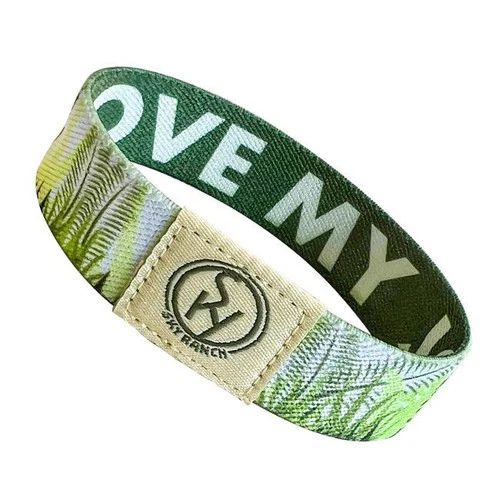
Fabric wristbands, especially woven or sublimated styles, are popular for destination events, VIP hospitality, fan experiences, and premium festivals. They look better in photos, feel more upscale, and stay wearable for days without becoming uncomfortable.
The tradeoff is lead time, cost, and production complexity. They also require thoughtful closure selection. A beautiful fabric band with a weak locking bead is still a security problem.
Silicone fits long-term or commemorative use
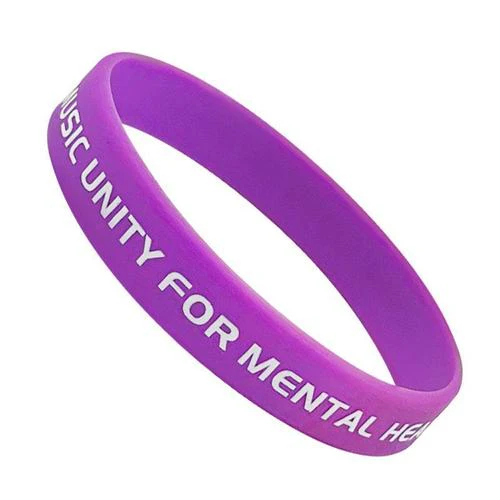
Silicone is less common for daily event admissions but works well for causes, fundraising campaigns, memberships, sports communities, and branded keepsakes. It is comfortable and reusable, but not ideal for strict anti-transfer security unless combined with extra control systems.
RFID-enabled wristbands add utility beyond access
RFID wristbands can handle entry, cashless payments, locker access, lead capture, and attendee tracking. They are especially useful at larger festivals, expos, and resort properties. However, RFID adds another layer to durability: the chip and inlay need to remain readable after repeated scans and real-world wear.
IBM’s 2024 Cost of a Data Breach Report put the global average cost of a breach at $4.88 million. If your wristbands connect to attendee identity, payment credentials, or behavior data, physical durability and data governance need to be considered together.
Matching wristbands to real event types
Choosing well gets easier when you stop thinking in generic product terms and start thinking in operating scenarios. The table below shows how planners typically align material choice with event realities.
| Event Type | Recommended Material | Why It Works | Main Watchout |
|---|---|---|---|
| School fundraiser | Tyvek | Low cost, quick application, simple color coding | Limited durability in rain or rough play |
| Three-day music festival | Fabric or RFID fabric | Long-wear comfort, premium branding, secure access control | Higher cost and longer production lead time |
| Waterpark or resort | Vinyl or RFID vinyl | Strong water resistance, reliable for re-entry and purchases | Can feel less premium than fabric for VIP guests |
| Trade show with VIP lounges | RFID fabric | Supports access zoning, analytics, and sponsor activations | Requires backend integration and scanner testing |
A veteran registration director once put it well:
“Guests rarely notice a wristband when it works. They notice it immediately when it tears, scans slowly, or marks them as the wrong access level.”
How to test wristbands before placing a full order
Samples are useful, but casual inspection is not enough. The smartest planners run a short stress test with the exact people who will apply, scan, and monitor the bands onsite.
- Test the closure. Have staff apply and remove the sample the way real guests would. Look for slippage, break points, and transfer potential.
- Expose it to moisture. Use water, sweat simulation, or a spray bottle. Then check whether the print bleeds, the adhesive weakens, or the RFID performance changes.
- Run repeated scans. If you use barcodes, QR, or RFID, test them at busy-entry pace rather than one careful scan at a desk.
- Check comfort over time. Ask a few team members to wear the sample for half a day. Wristbands that scratch, pinch, or trap heat often create compliance problems later.
- Review visual clarity. Make sure colors, numbering, and logos remain readable under indoor, outdoor, and low-light conditions.
This step is where many preventable mistakes get caught. A band that looks durable in packaging may fail once sunscreen, movement, rain, and hasty volunteers enter the picture.
Balancing branding, comfort, and security
Planners sometimes treat branding as a cosmetic extra, but wristbands live on the attendee’s body. That makes them one of the most visible branded items at any event. The challenge is that the most attractive band is not always the most secure, and the most secure option is not always the most comfortable.
A strong specification usually balances the following:
- Color coding for fast operational decisions
- High-contrast printing for easier scanning and verification
- Closure type matched to transfer risk
- Skin comfort for all-day or multi-day wear
- Brand visibility that still looks good in guest photos and social posts
According to the 2024 Freeman Trust Report, attendees continue to place high value on seamless, low-friction experiences. That matters here. A wristband that feels cheap, leaves residue, or slows down check-in can quietly damage event perception even when the rest of the production is strong.
One operations consultant we spoke with framed it this way:
“Your wristband is a micro-touchpoint. It communicates whether your event is temporary and improvised or controlled and intentional.”
What we learned from real Best Patches projects
I remember one project at Best Patches for a summer event series that had grown from a local gathering into a regional draw. The organizer originally used low-cost paper bands because the previous year’s turnout was manageable. Once attendance jumped, they ran into new problems: faded print by late afternoon, easy wristband swapping, and volunteers spending too much time manually checking color combinations at restricted areas.
We recommended moving to custom vinyl Event Wristbands for general admission and fabric wristbands for VIP guests. We also simplified the color hierarchy so gate staff could identify access instantly. During the following event cycle, the organizer reported faster line flow, fewer access disputes, and a much cleaner guest presentation. The wristband itself did not solve every operational issue, but it removed one source of friction that had been affecting security and perception at the same time.
In another case, I worked with a resort-style event that needed wristbands to handle re-entry, pool access, and premium hospitality areas over multiple days. The team wanted a luxury feel but also needed resistance to chlorine, sun exposure, and frequent scanning. We steered them toward RFID-enabled fabric bands with a tested locking closure and backup visual coding. That last part mattered: when handheld devices lagged in one zone, staff could still validate access visually without stopping the line.
The biggest lesson from both projects was simple. The best wristband choice is rarely about a single feature. It is about how material, closure, print method, and event workflow perform as one system.
Common risks, mistakes, and limitations
Durable wristbands solve a lot, but they are not magic. Planners still need to manage tradeoffs and known failure points.
Overbuying premium features
Not every event needs RFID, woven fabric, or custom packaging. A six-hour school event may be better served by a well-designed Tyvek band than a premium option that adds cost without practical return.
Underestimating environmental stress
Outdoor heat, humidity, sunscreen, rain, friction from jackets, and repeated hand-sanitizer use all affect performance. Bands chosen from a catalog photo often underperform in real weather.
Ignoring application quality
Even a strong product can fail if volunteers apply it too loosely, over clothing, or in a way that lets guests slip it off later. Training matters more than many teams expect.
Forgetting accessibility and comfort
Some guests have sensory sensitivities, skin concerns, or mobility limitations. A one-size-fits-all wristband policy may create unnecessary discomfort. It is smart to have exception protocols that still protect access control.
Relying on one control layer
A wristband should support your security plan, not replace it. High-risk zones still need staff awareness, signage, and backup verification rules.
What planners should watch in 2026
The next wave of wristband decisions is being shaped by three forces: operational efficiency, data sensitivity, and sustainability pressure.
First, planners are asking more from each credential. Instead of only proving entry, wristbands are increasingly tied to payments, sponsor interactions, room access, or lead capture. That means durability now includes digital consistency, not just physical strength.
Second, data handling expectations are rising. If your wristband connects to identity or transaction behavior, you need clear consent language, secure integrations, and vendor accountability. Even a great RFID experience can become a liability if planners do not manage the information behind it properly.
Third, buyers are under pressure to reduce waste without sacrificing reliability. Some organizers are testing recyclable components, lower-ink designs, or more intentional order quantities. According to Skift Meetings’ 2024 reporting on planner priorities, sustainability remains part of purchasing conversations, but most teams still need solutions that work operationally before they work symbolically. That is the right order of priorities.
For 2026, the strongest buying strategy is not to chase every trend. It is to choose the wristband architecture that best supports your event’s actual traffic, duration, brand level, and risk profile.
The right next steps for a smarter purchase
Durable wristbands improve more than entry control. They protect the guest experience, reduce preventable labor, support brand presentation, and help planners avoid the quiet operational failures that derail otherwise strong events. The right material depends on what your attendees will do, how long they will wear the band, and how much security your venue truly needs.
Best Patches recommends three practical next steps:
- Map your wristband use case first, including wear time, exposure to water, scan frequency, and transfer risk.
- Request samples and run a live stress test, especially if your event includes VIP zones, multi-day wear, or RFID.
- Standardize design and application rules, so your staff can identify access quickly and apply bands consistently.
That approach leads to fewer surprises and a far better return on every wristband you order.
References
- UFI Global Exhibition Barometer, 2024 — Provided context on the continued recovery and operational demands facing live events and exhibitions.
- IBM Cost of a Data Breach Report, 2024 — Supplied the data point on the global average breach cost, relevant to RFID and attendee-data handling.
- Freeman Trust Report, 2024 — Informed the discussion around attendee expectations for smoother, lower-friction event experiences.
- Skift Meetings reporting, 2024 — Offered perspective on planner priorities around sustainability and operational practicality.
FAQ
What are the most durable Event Wristbands for multi-day events?
-
For most multi-day events, fabric and vinyl wristbands are the safest picks. Fabric feels more premium and stays comfortable longer, while vinyl offers strong water resistance and anti-transfer security. If you also need scanning, RFID-enabled versions of either material can work well when tested properly.
Are Tyvek wristbands durable enough for outdoor events?
-
They can be, but mostly for short-duration outdoor events. Tyvek is fine for one-day fairs, school functions, and basic admission control. For heavy rain, all-day wear, or active festival environments, vinyl or fabric usually holds up better.
How can I prevent wristband swapping at my event?
-
Use a combination of product choice and process:
Choose tamper-evident closures
Apply wristbands tightly and consistently at entry
Add serial numbers, barcodes, or RFID where needed
Use strong color coding for access zones
Train staff to spot loose or altered bands quickly
Do RFID wristbands require special testing before an event?
-
Yes. You should test scan speed, read accuracy, moisture resistance, closure strength, and backend integration before full deployment. A wristband that scans well at a desk can still underperform at a crowded gate or poolside checkpoint.
How far in advance should I order custom wristbands?
-
For simple Tyvek orders, a shorter lead time may be possible. For custom vinyl, fabric, or RFID wristbands, many planners aim for at least two to four weeks, plus extra time for proofing, shipping, and sample checks. If your event is seasonal or high-volume, earlier is better.
What is the best wristband option for VIP branding and guest photos?
-
Custom fabric wristbands are usually the strongest choice for VIP presentation. They photograph well, feel more premium on the wrist, and can carry woven or full-color branding without looking disposable. Just make sure the closure is secure enough for your access-control needs.