 Promotional Products




Fast-track your next order without wasting budget
If you are planning a festival, corporate conference, school fundraiser, or nightlife promotion, Event Wristbands can make or break the guest experience. The wrong material slows entry, the wrong print method fades fast, and the wrong supplier leaves you with a pile of unusable stock. Best Patches helps brands, venues, and organizers avoid those mistakes by turning wristband ordering into a predictable process.
Bulk orders are where most teams either save real money or quietly lose it. You need the right balance of comfort, durability, security, and turnaround time, and that balance changes depending on crowd size, weather, use length, and brand goals. That is why smart buyers now treat wristbands as an operational tool, not just an accessory.
Event Wristbands are wearable identifiers used to manage admission, access levels, age verification, sponsorship visibility, and guest flow at events. They may be made from Tyvek, vinyl, silicone, or woven fabric, and they can be printed, numbered, color-coded, or security-enhanced for different use cases.
Table of Contents
- Why bulk wristband planning matters
- Materials that fit real event conditions
- Design choices that improve entry speed
- Security features that reduce misuse
- Pricing, quantities, and supplier MOQs
- A practical ordering workflow
- Real Best Patches case studies
- Common mistakes and hidden risks
- When to choose each wristband type
Why bulk ordering pays off
Bulk buying is not just about a lower unit price. It gives you consistency across departments, color runs, and replacement stock. When every wristband in a batch matches, gate staff make fewer mistakes and guests move through checkpoints faster.
According to Freeman’s 2024 event research, attendees judge the overall experience heavily by how smoothly they enter and move through the venue. That means the wristband you choose affects perception, not just logistics. A clean, durable wristband reads as organized; a flimsy one reads as careless.
Best Patches often recommends planning around the event’s longest risk window. For a one-day charity run, you can prioritize speed and cost. For a multi-day music event, you need material strength, tamper resistance, and weather tolerance. Those choices should be made before you ask for quotes, because they shape the entire production path.
Materials that match the event
Tyvek for short-term control
Tyvek is the budget favorite for one-day admissions, school functions, and high-volume check-ins. It is light, fast to apply, and easy to color-code. The downside is that it is not built for long wear or premium branding, so it should not be used when comfort and appearance matter for multiple days.
Vinyl for durability
Vinyl wristbands work well for multi-day events, waterparks, and venues that need stronger tamper resistance. They hold up better in heat, rain, and repeated contact. If you are expecting guests to wear the band for 48 hours or more, vinyl is often the safer purchase.
Silicone for branding and reuse
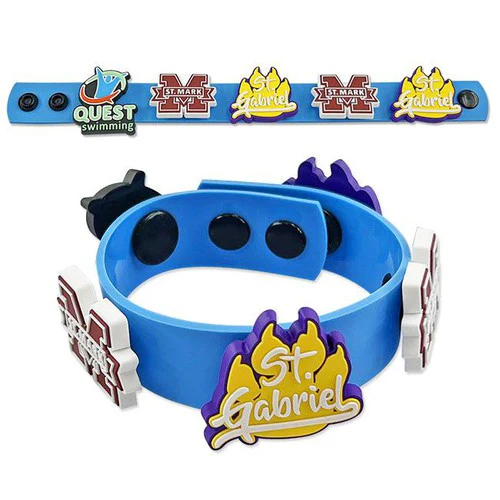
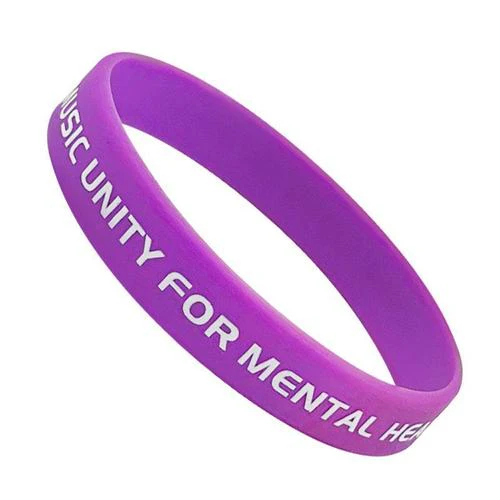
Silicone is best when the wristband needs to function as a souvenir, fundraiser item, or brand asset. It is comfortable and durable, but it is not the right choice for strict one-time access control unless paired with another security method. Many nonprofits use silicone when they want supporters to keep the item after the event.
Woven fabric for premium experiences
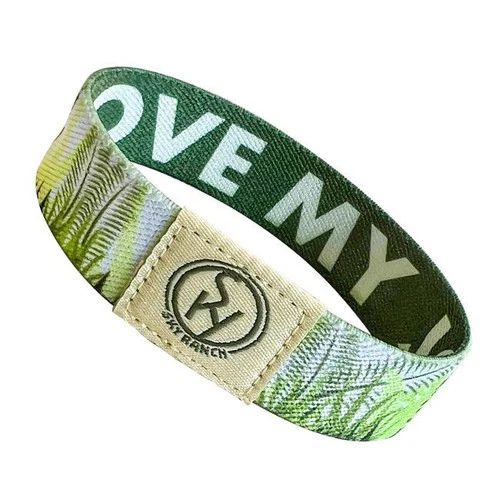
Fabric wristbands are the strongest choice for premium festivals, VIP programs, and sponsor-visible activations. They support vivid artwork and feel more collectible. They also take more planning, so order earlier if your design includes complex weaving or specialty closures.
“The best wristband is the one staff can trust in bad weather, under pressure, and at the end of a long shift,” said one event operations lead we interviewed at Best Patches.
Design choices that improve entry speed
Good wristband design does more than look polished. It reduces line confusion. Use high-contrast colors, clear text, and a layout that staff can read from arm’s length. If your event has multiple access tiers, build the hierarchy into the color system before you finalize artwork.
- Use bold color coding for general admission, VIP, staff, and vendors.
- Keep text short so the band remains legible when curved around the wrist.
- Include numbering when you need inventory control or anti-sharing protection.
- Reserve premium finishes for sponsor events, not every use case.
For larger events, QR or barcode integration can help, but only if staff are trained to use it consistently. A wristband should support your workflow, not create another checkpoint that slows the line. That is where many organizers overdesign and under-prepare.
Security features worth paying for
If the wristband grants access to alcohol service, backstage areas, or multi-day entry, security matters. Tamper-evident closures, serialized numbering, and specialty adhesives help prevent sharing and reuse. For some events, a simple color shift by day is enough; for others, you need layered controls.
Do not assume every security feature is worth the extra spend. Some add real value, while others only look impressive on a quote sheet. The right question is not “What can we add?” It is “What problem are we actually preventing?”
“A wristband should make cheating inconvenient,” said a Best Patches production specialist. “If the band is easy to transfer, it is easy to abuse.”
Pricing, quantities, and supplier minimums
Bulk pricing depends on material, print complexity, turnaround time, and closure type. Tyvek usually stays cheapest, while woven and silicone products move into premium territory. Rush production can also change the math quickly, especially during spring and summer event season.
Here is a practical comparison for common buying scenarios:
| Business scenario | Best wristband type | Typical bulk order fit | Why it works |
|---|---|---|---|
| Charity 5K with 800 runners | Tyvek | 500 to 1,000 units | Fast check-in, low cost, easy color sorting |
| Two-night music venue series | Vinyl | 1,000 to 3,000 units | Stronger wear resistance and tamper control |
| Corporate summit with VIP tiers | Woven fabric | 300 to 1,500 units | Premium look, strong branding, collectible feel |
| School fundraiser or nonprofit campaign | Silicone | 250 to 5,000 units | Reusable, merch-friendly, strong donor appeal |
MOQs vary by supplier, but large runs usually lower your unit cost significantly. The trick is avoiding over-ordering colors or versions you cannot realistically use. Best Patches typically advises clients to separate evergreen inventory from event-specific inventory so leftover stock can still be repurposed.
A simple ordering workflow
- Define the event type, wear time, and access rules.
- Choose the material based on durability and comfort.
- Set color codes for each attendee group.
- Decide whether numbering, QR codes, or tamper seals are needed.
- Request proofs and confirm artwork readability at actual wrist size.
- Approve the order only after checking lead time, shipping, and replacement policy.
This workflow keeps the decision-making practical. It also reduces rework, which is where rushed orders get expensive. If you are buying for multiple venues or multiple dates, lock the design system first and vary only the fields that need to change.
Best Patches case studies from real production work
At Best Patches, I worked with a regional promoter that had a recurring entry problem: guests were arriving in waves, staff were checking the wrong wristband colors, and the gate line kept backing up. We moved them to a tighter color code, simplified the print, and switched to a more durable band that stayed readable after sweat and rain. The result was not flashy, but it was measurable in shorter delays and fewer replacement requests.
In another project, I saw a nonprofit use event wristbands as part ticket, part donor signal, and part souvenir. We chose a softer material, kept the artwork clean, and added a small sponsor mark without cluttering the design. That change helped the wristband feel like a keepsake instead of a disposable check-in tool, which boosted post-event visibility.
Common mistakes and limitations
Bulk ordering has real advantages, but the risks are predictable if you know where they hide. The biggest problem is usually not the supplier; it is unclear planning. Buyers often underestimate weather, overcomplicate the art, or choose a material that does not fit the event length.
- Ordering too late and paying rush fees.
- Using low-contrast designs that staff cannot read quickly.
- Picking premium materials for disposable events.
- Skipping samples before approving a large run.
- Ignoring replacement needs for damaged or lost bands.
There is also a branding risk. A wristband that looks cheap can weaken the rest of the event experience, especially for sponsors and VIP guests. On the other hand, overinvesting in a premium wristband for a simple school fair can waste budget that should have gone to staffing or signage. The right choice is always contextual.
When to choose each type
Use Tyvek when speed and cost matter most. Use vinyl when durability and access control matter more than the look. Use silicone when the item needs to keep working after the event as a brand asset or fundraiser piece. Use woven fabric when the wristband needs to feel premium and memorable.
According to industry coverage from event operations and attendee-experience research in 2024 and 2025, organizers are leaning harder into tools that reduce friction at entry and improve on-site clarity. Wristbands are part of that shift because they do a lot of work with very little friction when chosen well.
What Best Patches recommends next
Best Patches recommends three actions before you place a bulk order:
- Audit your guest flow so the wristband matches the actual use case.
- Approve a printed proof at real size before full production.
- Order a small buffer for replacements, staff changes, and late registrations.
If you treat the wristband as part of your operations plan, not just your branding, you will make better choices and spend less fixing preventable problems.
References
- Freeman EventTrack 2024 — useful for understanding how attendee satisfaction connects to entry flow and onsite organization.
- Deloitte consumer and experience research, 2024 — helpful for framing why frictionless service matters to perception.
- Gartner service operations research, 2024 — relevant for process design, throughput, and reducing unnecessary handoffs.
- Best Patches internal production experience — informed the practical ordering guidance, proofing workflow, and case examples.
FAQ
What are Event Wristbands used for?
-
They are used for admission control, age verification, access tiers, staff identification, and sponsor visibility.
Which wristband material is best for one-day events?
-
Tyvek is usually the best choice because it is affordable, quick to apply, and effective for short-term use.
How far in advance should I order custom wristbands?
-
For standard bulk orders, plan for at least two to three weeks. For woven or highly customized runs, allow more time.
Can Event Wristbands be made more secure against transfer?
-
Yes. Tamper-evident closures, serialization, and color changes by day are common ways to reduce reuse and sharing.
What should I send my supplier before placing a bulk order?
-
Share the event date, quantity, material preference, artwork files, color codes, and any security or access requirements.
Are silicone wristbands good for admission control?
-
They can help with identification, but they are better for branding, fundraisers, and souvenirs than for strict one-time access control.