 Promotional Products















































Venue access is won or lost at the wrist
If you manage crowd flow, entry speed, or guest security, the wrong Event Wristbands choice can cost you time at the gate and money everywhere else. RFID gives you speed, tracking, and data. Vinyl gives you low cost, visual control, and simple deployment. Best Patches works with event teams that need the right balance, not a trendy spec sheet.
The real problem is not choosing a band material. It is choosing the system that fits your venue, staffing level, scan environment, and guest expectations. A luxury festival, a school fundraiser, and a nightlife venue all need access control, but they do not need the same wristband.
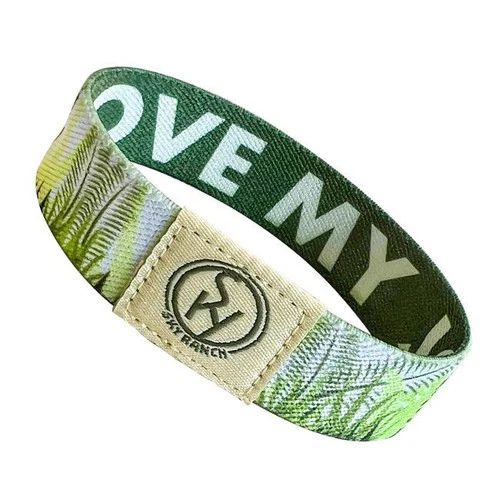
Event Wristbands are wearable access tools used to identify guests, control entry, reduce fraud, and sometimes trigger cashless payments or analytics. RFID wristbands contain a chip that can be scanned wirelessly. Vinyl wristbands rely on printed or colored visuals, closures, and tamper resistance to manage access.
Table of Contents
- Why the choice matters for venue access
- How RFID Event Wristbands work
- How vinyl Event Wristbands work
- Head-to-head comparison for real venues
- Cost, speed, and staffing tradeoffs
- Security, guest experience, and data capture
- Best use cases by venue type
- Common mistakes and how to avoid them
- What Best Patches recommends next
How RFID and vinyl solve different access problems
RFID wristbands are built for environments where speed and automation matter. They let guests tap in, support zone-by-zone movement, and create a digital trail for attendance or re-entry rules. That matters when lines get long and staff cannot manually inspect every guest.
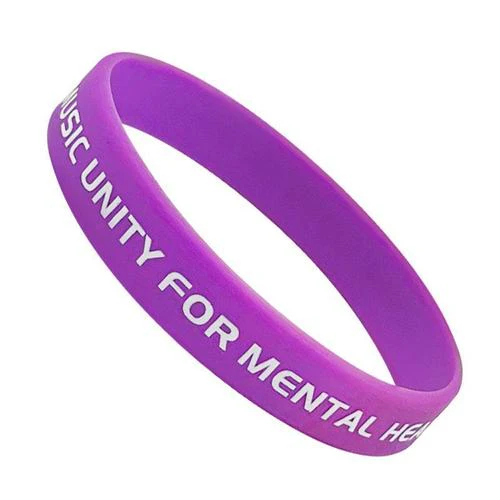
Vinyl wristbands solve a different problem: reliable, affordable, visible access control. They are ideal when you need tamper resistance, easy color coding, and fast distribution without charging batteries, syncing readers, or managing software dependencies.
According to a 2024 Gartner report on customer-facing operations, organizations are still under pressure to reduce friction at physical touchpoints while improving service quality. That pressure shows up clearly at venue gates, where every extra second per guest can multiply into a staffing issue.
How RFID Event Wristbands work
RFID wristbands use radio frequency identification to transmit a unique ID to a reader. The reader checks the ID against a system that may include ticket status, zone access, age verification, or spending privileges. In high-volume entry points, that can cut bottlenecks dramatically.
The strength of RFID is not just speed. It is control. You can assign one band to general admission, another to VIP, and another to staff. You can also monitor scan patterns, detect duplicates, and understand where guests move after entry.
“The best access system is the one that disappears at the gate. Guests should move, not wait.” — Event operations director, live entertainment venue
Where RFID wins
- Fast entry for thousands of guests
- Cashless payments and spend tracking
- Zone-based access for premium areas
- Re-entry control without manual checking
- Useful reporting for attendance and peak times
Pro Tip: If you choose RFID, test reader placement before event day. A great wristband cannot fix a bad gate layout, weak antenna positioning, or staff who do not know where to direct guests.
How vinyl Event Wristbands work
Vinyl wristbands are usually printed, sequential, and secured with a tamper-evident closure. Once worn, they are hard to transfer without damage, which makes them a strong low-tech access tool. They are especially practical when you need a visible identifier that staff can check instantly.
They also work well in outdoor conditions and short-duration events where the main goal is control, not data collection. For many venues, that simplicity is a feature. There is less hardware to set up, fewer failure points, and no software onboarding curve.
“Vinyl is still the workhorse when budgets are tight and the gate needs to move fast with minimal training.” — Venue security consultant
Where vinyl wins
- Lower unit cost for large print runs
- Simple visual verification
- Easy color coding by day, age, or area
- Strong tamper resistance
- No reader infrastructure required
RFID vs vinyl at a glance
| Venue Scenario | RFID Fit | Vinyl Fit | Better Choice |
|---|---|---|---|
| Three-day music festival with VIP areas | Excellent for tap-in entry, re-entry, and cashless perks | Works for basic gate control, but slower at peak times | RFID |
| County fair with 8 staff at two entrances | Too complex unless sponsors fund the system | Affordable, visible, and easy to train volunteers on | Vinyl |
| Conference center hosting 2,500 attendees | Strong for badge-like access and session tracking | Useful only if access is simple and no reporting is needed | RFID |
| Nightclub VIP night with age verification | Useful for premium tier access and repeat scanning | Good for visual ID and quick door checks | Depends on goals |
Cost, staffing, and speed are not the same decision
Many buyers compare wristbands only by unit price. That is a mistake. RFID usually costs more upfront because you are paying for chips, readers, setup, and sometimes software. Vinyl costs less per band, but the real savings come from simpler operations and fewer moving parts.
Here is the practical breakdown:
- RFID reduces scanning time when crowds are large.
- Vinyl reduces implementation time when staffing is limited.
- RFID can replace some manual checks with data-driven rules.
- Vinyl can be deployed fast with minimal technical risk.
According to a 2025 Zebra Technologies frontline operations study, organizations continue to prioritize faster identification and fewer process delays at physical service points. That aligns with what venue teams already know: a two-second delay at the gate turns into frustration once it repeats across hundreds of arrivals.
Pro Tip: Use RFID when line speed affects revenue, premium experience, or labor costs. Use vinyl when the access model is simple and the event cannot absorb technical overhead.
Security and guest experience both matter
Security teams like RFID because every scan creates a digital record. That helps with fraud detection, capacity management, and guest movement analysis. If a wristband is shared or duplicated, the system can flag anomalies faster than visual inspection alone.
Vinyl, however, is not weak. A properly locked vinyl band is hard to transfer and very easy for staff to verify. For many venues, especially those focused on rapid admission rather than analytics, that is enough.
The risk with RFID is operational dependency. If readers fail, software glitches, or the staff workflow is poorly designed, the technology becomes a bottleneck instead of a solution. The risk with vinyl is the opposite: no data, no tap speed, and no scalable intelligence.
What Best Patches has seen in the field
I worked with a regional festival team that had long entry lines every Friday night. Their biggest issue was not ticket sales; it was gate congestion. We helped them shift premium guests to RFID and keep general admission on vinyl. That split let the busiest line move faster without forcing the whole event into a costly technology upgrade.
After the change, staff spent less time arguing over torn paper passes and more time checking exceptions. The venue also gained a cleaner way to separate VIP, staff, and two-day passes. For that team, the win was not “RFID everywhere.” It was using the right Event Wristbands for each access tier.
I saw a second pattern at a corporate conference where the client wanted tracking without a full badge system. Best Patches recommended RFID for speakers, exhibitors, and premium attendees, then vinyl for volunteers and one-day guests. That hybrid model simplified procurement and kept the registration desk from becoming a technical help center.
How to choose the right wristband by venue type
If you are still stuck, use the venue type as your first filter:
- Music festivals: RFID if you need fast throughput, cashless add-ons, or multiple zones.
- Sporting events: RFID for premium suites and controlled areas; vinyl for simple admission.
- Schools and fundraisers: Vinyl almost always wins on cost and ease.
- Nightclubs: RFID for VIP and repeat customers, vinyl for standard door control.
- Conferences: RFID when session data matters; vinyl when access is basic.
Decision rules that work in real life
If your event has more than one gate, more than one access tier, or a need for scan data, RFID deserves a serious look. If your event is one night, one entry path, and one simple permission set, vinyl is usually the smarter buy.
If your team is understaffed, start with vinyl and add RFID only where the line pressure is highest. Hybrid deployment often delivers the best return because it puts budget where friction is worst.
Common mistakes venue teams keep making
The biggest mistake is choosing RFID for status instead of function. Fancy systems fail when staff are not trained, readers are undercounted, or the venue does not have the budget to support maintenance.
The second mistake is treating vinyl as outdated. It is not outdated; it is operationally efficient. For many venues, the goal is to keep access simple, visible, and affordable, and vinyl does that well.
Other mistakes include underordering, ignoring wristband durability in heat or moisture, and forgetting that closures and print quality matter as much as material.
Before you buy, check these points
- Expected attendance per hour
- Number of entry points
- Need for cashless or scan data
- Weather, water, and abrasion exposure
- Staff training time
- Risk of transfer or counterfeit use
What Best Patches recommends next
Best Patches recommends starting with your access goal, not the wristband trend. If your priority is speed and analytics, RFID is the stronger system. If your priority is affordability and operational simplicity, vinyl is usually the better answer.
For many venues, the smartest plan is a mixed approach:
- Use RFID for VIP, staff, and premium zones.
- Use vinyl for general admission and low-risk tiers.
- Match materials to weather, duration, and guest volume.
Your next move should be practical: map the entry flow, estimate peak arrivals, and assign the wristband type to each access tier before you place the order.
Conclusion
RFID is the stronger choice when venue access must be fast, trackable, and scalable. Vinyl is the stronger choice when you need simple, durable, and affordable control. The best answer is rarely one material for every guest.
Best Patches recommends these next steps:
- Audit your gate traffic and identify the slowest checkpoint.
- Match RFID to high-friction zones and vinyl to simple access tiers.
- Test one event cycle before rolling out a full replacement.
References
- Gartner — Used for the broader customer experience and friction-reduction perspective at physical access points.
- Zebra Technologies — Provided frontline operations context on the value of faster identification and reduced process delays.
- Industry venue operations best practices — Informed the practical comparisons between access speed, staffing, and guest flow.
FAQ
Which are better for venue access: RFID or vinyl Event Wristbands?
-
RFID is better when you need fast scans, tracking, or premium access control. Vinyl is better when you need low cost, simple visual checks, and easy deployment. Many venues use both.
Are RFID wristbands worth the higher upfront cost?
-
They can be, especially for large events, VIP zones, or cashless systems. If RFID cuts lines, reduces staffing pressure, or improves reporting, the extra cost often pays back quickly.
How long do vinyl wristbands usually last?
-
Most vinyl wristbands are designed for multi-day use and resist tearing, transfer, and water exposure. Their lifespan depends on wear conditions, but they are commonly used for events lasting one to several days.
Can RFID work if my venue has limited staff?
-
Yes, but only if the setup is simple and the readers are tested ahead of time. Limited staff means your workflow must be very clear, or RFID can create more problems than it solves.
What event types are best suited for vinyl wristbands?
-
Vinyl works well for schools, fundraisers, county fairs, bars, and any event where access is simple and the budget matters more than data capture.
How do I prevent wristband fraud at the gate?
-
Use tamper-evident closures, clear color coding, trained staff, and if needed, RFID with unique IDs. The best defense is a process that is easy for staff to follow and hard for guests to bypass.
Do RFID Event Wristbands need special readers?
-
Yes. RFID wristbands must match the reader type and the system you plan to use. Compatibility testing is essential before event day, especially if you need multiple gates or access tiers.
How should I choose the right Event Wristbands for a mixed venue?
-
Start with the busiest access point, then match RFID or vinyl to the real operational need. A mixed venue usually benefits from RFID in premium or tracked areas and vinyl for general admission.