 Promotional Products











Introduction
If you are pricing Event Wristbands for a festival, school fundraiser, club night, or multi-day conference, the material choice can quietly reshape your entire budget. What looks like a small line item often affects security, staffing, guest flow, branding, and even how many replacements you need before the event ends.
That is where many buyers get stuck. Silicone sounds premium and reusable. Tyvek sounds cheap and practical. But the better value depends on event length, fraud risk, customization goals, and how visible you want your brand to be. Best Patches works with organizers who need that decision to be fast, clear, and tied to real operating costs, not just a per-piece quote.
Event Wristbands are wearable identification bands used to control admission, verify age groups, segment guests, or support branding at live events. The right wristband material influences cost, comfort, durability, transfer resistance, and how professional your event feels from check-in to close.
For short single-day events, Tyvek often wins on pure affordability. For premium experiences, fundraising campaigns, schools, and events where guests may keep the band after attendance, silicone can deliver stronger long-term value.
Table of Contents
- Why material choice changes your total event cost
- Where silicone wristbands make financial sense
- Where Tyvek wristbands save the most money
- Silicone vs Tyvek comparison table
- The hidden costs buyers miss
- Best fit by event type
- How to choose the right wristband for your budget
- What we have seen at Best Patches
- What is changing for Event Wristbands in 2026
- Final recommendation and next steps
Why material choice changes your total event cost
Buyers often compare silicone and Tyvek by unit price alone. That is the fastest way to underbudget. The real cost of Event Wristbands includes printing method, minimum order quantities, spoilage, staffing at check-in, fraud prevention, weather exposure, and whether guests need to wear the band for hours or days.
Tyvek wristbands are usually the low-cost favorite because they are lightweight, fast to apply, and inexpensive in bulk. They work especially well for bars, water parks, school carnivals, charity runs, and one-day festivals. Silicone wristbands cost more per unit, but they can carry longer brand life, better comfort, and a perceived value that changes how attendees interact with them.
According to Freeman’s 2024 event planning research, organizers are under ongoing pressure to prove attendee value while controlling operational spend. That matters here: a cheaper band that causes longer lines, more swaps, or weak branding may not be cheaper in the full event model.
Where silicone wristbands make financial sense
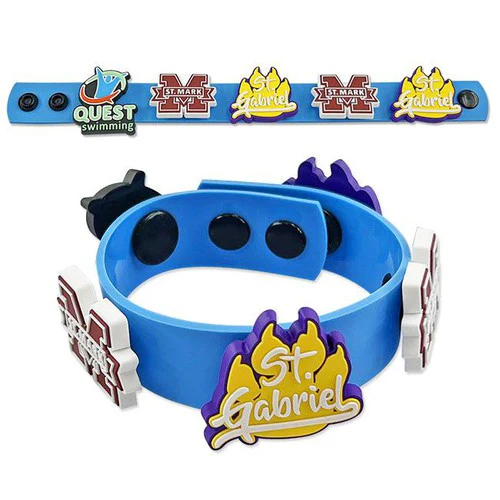
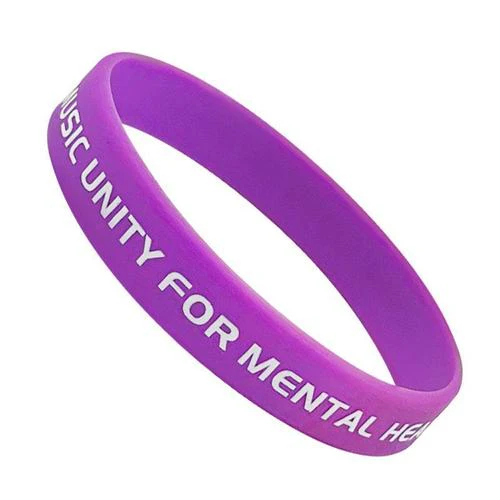
Silicone wristbands are flexible, durable, waterproof, and naturally more premium-looking than disposable options. They are often chosen for causes, schools, VIP access, awareness campaigns, gyms, summer camps, and branded experiences where the wristband is meant to stay with the attendee after the event.
Silicone is stronger when retention matters
If the wristband doubles as merchandise, silicone starts behaving less like an event supply and more like a marketing asset. A well-designed silicone band can stay on a wrist, bag, or desk long after the event ends. That extends sponsor visibility and keeps your message in circulation.
For nonprofits and fundraising campaigns, that after-event life can justify the higher upfront cost. Instead of paying for an admission marker that gets trashed the same night, you are buying a wearable reminder of the cause.
Silicone holds up under stress
Heat, sweat, water, and repeated movement are not major threats to silicone. That makes it a safer choice for camp programs, outdoor sports, multi-day retreats, and fitness events. It is also less likely to tear during active use than paper-style bands.
The tradeoff is security. Basic silicone wristbands are easier to remove and pass to someone else than adhesive Tyvek. If transfer prevention is your top concern, standard silicone needs either tighter sizing control or a secondary access method.
“Silicone works best when the wristband has to do two jobs at once: identify the guest and represent the brand after the event is over.”
When silicone can hurt the budget
Silicone becomes a weaker fit when you are running a high-volume, low-margin event with quick entry and no need for keepsake value. If you only need color-coded access for six hours, paying a premium for long-term durability can be wasteful. That is especially true if your event serves thousands of walk-in attendees and replacement control is loose.
Where Tyvek wristbands save the most money
Tyvek wristbands are the workhorse of event admissions. They are lightweight, tamper-evident, easy to print, and widely used because they keep cost per attendee low. For one-day or overnight use, few options beat Tyvek on straight budget efficiency.
Tyvek shines at fast check-in
Tyvek bands are usually supplied in sequentially stacked strips or rolls, which speeds up front-gate operations. Staff can peel, wrap, and secure them in seconds. That matters more than many planners realize. When admission lines grow, labor cost and guest frustration rise together.
Cvent’s 2025 planner outlook continued to highlight budget pressure and operational efficiency as central concerns for event teams. In practice, fast application makes Tyvek appealing because it saves money in labor and lowers congestion at peak entry windows.
Tyvek is harder to transfer
One of Tyvek’s biggest strengths is tamper evidence. Once applied, the adhesive closure is difficult to remove cleanly and reuse. That reduces unauthorized swapping, which is a major issue at concerts, bars, and ticketed fundraisers.
That said, Tyvek is not indestructible. It can wrinkle, degrade under heavy moisture over time, and look less polished than silicone. For premium or sponsor-heavy events, that lower-end appearance may weaken the perceived quality of the experience.
When Tyvek is the wrong bargain
If your guests will wear the band for multiple days, enter pools, shower, work out, or keep the item as memorabilia, Tyvek can start creating avoidable friction. Replacements, complaints about comfort, and a tired-looking wristband by day two can quietly erase the savings.
Silicone vs Tyvek comparison table
| Event Scenario | Silicone Wristbands | Tyvek Wristbands | Budget Verdict |
|---|---|---|---|
| High school fundraiser | Good for spirit wear and donor keepsakes | Best for admission-only crowd control | Tyvek for entry, silicone only for premium tiers |
| One-night music venue | Too expensive for basic GA access | Fast application and stronger tamper control | Tyvek wins clearly |
| Weekend retreat or camp | Comfortable, waterproof, durable across days | May wear down or need replacement | Silicone often delivers better total value |
| Charity awareness campaign | Strong message retention and brand visibility | Useful only for day-of admission | Silicone wins if awareness matters after the event |
| Water park day pass | Durable but usually overbuilt for the use case | Low-cost, practical, easy to color-code | Tyvek is usually the smarter spend |
The hidden costs buyers miss
Material choice does not live in a vacuum. Two wristband quotes can look close enough on paper, then perform very differently once the event starts.
- Replacement rate: Multi-day wear increases the value of durable materials.
- Transfer fraud: A lower unit cost means little if bands are being swapped.
- Labor at entry: Faster application reduces staffing pressure during rush windows.
- Brand perception: Premium sponsors may expect a better-looking access item.
- Customization limits: Complex designs, debossing, or special inks can change real cost quickly.
- Shipping timing: Rush production can wipe out the savings of a “cheap” option.
Another cost many teams overlook is waste from overordering the wrong mix. If you have VIP, staff, media, and general admission tiers, a smart wristband plan may use two different materials instead of forcing one option to do everything.
“The least expensive wristband is not always the one with the lowest invoice. It is the one that keeps your line moving, your access rules clear, and your replacements low.”
Best fit by event type
Here is the practical version.
Choose silicone when your event needs staying power
Silicone makes more sense for:
- Awareness campaigns and cause marketing
- School spirit programs
- Multi-day camps or retreats
- VIP gifting and sponsor activations
- Fitness, wellness, and membership communities
Choose Tyvek when throughput and control lead the plan
Tyvek is usually stronger for:
- Bars and nightlife venues
- One-day fairs and carnivals
- Water parks and family attractions
- High-volume ticketed admissions
- Age verification and simple tier segmentation
How to choose the right wristband for your budget
If your team needs a quick decision, use this process before requesting final pricing.
- Define wear time. Under 24 hours usually favors Tyvek. Multiple days usually pushes silicone higher on the list.
- Rank fraud risk. If band-swapping is likely, tamper evidence matters more than premium feel.
- Decide whether the wristband is also merch. If yes, silicone gains value fast.
- Map guest tiers. You may need Tyvek for general admission and silicone for VIP or donors.
- Estimate labor pressure at check-in. Faster-apply materials reduce staffing pain.
- Request sample photos or physical samples. Surface finish and print quality can affect sponsor approval.
- Calculate total landed cost. Include shipping, spoilage, customization, and rush fees.
This framework prevents a common mistake: buying for lowest unit price instead of buying for the event model.
What we have seen at Best Patches
I have seen this play out with clients who initially asked for only the cheapest option. One school booster club came to Best Patches planning to use the same wristband style for a Friday football fundraiser and a month-long awareness campaign. On paper, Tyvek looked like the obvious choice because the upfront spend was lower.
After we reviewed the actual use case, we split the order. We produced Tyvek bands for event-night entry and silicone bands for top donors and student leaders. The result was cleaner gate management on game night and a second product that students kept wearing for weeks. The client spent more than the original Tyvek-only quote, but they also extended campaign visibility far beyond the event itself.
In another project, I worked with a weekend youth retreat that first ordered a disposable option from another supplier. By the second day, moisture and wear had created replacement issues. When they moved to silicone through Best Patches for the next event cycle, replacements dropped and staff stopped wasting check-in time verifying whether damaged bands were legitimate. Their per-band cost rose, but their total operating friction fell.
These are the moments where material choice stops being theoretical. Budget decisions become better when they reflect attendee behavior, not just spreadsheet assumptions.
What is changing for Event Wristbands in 2026
Event buyers in 2026 are asking for more from a simple wristband. They still want low costs, but they also want cleaner branding, stronger guest segmentation, and fewer manual headaches.
Hybrid material strategies are growing
Many organizers no longer force one material across the entire event. They use Tyvek for broad admission and silicone for VIP, sponsors, staff recognition, or campaign merchandise. That mixed strategy often protects the budget better than choosing a single premium or single disposable route.
Brand utility is getting more attention
According to broader event-industry reporting from 2024 and 2025, sponsors continue to ask for clearer post-event value. Silicone helps when a brand wants something attendees may keep. Tyvek still dominates operational access, but it rarely carries the same after-event visibility.
Design clarity matters more than visual excess
More event teams are reducing clutter in wristband artwork. High-contrast colors, readable text, clear segmentation, and practical print areas beat overdesigned bands that slow approval and confuse staff.
The bigger shift is simple: procurement teams are treating Event Wristbands as part of operations and marketing at the same time. That is why the old “cheapest always wins” rule is fading.
Final recommendation and next steps
Silicone and Tyvek both fit real budgets, but they solve different problems. If your top priority is low-cost, tamper-evident admission for a short event, Tyvek is usually the better financial call. If your event lasts longer, involves water or heavy movement, or needs the wristband to keep promoting your brand after entry, silicone often produces better value despite the higher unit cost.
Best Patches recommends three practical next steps:
- Match wristband material to event duration first, not aesthetics first.
- Use a mixed-material plan if you have different guest tiers or sponsor goals.
- Request a full landed quote with customization and shipping before approving the order.
If you make the decision through total event cost rather than unit cost alone, your budget will usually hold up better on event day.
References
- Freeman 2024 event planning research — used for context on organizer pressure to prove value and manage event spend efficiently.
- Cvent 2025 planner outlook — used for operational insight on budget pressure and the importance of streamlined attendee experiences.
- UFI 2024 industry reporting — used for broader context on the continued focus on revenue, efficiency, and event operations across the live-events sector.
FAQ
Which Event Wristbands are cheaper for most one-day events?
-
Tyvek wristbands are usually the cheaper option for one-day events. They cost less per unit, apply quickly at entry, and offer tamper-evident closures that help with crowd control.
Are silicone wristbands better for multi-day events?
-
Yes, often. Silicone wristbands are more comfortable for extended wear, resist water and sweat well, and usually need fewer replacements over several days.
Can Tyvek wristbands be customized with logos and colors?
-
Yes. Most suppliers can print custom colors, logos, text, and numbering on Tyvek. For many admission-focused events, that level of customization is enough without paying for a premium material.
Do silicone wristbands reduce fraud at the gate?
-
Not by themselves. Basic silicone bands are usually less tamper-evident than Tyvek. If fraud prevention is a top priority, pair silicone with tighter staff checks, size control, or another access-verification method.
Should I order one wristband type for all guests?
-
Not always. A mixed approach often works better. Many organizers use Tyvek for general admission and silicone for VIPs, donors, sponsors, or multi-day attendees.