 Promotional Products



















Why Security Matters More Than Ever at Large Festivals
Event Wristbands are no longer a simple admission tool. For large festivals in 2026, they sit at the center of crowd control, fraud prevention, guest experience, VIP segmentation, cashless payments, and emergency response. If you run a multi-day music festival, food and arts weekend, or citywide live event, a weak wristband program can quickly turn into gate delays, counterfeiting, chargeback disputes, and serious safety headaches.
That pressure is exactly why teams now look for more than color-coded bands. They need tamper resistance, fast scanning, data visibility, and durable materials that survive sweat, rain, sunscreen, and long entry lines. Best Patches has worked with brands and organizers that needed wristbands to do more than “look official”; they needed them to actively reduce risk while keeping lines moving.
Event Wristbands are wearable access credentials used to identify, authorize, and track attendees at events. They can be made from vinyl, fabric, silicone, Tyvek-style synthetic paper, or embedded RFID and NFC materials. The most secure versions combine physical anti-tamper features with digital verification.
For festival operators, the real question is not whether to use wristbands. It is which wristband format gives the best balance of security, speed, budget control, and attendee comfort at scale.
Table of Contents
- What large festivals need from secure wristbands in 2026
- How the top secure Event Wristbands compare
- Fabric RFID wristbands for premium multi-day control
- Vinyl locking wristbands for high-volume admissions
- Thermal printable wristbands for flexible on-site operations
- Silicone NFC wristbands for brand-led activations
- Hybrid QR and RFID wristbands for layered security
- Common risks, limits, and hidden costs
- How Best Patches helped festivals tighten access control
- How to choose the right wristband for your event
What Large Festivals Need From Secure Wristbands in 2026
Security buyers have become much sharper about wristband specs because the risk profile has changed. Ticket fraud is more organized, gates are expected to move faster, and guests expect less friction even while organizers add more checkpoints.
According to IBM’s 2024 Cost of a Data Breach Report, the average cost of a data breach remained in the multi-million-dollar range globally, which matters for festivals using connected payment and access systems. While wristbands themselves are physical products, the platforms tied to them often store attendee identities, payment permissions, and access histories. Physical security and digital security now overlap.
At the same time, event operations are getting more complex. A 2024 Skift Meetings industry report noted that planners continue prioritizing attendee experience and operational efficiency, especially around check-in and access management. For major festivals, that means a wristband should help with:
- Preventing transfer, reuse, or counterfeit duplication
- Speeding up initial entry and re-entry
- Separating GA, VIP, backstage, staff, and vendor zones
- Handling rain, sweat, and multi-day wear without failure
- Supporting cashless or linked-wallet transactions when needed
- Reducing manual disputes at gates and bars
- Providing audit trails for post-event review
Not every event needs the most advanced option. A 10,000-person regional festival and a 120,000-attendee multi-site event should not buy the same system. The smartest choice is the one that fits your threat level, staffing model, and guest flow.
How the Top Secure Event Wristbands Compare
| Wristband Type | Best Use Case | Top Security Strength | Main Trade-Off |
|---|---|---|---|
| Fabric RFID | Multi-day music festivals with VIP tiers | Encrypted access plus durable anti-tamper closure | Higher unit and system cost |
| Vinyl Locking | High-volume single-entry or day-pass events | Strong tear resistance and one-way snap lock | Limited data functionality |
| Thermal Printable | Events needing on-site name or date printing | Live variable data reduces resale abuse | Printer setup and consumables required |
| Silicone NFC | Brand activations and cashless sponsor zones | Tap-to-verify convenience with reusable appeal | Can be less tamper-evident without added controls |
| Hybrid QR + RFID | Large festivals wanting backup validation paths | Layered verification if one system fails | More complex deployment and testing |
Fabric RFID Wristbands for Premium Multi-Day Control
Why they rank at the top
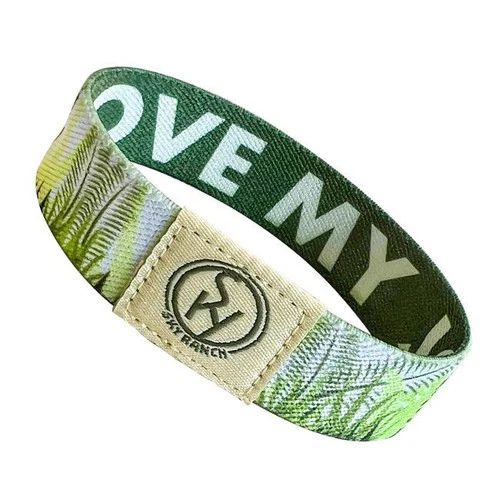
Fabric RFID wristbands are often the best fit for large festivals where security and attendee experience carry equal weight. They combine a woven or printed fabric strap with an embedded RFID chip and a tamper-resistant locking barrel. That setup makes them hard to transfer, hard to duplicate casually, and fast to scan at multiple checkpoints.
For multi-day festivals, that durability matters. Fabric bands stay readable even after long wear, weather exposure, and heavy movement in dense crowds. They also feel more premium, which helps when the wristband doubles as a keepsake.
“The strongest wristband programs don’t rely on one feature. They stack physical tamper evidence, digital verification, and clean staff training into one system.”
Best scenarios
Use fabric RFID when your event has re-entry, artist compounds, backstage routes, age-verified bars, camping access, or multiple ticket tiers. These bands shine where one attendee may pass through six or more controlled zones across several days.
Best Patches has seen this format work especially well when organizers want fewer manual checks. If every zone has a scanner and the permissions are assigned correctly, gate staff spend less time debating credentials and more time keeping traffic moving.

Vinyl Locking Wristbands for High-Volume Admissions
Where they outperform fancier options
Vinyl locking wristbands remain one of the most practical security choices for large festivals that need tough, visible, low-tech access control. Their strength is simple: they are difficult to tear, their snap closures are hard to reverse cleanly, and they cost less than RFID programs.
For events with a huge first-wave entry and fewer internal access layers, vinyl bands can be the sweet spot. Security teams can identify colors at a distance, which helps with perimeter checks and alcohol-age segmentation.
Limits you should not ignore
Vinyl bands are not a full fraud system. A sophisticated counterfeit operation can still mimic color and general appearance if you use plain stock. To strengthen them, add custom printing, sequential numbering, microtext, specialty inks, or weekend-specific color transitions. Without those details, vinyl can become too easy to fake at scale.
They also do little for data capture. If you need spend tracking, automated VIP validation, or attendance analytics by zone, vinyl alone will feel limiting.
Thermal Printable Wristbands for Flexible On-Site Operations
Why operations teams like them
Thermal printable wristbands give organizers a useful middle ground between static low-tech bands and fully connected RFID. Because you can print dates, names, ticket classes, age markers, or session windows on demand, they reduce the resale value of generic credentials and give staff a visible way to verify details quickly.
This is especially useful for hybrid festival formats with add-on tastings, late-release guest lists, press credentials, and same-day upgrades. Instead of ordering every variation in advance, your team can adjust on site.
The hidden requirement
The system only works if your printer stations are reliable and your staff is trained. A bottleneck at credential printing can erase the gains from flexible issuing. You need tested printer hardware, label calibration, backup stock, and a workflow for reprints that does not invite abuse.
Silicone NFC Wristbands for Brand-Led Activations
Where they make sense
Silicone NFC wristbands work well when the event experience itself is part of the product. Sponsor villages, sports festivals, gaming events, wellness weekends, and premium hospitality programs often like silicone because it looks sleek, feels comfortable, and supports tap-based interactions for check-in, lockers, sampling, or linked purchases.
They are also useful when the band may be reused or when the organizer wants a strong branded object that lives past the event. That can improve sponsorship value and guest recall.
Where they need backup controls
Silicone is not always the best pure anti-transfer solution. Depending on the clasp or stretch profile, a determined guest may remove and pass some silicone bands more easily than fabric or locked vinyl products. If your event has a serious scalping or credential-sharing problem, pair NFC silicone with identity matching at issue, PIN-linked wallets, or occasional scan validation in key zones.
According to Deloitte’s 2024 consumer signals work, convenience remains one of the biggest drivers of digital adoption across live experiences. Silicone NFC bands fit that preference well, but convenience should not outrun access discipline.
Hybrid QR and RFID Wristbands for Layered Security
Why hybrid systems are gaining traction
Hybrid wristbands combine an RFID chip with a printed QR code or serial number. For very large festivals, that redundancy is a major operational advantage. If a scanner battery dies, a network outage hits one gate, or a wristband chip becomes unreadable, staff still have a second validation route.
That backup path matters more than many organizers expect. Even a short disruption at entry can create line surges, frustrated guests, and security pressure at the perimeter.
“Redundancy is not wasteful in festival security. It is what keeps a small technical issue from turning into a crowd-management issue.”
What makes hybrids harder to run
You must coordinate both data and physical design. If the QR is easily photographed and reused without system checks, it can weaken the overall setup. Hybrid systems need thoughtful rules: one-time token logic, live redemption status, scanner synchronization, and clear exception handling for damaged bands.
Common Risks, Limits, and Hidden Costs
No wristband format is perfect. The strongest buying decisions come from understanding where each option can fail.
- Counterfeiting risk: Plain visual designs are easier to mimic. Custom inks, woven patterns, serialized data, and chip authentication help.
- Transfer risk: Some bands can be slipped off or cut and resealed if the closure is weak.
- Scanner dependency: RFID and NFC systems need tested readers, power planning, and network resilience.
- Data privacy exposure: Connected bands may interact with payment or guest identity systems, which raises compliance demands.
- Budget creep: The wristband unit price is only part of total cost. Hardware, software, encoding, staff training, and support often matter more.
According to Verizon’s 2025 Data Breach Investigations Report, human error and credential misuse remain common contributors to security incidents. In event operations, that translates into poor access rules, weak staff training, and sloppy exception handling. Even the best wristband cannot save a bad process.
How Best Patches Helped Festivals Tighten Access Control
A multi-day music event with counterfeit pressure
I worked with a regional festival team through Best Patches after they had a painful season with copied weekend bands and loose backstage control. Their old setup relied on generic color vinyl bands and visual checks. Staff were stopping guests often, but they still missed copied credentials because the bands looked close enough in low light.
We shifted them to a custom fabric RFID program with distinct woven branding, tamper-resistant locks, and role-based zone permissions. We also recommended separate scanner rules for artist access, VIP lounges, and re-entry gates. On the first day of the next festival, entry moved faster because staff stopped debating band colors and trusted the scan logic. The organizer’s post-event review showed a sharp drop in credential disputes and fewer manual overrides.
A food and beverage festival needing flexible credentialing
In another Best Patches project, I supported a city food festival that sold tasting packages, evening upgrades, and same-day press passes. Their main issue was not counterfeit risk alone; it was operational confusion. They needed bands that could be issued in real time without overprinting every possible variation weeks ahead.
We recommended thermal printable wristbands for timed tasting access and staff roles, combined with stronger visual markers for age-verified beverage zones. The team set up a clean issue desk, backup printers, and a controlled reprint policy. By the second event day, they were issuing late add-ons in minutes instead of hand-marking credentials. That reduced disputes at tasting lines and gave vendors more confidence in who was actually entitled to samples.
How to Choose the Right Wristband for Your Event
If you are comparing vendors or building your 2026 festival plan, use a structured decision process instead of shopping by unit price alone.
- Map your risk profile. Start with expected attendance, resale pressure, re-entry rules, and the number of restricted zones.
- Define your verification model. Decide whether access is visual only, scan-based, or layered with backup codes.
- Match material to wear time. One-night events can use simpler materials; multi-day events need stronger durability and comfort.
- Account for staffing reality. A sophisticated system with weak training often performs worse than a simpler one used correctly.
- Calculate full deployment cost. Include readers, printers, software, setup, on-site support, and replacement inventory.
- Test failure scenarios. Simulate damaged bands, dead scanners, poor weather, and guest disputes before doors open.
For many large festivals, the short answer looks like this: fabric RFID is the strongest all-around choice, vinyl locking bands are still excellent for high-volume lower-complexity admissions, thermal printable bands are ideal for operational flexibility, silicone NFC works best in brand-heavy engagement settings, and hybrid QR plus RFID is the smart move when resilience matters as much as speed.
Final Take and Next Actions
The best secure wristband is not always the most expensive one. It is the one that fits your event’s fraud risk, zone complexity, staffing capacity, and guest expectations. For large festivals in 2026, physical anti-tamper features alone are rarely enough. The strongest programs blend material choice, custom design, verification logic, and staff training into one access system.
Best Patches recommends these next actions for organizers planning a large festival:
- Audit your current entry and re-entry weak points before selecting any wristband format.
- Request samples of fabric RFID, locking vinyl, and thermal printable Event Wristbands and stress-test them in real conditions.
- Build a gate plan with backup validation steps so a small tech problem does not become a crowd problem.
References
- IBM Cost of a Data Breach Report 2024: Provided context on the financial risk tied to connected event systems and attendee data.
- Skift Meetings industry reporting, 2024: Supported the importance of smoother check-in and access management in live event operations.
- Deloitte consumer signals research, 2024: Helped frame why convenience-driven wearable interactions matter for attendee adoption.
- Verizon Data Breach Investigations Report 2025: Reinforced how human error and credential misuse affect real-world security outcomes.
FAQ
What are the most secure Event Wristbands for large festivals?
For most multi-day festivals, fabric RFID wristbands offer the strongest mix of anti-transfer security, fast scanning, and zone-based permissions. If you need a lower-tech option, locking vinyl wristbands are still highly effective for simple access control when paired with custom printing or serialization.
Are RFID festival wristbands worth the extra cost?
Usually, yes, if your event has multiple access levels or re-entry. RFID can reduce manual checks and improve reporting, but the real value shows up when you also need:
VIP, backstage, staff, or camping permissions
Faster gate throughput
Cashless or linked-wallet interactions
Better post-event access data
Can festival wristbands be copied or transferred?
Some can. That is why design and closure choice matter. The most common weak points are:
Generic stock colors with no unique print features
Closures that can be removed without obvious damage
QR codes that are not tied to live redemption logic
Poor staff enforcement at gates and restricted zones
Which wristband material is best for a multi-day outdoor event?
Fabric wristbands are usually the best choice for multi-day outdoor festivals because they hold up well against weather, sweat, and repeated scanning. If you do not need digital features, locking vinyl is a strong lower-cost alternative.
How far in advance should I order custom festival wristbands?
A safe window is four to eight weeks before the event, depending on customization and technology. For RFID or hybrid programs, allow extra time for:
Artwork approval and proofing
Chip encoding and testing
Scanner setup and training
Backup inventory planning
Does Best Patches help with secure custom wristband design?
Yes. Best Patches can support custom wristband planning with branded designs, material recommendations, and security-minded production choices such as tamper-resistant closures, custom print elements, and event-specific access strategies.