 Promotional Products












Why Event Wristbands Matter More Than Ever
Event Wristbands do much more than identify guests at the gate. They affect check-in speed, fraud prevention, brand perception, guest comfort, and even post-event data quality. If you choose the wrong band, small mistakes can turn into long entry lines, reprints, upset sponsors, and avoidable security gaps. That is why more organizers now treat wristbands as an operations decision, not just a giveaway item.
Best Patches has worked with event teams that needed wristbands for music festivals, school fundraisers, sports tournaments, hospitality activations, and multi-day conferences. The pattern is consistent: organizers who define their material, security, printing, and fulfillment needs early save money and reduce event-day stress. Organizers who shop only by unit price usually pay for it later in delays, waste, or poor attendee experience.
Event Wristbands are wearable identification bands used to manage entry, access levels, age verification, cashless activity, and branding at events. They can be made from materials such as Tyvek, vinyl, silicone, fabric, or RFID-enabled constructions, depending on the event’s size, duration, and security needs.
That simple definition hides an important truth: the best wristband is not the fanciest one. It is the one that matches your event’s traffic flow, risk level, budget, and audience expectations.
Table of Contents
- Why event goals should shape your wristband choice
- How material changes cost, comfort, and durability
- Why security features matter more in 2026
- How print quality affects brand trust
- When RFID and smart access are worth the investment
- What lead times and logistics can break an order
- How sustainability claims should be evaluated
- Which wristband type fits your event model
- How Best Patches approaches real-world wristband planning
- What to do next
Why Event Goals Should Shape Your Wristband Choice
The first mistake many buyers make is choosing a wristband style before defining what the band must actually do. A one-night bar event, a three-day festival, and a hospital fundraiser may all use Event Wristbands, but they do not have the same operational needs. One may need fast age verification. Another may need VIP zoning, anti-transfer security, and waterproof wear. Another may care most about donor branding and sponsor visibility.
Start by clarifying the job of the wristband in your event system. Ask whether it is primarily for:
- General admission control
- Tiered access such as VIP, backstage, or staff-only zones
- Age verification for alcohol service
- Cashless payments or ticket validation
- Sponsor branding and photo visibility
- Multi-day re-entry management
According to the 2024 Freeman Gen Z Report, younger attendees increasingly value seamless, low-friction event experiences over flashy extras. That matters because a wristband that speeds entry and reduces confusion often improves attendee satisfaction more than a decorative add-on ever could.
How Material Changes Cost, Comfort, and Durability
Material choice is where function and budget collide. The same artwork can look sharp on several wristband types, but wear time, moisture exposure, tamper resistance, and guest comfort vary widely.
Tyvek Works Best for Short, Budget-Driven Events
Tyvek-style paper wristbands are affordable, lightweight, and fast to deploy. They are common at nightclubs, school events, charity runs, and single-day festivals. They work well when cost control matters and the event does not demand premium branding. Their weakness is perceived value. If your brand positioning is upscale, Tyvek can feel too disposable.
Vinyl Supports Longer Wear and Better Tamper Resistance
Vinyl wristbands are stronger than paper options and are often chosen for water parks, resorts, and multi-day fairs. They resist tearing better and can support color-coding strategies. The tradeoff is comfort. Some guests find vinyl less breathable in hot weather.
Fabric Delivers Premium Branding for Multi-Day Use
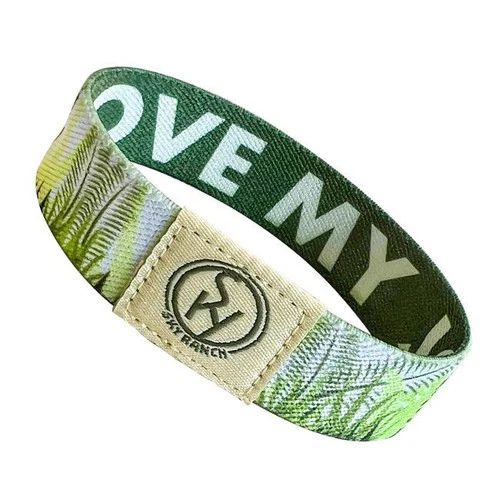
Fabric Event Wristbands have become a favorite for festivals and premium experiences because they look better in photos, feel more collectible, and can carry woven or printed branding. If your attendees are likely to keep the band as a souvenir, fabric creates a stronger emotional and social-media afterlife. It does, however, require more planning because custom fabrication usually needs longer lead times.
Silicone Serves Niche Promotional and Cause-Based Events
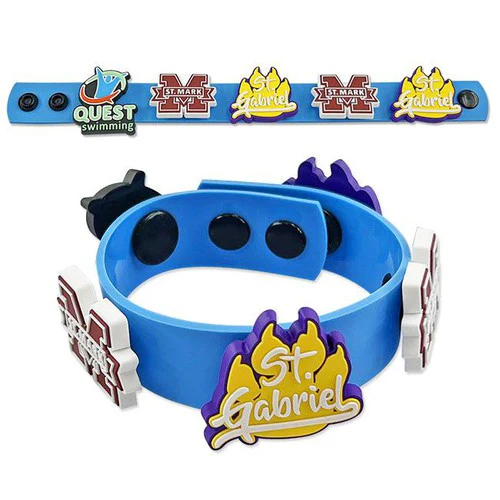
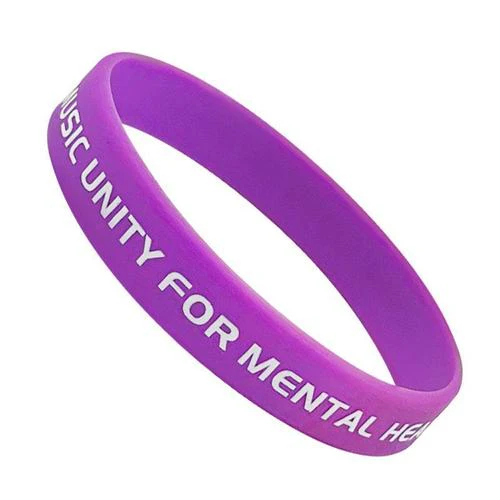
Silicone bands are durable and comfortable, but they are not always the best access-control tool unless your event design intentionally uses them for awareness campaigns, school spirit, or longer-term promotional wear. They are often better for message retention than gate control.
| Event Type | Recommended Wristband | Primary Business Goal | Common Risk |
|---|---|---|---|
| Local brewery tasting | Tyvek with age-color coding | Fast check-in and age verification | Easy duplication if no serial control is used |
| Three-day music festival | Fabric with tamper closure | Branding, re-entry, anti-transfer security | Late production causing shipment stress |
| Resort pool access | Vinyl waterproof band | Durability in wet conditions | Guest discomfort in extreme heat |
| Tech conference VIP program | RFID fabric band | Access control and attendee tracking | Overspending if RFID features are underused |
“The right material is the one guests stop noticing because it works so well. The wrong material becomes part of the complaint list by noon.”
Why Security Features Matter More in 2026
Counterfeit entry is not just a festival problem anymore. Smaller events are also facing screenshot fraud, unauthorized re-entry, and informal wristband swapping. As ticket prices rise, the incentive to cheat rises with them. That puts more weight on wristbands that cannot be easily transferred or copied.
Strong security options include serialized numbering, barcodes, QR integration, tamper-evident closures, unique color rotations by day, holographic foil accents, and RFID chips for high-control environments. You do not need every feature, but you do need the ones that address your event’s actual risk profile.
According to the 2025 Event Industry Council trend outlook, organizers continue prioritizing attendee safety, operational control, and measurable access systems. Wristbands sit at the intersection of all three. If your team is still using generic unnumbered bands for a high-volume event, that is an avoidable weak point.
The challenge is balance. More security usually means higher unit cost, longer setup, and more coordination between production and onsite staff. If the event is small and local, overbuilding security can waste budget. If the event is large and premium, underbuilding it can create costly fraud.
How Print Quality Affects Brand Trust
Event buyers sometimes treat decoration as an aesthetic afterthought. That is a mistake, especially when the wristband becomes part of the guest’s first physical brand touchpoint. Fuzzy logos, off-brand colors, poor edge finishing, or unreadable text can make an event feel less organized before the program even begins.
Print quality matters in three ways. First, it helps staff identify access levels quickly. Second, it supports sponsor visibility and photo readiness. Third, it shapes perceived professionalism. At a crowded check-in table, legibility beats artistic complexity every time.
When reviewing proofs, pay attention to:
- Color consistency with your event branding
- Readable text size for staff at arm’s length
- Contrast between background and access markers
- Placement of serial numbers, barcodes, or QR elements
- Whether the print method matches the material surface
I have seen organizers approve beautiful digital mockups that failed in real-world lighting because metallic ink reduced readability. At Best Patches, we now push clients to think about scanning speed, sweat, sun glare, and nighttime visibility before approving final art. That extra conversation has prevented more than one expensive reprint.
When RFID and Smart Access Are Worth the Investment
RFID-enabled Event Wristbands can handle access control, cashless payments, attendance tracking, activation engagement, and data collection. They are powerful, but they are not automatically necessary. The smartest buyers ask whether RFID solves a real operational issue or simply sounds modern.
RFID tends to make sense when your event has multiple access zones, high guest volume, strong sponsor activation needs, or a need to measure movement and participation. According to Skift Meetings in 2024, event planners are putting greater pressure on technology investments to prove efficiency and data value, not just novelty. That is exactly the right lens for RFID.
RFID may not be the best use of budget when your event is small, single-zone, or staffed by a team that cannot properly support scanners, credential logic, and troubleshooting. Technology adds capability, but it also adds dependency. If the onsite system fails, your backup process must be ready.
A good decision framework is simple:
- Map every guest touchpoint from check-in to exit.
- Identify where delays, fraud, or missing data currently happen.
- Estimate whether RFID reduces those costs enough to justify setup and hardware.
- Test scanner flow with real staffing assumptions.
- Build a manual fallback plan before launch day.
What Lead Times and Logistics Can Break an Order
Even a perfect wristband spec fails if it arrives late, ships incomplete, or lacks clear packing logic. Lead time is one of the least glamorous factors in the buying process, but it is often where event teams get burned.
Custom fabric bands, RFID orders, special inks, and large-volume runs usually need more production time than simple paper bands. International shipping, customs delays, artwork revisions, and holiday congestion can stretch timelines further. If your event date is fixed, your buying schedule needs buffer built into it.
At Best Patches, I once worked with a regional sports organizer that had split access by players, coaches, vendors, and VIP guests. Their first supplier quoted an attractive unit price but could not package the order by access group. That meant staff would have had to sort thousands of mixed wristbands by hand the day before gates opened. We restructured the order into labeled batches, assigned distinct visual cues, and aligned delivery with the team’s credential stations. The result was not just a cleaner shipment. It cut setup confusion dramatically and reduced line buildup at first entry.
That experience reinforced a rule I now recommend to every buyer: logistics is part of product quality. If your supplier cannot explain packaging, overrun handling, replacements, and delivery checkpoints, you do not yet have a reliable order.
How Sustainability Claims Should Be Evaluated
Sustainability is now a real buying factor, but it is also an area where vague marketing can mislead event teams. Words like eco-friendly and green mean very little without context. You need to ask what the material is, how it is sourced, whether it is recyclable or compostable in actual local systems, and what tradeoffs exist in durability or print performance.
According to a 2024 report from Deloitte on consumer behavior, many buyers say sustainability affects purchase decisions, but they still expect convenience and quality. Event attendees behave the same way. A sustainable wristband that tears too easily or jams check-in lines will not feel like a win.
Ask suppliers direct questions such as:
- What is the base material, specifically?
- Is the sustainability claim third-party verified?
- Will inks, closures, or RFID components affect end-of-life disposal?
- Does the greener option change wear life or readability?
- Can packaging also be reduced or consolidated?
The practical view is best: choose the most responsible option that still performs well for your event conditions. Sustainability should improve your event system, not compromise it.
Which Wristband Type Fits Your Event Model
There is no universal best choice, only a best-fit choice. If your event is price-sensitive and short, Tyvek may be exactly right. If your audience expects a premium experience and souvenir value, fabric will often outperform cheaper alternatives. If your environment is wet or high-friction, vinyl may be the safer choice. If you need digital verification and behavior data, RFID becomes a stronger candidate.
Here is a practical decision filter you can use during planning meetings:
- Use Tyvek when speed and low cost matter most.
- Use vinyl when water exposure and wear resistance are priorities.
- Use fabric when branding, comfort, and multi-day use matter.
- Use silicone when the band is more promotional than operational.
- Use RFID-enabled options when access control and measurable engagement justify the extra setup.
One caution: copying what another event uses can be expensive if your goals are different. A music festival’s wristband logic may not suit a conference. A conference system may be excessive for a school fundraiser. Fit matters more than trend.
How Best Patches Approaches Real-World Wristband Planning
When Best Patches helps clients source Event Wristbands, the process starts with event flow, not artwork. We ask how many entrances exist, whether re-entry is allowed, how access tiers are separated, what staff can realistically manage, and how far in advance the order needs to land. That operational lens catches issues that product catalogs alone do not.
I remember a client running a multi-day community festival with both general admission and sponsor lounges. They initially wanted one premium-looking band for everyone. On paper, that seemed neat. In practice, it would have slowed visual checks and made lounge enforcement difficult. We recommended a more layered setup: fabric bands for premium tiers, clearly coded daily controls for staff, and easy visual differentiation from general admission. The result felt cleaner to guests and easier for security teams. More importantly, the client stopped relying on constant manual explanations at each restricted area.
That is the bigger lesson. Good wristbands reduce the number of decisions your staff must make under pressure. They support consistency. They lower friction. They let your event team focus on service instead of solving preventable access problems all day.
“A wristband should act like silent infrastructure. If staff has to keep interpreting it, the system was not designed tightly enough.”
What to Do Next
The best Event Wristbands in 2026 are the ones that match your event’s real operating conditions. Material, security, print quality, data needs, lead time, and sustainability all matter, but they do not matter equally for every event. Start with function, then narrow your options by wear time, risk level, guest expectations, and logistics.
Best Patches recommends three practical next steps:
- Audit your event flow and define exactly what the wristband must control.
- Request samples or proof photos for the materials most likely to fit your event.
- Lock your timeline early, including artwork approval, packaging needs, and backup quantities.
If you handle those steps before comparing prices, you will make a better buying decision and avoid the rushed compromises that cause most event-day wristband problems.
References
- Freeman Gen Z Report 2024 — Provided insight into attendee expectations for smoother, lower-friction event experiences.
- Event Industry Council 2025 trend outlook — Supported the discussion around safety, operational control, and measurable event systems.
- Skift Meetings 2024 coverage and planner analysis — Informed the section on event technology ROI and why RFID must justify its cost.
- Deloitte 2024 consumer sustainability research — Added context on how buyers weigh sustainability against convenience and performance.
FAQ
What are the best Event Wristbands for a multi-day festival?
-
Fabric wristbands are usually the strongest choice for multi-day festivals because they are comfortable, durable, harder to transfer, and better for premium branding. If access control is more complex, RFID-enabled fabric bands can add re-entry management and zone-based permissions.
Which material is most affordable for short events?
-
Tyvek-style wristbands are usually the most budget-friendly option for one-day events, school functions, local tastings, and basic admission control. They are easy to distribute and cost-effective in bulk, though they feel less premium than fabric or vinyl.
Are RFID wristbands worth it for smaller events?
-
Sometimes, but not always. RFID makes sense when you need tighter access control, cashless payments, attendee tracking, or sponsor activation data. For a small single-zone event, the extra hardware and setup may not deliver enough return.
How far in advance should I order custom wristbands?
-
For simple stock or lightly customized bands, a shorter lead time may work. For fabric, RFID, or large-volume orders, it is safer to order several weeks ahead and leave room for proofing, production, shipping, and unexpected delays. Earlier is always better when your event date cannot move.
What security features should custom wristbands include?
-
The right mix depends on your event risk. Common options include:
Serialized numbering for tracking
Tamper-evident closures to prevent transfer
Unique daily colors for multi-day control
Barcodes or QR codes for scanning
RFID chips for advanced access management
Are sustainable wristbands actually practical for live events?
-
Yes, if the material still matches your event conditions. A sustainable option should be evaluated for durability, readability, disposal reality, and whether closures or embedded tech affect end-of-life handling. The most responsible choice is one that works well without creating new operational problems.