 Promotional Products




Why sourcing feels harder than it should
If you need Custom keychains in bulk, the real challenge is rarely finding a factory. The hard part is finding a supplier that can hit your price target, keep quality consistent, communicate clearly, and deliver on time without turning a simple promo item into a costly headache. That matters whether you run an e-commerce brand, a school fundraiser, a trade show team, or a merch program with thousands of units on the line.
At Best Patches, we see the same pattern again and again: buyers rush into quoting, compare only unit price, and miss the details that actually decide profit margin and customer satisfaction. Lead time, attachment hardware, print durability, plating quality, packaging, and freight terms usually matter more than shaving a few cents off the first quote.
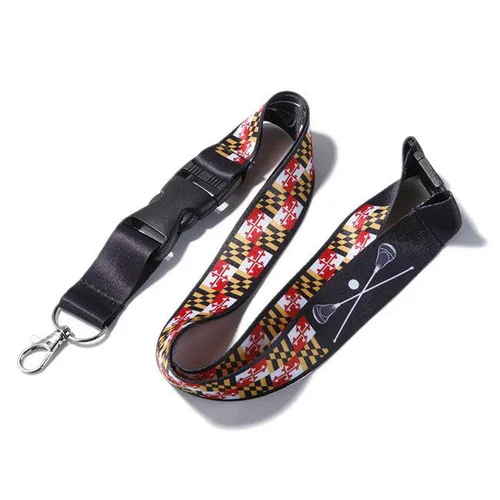
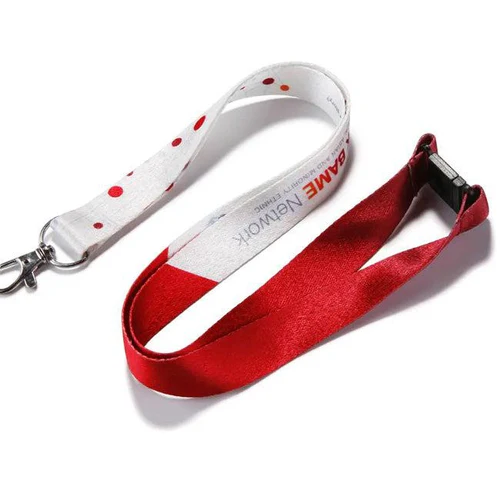
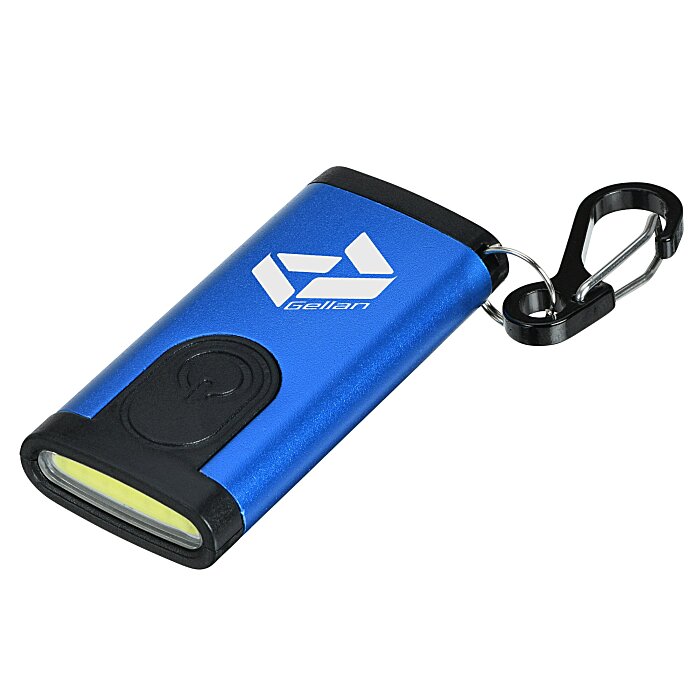
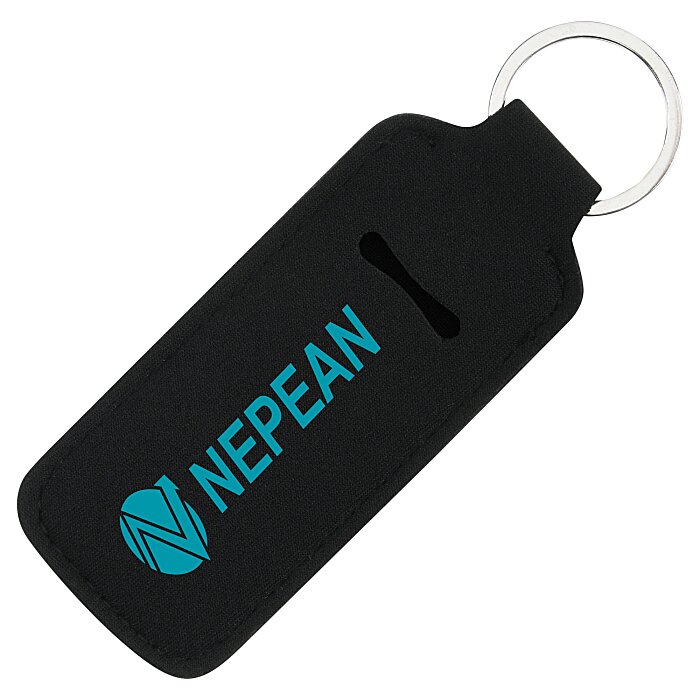
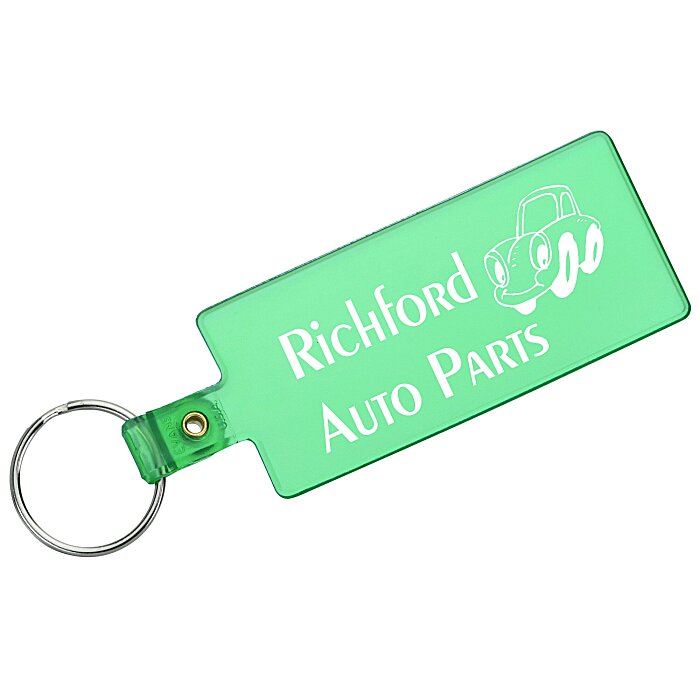
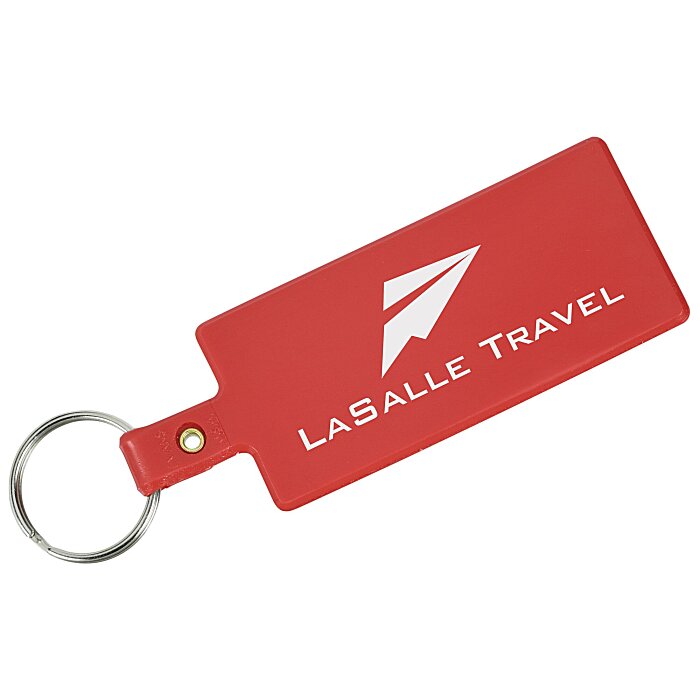
Custom keychains in bulk are personalized keychains ordered in larger quantities for business promotion, retail resale, events, clubs, or internal branding. They are commonly made from acrylic, PVC, metal, leather, or wood, and the final cost depends on design complexity, order volume, packaging, and shipping method.
The good news is that global sourcing is much easier when you break it into three practical decisions: what you are making, who should make it, and how you will control production before the shipment leaves the factory.
Table of Contents
- Choosing the right keychain style for your goal
- The three-part sourcing process
- How to compare suppliers across regions
- What really changes bulk pricing
- Quality control points buyers often miss
- A real sourcing case from Best Patches
- Risks, delays, and compliance issues
- What is changing in 2026
- How to place a smarter first order
Choosing the right keychain style for your goal
Not every keychain works for every brand. A fan-art shop may want bright acrylic with character shapes. A corporate giveaway may need plated metal with a clean logo. A nonprofit campaign might prioritize low cost and fast turnaround over premium feel. Start with use case first, then source backward from there.
Here is the simplest way to think about materials:
- Acrylic: best for colorful art, influencer merch, artist stores, and low-to-mid budget runs.
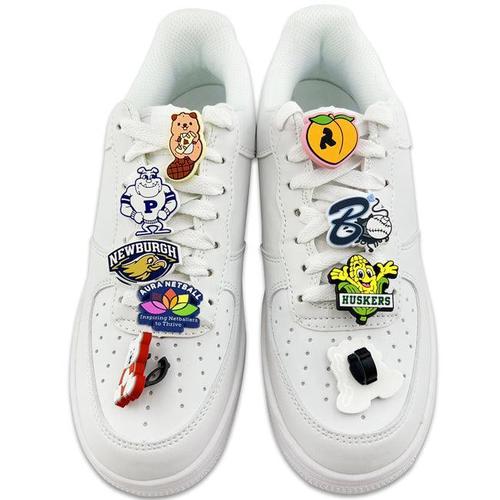
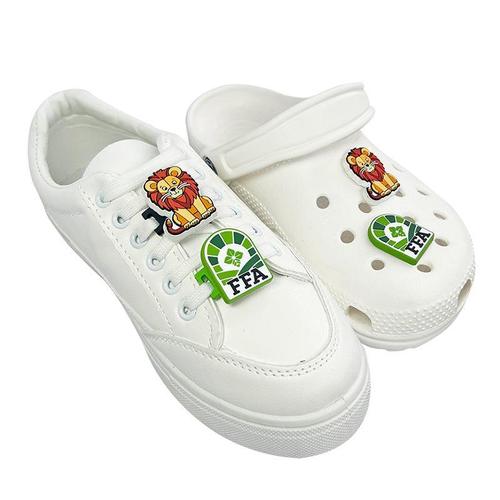
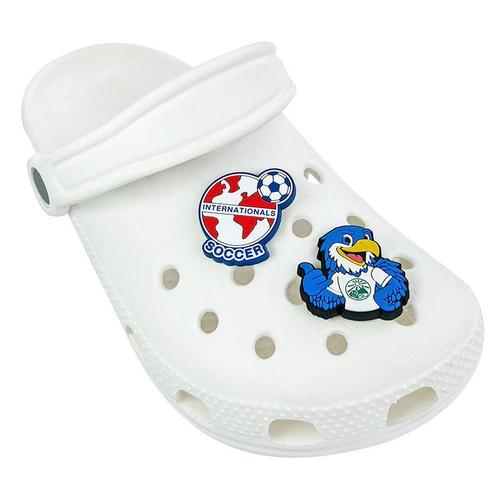
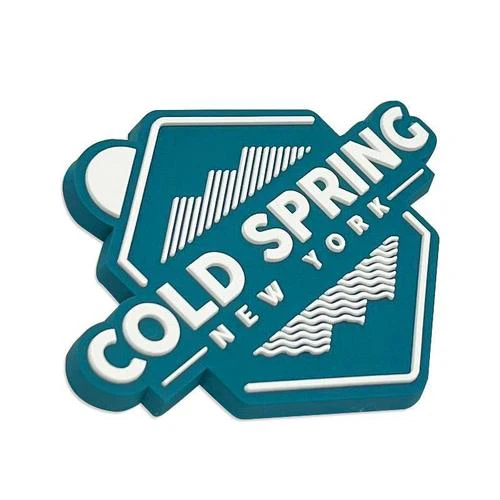
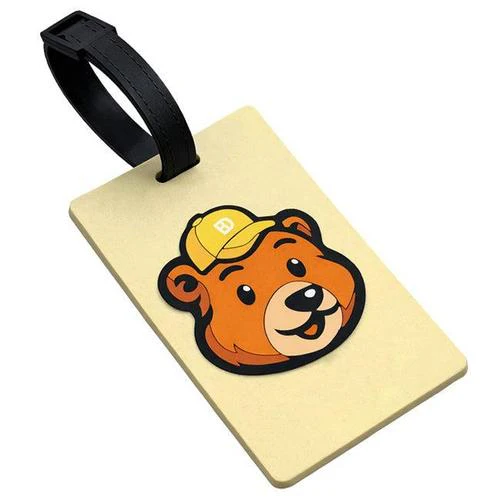
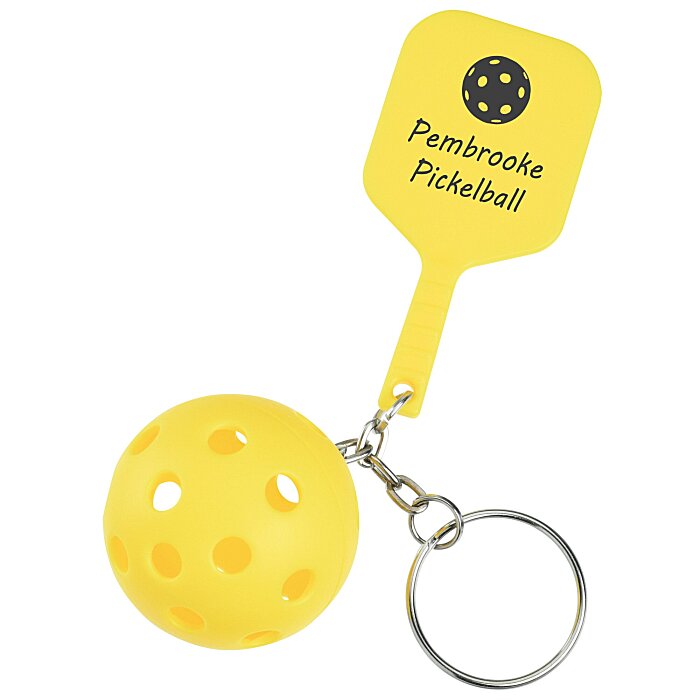
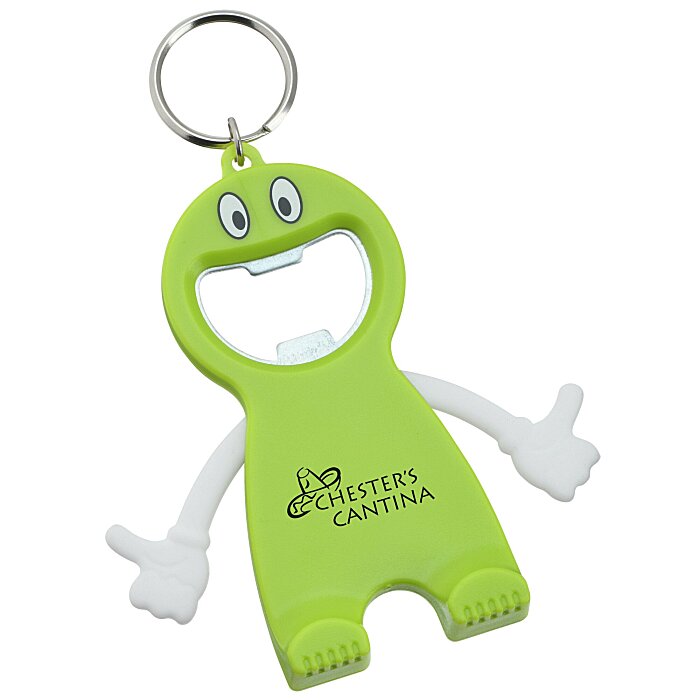
- Soft PVC: strong for playful branding, mascots, outdoor use, and tactile designs.
- Metal: ideal for premium promotions, automotive brands, real estate gifts, and long-term durability.
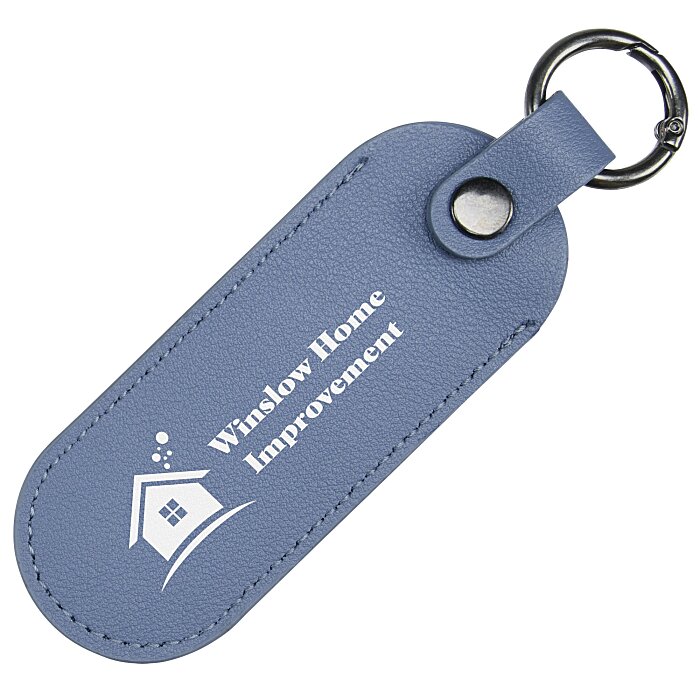
- Leather or faux leather: suitable for hospitality, lifestyle brands, and executive gifts.
- Wood or cork: useful when sustainability messaging is central to the campaign.
According to the Promotional Products Association International 2024 consumer study, useful promotional products tend to keep stronger retention value than disposable event handouts. That is exactly why keychains still perform well: they are inexpensive, visible, and repeatedly handled.
| Business Scenario | Best Material | Typical Bulk Range | Why It Fits |
|---|---|---|---|
| Anime merch store launch | Acrylic | $0.55-$1.20 per piece | Vivid printing, easy die-cut shapes, strong resale appeal |
| Auto dealership giveaway | Metal zinc alloy | $1.40-$2.80 per piece | Premium feel, longer lifespan, brand looks established |
| School fundraiser | Soft PVC | $0.70-$1.60 per piece | Kid-friendly, colorful, durable, budget-conscious |
| Boutique hotel gift set | Leather or faux leather | $1.80-$3.50 per piece | Matches upscale presentation and hospitality branding |
The biggest mistake here is choosing a material based on trend photos alone. Ask how the item will be handled, whether it will live on a backpack or a car key ring, and whether the design relies on fine detail, soft color gradients, or metallic finishes.
The three-part sourcing process
Buyers often overcomplicate global sourcing. The most reliable process is surprisingly plain: define the product clearly, qualify the supplier carefully, and approve production only after a proof and sample check.
- Write a tight product brief. Specify material, size, thickness, print method, attachment, packaging, target budget, destination country, and delivery date. If you skip any of these, the quote will be less accurate and later revisions will cost time.
- Shortlist suppliers by fit, not by lowest price. Ask for examples in the same material and ask how they handle color matching, defect rates, and replacement policy.
- Control the pre-production phase. Approve a digital proof, then request a physical sample for larger orders or high-value campaigns. Finalize shipping terms before mass production starts.
This is where many first-time buyers save money without trying to negotiate aggressively. A clean brief reduces misunderstanding, and fewer misunderstandings mean fewer remakes, less rush freight, and less dead inventory.
“The supplier that asks the best questions is often safer than the supplier that answers fastest. Good factories know where orders usually go wrong and surface those risks early.”
How to compare suppliers across regions
Worldwide sourcing usually means comparing manufacturers or trading partners in China, Vietnam, India, Turkey, Mexico, or domestic U.S. distributors. Each option has trade-offs. China still leads on scale, tooling flexibility, and category depth for many custom promotional items. Nearshoring options can reduce shipping complexity or improve response time, but often at a higher unit cost or with fewer finish options.
According to the 2024 DHL Trade Atlas, trade diversification continues to reshape sourcing networks, with many buyers spreading production across multiple countries to reduce disruption risk. For keychain buyers, that does not mean abandoning one region entirely. It means building backup options before you need them.
When you vet suppliers, ask questions that reveal operating maturity:
- What is your normal lead time for this material?
- Can you share recent projects similar in finish and attachment?
- Do you provide Pantone matching?
- What defect rate do you consider acceptable before replacement?
- How do you pack each piece and the master carton?
- Who pays if customs documentation is incomplete?
A polished website is useful, but production competence shows up in specs, not slogans. A good supplier will talk naturally about tolerances, plating consistency, edge finishing, and packaging protection.
What really changes bulk pricing
Buyers usually focus on quantity breaks, but bulk cost is shaped by several moving parts. Some are obvious, like order volume. Others are hidden, like hardware upgrades, back printing, individual polybags, or split shipments to multiple addresses.
The main price drivers for Custom keychains in bulk are:
- Material choice and thickness
- Size and custom shape complexity
- Color count or printing method
- Plating, epoxy, glitter, or special effects
- Attachment type such as lobster clasp, swivel, or standard split ring
- Individual packaging and retail cards
- Sampling, tooling, and mold charges
- Shipping mode: air, express, sea, or consolidated freight
For example, a 500-piece acrylic run with standard hardware may be significantly cheaper than a 500-piece die-cast metal order with custom backing cards and a premium finish. Buyers sometimes compare those two quotes as if they were equivalent products. They are not.
One useful benchmark comes from the 2025 ASI Ad Impressions study, which continues to show that practical promotional products can deliver repeated brand exposure over time. That repeated use supports spending slightly more on durability when the keychain represents your brand in the field for months rather than days.
Quality control points buyers often miss
Quality problems in keychains are rarely dramatic at first glance. More often, they show up in the details: weak jump rings, scratches under film, inconsistent enamel fill, rough edges, off-center holes, or print fading after a few weeks of use. If you do not define acceptance standards early, disputes become subjective.
Use a practical quality checklist before production starts:
- Confirm exact dimensions and thickness tolerance
- Approve front and back artwork placement
- Specify protective film for acrylic where needed
- Verify metal color, plating finish, and anti-scratch handling
- Test attachment strength and ring closure
- Review packaging method for transit protection
- Request pre-shipment photos of random cartons
If your order is for resale, packaging matters almost as much as the product. Bent backing cards, scuffed surfaces, or mixed SKUs can hurt customer reviews even when the actual keychain is fine.
“For small accessories, the attachment hardware is the failure point more often than the body itself. Buyers should test rings, clasps, and chain links, not just the printed artwork.”
A real sourcing case from Best Patches
Last year, I worked with a retail client through Best Patches that needed a rush order of custom acrylic keychains for a convention launch. They had already collected quotes from multiple vendors, but every supplier was pricing a different product because the brief was vague. Some quoted 2 mm acrylic, some 3 mm, some included double-sided print, and others assumed single-sided with epoxy. The cheapest quote looked great until we normalized the specifications and found it excluded packaging and upgraded clasps.
I helped the client rebuild the request into a clean sourcing sheet with artwork specs, size, hole placement, hardware type, packaging, and target in-hand date. Once all suppliers quoted the same thing, the price gap narrowed dramatically. More importantly, the supplier we selected had clearer proofing, stronger communication, and a better replacement policy. The client launched on time and sold through the first batch faster than expected.
In another project, a service business wanted premium metal keychains for customer retention gifts. They initially planned to use a shiny finish because it photographed well, but our sample review showed fingerprints and hairline scratches too easily for the intended use. We switched to a matte antique finish with slightly thicker material. The unit cost increased, but the perceived value jumped. Their team later told us the keychains felt like a real gift instead of a standard giveaway.
That is the part buyers often miss: the best sourcing result is not the lowest invoice. It is the highest confidence that the delivered item will match the brand promise.
Risks, delays, and compliance issues
Global sourcing is never risk-free. The smart move is to identify the weak spots before production starts.
Common risks include:
- Artwork rights issues: copyrighted characters, logos, or licensed imagery can create legal and marketplace problems.
- Color mismatch: screen previews do not always match physical output, especially across materials.
- Shipping delays: customs holds, port congestion, weather disruption, or courier backlogs can affect delivery.
- Hidden landed costs: duties, brokerage fees, local delivery charges, and rushed air freight can erase your margin.
- Inconsistent repeat orders: a reorder can vary if you do not lock the spec sheet and approved sample.
According to the 2024 National Retail Federation supply chain coverage and industry tracking, buyers across categories still face pressure from variable freight costs and demand planning uncertainty. Even small items like keychains are not immune. Tiny products can generate outsized problems if they are time-sensitive for an event or launch.
To reduce risk, keep one approved sample, one final artwork file set, and one written spec sheet for every repeat order. That simple discipline can save weeks of back-and-forth later.
What is changing in 2026
The market for custom accessories is getting more design-driven and more operationally disciplined at the same time. Buyers want low minimums, fast proofs, retail-ready packaging, and materials that support brand values.
Here are the trends worth watching in 2026:
- Shorter test runs before scale: brands are validating designs in small batches, then placing larger repeat orders on proven winners.
- Retail-style presentation: header cards, branded inserts, and barcode-ready packaging matter more for online resale.
- Eco-leaning materials: recycled acrylic alternatives, wood, cork, and lower-waste packaging are seeing more interest.
- More complex attachments: swivel clasps, phone charm options, and multi-use accessories are expanding beyond the classic split ring.
- Supplier transparency: buyers increasingly ask about origin, factory processes, and consistency controls before placing larger orders.
That shift favors organized buyers. If you can provide clear files, realistic timelines, and accurate reorder data, suppliers are more likely to prioritize your project and maintain better consistency.
How to place a smarter first order
If you are sourcing for the first time, do not start with your biggest possible order. Start with the smallest order that still gives you useful data. For some brands, that means a paid sample plus a pilot run. For others, it means two competing samples from different suppliers before choosing a production partner.
A smarter first order usually follows this pattern:
- Finalize artwork and target audience use case.
- Choose one material and one backup option.
- Request apples-to-apples quotes from at least three suppliers.
- Compare not only price but proofing speed, sample quality, packaging, and responsiveness.
- Place a pilot order before scaling to a major event, store launch, or national campaign.
This approach slows you down by a few days at the front end and saves you from expensive surprises later. It is especially useful when your keychain is part of a larger merchandise strategy rather than a one-off promo item.
Final take and practical next moves
The fastest way to source well is to stop treating keychains like a commodity. Material, finish, hardware, packaging, and freight terms all affect whether the order actually works for your brand. A low quote can still become a bad buy if quality slips or delays force emergency shipping.
Best Patches recommends three next moves:
- Create a one-page sourcing brief before you ask for quotes.
- Request one value-engineered option and one premium option from each supplier.
- Approve a sample or proof against a written quality checklist before mass production.
If you follow that process, your first global order becomes far more predictable, and your repeat orders become much easier to scale.
References
- Promotional Products Association International, 2024 consumer research: provided context on the staying power and usefulness of promotional products.
- DHL Trade Atlas 2024: highlighted ongoing trade diversification and the value of flexible sourcing networks.
- ASI Ad Impressions Study 2025: reinforced the brand exposure value of practical promotional items used repeatedly.
- National Retail Federation 2024 supply chain reporting: informed the discussion around freight variability and delivery risk.
FAQ
What is the best material for custom keychains?
It depends on use. Acrylic is great for colorful merch and lower costs, metal works best for premium promotions, and PVC is ideal when you want flexibility and durability. The right choice comes down to your brand image, budget, and how the keychain will be used.
How many Custom keychains in bulk should I order first?
For a first order, many buyers start with 100 to 300 pieces if the supplier allows it. That gives you enough units to test quality, packaging, and demand without overcommitting cash. If the keychains are for a major event, add a safety buffer for damaged or lost units in transit.
What file format should I send to a keychain supplier?
Most suppliers prefer:
AI or SVG for vector artwork
PDF for proof sharing
PNG at high resolution for simple printed artwork
Outlined fonts and clearly labeled layers for front, back, and cut line
How much do bulk custom keychains usually cost?
A realistic range looks like this:
Acrylic: about $0.55-$1.50 each in bulk
PVC: about $0.70-$1.60 each
Metal: about $1.40-$3.00 or more
Packaging, special hardware, and air shipping can raise the landed cost quickly
Do keychain manufacturers require minimum order quantities?
Yes. Many suppliers set MOQs between 50 and 300 units, depending on material and customization level. Acrylic tends to allow lower MOQs, while metal and molded products may require higher minimums because of setup or tooling costs.
Should I request a sample before mass production?
If the order is valuable, time-sensitive, or intended for resale, yes. A sample helps you verify color, finish, hardware, print quality, and packaging. It is one of the easiest ways to avoid costly production mistakes.