 Promotional Products





Why smart sourcing changes the result
If you are buying Custom keychains in bulk, the biggest risk is not paying too much. It is paying for products that look great in a mockup and disappointing once they arrive. Weak plating, cloudy acrylic, bad edge finishing, off-center print registration, and loose jump rings can turn a low-cost order into a brand problem fast.
That is where Best Patches stands out. As a supplier-focused brand that works with custom merchandise buyers, event teams, apparel brands, schools, and resellers, we have seen the same pattern repeatedly: the best orders are not won by chasing the lowest quote. They are won by asking better questions before production begins.
Custom keychains in bulk means ordering personalized keychains at higher quantities, usually for promotions, retail, fundraising, employee gifting, or fan merchandise. These orders are often produced with custom artwork, logos, shapes, colors, and attachment styles. Bulk production lowers unit cost, but quality depends heavily on the supplier’s process controls.
If you want better margins, fewer defects, and a product people actually keep on their keys or bags, supplier selection matters more than almost any other variable.
Table of Contents
- How to evaluate a supplier before you buy
- Materials that affect durability, cost, and brand perception
- What bulk pricing really includes
- Quality control checkpoints that reduce costly mistakes
- Lead times, shipping, and timeline planning
- What we learned at Best Patches from real client orders
- Common sourcing risks and how to prevent them
- Keychain trends shaping 2026 orders
- A practical buying checklist for your next order
How to evaluate a supplier before you buy
A polished catalog does not prove manufacturing discipline. A real supplier should be able to explain materials, production methods, tolerances, packaging options, and defect handling without being vague. If the conversation stays at the level of “we can do anything,” you should be careful.
According to the 2024 State of B2B E-commerce report from Shopify, business buyers increasingly expect transparency around production, lead times, and order status, not just product availability. That expectation applies directly to promotional products and custom accessories. Buyers want predictable outcomes, not just low quotes.
Start by vetting suppliers on five basic points:
- Material clarity: Can they specify acrylic thickness, metal composition, enamel type, and plating finish?
- Sampling process: Do they offer digital proofs, pre-production samples, or photos before mass production?
- Hardware quality: Are rings, lobster clasps, jump rings, and chains tested for strength?
- Packaging options: Can they support retail cards, barcodes, polybags, or gift-ready sets?
- Defect policy: Do they define acceptable tolerance and replacement terms in writing?
One of the simplest ways to identify a strong partner is to ask for close-up production photos of edges, attachment points, and print detail. Wide-angle product shots hide flaws. Macro images tell the truth.
“A supplier is only as good as their repeatability. One beautiful sample means very little if the next 1,000 units vary in color, cut, or hardware strength.”
Materials that affect durability, cost, and brand perception
Material choice changes more than appearance. It affects feel, lifespan, shipping cost, production speed, and perceived value. A nonprofit handing out event swag may prioritize affordability and color pop. A premium streetwear brand may need weight, texture, and a more collectible finish.
Acrylic keychains
Acrylic remains one of the most common options for bulk orders because it balances cost, color vibrancy, and fast production. It works especially well for artist merch, fandom products, school clubs, and e-commerce inserts. The weak points are edge scratches, cloudy finish if low-grade material is used, and peeling if print layers are poorly protected.
Soft PVC keychains
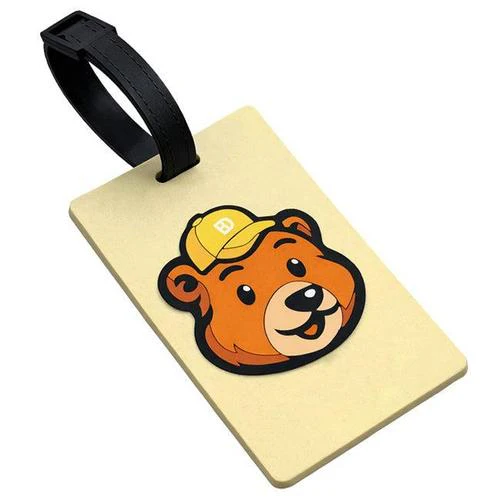
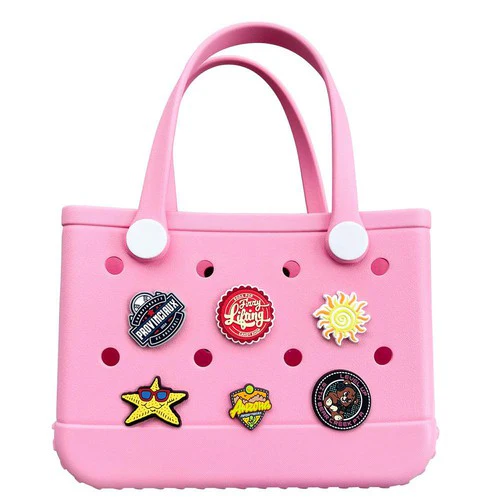
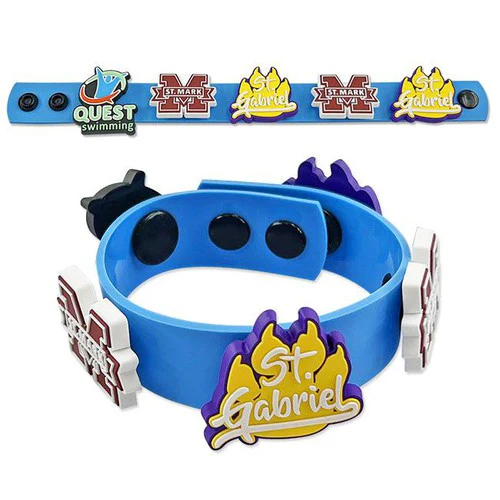
Soft PVC is flexible, durable, and excellent for logos or mascot shapes with strong color blocking. It is forgiving in shipping and resists cracking better than brittle low-end acrylic. It can, however, look less premium than metal in luxury branding settings.
Metal keychains
Metal offers the highest perceived value for many business buyers. Die-struck, enamel-filled, laser engraved, or cut-out metal keychains work well for automotive businesses, hospitality groups, universities, and corporate gifting. The main concerns are setup cost, mold fees, and plating quality. Cheap plating wears quickly and leaves a disappointing finish.
Wood and eco-forward materials
Wood, bamboo, and cork are becoming more relevant as buyers ask for lower-impact merchandise. A 2024 Deloitte consumer trends analysis showed continued demand for products aligned with sustainability values, especially among younger buyers. That does not mean every buyer will pay more, but it does mean eco-materials can help support a brand story when used authentically.
| Material Type | Best Business Use | Typical Unit Cost Range | Main Tradeoff |
|---|---|---|---|
| Acrylic | Artist shops, conventions, online merch drops | $0.55 to $1.40 | Can scratch if edge and coating quality are weak |
| Soft PVC | Schools, sports teams, mascot branding | $0.80 to $1.80 | Less premium feel than metal |
| Zinc alloy metal | Corporate gifts, automotive, hospitality | $1.60 to $3.40 | Higher mold and finishing cost |
| Wood or bamboo | Eco-conscious brands, museums, craft retail | $1.10 to $2.50 | Color detail can be more limited |
What bulk pricing really includes
A cheap quote is often incomplete. Many first-time buyers compare only unit price and miss the cost stack behind it. That is where margin gets squeezed later.
For custom keychains, pricing usually includes some combination of artwork prep, mold or die charges, print setup, material cost, hardware, packaging, inspection, and freight. Not every supplier breaks these out clearly. Some hide them in a low quote and recover margin through expensive shipping or lower-grade hardware.
When you request pricing, ask for a line-by-line breakdown that includes:
- Base unit cost by quantity tier
- Tooling or mold fees, if any
- Attachment hardware type and finish
- Individual packaging cost
- Proofing or sample charges
- Shipping method and transit estimate
- Tariff exposure or import duty responsibility
According to the 2025 IPC manufacturing outlook, electronics-adjacent and fabricated component supply chains have remained sensitive to freight volatility and regional disruptions. While keychains are simpler products, the same lesson applies: transportation and timing can erase your savings if they are not planned early.
For many buyers, the better strategy is not the lowest unit price. It is the lowest usable cost per sellable unit after defects, delays, and replacement risk are considered.
Quality control checkpoints that reduce costly mistakes
Quality issues in keychain production are rarely random. They usually come from missing checkpoints. Good suppliers build inspection into the workflow. Weak suppliers rely on end-of-line sorting, which is too late.
Artwork and proof accuracy
Before production starts, confirm cut lines, bleed, hole placement, color references, backing print, protective film, and attachment position. If the keyring hole sits too close to the edge, breakage risk goes up. If the artwork does not account for the jump ring location, faces and logos can be visually cropped even when technically printed correctly.
Material and finish inspection
For acrylic, check thickness consistency, transparency, edge smoothness, and protective layering. For metal, check plating adhesion, fill quality, recessed detail, and sharp edges. For PVC, verify that color zones are clean and that thin protruding shapes are not likely to tear over time.
Hardware stress testing
Many complaints come from ring failure, not from the decorative part itself. The keychain body may look fine, but a weak split ring or loose jump ring makes the item unusable. Ask whether the supplier tests pull resistance or uses standard ring gauges across orders.
“Most custom accessory returns are not caused by design failure. They come from finishing shortcuts that a buyer never asked about and a supplier never volunteered.”
Lead times, shipping, and timeline planning
Keychains are often ordered for events, launches, school schedules, or campaign dates. That means being late can be almost as damaging as being defective. A supplier who says “production takes 10 to 12 days” without discussing proof approval, packaging assembly, and freight handoff is giving you only part of the timeline.
Break lead times into these stages:
- Artwork review and proof revision
- Sample or pre-production confirmation
- Mass production window
- Final inspection and packing
- Freight transit and customs clearance
- Domestic final-mile delivery
For event orders, I usually recommend building in at least a two-week buffer beyond the supplier’s stated ship estimate. At Best Patches, we have seen orders that were manufactured on time but delayed by documentation issues, routing changes, or weather-related congestion. The buyer often blames production when logistics was the real bottleneck.
What we learned at Best Patches from real client orders
I have worked with clients who came to Best Patches after difficult first orders from other vendors. One apparel brand ordered 2,500 acrylic keychains for a limited drop tied to a pop-up event. The unit cost looked great on paper, but when the cartons arrived, the protective film had trapped debris, the edge cuts varied from piece to piece, and nearly 14 percent of the order could not be sold at full price.
When we reviewed the project, the biggest issue was not the factory’s capability. It was the absence of a usable spec sheet. No one had locked in acrylic thickness, edge polish level, hardware finish, backing print protection, or defect tolerance. For the reorder, we rebuilt the file package, approved a physical sample, tightened hardware specs, and added random batch photos before shipment. The second run sold through cleanly, and the client used the same structure for later product launches.
On another project, I worked with a school fundraising group that needed metal keychains in a tight timeline. They initially assumed a basic plated keychain would be enough. After discussing audience and price point, we shifted to a design with slightly heavier metal, cleaner soft enamel fill, and a retail-ready backing card. The per-unit cost rose, but the resale value improved enough that the fundraiser’s margin increased. Sometimes better sourcing is not about cutting cost. It is about matching product feel to customer expectation.
Those projects reinforced a simple rule for us at Best Patches: a supplier should help define the production variables that the buyer may not know to ask about. If they only take artwork and send an invoice, they are acting like an order processor, not a manufacturing partner.
Common sourcing risks and how to prevent them
Buying in volume always comes with tradeoffs. Keychains are no exception. The goal is not to eliminate every risk. It is to identify the risks that can damage your margin, schedule, or reputation.
Low-price substitution
Some suppliers quote one grade of material and produce with another. Acrylic may be thinner than expected. Metal may feel lighter. Rings may be smaller. Prevention starts with explicit specifications in the quote and purchase approval.
Color mismatch
What looks bright on a screen may print differently on acrylic, PVC, or enamel. Brand-sensitive buyers should provide Pantone references where possible and ask how color matching is handled by material type.
Packaging failure
If units are individually acceptable but arrive scratched, tangled, or bent, the packaging process was not strong enough. This matters especially for e-commerce, retail display, and collector items.
Intellectual property exposure
Branded characters, licensed logos, and copied art can create legal trouble fast. A responsible supplier should ask whether you own the design rights or have permission to produce the artwork.
The best risk prevention strategy is to document expectations in writing before payment. That includes approved artwork, dimensions, materials, hardware, packaging, acceptable defect rate, timeline, and replacement terms.
Keychain trends shaping 2026 orders
The market is moving past generic giveaway pieces. Buyers increasingly want keychains that feel collectible, retail-ready, and aligned with brand identity. Based on what we are seeing at Best Patches, several trends are carrying into 2026.
- Layered acrylic: Dual-layer or epoxy-enhanced acrylic adds depth without the full cost of metal.
- Blind bag merch: Artist and fandom sellers are using assortments to increase repeat purchases.
- Retail card presentation: Better packaging is making low-cost accessories feel more premium.
- Eco-storytelling: Wood, bamboo, and recyclable packaging are gaining traction when backed by a credible brand narrative.
- Functional hybrids: Bottle opener keychains, QR-enabled tags, and combo accessories are growing in promotional use.
According to the 2024 ASI Ad Impressions study, promotional products continue to gain value when recipients keep and use them over time. Practical accessories with lasting utility tend to outperform disposable swag. That is one reason keychains remain strong: they can carry branding for months or years when quality holds up.
A practical buying checklist for your next order
If you need a fast framework, use this before approving production. It keeps the conversation focused on measurable outcomes instead of vague promises.
- Define the use case: giveaway, retail, fundraiser, employee gift, or fan merch
- Select the right material: acrylic, PVC, metal, or eco option based on audience and budget
- Lock the specs: size, thickness, finish, color, ring type, and packaging
- Approve visual proof: check hole placement, cut line, orientation, and backside details
- Request sample evidence: physical sample or high-resolution batch photos
- Confirm timeline: production, inspection, shipping, and arrival buffer
- Clarify defect policy: replacement threshold and claim process
- Review landed cost: include packaging, freight, and any extra fees
That checklist sounds basic, but it solves most of the problems buyers run into. The difference between a smooth bulk order and a frustrating one is usually discipline, not luck.
Final take and next moves
The best supplier for bulk custom keychains is not the one with the flashiest catalog or the lowest opening quote. It is the one that can produce consistently, explain the details clearly, and help you avoid the hidden problems that show up after shipment. Material quality, hardware strength, proof accuracy, packaging, and timeline control all matter if you want sellable product instead of preventable waste.
At Best Patches, we recommend three practical next steps:
- Build a written spec sheet before requesting final quotes, including material, thickness, hardware, packaging, and timeline.
- Ask for sample proof beyond beauty shots, especially close-up images of edges, print detail, and attachment points.
- Choose for usable value, not headline price, so your final delivered product matches your brand and your margin goals.
References
- Shopify, State of B2B E-commerce 2024: highlighted the importance of transparency, buyer expectations, and reliable order communication in modern B2B purchasing.
- Deloitte consumer trends analysis 2024: supported the continued demand for products that align with sustainability values and brand authenticity.
- IPC manufacturing outlook 2025: noted ongoing sensitivity in supply chains and freight timing, reinforcing the need for better planning around landed cost and delivery windows.
- ASI Ad Impressions Study 2024: showed that promotional products perform best when recipients keep and use them, which is especially relevant to durable keychains.
FAQ
What is the best material for custom keychains?
-
It depends on your goal. For durability and a polished look, metal is a strong choice. Acrylic works well for vibrant artwork and lower-cost merch runs. If sustainability is part of your brand story, wood or bamboo can be a smart fit.
How thick should an acrylic keychain be?
-
Most acrylic keychains are around 3mm thick, which gives a solid feel without adding too much weight. Premium versions may go thicker, while budget-driven runs sometimes use thinner stock.
What should I check before ordering Custom keychains in bulk?
-
Review the full production spec before payment. The most important checkpoints are:
-
Material type and thickness
-
Hardware style and finish
-
Packaging method
-
Proof approval and defect policy
How much does it cost to make custom keychains?
-
Pricing varies by material, order size, complexity, and packaging. A practical range looks like this:
-
Acrylic keychains: about $0.55 to $1.40 each in volume
-
Soft PVC keychains: around $0.80 to $1.80 each
-
Metal keychains: often $1.60 to $3.40 or more
-
Custom packaging can add extra cost per unit
Do keychain manufacturers have minimum order quantities?
-
Yes. Most suppliers set MOQs based on material and production method. Acrylic and PVC may start lower, while metal styles with mold setup usually require larger quantities to make pricing efficient.
What file format should I use for keychain design?
-
Vector files are best for clean production. Most suppliers prefer:
-
.AI or .SVG for vector artwork
-
.PNG at high resolution for print-based designs
-
Outlined text and clear cut lines to avoid production errors
Can I sell keychains with copyrighted images?
-
Usually not unless you own the rights or have permission. Safer options include:
-
Creating original artwork
-
Licensing approved designs
-
Working only with brand assets you are authorized to use
What are the most popular shapes for keychains?
-
Circles, rectangles, mascots, logo silhouettes, and custom die-cut shapes all sell well. For stronger shelf appeal, die-cut shapes that follow the artwork are often more memorable than generic forms.