 Promotional Products











Introduction
If you are ordering breakaway sublimation lanyards, the biggest question usually is not color, width, or print style. It is whether you should add a safety release. That single feature can affect compliance, user comfort, risk exposure, and even whether your lanyards are appropriate for schools, hospitals, factories, and public events.
At Best Patches, we have seen buyers make two expensive mistakes: adding breakaway clasps when they are not necessary and skipping them when they absolutely are. Both choices create problems. One raises costs and reduces durability for no reason. The other can increase snag hazards in environments where neckwear should release under pressure.
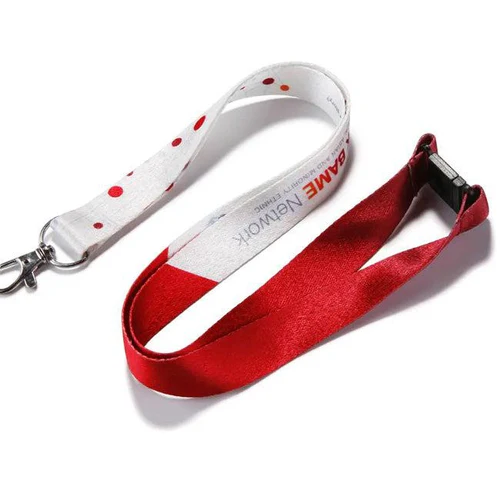
Breakaway sublimation lanyards are custom-printed polyester lanyards made with dye-sublimation graphics and a safety clasp that separates when pulled with force. They are commonly used for ID badges, access cards, and event credentials in settings where entanglement or pulling hazards are possible.
The key decision is simple: add a safety release when the wearer could get caught on machinery, pulled in a crowd, or snagged during daily movement. Skip it only when the use case is low-risk and maximum retention matters more than quick release.
Table of Contents
- What the Breakaway Feature Does
- When You Should Add a Safety Release
- When a Standard Lanyard May Be Better
- Industry-by-Industry Risk Comparison
- Design Specs That Change Safety Performance
- How Best Patches Handles Real-World Orders
- Common Buying Mistakes
- How to Choose the Right Configuration
- Future Trends for 2026
What the Breakaway Feature Does
A breakaway clasp is a safety connector, usually positioned behind the neck, that opens when enough force is applied. It is designed to reduce choking, pulling, and snagging risks. That matters more than many buyers realize, especially when a lanyard is worn all day.
Sublimation matters here too. Unlike screen printing, dye-sublimation allows edge-to-edge, full-color branding that resists fading and cracking. That makes these lanyards popular for schools, healthcare systems, corporate campuses, sports venues, and trade shows. But high-quality print should never distract from the functional question: should the lanyard release under tension?
According to OSHA guidance on workplace hazard prevention, employers should identify wearable items that could contribute to entanglement or caught-in incidents around machinery and active work zones. While OSHA does not prescribe one exact lanyard style for every setting, the broader safety principle is clear: neck-worn items must be assessed in context, not chosen only for branding.
“A branded lanyard is not just a promotional product. In many workplaces, it is part of the daily safety environment, which means procurement decisions should align with hazard exposure.”
When You Should Add a Safety Release
You should strongly consider breakaway sublimation lanyards when the wearer moves through unpredictable spaces, works near equipment, or interacts with the public in close quarters. The more dynamic the environment, the stronger the case for a release feature.
- Schools and childcare settings: Students tug, run, and crowd together. Staff often bend, lift, and move quickly.
- Hospitals and clinics: Nurses, technicians, and support staff work around beds, rails, wheelchairs, and hurried patient movement.
- Manufacturing and warehousing: Forklifts, conveyors, shelving, and moving equipment increase snag risk.
- Event staffing: Security, registration staff, and vendors work in dense crowds where credentials may be grabbed or pulled.
- Public transit and municipal work: Repeated movement in busy public spaces adds accidental pull risk.
A 2024 National Safety Council analysis continued to highlight contact incidents and caught-in or caught-between risks as major contributors to workplace injuries across multiple sectors. That does not mean every employee needs a breakaway lanyard. It does mean wearable accessories should be reviewed with practical hazard exposure in mind.
When a Standard Lanyard May Be Better
Breakaway features are not automatically the best option. There are cases where a standard non-breakaway lanyard makes more sense.
If your environment is low-risk and card retention matters most, a traditional lanyard may be the better choice. For example, some secure office environments prefer non-breakaway options because they reduce accidental credential drops. Certain access-control systems also depend on badges remaining consistently attached and visible.
There are tradeoffs:
- Breakaway lanyards improve safety but can open unintentionally if tugged often.
- Non-breakaway lanyards hold more consistently but may create a higher snag risk.
- Dual-clip or detachable-buckle designs can solve one problem while introducing another if the hardware is overcomplicated.
This is why context matters. A corporate receptionist in a calm office lobby has different needs than a hospital transporter or warehouse picker. Ordering one universal style for every department often leads to underperformance somewhere.
Industry-by-Industry Risk Comparison
Here is a practical comparison based on common business scenarios.
| Industry | Typical Lanyard Use | Risk Level | Best Choice |
|---|---|---|---|
| K-12 Schools | Staff IDs, visitor badges | Moderate to high due to student contact | Breakaway sublimation lanyards |
| Hospitals | ID cards, swipe access, role visibility | High due to equipment and patient movement | Breakaway with detachable buckle |
| Corporate Offices | Access cards, branded identity | Low in desk-based settings | Standard or breakaway depending on policy |
| Warehouses | ID, scanner access, shift visibility | High near shelving and moving equipment | Breakaway, shorter length preferred |
| Trade Shows | Badges, exhibitor passes, sponsor branding | Moderate in crowded aisles | Breakaway for staff, optional for attendees |
According to IBISWorld reporting across event planning and healthcare support sectors in 2024 and 2025, demand for functional branded accessories has stayed strong because organizations increasingly want products that combine identification, brand consistency, and operational utility. Buyers are asking harder questions about safety and use-case fit, not just unit price.
Design Specs That Change Safety Performance
Not all breakaway sublimation lanyards perform the same. Safety outcomes depend on more than whether a clasp exists. Small design choices affect comfort, visibility, and release behavior.
Width and comfort
Three-quarter-inch and one-inch widths are common. Wider lanyards generally print better and feel more stable, but they can feel warmer on the neck during long shifts. Narrower versions are lighter yet may twist more often.
Attachment style
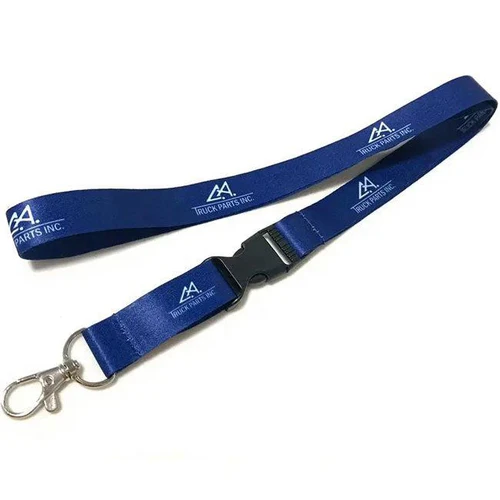
A swivel hook is standard for badges. A detachable buckle is useful when people need to scan, tap, or present credentials frequently without removing the entire lanyard. This is especially useful in hospitals and controlled-access offices.
Length and snag exposure
Longer lanyards create more swing and more chance of catching on drawer pulls, machine edges, or patient equipment. If safety is the priority, keep the length practical and controlled.
Breakaway clasp quality
A cheap clasp can either fail to release properly or release too easily. Both outcomes are bad. This is where supplier quality matters. Testing hardware consistency should be part of the procurement conversation.
“The safest lanyard is not the one with the most features. It is the one matched to the actual movement pattern of the person wearing it.”
How Best Patches Handles Real-World Orders
At Best Patches, we have worked with buyers who initially treated lanyards as simple merch, then realized the product sat at the intersection of branding, security, and safety. That usually changes the brief fast.
I remember one school district order where the client first requested standard sublimated lanyards for all faculty and staff. During our discussion, we asked where the lanyards would actually be used. It turned out the same staff members moved between classrooms, buses, cafeterias, and gym spaces all day. Once we mapped those touchpoints, the district switched to breakaway sublimation lanyards for teachers, aides, and support staff. The result was better alignment with their daily environment, not just better branding.
In another project, I worked with an event organizer who wanted premium full-color lanyards with detachable buckles for a multi-day expo. On paper, the detachable buckle solved everything. In practice, the real issue was crowd density and exhibitor movement during setup hours. We recommended breakaway clasps for staff and crew while keeping a simpler attendee version for general admission badges. That split approach controlled cost without ignoring risk.
These cases reinforced the same lesson: there is no single best lanyard. There is only the right lanyard for the environment.
Common Buying Mistakes
Most ordering errors happen before production starts. Buyers often focus on artwork and shipping timelines while skipping the operational details that determine whether the lanyard actually works.
- Buying one style for every department: Different roles often need different safety features.
- Ignoring release quality: A breakaway clasp is only useful if it releases consistently.
- Choosing based on price alone: The cheapest option may have weak hardware or poor print durability.
- Overbuilding the lanyard: Extra buckles, clips, and attachments can add weight and complexity.
- Forgetting compliance input: Safety, HR, facilities, and security teams may all need a say.
There is also a branding mistake that comes up a lot: using dark artwork with low contrast on text-heavy lanyards. Sublimation can handle vivid graphics, but readability still matters. If IDs need to be recognized quickly, clear text and high-contrast brand colors outperform overly artistic layouts.
How to Choose the Right Configuration
If you are making a buying decision now, use a structured process instead of guessing. This approach usually leads to fewer reorders and fewer internal complaints.
- Map the use environment. List where the lanyard will be worn, including hallways, production areas, vehicles, patient zones, and public-facing spaces.
- Identify movement patterns. Ask whether users bend, lift, run, scan badges often, or work near equipment.
- Decide retention vs. release priority. If preventing snag injury matters more than keeping the badge attached at all times, choose breakaway.
- Test one or two configurations. Compare breakaway-only versus breakaway plus detachable buckle.
- Review artwork and hardware together. The final product should be both visible and functional.
- Order by role if needed. Staff, visitors, contractors, and event crew may need different versions.
This is also where supplier collaboration helps. A good vendor should ask questions about use, not just logo files and quantity.
Future Trends for 2026
The 2026 direction is clear: organizations want branded products that do more than look good. Buyers are asking for safer hardware, recycled polyester options, sharper sublimation output, and role-specific configurations.
Based on procurement trends and product development across promotional merchandise categories in 2025 and early 2026, several shifts stand out:
- More segmented ordering: One organization may buy multiple lanyard types for different teams.
- Greater interest in recycled materials: Sustainability is becoming part of large-order bid requirements.
- Higher demand for compliance-aware merchandise: Safety language is entering procurement conversations earlier.
- Cleaner, bolder branding: Full-color sublimation remains popular, but layouts are becoming simpler and more legible.
According to a 2024 Deloitte report on consumer and enterprise purchasing behavior, buyers continue to place greater value on products that combine practical utility, risk reduction, and brand consistency. That trend fits lanyards perfectly. The days of treating them as throwaway accessories are fading.
Conclusion
The right answer on safety release depends on where and how the lanyard is used. If the wearer faces pulling, snagging, crowd contact, or active movement, breakaway sublimation lanyards are usually the smarter choice. If the setting is calm, desk-based, and focused on credential retention, a standard version may still be appropriate.
From what we have seen at Best Patches, the strongest results come from matching the lanyard to the user role instead of forcing one style across the whole organization.
Recommended next steps from Best Patches:
- Audit where your staff actually wear lanyards, not just where they check in.
- Request hardware samples before placing a bulk order.
- Split your order by department if different teams face different risk levels.
References
- OSHA: Provided hazard-prevention principles relevant to wearable items in active work environments.
- National Safety Council: Offered recent injury trend context for contact and caught-in workplace risks.
- IBISWorld: Supplied business-sector demand context for branded operational products across events and healthcare-related markets.
- Deloitte: Contributed purchasing trend insights showing preference for utility-driven branded products.
FAQ
What are breakaway sublimation lanyards?
They are polyester lanyards printed with full-color dye-sublimation artwork and fitted with a safety clasp that releases when pulled. They are commonly used for badges, credentials, and access cards in workplaces, schools, and events.
When should I add a safety release to a lanyard?
Add one when users work in crowded, active, or equipment-heavy environments. Schools, hospitals, warehouses, event venues, and public-service settings are common examples where a breakaway feature is the safer choice.
Are breakaway lanyards required for schools or hospitals?
Not universally, but they are often strongly preferred because staff work around students, patients, equipment, and fast-moving traffic. Internal safety policy should guide the final decision.
Do breakaway sublimation lanyards break too easily?
A quality breakaway clasp should release under meaningful tension, not during normal wear. If it pops open constantly, the hardware may be low quality or the design may not match the user’s activity level.
What width is best for custom lanyards?
For most branded applications, three-quarter-inch or one-inch lanyards offer the best balance of comfort, print visibility, and badge stability. Narrower widths work when lightweight wear matters most.
Should event staff and attendees use the same lanyard style?
Not always. Staff working setup, security, registration, or backstage zones often benefit more from breakaway lanyards, while general attendees may use a simpler version depending on venue policy and budget.