 Promotional Products













Introduction
When you need rush sublimation lanyards, the real challenge is rarely the artwork alone. It is whether your vendor can move from proofing to production to shipping without hidden delays, missed approvals, or freight surprises. For trade shows, school events, staff onboarding, security programs, and last-minute conferences, a lanyard that arrives one day late can be as useless as one that never shipped.
That is why buyers look for a supplier that understands urgency at an operational level, not just in marketing copy. Best Patches has built its reputation by helping teams plan fast-turn custom programs with clearer proofing workflows, realistic timelines, and delivery options that fit hard event dates rather than vague production windows.
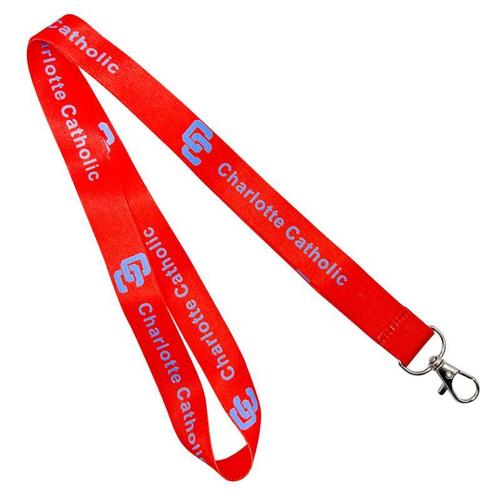
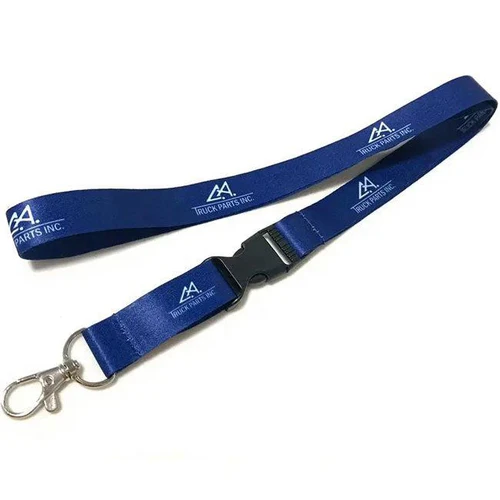
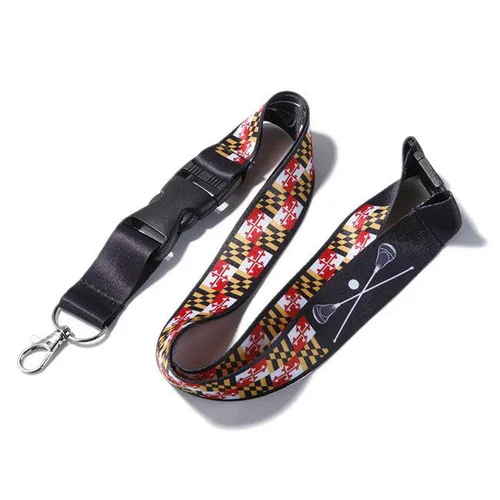
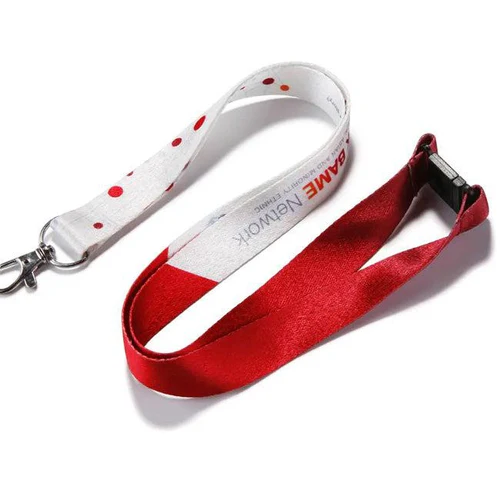
Rush sublimation lanyards are custom printed lanyards made with dye-sublimation, then prioritized for accelerated proofing, manufacturing, and shipping. They are popular when brands need full-color detail, short deadlines, and predictable delivery planning without sacrificing appearance.
The key is not simply asking for “rush.” It is knowing which steps can be compressed, which steps create bottlenecks, and what information a supplier needs on day one to keep the order moving.
Table of Contents
- Why rush orders get delayed
- How sublimation affects speed and quality
- Realistic lead times for proofs, production, and shipping
- Proofing without losing a day
- Delivery planning by event type
- Cost, risk, and tradeoffs in rush programs
- A Best Patches case study from the field
- How to place a better rush order
- Final thoughts and next actions
- References
Why Rush Orders Get Delayed
Most “rush” failures happen before production starts. Buyers often assume delay begins in the factory, but in practice the common culprits are incomplete art files, unclear quantity splits, attachment changes after proof approval, and unrealistic shipping assumptions. A vendor can only move fast if the inputs are clean.
There is also a timing mismatch between the buyer’s calendar and the supplier’s production clock. Buyers count backward from event day. Manufacturers count forward from final approval. If a proof sits in an inbox for eight hours, the customer may still think the order is “in production,” while the factory has not released it at all.
According to a 2024 report by McKinsey on supply-chain resilience, execution visibility and decision lag remain major causes of missed deadlines across customized production environments. That matters here because custom lanyard programs involve exactly the kinds of handoffs that create friction: design review, attachment confirmation, press scheduling, assembly, packing, and freight booking.
Another source of delay is over-customization during a compressed timeline. A standard polyester sublimation lanyard with one attachment and one print layout is easier to accelerate than a split shipment with multiple colors, safety breaks, badge reels, and individual bagging.
Common bottlenecks to watch
- Artwork submitted in low-resolution raster files instead of print-ready vector files
- Missing PMS color expectations for logo-critical branding
- Attachment changes after proof approval
- Waiting on internal stakeholder sign-off
- Shipping to a venue with restricted receiving hours
- Requesting exact in-hand dates without buffer for carrier exceptions
How Sublimation Affects Speed and Quality
Dye-sublimation is often the best process for fast custom lanyards because it supports full-color artwork, gradients, photos, and edge-to-edge branding without the setup complexity of some other decoration methods. The print is transferred into the fabric rather than sitting heavily on top of it, which helps maintain flexibility and comfort.
For rush work, that matters because the process is efficient once artwork is approved. It also reduces color-layer limitations. If your brand team wants multiple shades, background textures, sponsor logos, or QR elements, sublimation handles that more naturally than simpler one- or two-color methods.
Still, speed does not erase process constraints. Fabric availability, width selection, stitching, safety break installation, detachable buckles, and final inspection all affect schedule. A “printed lanyard” is never just printing. It is a small assembly project.
According to PRINTING United Alliance commentary published in 2023 on digital textile workflows, one of the biggest strengths of modern print systems is short-run flexibility with reduced setup friction. That aligns with why sublimation remains a strong choice for event-driven accessories where turnaround pressure is high and design complexity is non-negotiable.
“The fastest custom product is usually the one that avoids preventable revisions. A clean proof and a standardized attachment choice can save more time than paying for premium shipping.”
Realistic Lead Times for Proofs, Production, and Shipping
Buyers need honest timing more than optimistic timing. For rush sublimation lanyards, the timeline usually breaks into three stages: proofing, production, and delivery. Each stage has its own risks.
A same-day proof is possible when artwork is complete and the spec sheet is clear. Production can move quickly for standard styles, but “quickly” varies by quantity, current press load, and finishing requirements. Shipping depends on destination, service level, customs exposure for international moves, and whether the package is going to a business, a residence, or a convention venue.
Typical timing ranges buyers can plan around
- Proof creation: often same day to 24 hours after artwork and specs are confirmed.
- Proof approval: ideally within a few hours; longer if multiple stakeholders must sign off.
- Production: commonly a few business days for rush-capable standard sublimation orders, longer for complex assembly or larger quantities.
- Shipping: overnight, two-day, or economy transit depending on budget and destination risk.
- Buffer: add at least one business day when the shipment must reach a venue or a receiving department.
Here is a practical comparison based on common business scenarios.
| Buyer Scenario | Order Size | Typical Rush Approach | Main Risk |
|---|---|---|---|
| Startup expo team | 100-250 units | Same-day proof, standard attachment, expedited air | Late brand approval |
| University orientation | 500-1,500 units | Early proof lock, partial rush production, split delivery | Quantity changes from admissions |
| Hospital staff event | 250-800 units | Fast proofing, safety break requirement, business delivery | Attachment compliance review |
| Corporate summit | 1,000-3,000 units | Priority production slot, venue delivery coordination | Receiving dock restrictions |
| Security contractor onboarding | 50-200 units | Proof in hours, overnight shipment | Address errors and missed delivery attempt |
Proofing Without Losing a Day
Proofing is where a rush order either stays on schedule or quietly slips. The fastest buyers treat proofing like a formal checkpoint, not a casual preview. Every hour matters once the event date is near.
A good proof should confirm print layout, text legibility, logo placement, attachment style, width, color expectations, and any back-side variations. If one of those items is still “TBD,” the order is not actually ready.
What a fast proof process needs from you
- Vector artwork in AI, EPS, or SVG when available
- Clear lanyard width and length requirements
- Attachment selection confirmed up front
- Shipping address with contact name and phone number
- Event date and preferred in-hand date
- One decision-maker authorized to approve the proof
At Best Patches, I have seen the same pattern repeatedly: the customer who sends complete files at 9:00 a.m. often has a proof before lunch, while the customer who sends partial specs spends the rest of the day clarifying details. The time difference is rarely due to factory speed. It is due to order readiness.
I once worked with a marketing team preparing for a regional franchise conference. They initially asked for a next-week delivery, which looked feasible until the proof cycle stalled across four approvers in different departments. We helped them reduce friction by consolidating comments into one final markup and locking the attachment choice. That single change kept the order moving and avoided an expensive reproof loop.
“A proof is not only about how the lanyard looks. It is also the manufacturing instruction set. The cleaner the proof, the cleaner the production handoff.”
Delivery Planning by Event Type
Not all deliveries behave the same way. Shipping to a corporate office is different from shipping to a convention center, a school district warehouse, or a hotel with event receiving rules. Good delivery planning means matching the logistics plan to the destination type.
How destination affects your schedule
Convention centers: These often require labeled packages, booth references, and narrow receiving windows. Carriers may show a package as delivered even though it is sitting in a general receiving area waiting for internal handling.
Hotels: Hotels may charge package handling fees, reject early arrivals, or require the event contact to be listed exactly.
Schools and universities: Campus mailrooms can delay internal distribution by a day or more, especially during orientation season.
Hospitals and regulated workplaces: Security protocols can slow front-desk acceptance and internal routing.
Remote job sites: Overnight service may exist on paper but still face cutoff limitations or service exceptions.
According to the 2025 Pitney Bowes BOXpoll report on parcel shipping behaviors, buyers continue to prioritize visibility and reliability over price when the shipment ties directly to an event or operational deadline. That matches what happens with lanyard orders: once an event is close, tracking clarity often matters more than saving a few dollars on freight.
Cost, Risk, and Tradeoffs in Rush Programs
Rush service solves one problem, but it can create others if buyers do not weigh tradeoffs. Faster production and premium freight increase cost. Condensed schedules also reduce room for design changes, packaging tweaks, and quantity adjustments.
That does not mean rush ordering is a bad idea. It means it should be treated as a managed risk decision. If the lanyards support event check-in, sponsor branding, or staff access control, the cost of not having them may be far higher than the rush premium.
What usually changes when an order goes rush
- Less flexibility for multiple proof revisions
- Higher shipping spend, especially for overnight air
- More pressure to choose standard materials and attachments
- Tighter cutoffs for same-day processing
- Reduced tolerance for address mistakes or venue confusion
There are also design limitations to keep in mind. Full-color sublimation is versatile, but tiny text, low-contrast color combinations, and edge-to-edge busy layouts can still reduce readability. A rushed project is not the best place to test a risky visual concept.
From an E-E-A-T perspective, the most reliable suppliers are transparent about what can and cannot be guaranteed. If a vendor promises impossible timing without asking about file type, quantity, attachment, and destination, that is usually a warning sign rather than a service benefit.
A Best Patches Case Study From the Field
One of the clearest examples I can share involved a client preparing for a multi-city recruiting push. They needed lanyards for an early-week campus event after another supplier had gone silent. The timeline was tight, but the bigger issue was confusion: the client had two logo versions, uncertain quantity splits, and no confirmed delivery contact at the venue.
At Best Patches, we first narrowed the job to the essentials: one approved logo file, one standard attachment style, one consolidated ship-to contact, and one clear in-hand deadline. Once the proof was approved, the order moved through production without the stop-start communication that usually hurts rush projects. The lanyards arrived in time for setup, and the client later standardized that same ordering format for future events.
I remember that order because it reinforced a lesson buyers often miss: speed comes from decision quality, not panic. We did not rescue the project with magic. We rescued it by removing ambiguity.
In another project, a customer wanted individual bagging, a detachable buckle, and separate quantities for VIP and general attendees. We explained that all three were possible, but not all three were wise under the deadline. They chose to simplify packaging, keep the buckle, and ship in one batch. That tradeoff protected the event date while preserving the feature they cared about most.
How to Place a Better Rush Order
If you want a rush order to succeed, start by treating the request as a logistics project, not only a design request. The best purchase orders are complete, prioritized, and realistic.
A practical workflow for buyers
- Finalize event date, preferred arrival date, and delivery location before requesting a quote.
- Prepare print-ready artwork and confirm your logo version internally.
- Select standard specs unless a premium feature is truly necessary.
- Assign one internal approver to handle proof sign-off.
- Ask the supplier to separate proof time, production time, and transit time in writing.
- Build in a buffer for venue receiving or carrier exceptions.
- Track the shipment proactively and notify the destination contact before arrival.
If your deadline is extremely tight, ask whether a split strategy makes sense. For example, one partial shipment can cover the first event day while the balance follows. That approach is not ideal for every order, but it can reduce exposure when quantity is large and timing is unforgiving.
It also helps to define what “good enough” looks like. If the event depends on branded access and you are down to days, a standard rush sublimation lanyard with a strong logo and reliable attachment will outperform a more elaborate concept that misses the event entirely.
Final Thoughts
Rush lanyard ordering is really a test of planning discipline. The fastest custom jobs are not the ones with the loudest urgency. They are the ones with the clearest files, fastest approvals, simplest specs, and smartest delivery routing. Sublimation remains a strong choice because it supports rich branding without slowing down design possibilities, but proofing and shipping decisions still determine whether your order lands on time.
Best Patches recommends these next actions:
- Send complete artwork, attachment choice, and in-hand date in your first inquiry.
- Approve proofs through one decision-maker to avoid hidden delays.
- Confirm venue or receiving instructions before production begins.
References
- McKinsey & Company, 2024: Supply-chain resilience and execution visibility insights that support the importance of reducing decision lag in customized production.
- PRINTING United Alliance, 2023: Commentary on digital textile and short-run print workflows relevant to sublimation efficiency and flexibility.
- Pitney Bowes BOXpoll, 2025: Parcel-shipping behavior data highlighting the value buyers place on delivery visibility and reliability for time-sensitive shipments.
FAQ
How fast can rush sublimation lanyards be produced?
For standard styles with ready artwork, proofs can often be issued the same day and production can begin immediately after approval. Actual speed depends on quantity, attachment type, factory capacity, and shipping destination, so always ask for proof time, production time, and transit time separately.
What delays rush sublimation lanyards most often?
The biggest delays usually happen before manufacturing: incomplete art files, slow proof approvals, changing attachments after approval, and incorrect shipping details. Venue receiving problems can also cause “delivered” shipments to be hard to locate on event day.
Are sublimation lanyards good for detailed logos and full-color art?
Yes. Dye-sublimation is one of the best choices for full-color branding, gradients, and more complex visual layouts. It is especially useful when you need strong brand impact under a short deadline, though tiny text and low-contrast designs should still be reviewed carefully at proof stage.
What files should I send for a rush lanyard order?
Vector files such as AI, EPS, or SVG are preferred because they help prevent proofing delays and maintain print quality. If vector art is not available, send the highest-resolution PNG possible and include any brand color notes, dimensions, and attachment preferences in the same message.
Is overnight shipping enough to guarantee an event delivery?
Not always. Overnight transit helps, but receiving restrictions, missed handoffs, address errors, weather, and venue handling can still create problems. The safer strategy is to ship one business day earlier than the true last possible date whenever your budget allows.
Can Best Patches help with proofing and delivery planning?
Yes. Best Patches supports buyers by clarifying specifications early, streamlining proof approvals, and helping align production and freight choices with the event schedule. That planning support is often what makes a rush order workable in the first place.