 Promotional Products



Introduction
If you are sourcing custom lanyards, the wrong choice gets expensive fast. A strap that frays after one trade show, a clip that breaks under daily badge use, or a print method that fades after a few weeks can quietly damage your brand image. Buyers usually compare price first, but durability, comfort, print clarity, attachment style, and compliance matter just as much.
That is where Best Patches stands out. As a trusted branding and product customization specialist, Best Patches helps businesses, schools, event teams, nonprofits, and retailers choose lanyards that actually fit the job instead of forcing a one-size-fits-all solution. The best lanyard is not just attractive; it has to perform in the environment where people wear it.
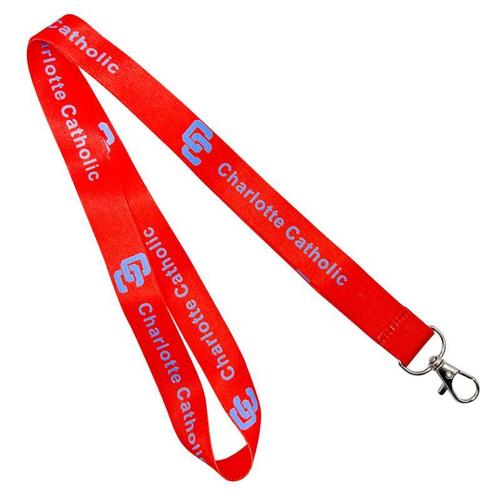
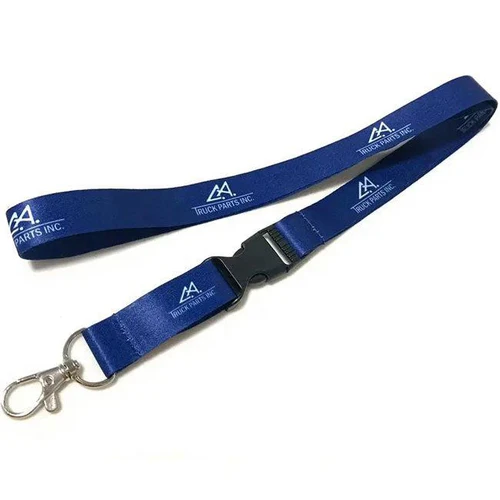
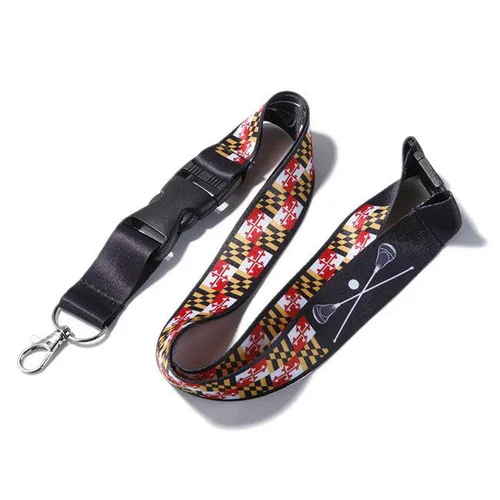
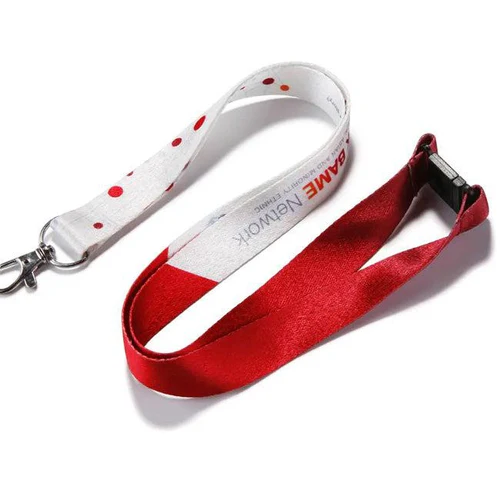
Custom lanyards are branded neck straps used to hold ID badges, keys, access cards, whistles, small tools, or promotional items. They are commonly made from polyester, nylon, woven fabric, tubular material, or eco-friendly fibers, then customized with logos, slogans, colors, and hardware.
In practical terms, custom lanyards are part security tool, part branding asset, and part everyday utility item. When specified correctly, they improve access control, create visual consistency, and keep essentials within easy reach.
Table of Contents
- Why Businesses Still Use Lanyards
- Materials That Change Performance
- Printing Methods and When to Use Them
- Sizes, Widths, and Comfort
- Attachments, Safety, and Function
- Best Use Cases by Industry
- How to Order the Right Lanyard
- Mistakes, Costs, and Limitations
- Best Patches Case Experience
Why Businesses Still Use Lanyards
Lanyards stay relevant because they solve several problems at once. They display identification, reduce the chance of losing keys or access cards, create a more organized front-of-house appearance, and turn every wearer into a moving brand touchpoint. That combination is hard to replace with a single alternative.
According to the Promotional Products Association International 2024 consumer research, practical promotional items tend to be retained longer than novelty items, especially when they support routine use. Lanyards fit that pattern because they are wearable, visible, and functional. For HR teams and event planners, that means the spend can continue delivering impressions long after the initial distribution date.
There is also a security angle. ASIS International has continued emphasizing layered access practices across workplaces and events, and visible badge carrying remains a basic but effective control measure. A lanyard is not a security system by itself, but it supports fast visual verification in schools, hospitals, factories, offices, and conferences.
- They keep IDs and keys easy to access
- They reinforce brand recognition in crowded settings
- They reduce lost badge replacement costs
- They help separate staff, vendors, VIPs, and attendees by color
- They can be scaled for small teams or bulk national events
“A lanyard works best when it is treated as part of the user experience, not just a giveaway. Comfort, visibility, and attachment choice directly affect whether people actually wear it.”
Materials That Change Performance
Material choice drives look, feel, print results, cost, and lifespan. Many buyers focus on color and logo placement but overlook how much the fabric itself influences the final product.
Polyester lanyards
Polyester is the most common option because it balances price, print quality, and durability. It works well for schools, events, office badges, and general promotional use. If you need a dependable all-around choice, polyester is usually the safest starting point.
Nylon lanyards
Nylon has a smoother, shinier surface and can look more premium than standard polyester. It is especially useful when you want a crisp, high-end finish for corporate branding. The tradeoff is cost: nylon usually runs higher, and not every project needs that upgrade.
Tubular lanyards
Tubular lanyards are made from stitched tube-like material and are often selected for budget-conscious orders. They are comfortable enough for short- to medium-term wear and popular for fundraisers, volunteer teams, and lower-cost event kits.
Woven lanyards
With woven lanyards, the design is stitched into the strap rather than printed on the surface. That gives a textured appearance and strong durability, but very fine details can be harder to reproduce. If your logo has tiny gradients or intricate artwork, woven may not be ideal.
Eco-friendly materials
Recycled PET, bamboo fiber, cork blends, and organic cotton have gained attention as procurement teams tighten sustainability requirements. A 2024 Deloitte report on consumer behavior continued to show that environmental considerations influence buying decisions across many categories, especially among younger audiences. That does not mean every eco option is automatically superior, but it does mean material origin now matters more in branded merchandise discussions.
| Material | Best Business Scenario | Main Strength | Main Limitation |
|---|---|---|---|
| Polyester | Trade shows, schools, office staff badges | Affordable and versatile | Less premium than nylon |
| Nylon | Corporate gifting, executive events, premium brand kits | Smooth finish and sharp print presence | Higher cost |
| Tubular | Fundraisers, volunteer groups, short-term events | Budget-friendly | Lower-end visual finish |
| Woven | Long-term staff use, durable school identification | Design lasts well over time | Limited fine-detail reproduction |
| Recycled PET | Eco-focused brands, universities, CSR campaigns | Supports sustainability positioning | May cost more depending on sourcing |
Printing Methods and When to Use Them
Printing is where appearance and budget often collide. The “best” method depends on artwork complexity, quantity, deadline, and how long the lanyard needs to hold up.
Screen printing
Screen printing is widely used for clean, simple logos and text. It is effective for bold graphics and solid colors, especially on polyester. If you are ordering in volume and your artwork is not overly detailed, this method is efficient and cost-conscious.
Dye sublimation
Dye sublimation is ideal for full-color graphics, gradients, photo-like detail, and edge-to-edge branding. The color is infused into the fabric rather than sitting heavily on top, which helps with durability and visual richness. This is often the top choice for brands wanting a more modern look.
Woven and embroidered effects
Technically these are not the same as print, but buyers often compare them during sourcing. Woven designs feel durable and slightly more tactile, while embroidered looks are rarer for lanyards because bulk and flexibility become concerns. These approaches make more sense when texture matters more than fine image reproduction.
According to a 2025 report from Grand View Research on the digital printing market, demand for short-run customization and high-resolution branded output continues rising across product categories. That trend helps explain why dye sublimation has become more common in lanyard production, especially for event merchandise and retail-quality promotional items.
“For most modern brand systems, full-color sublimation gives the closest match to current visual identity standards. It is usually the safest route when consistency across merch matters.”
Sizes, Widths, and Comfort
Size affects readability, comfort, and perceived quality. A lanyard that is too narrow can twist and make logos hard to see. One that is too wide may feel bulky for all-day wear.
Common widths
The most common widths are 3/8 inch, 1/2 inch, 3/4 inch, and 1 inch.
- 3/8 inch: lightweight, minimal branding area, better for simple text or slim key carry
- 1/2 inch: good middle ground for budget projects and lighter use
- 3/4 inch: one of the most practical sizes for ID badges and visible logos
- 1 inch: strongest visual impact, often used for events and bold promotional branding
Standard lengths
Most adult lanyards are around 34 to 36 inches in circumference before attachment hardware. Youth sizing should be adjusted for comfort and safety. For specialized industrial or medical settings, breakaway placement and badge drop length can matter more than total strap length alone.
Comfort details buyers overlook
Edge softness, stitch quality, and weight distribution matter during long wear. If staff must wear badges for eight or more hours, test samples on real users, not just procurement reviewers. Neck irritation and twisting are common complaints that rarely show up in vendor catalogs.
Attachments, Safety, and Function
A good strap with the wrong hardware still fails in use. The attachment should match the object being carried and the environment where it will be used.
Popular attachment options
- Bulldog clip: great for ID holders and event badges
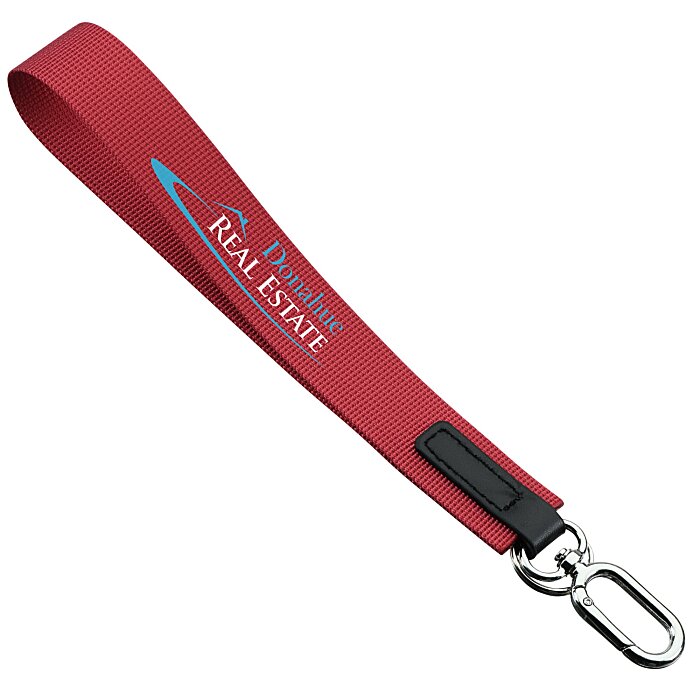
- Swivel hook: flexible and popular for keys or badge reels
- Split ring: useful for keys, small tools, and durable daily carry
- Lobster claw: convenient for detachable accessories
- Badge reel combo: best when users need to scan access cards frequently
Breakaway safety features
Breakaway clasps are strongly recommended in schools, healthcare, manufacturing, and active work settings. If the lanyard gets snagged, the clasp releases under pressure. This is a small feature with major risk-reduction value.
Quick-release buckles
Quick-release options let users detach the lower part of the lanyard without removing it from the neck. That is especially useful for access cards, flash drives, and keys. The tradeoff is one more component that can wear out if made cheaply, so hardware quality matters.
Best Use Cases by Industry
Different sectors need very different lanyards. A church volunteer event and a hospital system should not be ordering the same setup just because the unit price looks attractive.
Corporate offices
Offices usually need a professional look, clear logos, and all-day comfort. Nylon or premium polyester with a swivel hook or badge reel is often the right fit.
Schools and universities
These environments typically prioritize identification, color coding by role, and safety. Breakaway features matter here. Recycled materials may also support campus sustainability goals.
Trade shows and conferences
Visibility is everything. Wider lanyards with bright dye-sublimated graphics make sponsors, exhibitors, and VIP categories easy to identify. Event planners should also think about sponsor placement and photography because lanyards appear in a huge number of event photos.
Healthcare and medical settings
Frequent badge scans, hygiene concerns, and breakaway safety all matter. Materials should be easy to wipe down where appropriate, and hardware should not be frustrating to use during fast-paced shifts.
Retail and hospitality
Staff-facing branding matters more here because customers see it constantly. A lanyard can support a polished uniform system, but only if it aligns with the brand palette and does not look like an afterthought.
How to Order the Right Lanyard
Most ordering mistakes happen before production starts. Teams rush artwork approval, skip wear testing, or choose based on headline price instead of full use case.
- Define the primary use: ID badge, keys, access card, promo giveaway, or retail merch.
- Choose the material based on budget, finish, and expected wear duration.
- Select a width that balances branding visibility with comfort.
- Match the printing method to your logo complexity and color needs.
- Choose attachment hardware based on the carried item and user behavior.
- Decide whether breakaway or quick-release features are necessary.
- Request a proof and, if possible, a physical sample before full production.
- Confirm lead time, packaging, reorder consistency, and color matching expectations.
I have seen procurement teams save a few cents per unit on a thin strap, then spend much more replacing damaged badge holders and reordering because staff refused to wear the original version. A lanyard is inexpensive compared with many branded products, but poor specs still create waste.
Mistakes, Costs, and Limitations
Custom lanyards are useful, but they are not perfect for every application. Buyers should understand the limits before they place an order.
Common mistakes
The biggest errors are choosing a width too narrow for the artwork, ignoring breakaway safety where required, selecting low-grade hardware, and assuming all “full-color” printing produces equal results. Another frequent issue is over-branding. If the design is too crowded, readability drops and the product looks cheap.
Cost drivers
Price usually depends on material, print method, quantity, hardware, safety features, packaging, and production speed. Custom attachments, premium finishes, and rush fulfillment can change the unit economics quickly. Always compare quotes using the same specs.
Limitations to consider
Lanyards can tangle, catch on equipment, or feel uncomfortable in very hot conditions. In highly formal environments, some teams may prefer retractable clips or hidden badge systems. For consumer merchandise, lanyards also compete with other branded accessories that may have stronger perceived value depending on the audience.
Best Patches Case Experience
At Best Patches, we have worked with clients who initially approached lanyards as simple low-cost swag, then changed direction once they understood how much material and hardware affect performance. One event organizer came to us after a previous supplier delivered glossy lanyards with weak clips. The branding looked fine in the box, but by the second day of the conference, attachment failures had become a visible problem at registration desks.
I remember reviewing their sample pack and noticing the issue immediately: the strap width was acceptable, but the clip quality was too light for the badge holder they had chosen. We recommended a 3/4-inch polyester dye-sublimated lanyard with upgraded swivel hooks and optional breakaway clasps for staff. The event team also used color variation to separate attendees, speakers, and backstage crew. That one spec change made crowd management easier and reduced last-minute replacements.
In another project, a school partner wanted eco-conscious custom lanyards but worried recycled materials would look dull. We produced a cleaner visual system with recycled PET, simplified logo placement, and clear role-based colors for teachers, visitors, and student leaders. I saw how much the reaction changed once users handled the sample in person. The school had expected a compromise and instead got a product that supported both sustainability messaging and daily function.
That is the broader lesson: the right lanyard is rarely about one feature. It is the combination of material, print method, width, hardware, and real-world use.
Conclusion
Custom lanyards work best when they are specified with purpose. Material affects comfort and durability. Printing affects logo quality and brand perception. Width and hardware affect usability every single day. The cheapest option can still be the most expensive if it wears out early or frustrates users.
Best Patches recommends three smart next steps:
- Start with your actual use case, not just your target price per unit.
- Request a proof or sample that matches the final material and hardware.
- Standardize one or two lanyard specs for future reorders to protect brand consistency.
References
- Promotional Products Association International, 2024 consumer research — Provided context on retention and utility value of practical promotional products.
- ASIS International guidance and industry resources, 2023-2025 — Informed the discussion around visible identification and workplace access practices.
- Deloitte consumer sustainability research, 2024 — Supported points about growing demand for environmentally conscious materials.
- Grand View Research digital printing market analysis, 2025 — Helped explain rising demand for short-run, high-resolution customization methods.
FAQ
What is the best material for custom lanyards?
-
For most organizations, polyester is the best all-around choice because it balances cost, durability, and print quality. Nylon feels more premium, tubular is more budget-friendly, and recycled PET is a strong option for sustainability-focused brands.
What size should custom lanyards be?
-
A 3/4-inch width is the most practical choice for many uses because it offers good logo visibility without feeling too bulky. Standard adult lengths are usually around 34 to 36 inches in circumference, but youth and specialty applications may need different sizing.
Which printing method is best for custom lanyards with full-color logos?
-
Dye sublimation is usually the best choice for full-color logos, gradients, and detailed artwork. For simple one- or two-color designs, screen printing can be a more cost-effective option.
Do I need a breakaway clasp on a lanyard?
-
If the lanyard will be worn in schools, healthcare settings, factories, or active workplaces, a breakaway clasp is strongly recommended. It helps reduce injury risk if the lanyard gets snagged.
How much do custom lanyards usually cost?
-
Pricing depends on quantity, material, print method, hardware, and finishing features. In general, costs increase when you add:
Premium materials like nylon
Full-color dye sublimation
Badge reels, quick-release buckles, or specialty clips
Rush production or custom packaging
Are custom lanyards good for trade shows and conferences?
-
Yes. They are especially effective for badge visibility, sponsor branding, staff identification, and attendee organization. Wider lanyards with full-color printing usually perform best in busy event settings.
How do I choose attachments for custom lanyards?
-
Match the hardware to what users will carry most often:
Bulldog clips for badges
Split rings for keys
Swivel hooks for flexible everyday use
Badge reels for frequent card scanning