 Promotional Products




Introduction
If you are planning a trade show, annual meeting, campus summit, or multi-day expo, custom conference lanyards can feel like a small detail until they start causing big problems. Bad clip choices, unreadable badge placement, uncomfortable material, and weak branding can slow check-in, frustrate attendees, and make your event look less organized than it really is.
That is why smart planners treat lanyards as part logistics tool, part security system, and part brand asset. At Best Patches, we have seen the difference between a generic giveaway and a thoughtfully built lanyard setup that improves movement, boosts sponsor visibility, and helps staff run a cleaner event from open to close.
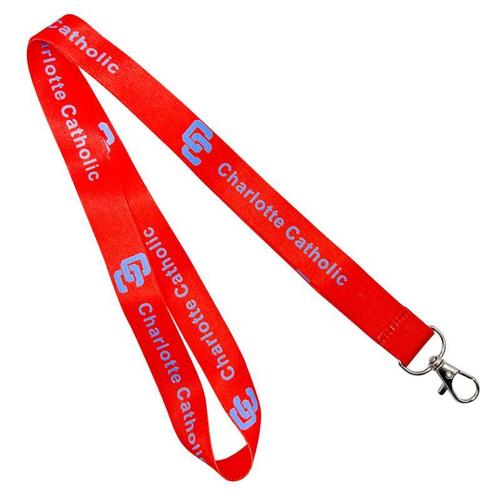
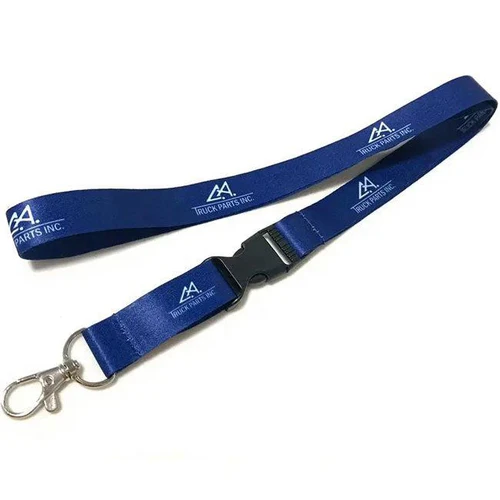
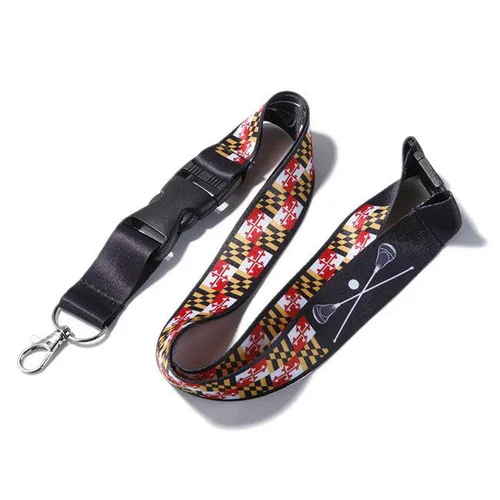
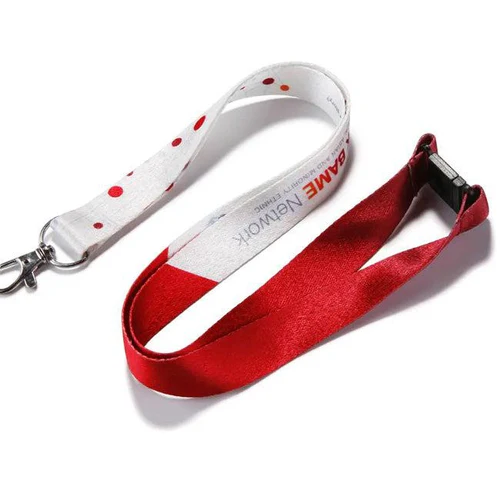
Custom conference lanyards are branded neck straps designed to hold badges, credentials, keys, card holders, or access passes during an event. They help attendees keep identification visible and accessible while giving organizers a practical way to support security, wayfinding, and sponsor exposure.
The right setup depends on your event format, badge type, audience, and venue flow. A startup mixer does not need the same lanyard configuration as a medical convention with restricted-access zones, and that difference matters more in 2026 as event expectations keep rising.
Table of Contents
- Why setup matters more than the lanyard alone
- Materials, width, and comfort choices
- Attachments, badge holders, and safety features
- Branding, sponsor placement, and design rules
- How to match lanyards to different event types
- Budget, lead times, and ordering strategy
- Common mistakes, risks, and limitations
- Best Patches case study from the field
- A simple process for choosing the right setup
Why setup matters more than the lanyard alone
Many event teams shop by color and price first, then worry about function later. That is backwards. A lanyard only works when the full setup is aligned: strap material, width, attachment style, breakaway requirement, printed branding, badge orientation, and attendee use case.
According to Freeman’s 2024 event trends reporting, attendees continue to value smoother, more personalized in-person experiences. That makes even basic operational touchpoints more visible. If registration feels chaotic or badges flip backward all day, people notice. A lanyard setup that keeps credentials visible and easy to scan can reduce friction in places where seconds add up fast.
There is also a brand signal involved. A soft woven strap with clear print and the right hardware feels intentional. A rough, thin strap with a cheap hook feels disposable. Sponsors notice that. Speakers notice that. So do attendees deciding whether to keep wearing it after the first session.
Materials, width, and comfort choices
The best material depends on wear time, audience expectations, and budget. If attendees will wear credentials for eight to ten hours a day, comfort is not optional. If your event is premium or sponsor-heavy, print quality and feel matter even more.
Popular material options
- Polyester: Cost-effective, durable, and widely used for large conferences.
- Nylon: Smooth and slightly shinier, often chosen when sharp logo printing matters.
- Tubular: Softer budget option with a casual look, common for community events.
- Woven: Premium feel with stitched branding, good for long-term use and upscale programs.
- RPET or recycled materials: Useful for sustainability-focused brands and ESG-conscious events.
Width matters too. Narrow lanyards are lighter and cheaper, but wider lanyards print better and feel more substantial. For most conferences, 3/4 inch to 1 inch gives the best balance between comfort and visibility.
According to PCMA’s coverage of attendee expectations across recent industry reports, sustainability and experience design continue to influence event purchasing decisions. If your audience includes enterprise buyers, universities, healthcare organizations, or nonprofits, recycled material options can support both brand values and procurement requirements.
| Event Scenario | Recommended Material | Best Width | Why It Fits |
|---|---|---|---|
| Large tech conference | Polyester | 1 inch | Strong logo visibility and solid bulk pricing |
| Premium leadership summit | Woven or nylon | 3/4 inch | More polished feel for executive audiences |
| University admissions event | Tubular polyester | 3/4 inch | Budget-friendly and comfortable for student traffic |
| Sustainability-themed expo | RPET | 1 inch | Supports eco messaging and sponsor storytelling |
| Hospitality trade show staff passes | Nylon | 3/4 inch | Clean print and durable all-day wear |
Attachments, badge holders, and safety features
This is where many event kits fail. The strap might look great, but if the attachment does not match the badge holder, the result is twisting, tearing, or awkward scanning.
Common attachment choices
- Bulldog clip: Good for lightweight paper or laminated badges.
- Swivel hook: Better for plastic holders and cards that need movement.
- Split ring: Useful for keys, tools, or secondary credential kits.
- Double clip: Helps keep larger badges facing forward.
- Retractable badge reel: Best when frequent tap or scan access is needed.
Breakaway closures are another decision point. For schools, healthcare sites, active expo floors, and industrial settings, breakaways often make sense for safety. For premium events where aesthetics matter, hidden or low-profile breakaway designs can protect appearance without sacrificing function.
According to occupational safety guidance commonly adopted across public venues and institutions, detachable safety features are especially important where lanyards could snag on equipment, doors, or moving crowds. That does not mean every conference needs them, but some absolutely do.
“The right lanyard setup should be invisible in use. If attendees keep touching, flipping, or adjusting it, something in the spec is wrong.”
Branding, sponsor placement, and design rules
Your lanyard is one of the few branded items attendees wear continuously. That makes it valuable real estate, but only if you respect readability. Crowding too many logos onto a narrow strap usually makes every logo weaker.
What strong lanyard branding usually includes
- High-contrast logo placement repeated at readable intervals
- Brand colors that match the wider event identity system
- Separate versions for staff, VIPs, speakers, press, and general attendees
- Sponsor placement that feels intentional rather than overloaded
- Text orientation tested for how the lanyard naturally hangs
For sponsored conferences, there is a simple rule: one strong sponsor often outperforms four weak ones. If sponsors are paying for placement, give them enough space to be visible. If multiple sponsors must be included, rotate priority across different assets instead of forcing everything onto one strap.
I have reviewed event samples where the team approved a beautiful digital proof, then received production that looked cramped in real life because nobody checked logo scale against actual strap width. At Best Patches, we tell clients to print a paper mockup at true size and wrap it around a bottle or badge holder before final approval. It sounds basic because it is basic, and it prevents expensive mistakes.
How to match lanyards to different event types
Different events demand different setups. A single template is almost never the best choice.
Best-fit logic by event category
Trade shows: Use durable polyester, clear sponsor branding, and holder-friendly swivel hooks. Attendees move fast, carry bags, and scan often.
Corporate summits: Prioritize cleaner design, softer materials, and discreet premium hardware. Executive audiences notice finish quality.
Educational conferences: Go for comfort, clear role differentiation, and low-cost scale. Student volunteers, faculty, and guests may need separate colors.
Healthcare or regulated events: Consider double-sided visibility, stronger role coding, and breakaway safety features. Security and access clarity matter more than decorative extras.
Outdoor festivals with conference elements: Choose weather-tolerant materials, colorfast printing, and attachments that will not fail under motion.
“A lanyard is not just a branded strap. It is a micro-system for security, movement, and identity. Treat it like infrastructure, not swag.”
Budget, lead times, and ordering strategy
Price should guide your decision, but not control it. The cheapest option often becomes the most expensive when it creates registration delays, forces a reprint, or disappoints a sponsor.
A practical budget framework includes:
- Per-unit lanyard cost by material and width
- Attachment upgrade cost
- Badge holder compatibility
- Rush production fees
- Freight timing and packaging method
- Overage for staff, replacements, and late registrants
For most events, ordering 5% to 12% over your confirmed attendee count is safer than ordering exact numbers. VIP and staff categories often change late. Speakers bring guests. Some badges get damaged. Extras protect the event.
Lead time is another blind spot. If your event date is fixed, work backward from in-hand delivery, not from factory completion. Include time for proofing, revisions, production, international shipping if relevant, and venue receiving logistics.
According to 2024 supply-chain reporting from major logistics analysts such as Deloitte, planning buffers remain important even as global delivery performance has improved from earlier disruption periods. For event products with deadlines, “probably on time” is not a strategy.
Common mistakes, risks, and limitations
Even well-run teams can get tripped up by details that seem minor during purchasing.
Frequent mistakes to avoid
- Choosing strap width before confirming logo readability.
- Using the wrong attachment for the badge holder weight or hole type.
- Skipping breakaway features where safety policy requires them.
- Approving colors from a screen without requesting physical confirmation.
- Ordering exactly to forecast with no replacement buffer.
- Overloading sponsor marks and reducing legibility for everyone.
- Ignoring attendee comfort at multi-day events.
There are also real limits to what lanyards can solve. They improve visibility, but they do not replace proper access control. They support branding, but they cannot rescue weak event identity. They make badges easier to manage, but only if registration, scanning, and signage systems are also aligned.
If your event includes sensitive access zones, high-profile guests, or security concerns, lanyards should be part of a wider credentialing plan that may include color control, tamper-resistant inserts, staff training, and digital verification.
Best Patches case study from the field
Last year, I worked with a client through Best Patches on a regional business conference that had grown too quickly for its old materials. They had been using thin generic straps with basic clips, and by mid-morning every year, badges were flipping backward, sponsor logos were unreadable, and volunteers were reattaching torn credentials at the registration desk.
We changed three things. First, we moved them to a wider polyester strap with cleaner contrast for print visibility. Second, we switched from a basic clip to a swivel hook paired with a sturdier badge holder. Third, we created separate colorways for staff, speakers, and attendees. The result was not flashy, but the check-in area ran faster, access questions dropped, and the lead sponsor specifically mentioned improved visibility in the post-event review.
In another project, a university leadership summit asked us for a premium look on a controlled budget. I recommended against an expensive overbuilt setup because the audience was mostly students and faculty moving between indoor sessions. We used softer tubular material, simplified the imprint, and added breakaway safety. That decision saved budget without making the event feel cheap. The key lesson was fit: the right setup is not the most expensive one. It is the one aligned with how the event actually works.
A simple process for choosing the right setup
If you want a repeatable way to choose wisely, use this process before requesting final quotes:
- Define the event environment. Indoor, outdoor, secure, casual, premium, or high-volume?
- Map the user groups. Staff, speakers, sponsors, VIPs, press, exhibitors, and attendees may need different versions.
- Confirm badge format. Paper insert, laminated card, plastic holder, QR code, NFC, or tap access?
- Select the attachment first. Match hardware to how the badge will be used, not just how it looks.
- Choose material and width. Balance comfort, print quality, and budget.
- Review branding hierarchy. Decide whether the organizer or sponsor gets top visual priority.
- Request a real-size proof. Test readability, comfort, and badge behavior before full production.
- Order with contingency. Build in extras and time buffer.
This process keeps the conversation practical. It moves your team away from “Which color looks best?” and toward “Which setup will still work at 8:30 a.m. when 400 people arrive at once?” That is the question that matters.
Conclusion
The best custom conference lanyards do more than hold a badge. They support smoother check-in, clearer role identification, stronger branding, better sponsor visibility, and a more polished attendee experience. The wrong setup creates friction. The right one quietly improves everything around it.
Best Patches recommends three next steps if you are planning an event now:
- Audit your badge format and attendee flow before choosing material or artwork.
- Create separate lanyard specs for at least staff and attendees if access needs differ.
- Request a true-size sample or proof so you can test comfort, print clarity, and hardware performance before the final run.
References
- Freeman 2024 event trends reporting — Provided insight into attendee expectations for smoother in-person experiences and operational quality.
- PCMA industry reporting from 2024 — Informed the discussion around sustainability, attendee expectations, and event design priorities.
- Deloitte 2024 supply chain reporting — Supported the recommendation to build lead-time buffers into event merchandise planning.
FAQ
What are custom conference lanyards used for?
They hold badges, credentials, access cards, or keys while also supporting branding, sponsor visibility, attendee identification, and smoother event operations.
How do I choose the right custom conference lanyards for my event?
Start with function, not color. Focus on these points:
Badge type and scanning needs
Audience comfort for all-day wear
Security or breakaway requirements
Sponsor and brand visibility goals
Budget, quantity, and lead time
What lanyard material is best for multi-day conferences?
Polyester is the most common all-around choice because it balances comfort, durability, and price. For a more premium feel, woven or nylon options are often better for executive or sponsor-heavy events.
Should conference lanyards have breakaway safety features?
Often yes, especially in environments with movement, equipment, or institutional safety policies. They are especially useful for:
Schools and universities
Healthcare settings
Busy expo halls
Staff roles with physical activity
How many extra lanyards should I order?
A practical range is 5% to 12% above your expected attendance. That buffer helps cover late registrations, damaged items, staff additions, and badge replacements during the event.
What is the best width for conference lanyards?
For most events, 3/4 inch to 1 inch works best. Narrower widths save money, while wider widths usually improve comfort and make logos easier to read.
Can custom conference lanyards improve event branding?
Yes. Because attendees wear them throughout the event, they create repeated brand exposure, reinforce visual identity, and give sponsors a highly visible placement opportunity when designed clearly.