 Promotional Products

Introduction
Choosing the right lanyard materials sounds simple until you have to balance budget, print quality, durability, comfort, and brand image at the same time. A school may need low-cost ID lanyards by the thousands, while a corporate event team may care more about sharp logos, smooth texture, and fast delivery. Pick the wrong material, and you can end up with faded artwork, frayed edges, unhappy staff, or a product that feels cheaper than your brand deserves.
That is exactly where Best Patches stands out. As a custom branding supplier working with event organizers, schools, retailers, nonprofits, and promotional buyers, Best Patches has seen how material choice affects both appearance and long-term performance. The difference between polyester, nylon, and woven lanyards is not cosmetic alone; it changes how your design prints, how the strap feels in daily use, and how much value you get from every order.
Lanyard materials are the base fabrics and construction methods used to make custom lanyards. They determine print clarity, texture, strength, flexibility, and price. In most business orders, polyester, nylon, and woven styles are the three most common options because each solves a different branding and wearability need.
If you are comparing options for employee badges, trade show giveaways, fundraising merchandise, or premium branded accessories, the smartest choice depends on use case rather than hype. Below, I will break down where each material wins, where it falls short, and how to match the right lanyard to the right project.
Table of Contents
- Why Material Choice Matters
- Polyester Lanyards
- Nylon Lanyards
- Woven Lanyards
- Side-by-Side Comparison
- Best Use Cases by Industry
- How to Choose the Right Material
- Real-World Case Study from Best Patches
- Common Mistakes Buyers Make
- Final Verdict
Why Material Choice Matters
Lanyards do more than hold a badge. They act as moving brand assets. At a conference, every attendee becomes a walking impression. In a school or hospital, lanyards are part of daily operations and need to stand up to repeated wear. In retail, they can even become merchandise.
Material affects five core outcomes:
- Visual impact: Some fabrics reproduce logos and gradients better than others.
- Touch and comfort: Smooth nylon feels very different from textured woven construction.
- Durability: Exposure to friction, sweat, UV light, and constant pulling matters over time.
- Price efficiency: Bulk promotional campaigns often need a lower per-unit cost.
- Brand positioning: Premium brands usually need a more refined finish than giveaway campaigns.
According to the Advertising Specialty Institute’s 2024 promotional products research, wearables and practical branded accessories continue to rank among the highest-retained promo items because utility increases repeated exposure. That matters for lanyards: if people actually wear them for weeks or months, material quality becomes part of your brand perception.
Polyester Lanyards
Where polyester performs best
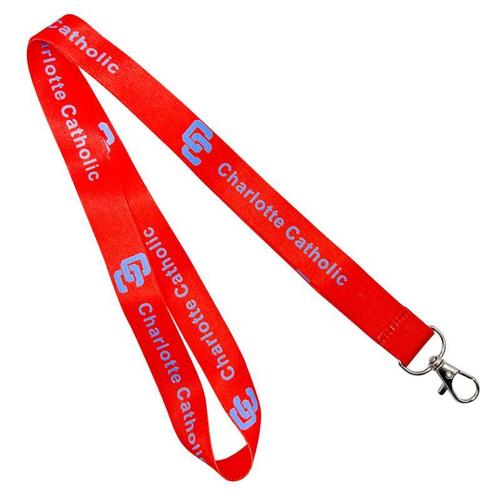
Polyester is the workhorse of custom lanyards. It is popular because it is affordable, versatile, and compatible with several decoration methods, including screen printing, heat transfer, and dye sublimation. For most standard promotional orders, polyester gives the best balance of value and visual quality.
It works especially well for:
- School ID programs
- Trade show handouts
- Volunteer and nonprofit events
- Staff credentials for short- to mid-term use
- Large quantity campaigns with strict budgets
Strengths of polyester
The biggest advantage is flexibility. Polyester can handle bold branding without sending costs too high. It is also widely available in multiple widths, attachment options, and safety breakaway styles. For many organizations, this makes it the safest default choice.
When buyers ask for “good quality without overspending,” polyester is usually the answer. It also tends to perform well under repeated everyday use if the weave and stitching are solid.
Weaknesses of polyester
Polyester is not always the most premium-feeling option. Compared with nylon, it may feel less silky and slightly more standard. Compared with woven construction, it may not offer the same long-lasting stitched-in logo effect. If your campaign is trying to communicate luxury or elevated brand perception, plain polyester can sometimes feel too common unless upgraded with better hardware or finishing.
“For broad-use promotional lanyards, polyester remains the easiest material to scale. The real differentiator is not just the fabric, but the print method and finishing details.”
Nylon Lanyards
What makes nylon different
Nylon lanyards are known for their smooth, glossy finish. They often look cleaner and feel softer than standard polyester, which gives them a more premium presentation. If your logo is simple, bold, and meant to look crisp against a sleek background, nylon is a strong candidate.
They are often chosen by:
- Corporate brands
- Hospitality businesses
- Campus bookstores selling branded accessories
- Organizations aiming for a polished visual upgrade
Why buyers choose nylon
The main reason is appearance. Nylon has a higher-end surface sheen that can make a branded lanyard feel less like a giveaway and more like a considered brand item. For simple one- or two-color logos, screen printing on nylon can look especially sharp.
It also tends to drape well, which matters if lanyards are worn for long hours at conferences or customer-facing jobs.
Limitations of nylon
Nylon is usually more expensive than polyester. It is also less ideal for highly detailed, all-over photographic, or gradient-heavy artwork in cases where dye sublimation on polyester would reproduce the image more accurately. If your brand system depends on intricate visual elements, nylon may not deliver the best return on premium pricing.
Another practical issue: because nylon looks more refined, poor printing or off-center artwork becomes more noticeable. In other words, premium material raises the quality bar for production accuracy.
Woven Lanyards
How woven lanyards are made
Woven lanyards are different from printed lanyards because the design is stitched into the fabric rather than placed on top of it. That changes both the look and longevity. The result is usually more textured, more tactile, and often more durable from a branding standpoint because the logo is part of the strap construction.
Best reasons to choose woven
Woven lanyards are a smart fit when durability and a classic stitched aesthetic matter more than photographic print detail. They are often chosen by organizations that want a more structured, long-term-use product, such as schools, security teams, clubs, or fan merchandise lines.
Key advantages include:
- Logos do not rely on surface ink the same way printed styles do
- The texture gives the product a more crafted feel
- Branding often stays legible over longer wear cycles
- They can feel more substantial for repeated daily use
Where woven falls short
The tradeoff is detail. Fine lines, tiny text, and complex gradients are harder to reproduce in woven form. If your design needs precision, woven may simplify or slightly alter the visual result. It is also not the best option when you want edge-to-edge full-color artwork.
For that reason, woven works best with logos that are bold, clean, and structurally simple.
“Woven lanyards win when the logo is iconic enough to survive simplification. If your mark depends on subtle color transitions or tiny taglines, printing will usually beat weaving.”
Side-by-Side Comparison
| Material | Best Business Scenario | Main Advantage | Main Limitation |
|---|---|---|---|
| Polyester | Trade shows, schools, nonprofits, large-volume events | Best value and strong print flexibility | Less premium feel than nylon |
| Nylon | Corporate branding, hospitality, premium employee use | Smooth finish and polished appearance | Higher cost and less ideal for complex full-color art |
| Woven | Clubs, schools, merchandise, long-term wear programs | Stitched-in branding with durable character | Limited detail for intricate logos |
| Dye-sublimated polyester | Events needing gradients, photos, or multicolor branding | Excellent color range and edge-to-edge design options | Can feel more standard without upgraded hardware |
If you want the shortest answer, here it is: polyester is the best all-around choice, nylon is the best premium printed choice, and woven is the best stitched-look choice.
Best Use Cases by Industry
Events and trade shows
Most event planners should lean toward polyester, especially dye-sublimated polyester. It handles sponsor-heavy designs, color coding, attendee segmentation, and quick-turn bulk orders well. According to Freeman’s 2024 event trends reporting, attendee experience and brand consistency remain central to event ROI, which makes clear identification products more valuable than they may seem on paper.
Schools and universities
Schools often need a mix of price control and durability. Polyester is common for mass student ID programs, while woven can work well for clubs, alumni merchandise, or campus spirit stores. Nylon tends to be used less often unless the goal is a more polished branded accessory.
Corporate offices
For reception teams, conference staff, or client-facing employees, nylon can justify the higher budget because the finish looks cleaner and more upscale. If the lanyard is part of a daily uniform system, comfort and appearance both matter.
Retail and merch brands
Woven lanyards often perform better in merchandise settings because they feel more collectible. They can look closer to a lifestyle accessory than a pure utility item. That matters for gaming brands, streetwear labels, fan communities, and music merch lines.
How to Choose the Right Material
If you are still on the fence, use this decision process:
- Define the primary use. Is this for daily wear, a one-time event, resale, or staff operations?
- Assess your logo complexity. Detailed artwork usually pushes you toward polyester printing.
- Set a realistic budget tier. Low-cost bulk, mid-tier brand standard, or premium presentation.
- Think about wear duration. A three-day expo needs different specs than a year-round security badge.
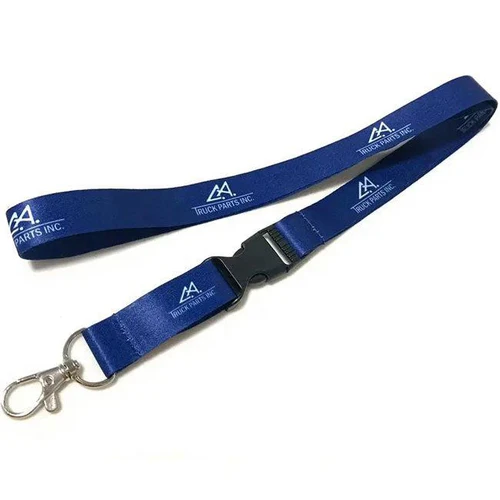
- Match hardware to purpose. Swivel hooks, bulldog clips, badge reels, and breakaways all change user experience.
- Request a sample or mockup. Never approve from artwork alone if branding accuracy matters.
Real-World Case Study from Best Patches
I once worked with a regional event organizer who initially wanted woven lanyards for a technology expo because they liked the textured look. On paper, that sounded reasonable. But their sponsor layout included small logos, multiple color bands, and a gradient event mark. After reviewing the artwork, we at Best Patches recommended switching to dye-sublimated polyester instead.
The result was better than the client expected. Sponsor visibility improved, attendee categories were easier to identify from a distance, and the unit cost stayed within budget even after adding safety breakaways. If they had stayed with woven, many of the smaller sponsor marks would have lost clarity. That project reinforced a lesson I keep seeing: the best material is the one that serves the design system, not the one that sounds most premium.
In another order, a boutique hospitality brand came to Best Patches wanting lanyards for VIP staff and front-desk personnel. This time, we tested polyester and nylon side by side. I remember handling both samples and immediately seeing why nylon made more sense. Their logo was simple, elegant, and monochrome. The smooth surface gave it a sharper, more elevated look, and the staff team preferred the softer hand feel. They paid more per unit, but the visual alignment with the brand made the decision easy.
These projects may sound opposite, but together they show the real rule: there is no universal winner among lanyard materials. There is only the right match for your artwork, audience, and use cycle.
Common Mistakes Buyers Make
Chasing the cheapest option without considering wear
Low pricing matters, especially in volume, but replacement costs and poor brand perception can erase short-term savings. A lanyard that twists, fades, or feels rough may not be worth the initial discount.
Using woven for intricate logos
This is one of the most common specification errors. Buyers like the durable stitched concept but underestimate how much detail gets simplified in the weaving process.
Paying for nylon when the artwork needs dye sublimation
If your design is visually complex, nylon’s premium finish may not compensate for weaker reproduction. In those cases, polyester often delivers better communication value.
Ignoring hardware and safety features
Material is only part of performance. Breakaway closures are important in schools, healthcare, and active workplaces. Attachment type also affects daily usability.
According to the Promotional Products Association International’s 2025 industry outlook, buyers are increasingly evaluating promotional items through a combined lens of durability, usefulness, and brand fit rather than unit price alone. That trend supports a more strategic lanyard selection process.
Final Verdict
If you need one practical answer, choose polyester for versatility and value, nylon for a smoother premium appearance, and woven for long-lasting stitched character. None is automatically better in every scenario. The right choice depends on your logo style, budget, and how the lanyard will actually be used.
Best Patches recommends these next steps:
- Start by matching your design complexity to the right production method before comparing prices.
- Request material-specific mockups or samples for any large order or premium brand application.
- Review fabric, print method, hardware, and safety features as one package rather than separate decisions.
References
- Advertising Specialty Institute, 2024 promotional products research: Provided context on the retention and branding value of useful promotional items.
- Freeman, 2024 event trends reporting: Supported the importance of attendee experience and brand consistency in event environments.
- Promotional Products Association International, 2025 industry outlook: Highlighted the shift toward usefulness, durability, and brand fit in buyer decisions.
FAQ
What are the most common lanyard materials?
-
The most common options are polyester, nylon, and woven lanyards. Polyester is the most versatile and budget-friendly, nylon offers a smoother premium finish, and woven styles are best for stitched-in branding with a textured look.
Which lanyard materials are best for detailed logos?
-
For detailed logos, gradients, and multicolor artwork, dye-sublimated polyester is usually the strongest option. It reproduces complex graphics more accurately than woven construction and often more flexibly than nylon screen printing.
Are woven lanyards more durable than printed lanyards?
-
Often, yes—at least from a branding longevity standpoint. Because the design is stitched into the fabric, woven lanyards can hold their look well over time. But they are not always better overall. Printed polyester may still be the smarter choice for complex artwork or lower-cost bulk orders.
Is nylon better than polyester for custom lanyards?
-
Not across the board. Nylon is better if you want a smoother, more polished feel for simple branding. Polyester is better if you want stronger value, more decoration flexibility, and better performance for full-color designs.
What is the best lanyard material for schools?
-
For most schools, polyester is the best all-around choice because it balances cost, durability, and branding flexibility. If the lanyards are for club merchandise or longer-term identity use, woven can also be a strong option.
Do lanyard attachments matter as much as lanyard materials?
-
Yes. Material affects look and feel, but attachments affect everyday function. A good lanyard with the wrong clip, hook, or breakaway feature can still perform poorly. The best results come from selecting fabric and hardware together.