 Promotional Products









Introduction
If you are sourcing sublimation lanyard attachments, the wrong hardware can quietly ruin an otherwise great lanyard project. A beautiful full-color strap means very little if the clip breaks, the badge holder twists, or the attachment feels awkward in daily use. Buyers usually find out too late—after an event, a school rollout, or a trade show order is already in circulation.
That is exactly why brands, schools, hospitals, and event teams now pay closer attention to the attachment itself, not just the printed lanyard. At Best Patches, we have seen clients improve user satisfaction, reduce replacement requests, and protect brand perception simply by matching the right attachment style to the real-world job.
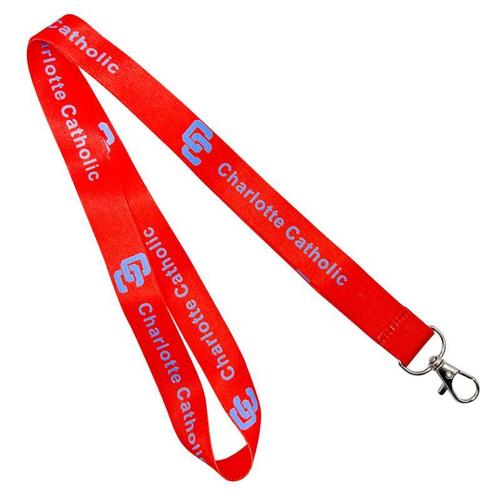
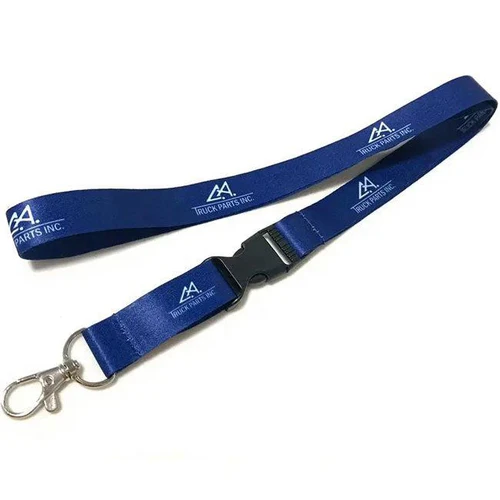
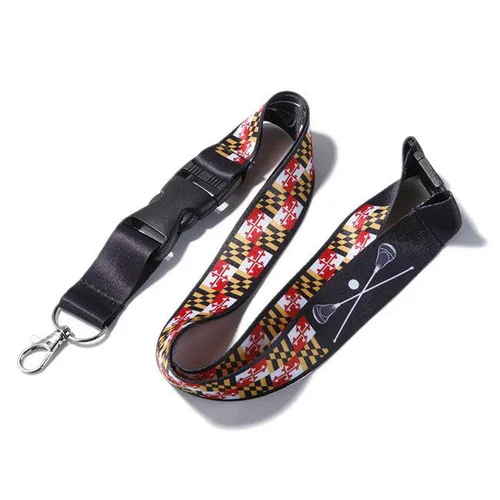
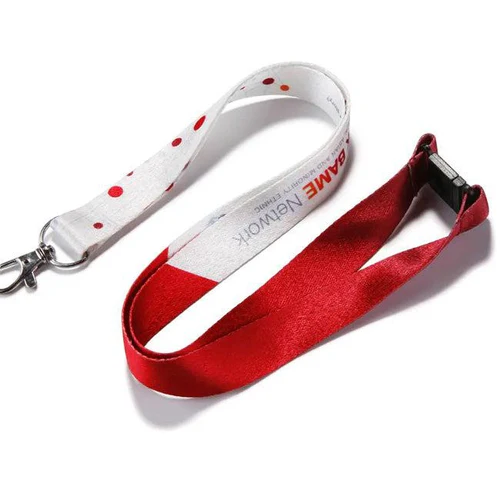
Sublimation lanyard attachments are the metal or plastic end components fixed to a printed lanyard so it can hold IDs, keys, passes, tools, or badge reels. Common options include J-hooks, lobster claws, bulldog clips, and badge holders, each designed for a different level of security, access speed, and wear comfort.
The smart choice is not about picking the most popular attachment. It is about understanding how the lanyard will be used, how often the item will be removed, and what kind of environment the wearer works in.
Table of Contents
- Why Attachments Matter More Than Most Buyers Expect
- Core Types of Sublimation Lanyard Attachments
- Best Attachment by Business Scenario
- How to Choose the Right Attachment
- What We Learned From Real Client Orders
- Quality, Safety, and Durability Checks
- Production Tips for Better Results
- Common Mistakes Buyers Make
- What Is Changing in 2026
- Conclusion
Why Attachments Matter More Than Most Buyers Expect
Most buyers start with color, logo size, and lanyard width. That makes sense—branding is visible. But attachment performance drives the daily experience. If staff members scan badges fifty times a day, the wrong clip causes friction fast. If attendees carry phones, whistles, keys, or mini tools, weak hardware becomes a liability.
According to a 2024 report from the Promotional Products Association International, wearability and practical usefulness remain among the strongest drivers of retention for promotional accessories. That matters because a lanyard is not just a printed item; it is a functional product users interact with repeatedly. The attachment is where that function either succeeds or fails.
There is also a cost issue. Replacing damaged straps is annoying, but replacing failed hardware at scale is worse because it affects trust. In schools and healthcare settings, bad hardware can interfere with access control and identification visibility. In trade shows, it can make check-in lines slower and create a sloppy first impression.
“A lanyard attachment should be chosen like a tool head, not a decoration. The best-looking option is not always the safest or most efficient one.”
Core Types of Sublimation Lanyard Attachments
The four attachment styles buyers ask about most are J-hooks, lobster claws, bulldog clips, and badge holders. Each one solves a different problem, and each has trade-offs.
J-Hooks
J-hooks are one of the most common and economical choices. They are easy to clip onto standard badge slots and simple for event use. If you need a no-fuss attachment for conference passes, visitor IDs, or short-term campaigns, J-hooks are often enough.
The downside is security. A J-hook can detach more easily than a fully closing clasp, especially if the wearer moves a lot or the badge is frequently handled. For low-risk, short-duration use, that may be acceptable. For busy worksites, it usually is not.
Lobster Claws
Lobster claw clasps offer a more secure closure. They are popular when users carry keys, USB drives, mini sanitizer bottles, or other small add-ons besides an ID. They also feel slightly more premium, which matters for employee welcome kits and branded merchandise.
The trade-off is convenience. Some users find lobster claws slower than open hooks, particularly in environments where passes are swapped often. Still, for everyday carry, they strike one of the best balances between security and versatility.
Bulldog Clips
Bulldog clips grip directly onto badges or pouches. They are practical when a card lacks a punch slot or when you want a stronger hold on a thin plastic badge holder. They are also useful for temporary credentials and backstage passes.
However, bulldog clips can leave marks on softer materials or shift if attached poorly. They are functional rather than elegant, so they are not always the best fit for high-end branding programs.
Badge Holders
Some buyers treat badge holders as a separate accessory, but in real purchasing decisions they are part of the attachment system. A lanyard plus a well-matched holder creates a more stable, readable, and protective setup. This is especially important in hospitals, offices, schools, and manufacturing environments where credentials need to stay visible and clean.
Badge holders improve card life and professional appearance, but they add bulk and cost. The key is matching holder orientation, card size, and clip style to the user’s scanning and display needs.
Best Attachment by Business Scenario
| Attachment Type | Best For | Main Advantage | Main Limitation |
|---|---|---|---|
| J-Hook | Trade shows, visitor badges, short-term events | Fast, simple, cost-effective | Less secure for heavy movement |
| Lobster Claw | Corporate staff, retail teams, key carry | Secure and versatile | Slightly slower to attach and remove |
| Bulldog Clip | Temporary credentials, badge pouches, backstage access | Strong grip on varied materials | Can shift or mark soft materials |
| Vinyl Badge Holder Setup | Hospitals, schools, offices, factories | Protects ID and improves visibility | Bulkier and higher cost |
| Split Ring with Clip Combo | Maintenance, security, multi-item carry | Handles keys and tools well | Can feel heavy for all-day wear |
How to Choose the Right Attachment
The best buying process starts with use case, not catalog photos. Ask what the wearer is carrying, how often they access it, and whether the lanyard is for a one-day event or year-round use.
Questions to Ask Before Ordering
- Will the user carry only a badge, or also keys and accessories?
- Does the badge need to be scanned frequently?
- Is the environment active, public-facing, or safety-sensitive?
- Do you need the lowest possible unit cost or the best long-term durability?
- Is the credential slotted, unslotted, or inside a holder?
A Practical Selection Process
- Define the primary item the lanyard must hold.
- Estimate how many daily attachment and removal cycles users will perform.
- Choose the minimum security level that still prevents accidental detachment.
- Match the hardware finish and shape to your brand positioning.
- Request a physical sample before approving a large run.
According to a 2025 Deloitte outlook on workplace operations, organizations continue to favor practical, user-centered equipment choices that reduce friction in repeated daily tasks. That thinking applies directly to lanyard hardware: the smoother the interaction, the better the compliance and the lower the replacement rate.
What We Learned From Real Client Orders
I remember working with a regional healthcare client through Best Patches that initially requested standard J-hooks for a staff identification rollout. On paper, it looked like the cheapest route and the fastest to produce. But once we reviewed how often nurses and support staff scanned badges, the weakness of that choice became obvious. We shifted them to a badge holder system paired with more secure clasps. The result was fewer dropped IDs and a cleaner, more professional look across departments.
In another project, I helped a trade show organizer compare lobster claws and J-hooks for a three-day expo. Their first instinct was to use lobster claws for everyone because they felt more premium. After discussing how often volunteers would issue and reissue badges at the registration desk, we recommended J-hooks for attendee passes and lobster claws only for staff who carried keys. That split approach cut costs and sped up check-in.
These are the kinds of decisions that look small in a quote sheet but become very visible in real use. The best attachment is usually the one that fits behavior, not the one with the nicest product photo.
“When clients test hardware in the same environment where it will actually be worn, attachment selection gets easier and return issues drop sharply.”
Quality, Safety, and Durability Checks
Not all hardware sold under the same name performs the same way. A lobster claw can be sturdy and spring-loaded, or flimsy and prone to fatigue. A bulldog clip can grip tightly, or it can loosen after repeated use. This is where supplier quality matters.
According to data published by the Occupational Safety and Health Administration and widely referenced in workplace safety planning, breakaway features and snag-risk reduction remain important in environments with machinery, patient care movement, or physical contact. While not every sublimation lanyard needs a breakaway component, many workplace programs should review whether one is appropriate.
What to Inspect in Samples
- Spring tension and closure consistency
- Metal finish resistance to scratching and corrosion
- Attachment point stitching or crimp quality
- Compatibility with your badge slot or holder opening
- Comfort under all-day wear
Durability should also be judged against substrate width and print style. A narrow strap carrying heavy items puts more stress on the end fitting. If you are printing bold, all-over sublimation graphics, cheap hardware can undermine the premium feel of the finished product.
Production Tips for Better Results
With sublimated lanyards, the strap is often visually strong—full color, gradients, edge-to-edge logos. That makes attachment choice even more important because the hardware becomes the final cue of quality. A premium print paired with a weak clip creates a mismatch users notice immediately.
Design and Production Rules That Pay Off
Keep hardware color aligned with the brand impression. Silver is versatile and clean. Black hardware can feel modern and tactical. Gold-tone finishes can work for hospitality or VIP programs but require tighter consistency control.
Do not overlook width. A 10 mm lanyard with a heavy multi-item setup may twist. A 20 mm lanyard gives branding room and better balance for holders and reels. If the program includes retractable badge reels, test the weight and pull distance together rather than selecting each component separately.
From a production standpoint, clear proofing matters. At Best Patches, we advise clients to approve hardware type, holder orientation, finish, and accessory combinations in writing before mass production. Many order errors happen not because the print file is wrong, but because the end hardware was assumed instead of confirmed.
Common Mistakes Buyers Make
Some mistakes repeat across industries, even among experienced procurement teams.
- Choosing by price only and ignoring wear conditions
- Using one attachment type for every department
- Skipping sample testing with real badges or keys
- Ignoring holder orientation for scan points
- Forgetting safety features in active environments
One of the biggest misconceptions is that all attachment failures are manufacturing defects. Often, the problem is poor fit. A J-hook used with a heavy key bundle is being asked to do a job it was never meant to do. A bulldog clip used on a slick laminated credential may slide because the material itself is the wrong match.
There is also a branding risk. If you hand out premium-looking sublimation lanyards at a launch event and the attachments feel cheap, the whole product feels cheaper. That impression sticks longer than most buyers expect.
What Is Changing in 2026
Attachment preferences are shifting in a few clear directions. Buyers want more modularity, better finish consistency, and stronger alignment between use case and hardware. There is also more interest in hybrid setups, such as secure clasps paired with badge holders or split-ring combinations for key carry.
According to a 2024 McKinsey analysis of customer expectations in physical products, users increasingly judge quality through tactile details and reliability during repeated interaction. That is a useful lens for lanyards. In 2026, hardware feel is no longer a minor detail; it is part of perceived brand quality.
We are also seeing more clients ask for attachment recommendations earlier in the buying process instead of at the end. That is a positive shift. It means hardware is being treated as a strategic decision rather than an afterthought.
For suppliers and buyers alike, the future is less about offering more attachment options and more about guiding customers to the right one faster. That is where expertise matters.
Conclusion
The right sublimation lanyard attachment depends on how the lanyard will actually be used. J-hooks are fast and economical, lobster claws offer stronger security, bulldog clips solve specific badge-grip needs, and badge holder systems improve protection and presentation. The best results come from matching hardware to behavior, environment, and brand expectations.
Best Patches recommends these next steps:
- Test two or three attachment styles with the exact badge, key set, or holder your users will carry.
- Separate short-term event needs from long-term workplace needs instead of combining them into one spec.
- Request a pre-production sample that confirms attachment type, finish, and compatibility before placing a bulk order.
References
- Promotional Products Association International, 2024: Offered market perspective on utility and retention value in promotional products.
- Deloitte, 2025 workplace operations outlook: Reinforced the importance of user-centered equipment decisions in recurring daily tasks.
- Occupational Safety and Health Administration: Provides safety guidance relevant to breakaway considerations and workplace wearables.
- McKinsey, 2024 customer expectations analysis: Highlighted how repeated-use product details influence perceived quality.
FAQ
What are the most reliable sublimation lanyard attachments for daily use?
For most daily workplace use, lobster claws are the safest all-around choice because they balance secure closure and flexibility. If your users mainly wear visible IDs, a badge holder setup can be even better for protection and presentation.
Are J-hooks good enough for event lanyards?
Yes. J-hooks are often a strong fit for trade shows, visitor passes, and short-term events because they are simple, fast to use, and cost-efficient. They are less ideal when the wearer carries extra weight or moves constantly.
Should I choose a bulldog clip or a badge holder?
Use a bulldog clip when you need a firm grip on a temporary credential or pouch. Choose a badge holder when the ID must stay protected, readable, and presentable over longer periods.
How do I choose sublimation lanyard attachments for schools or hospitals?
Start with safety and access needs. In schools and hospitals, buyers often prefer secure clasps, clear badge holders, and sometimes breakaway features depending on the work area. Test the setup with actual scanning routines before full rollout.
Do more premium attachments increase lanyard costs a lot?
Usually, they raise the unit cost modestly rather than dramatically. The bigger question is whether the added security, comfort, or durability lowers replacement costs and improves user experience enough to justify that increase.
Can one lanyard design use different attachment styles?
Yes. Many organizations use the same printed strap but assign different hardware to different roles. That can improve performance without requiring separate artwork for every department or event group.