 Promotional Products







Introduction
If you are sourcing bulk sublimation lanyards, the hardest part usually is not picking colors or adding a logo. It is figuring out the order size that gives you the best price without overbuying, delaying your event, or ending up with boxes of leftover stock. Buyers for schools, trade shows, nonprofits, and corporate teams all run into the same questions: What is the real MOQ, where do quantity breaks start to matter, and how do you order without expensive mistakes?
That is where Best Patches stands out. As a trusted custom branding supplier, the team has helped organizations balance cost, lead time, print quality, and attachment options when placing larger lanyard orders. The difference between a smooth order and a frustrating one often comes down to how early you lock in specs, artwork, and quantity tiers.
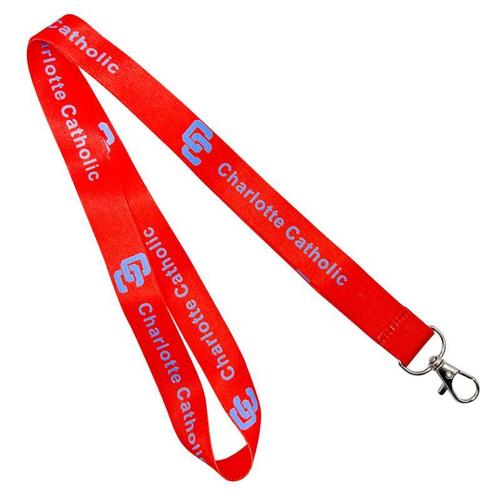
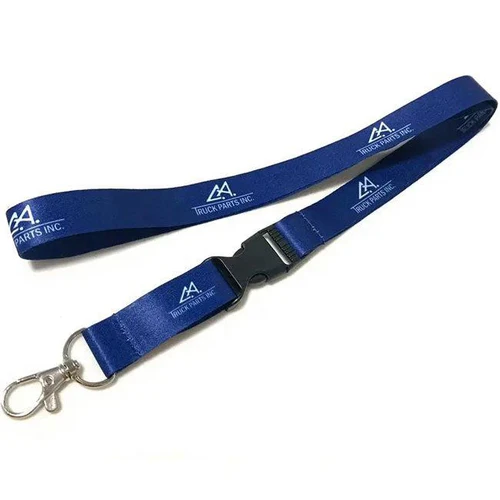
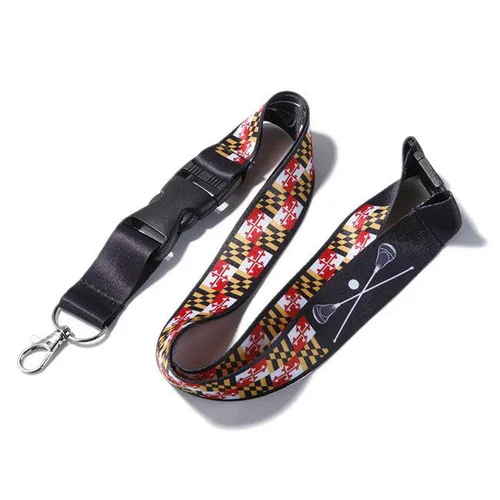
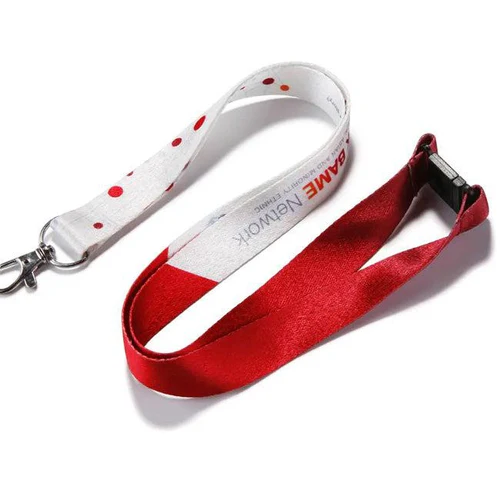
Bulk sublimation lanyards are custom printed polyester lanyards made in larger quantities using dye-sublimation, a process that bonds ink into the fabric rather than sitting on top of it. This creates full-color, edge-to-edge designs that stay vibrant and flexible, making them popular for ID badges, event credentials, campus access, and promotional giveaways.
For most buyers, sublimation is the best fit when brand color accuracy, gradients, fine text, or multi-logo layouts matter. It is especially cost-effective once you reach the first meaningful quantity break.
Table of Contents
- Why Buyers Choose Sublimation
- How MOQ Really Works
- Where Quantity Breaks Save Money
- Pricing Comparison by Business Use Case
- How to Place the Right Order
- Design Specs That Affect Cost
- Lead Times, Shipping, and Risks
- Firsthand Case Study from Best Patches
- What Is Changing in 2026
Why Buyers Choose Sublimation
Sublimation keeps winning bulk orders because it solves two common problems at once: visual quality and scalability. Screen printing can work well for simple one-color art, but once a client wants gradients, full-color logos, sponsor marks, or repeating patterns on both sides, sublimation usually becomes the cleaner option.
According to the Promotional Products Association International 2024 industry outlook, buyers continue to favor practical branded products with repeat-use visibility, especially items tied to workplace access, events, and education. Lanyards fit that demand because they are inexpensive, wearable, and highly visible in real use rather than sitting in a swag bag unopened.
- Full-color printing with crisp detail
- Better color range for brand standards
- Soft feel without thick surface ink
- Strong fit for repeating logos and complex layouts
- Good durability under normal daily wear
The biggest benefit in bulk is consistency. Once production is dialed in, sublimation can maintain strong visual uniformity across hundreds or thousands of pieces, which matters for staff ID programs and large-scale conferences.
“For high-volume branded wearables, the buyer usually regrets poor print quality longer than they remember a small price difference. With lanyards, legibility and color control matter.”
How MOQ Really Works
MOQ does not always mean the absolute smallest quantity a factory can physically make. In many cases, it reflects the point where setup, labor, material handling, and finishing become commercially efficient. For custom lanyards, common MOQs may start around 50 or 100 pieces, but the practical sweet spot often begins higher if you want better per-unit pricing.
Buyers often misunderstand MOQ in three ways:
- They assume the listed MOQ is the best value point. It usually is not.
- They think adding attachments does not affect MOQ logic. It can.
- They expect all colorways or size variations to count toward one pooled minimum. Some suppliers allow this, some do not.
At Best Patches, we typically advise clients to think about MOQ as a planning threshold, not just a minimum gate. If your event needs 140 lanyards, ordering exactly 140 may look efficient on paper, but 150 or 200 can sometimes lower the unit cost enough to make the total spend difference surprisingly small.
There is also a hidden MOQ issue in artwork complexity. A standard one-design order is straightforward. A mixed order with multiple names, departments, or unique colorways can shift the economics even if the total piece count remains high.
What usually drives MOQ
The following factors most often shape a supplier’s minimum:
- Print setup and proofing time
- Webbing width and material availability
- Choice of hook, buckle, or safety release
- Single-sided versus double-sided print
- Packaging requirements, including individual bagging
Where Quantity Breaks Save Money
Quantity breaks are where bulk buying starts to work in your favor. The exact numbers vary by supplier, but many orders become more efficient at levels such as 100, 250, 500, 1,000, and 2,500 units. The first break absorbs setup costs more effectively. The larger breaks improve raw material use, batching, and labor efficiency.
According to ASI research published in 2024 on promotional product buyer behavior, price predictability and delivery reliability now rank alongside product quality in procurement decisions. That lines up with what lanyard buyers see every day: the best quote is not always the lowest unit price, but the one that performs best across total cost, timeline, and defect risk.
Here is the practical reality:
- From 50 to 100 units, the unit price often drops noticeably.
- From 100 to 250 units, you usually gain stronger value for events and school programs.
- From 500 and up, sublimation starts to look very efficient for recurring use.
- At 1,000 plus, freight, packaging, and inventory planning matter more than a few cents of print savings.
Buyers should also watch for “false savings.” A cheaper price break may lose its value if the supplier cuts corners on hardware, uses lower-grade webbing, or extends production beyond your actual deadline.
Pricing Comparison by Business Use Case
The table below shows a realistic comparison framework for how different buyer types approach quantity, attachments, and budget priorities when ordering sublimation lanyards in bulk.
| Buyer Type | Typical Quantity | Common Configuration | Main Buying Priority |
|---|---|---|---|
| Regional Trade Show Organizer | 500-1,500 | 3/4" polyester, full-color print, swivel hook, optional buckle | Fast delivery and sponsor logo clarity |
| University Admissions Office | 1,000-5,000 | 1" width, double-sided art, safety breakaway, badge clip | Brand consistency and long-term stock planning |
| Healthcare Network | 250-2,000 | Safety release, detachable buckle, role-color coding | Compliance, role separation, comfort |
| Nonprofit Fundraiser | 100-500 | Basic hook, single design, event date included | Budget control and decent visual impact |
| Corporate Security Team | 500-3,000 | Durable webbing, anti-twist hook, department variants | Durability and repeat reorder accuracy |
How to Place the Right Order
Ordering well is less about chasing the lowest quote and more about controlling variables before production starts. A structured process prevents most expensive errors.
- Define the actual use case. Event giveaway lanyards are different from daily employee ID lanyards.
- Set your target quantity and backup quantity. Include extras for staff, replacements, and late registrants.
- Choose width and hardware. Hooks, buckles, safety releases, and clips affect both cost and function.
- Prepare print-ready artwork. Keep logos sharp, color references clear, and text readable at small scale.
- Approve a digital proof carefully. Check spelling, logo orientation, and repeat spacing.
- Confirm production timeline and ship date. Ask what date the order leaves the factory, not just when it starts.
- Review overrun, underrun, and defect policies. This matters for large orders.
I have seen buyers save money simply by tightening their proof process. At Best Patches, one client nearly approved a lanyard where the event website URL was repeated upside down on alternating sections. The artwork looked fine in a flat file, but the production repeat made the mistake obvious once we mocked it at scale. Catching that before printing prevented a full re-run.
Design Specs That Affect Cost
Not all lanyards with the same quantity cost the same. Design and finishing choices can move pricing more than many first-time buyers expect.
Width and print area
Wider lanyards cost more because they use more material and can require more careful print registration. That said, a 1-inch width often provides the best visibility for logos and event names.
Single-sided versus double-sided printing
Double-sided printing improves visibility and brand polish, especially when the lanyard twists during wear. It is often worth the extra cost for conferences, security programs, and campuses.
Attachments and safety features
Standard swivel hooks are common, but buckles, badge reels, bulldog clips, and breakaway releases all change pricing. Healthcare, education, and industrial settings may require safety-oriented configurations instead of the cheapest possible option.
Packaging
Bulk packed lanyards usually cost less. Individually bagged units help with distribution and cleanliness but add labor and material costs.
“The cheapest lanyard is often the one that has to be replaced first. Buyers should match the attachment style to the real wear conditions, not just the quote sheet.”
Lead Times, Shipping, and Risks
Timing can ruin an otherwise good order. A low quote means very little if your lanyards arrive after orientation day, badge rollout, or event check-in. Most problems happen in four places: delayed artwork approval, unclear specs, material shortages, and unrealistic freight assumptions.
According to the 2025 DHL Global Connectedness reporting and logistics updates discussed across international trade channels, cross-border shipping remains workable but still vulnerable to route disruptions, customs variation, and seasonal congestion. For bulk lanyards, that means buyers should leave more breathing room than they think they need.
Key risks to manage include:
- Rush production increasing defect rates
- Color shift from poor artwork preparation
- Incorrect hardware on large runs
- Transit delays close to event dates
- Underordering when attendance rises late
A balanced ordering strategy usually includes a small overage, a written approval trail, and at least a modest buffer between in-hand date and use date. If the lanyards are mission-critical, ask whether partial shipments are possible.
Firsthand Case Study from Best Patches
At Best Patches, we worked with a multi-campus training organization that originally planned to order 300 lanyards for a spring intake. Their first instinct was to buy the bare minimum because they were watching budget closely. After reviewing their calendar, we noticed they had another intake eight weeks later and a separate volunteer program using nearly the same design.
I recommended that they combine demand into one larger run with a shared core design and two color-coded variants. That moved them into a better quantity break, reduced their unit price, and avoided a second setup cycle. The client also switched from a basic clip to a detachable buckle because staff were using access cards multiple times per day. The total spend rose slightly, but the cost per active user dropped, and the reissue rate fell because the buckle reduced wear on the badge holder.
In another project, I helped a nonprofit event team that needed lanyards fast after a previous supplier missed proof deadlines. Their challenge was not just speed; it was sponsor density. They had too many logos and too little printable space. We rebuilt the layout using a repeating hierarchy, enlarged the event identity, and moved minor sponsors to a cleaner cadence. The final lanyards looked less crowded, remained readable from a distance, and reached the team before volunteer check-in.
Those projects reinforced the same lesson: quantity is only one part of a successful lanyard order. Smart configuration and proofing often create more value than squeezing the quote by a few cents.
What Is Changing in 2026
Buyer expectations are getting sharper. In 2026, more procurement teams want not just custom products, but cleaner ordering systems, predictable reorders, and better visibility into material and timing. That favors suppliers who can support repeat programs, not just one-off transactions.
Several shifts are worth watching:
- Stronger demand for reusable event materials over throwaway swag
- More buyers asking for exact color consistency across repeat orders
- Growing preference for practical attachment options tailored to the job
- More centralized purchasing by schools, hospital groups, and multi-site companies
For brands, the opportunity is simple: treat lanyards as part of operational branding, not just a cheap accessory. When the product is used daily, every detail matters more.
Conclusion
Bulk sublimation lanyards make the most sense when you understand the true relationship between MOQ, quantity breaks, print specs, and delivery timing. The best order is not always the smallest or cheapest. It is the one that fits your real use case, lands before your deadline, and holds up in daily use.
Best Patches recommends these next actions:
- Request quotes at your target quantity and at least two higher breakpoints.
- Standardize hardware and artwork rules before approving the final proof.
- Build in extra units for replacements, late additions, and future short-run avoidance.
References
- Promotional Products Association International, 2024 outlook — Provided current industry direction on demand for practical branded merchandise.
- ASI buyer behavior research, 2024 — Supported procurement trends around pricing, reliability, and product utility.
- DHL global logistics reporting, 2025 — Informed shipping risk and delivery planning considerations for cross-border bulk orders.
FAQ
What is the typical MOQ for bulk sublimation lanyards?
Most suppliers start custom orders around 50 to 100 units, but better value often begins at 100, 250, or 500 pieces. The real answer depends on your design complexity, hardware choices, and whether you need multiple variants.
How do quantity breaks affect pricing on lanyards?
Quantity breaks reduce the unit cost because setup, printing, and finishing are spread across more pieces. Common breakpoints are 100, 250, 500, and 1,000. Sometimes ordering a slightly higher quantity lowers the average cost enough to justify the extra units.
Are sublimation lanyards better than screen-printed lanyards?
For full-color logos, gradients, and detailed artwork, yes, sublimation is usually the better choice. Screen printing can still work well for simple designs with fewer colors and very tight budgets.
What file format should I send for custom lanyard artwork?
Vector files such as AI, EPS, or SVG are usually best. A high-resolution PNG may also work for some suppliers, but vector art gives cleaner scaling and better print control.
How long does it take to receive a bulk lanyard order?
Lead time depends on proof approval, quantity, and shipping method. A standard custom order may take one to three weeks for production, plus shipping time. Rush service may be available, but it often costs more and leaves less room for corrections.
Can I mix colors or departments in one bulk order?
Often yes, but it depends on the supplier. Some can combine multiple variants into one production run, while others price each version separately. Always ask whether mixed designs still qualify for the same quantity break.