 Promotional Products






Introduction
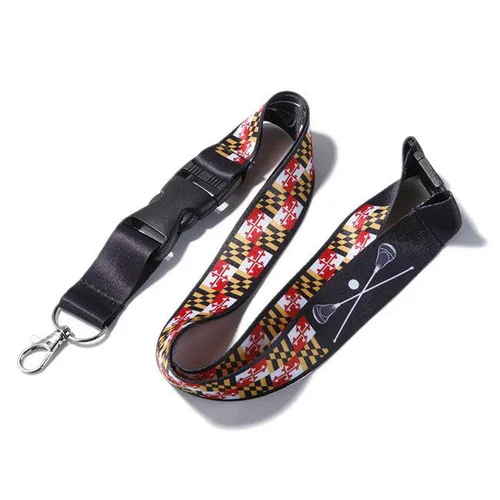
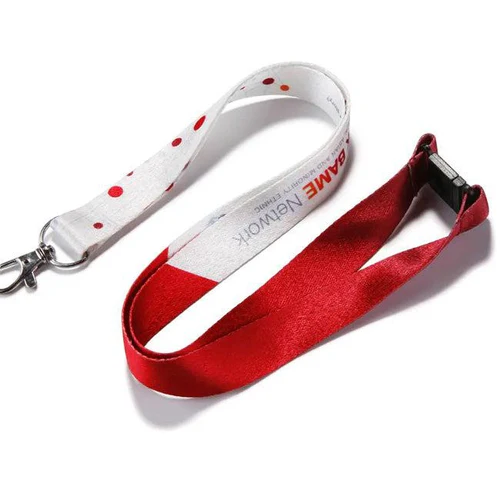
If you are trying to estimate custom sublimation lanyards cost, the frustrating part is that prices can look simple at first and then climb fast once attachments, artwork setup, shipping, and rush production enter the quote. A lanyard that seems like a low-cost promotional item can become a meaningful budget line when you are ordering for a school, trade show, hospital, or national event.
That is exactly where Best Patches stands out. As a supplier working with custom branded merchandise and event gear, Best Patches helps buyers compare real production variables instead of chasing misleading per-piece prices. The right quote is not just about the cheapest lanyard. It is about total value, print clarity, wear comfort, hardware quality, and delivery reliability.
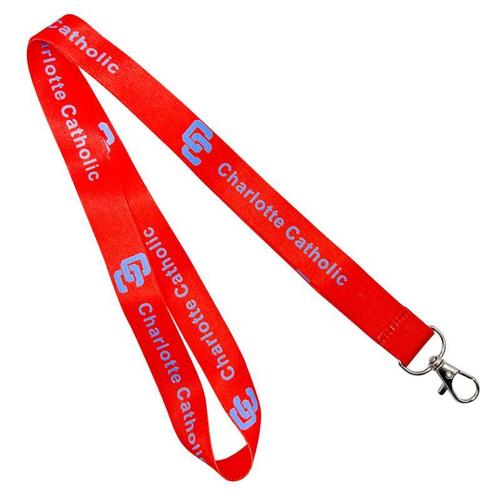
Custom sublimation lanyards cost refers to the total amount you pay to produce personalized lanyards printed through dye-sublimation, a process that transfers full-color artwork directly into polyester fabric. The final price usually depends on order quantity, lanyard width, attachment type, design complexity, packaging, and shipping speed.
For most bulk buyers in 2026, custom sublimation lanyards commonly range from under a dollar per piece on large runs to several dollars each for small quantities or premium configurations. The smartest way to budget is to calculate landed cost, not just unit price.
Table of Contents
- What Drives Custom Sublimation Lanyard Pricing
- Typical Price Ranges in 2026
- The Biggest Cost Factors Buyers Miss
- Price Comparison by Business Use Case
- How to Request an Accurate Quote
- What We Have Seen at Best Patches
- Risks, Trade-Offs, and Hidden Charges
- How to Lower Cost Without Looking Cheap
- Final Takeaways and Next Steps
What Drives Custom Sublimation Lanyard Pricing
Sublimation lanyards are priced differently from screen-printed or woven lanyards because the print method allows edge-to-edge color, gradients, and complex graphics. That flexibility is a major advantage for brands, but it also means buyers need to understand what they are paying for.
The main pricing drivers include:
- Order quantity: Larger runs sharply reduce per-piece cost.
- Lanyard width and length: More material generally means a higher price.
- Polyester quality: Softer, thicker, or recycled material can increase cost.
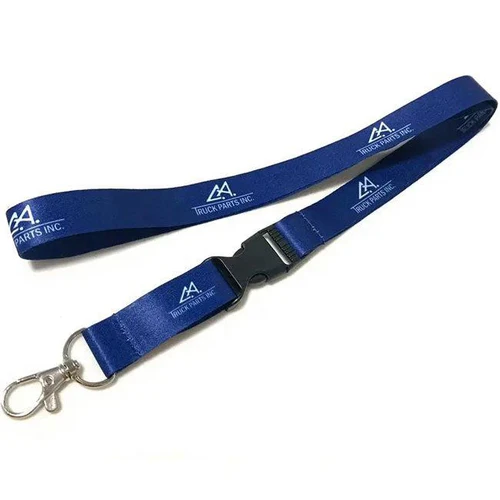
- Attachment hardware: Bulldog clips, swivel hooks, badge reels, and safety breakaways all affect pricing.
- Artwork coverage: Full-color artwork is standard in sublimation, but highly customized front-and-back printing can still add production complexity.
- Packaging: Individual polybags, barcode labels, and retail-ready packs can raise total cost.
- Lead time: Rush orders almost always cost more.
- Freight: Overseas production can look cheap until shipping is added.
According to the Advertising Specialty Institute’s 2024 promotional products market analysis, buyers continue to prioritize practical branded items with repeat visibility and measurable cost per impression. Lanyards remain attractive because they are functional, wearable, and easy to distribute in volume. That demand keeps competition strong, but it also creates wide variation in quality and service.
Typical Price Ranges in 2026
For standard polyester sublimation lanyards with a basic metal hook, 2026 pricing usually falls into broad ranges like these:
- 100 units: about $1.80 to $3.50 each
- 250 units: about $1.20 to $2.40 each
- 500 units: about $0.85 to $1.80 each
- 1,000+ units: about $0.55 to $1.25 each
These are not universal prices. They are working market ranges for standard projects, not guaranteed quotes. A premium safety breakaway, dual clips, buckle release, eco-poly material, or retail packaging can push pricing higher. A basic one-sided design with standard shipping can pull it lower.
What matters most is context. A university orientation order of 5,000 plain branded lanyards will price very differently from a 150-piece trade show run with rush air shipping and multiple attachment types.
“Buyers often compare only the unit price, but procurement teams should compare failure risk too. If the clip breaks, the color shifts, or delivery slips, the cheapest quote can become the most expensive one.”
The Biggest Cost Factors Buyers Miss
Quantity Has the Strongest Effect
The largest cost lever is volume. Most factories spread setup, proofing, and production preparation across the order. That means 1,000 pieces may not cost ten times as much as 100 pieces, even though the quantity is ten times larger. If you are close to a higher quantity tier, it is often smarter to order slightly more and reduce your per-unit cost.
Attachment Choices Add Up Fast
Basic swivel hooks are usually economical. Add a safety breakaway, detachable buckle, or badge reel and the price rises. Add all three and your “budget” lanyard may become a premium product. This is common in healthcare, education, and security settings where functionality matters more than the fabric itself.
Material Quality Changes Perceived Value
Not all polyester feels the same. Softer fabric can improve comfort for all-day wear, while thicker webbing can make a stronger first impression. If the lanyard is meant for a conference giveaway, standard material may be fine. If it is for employee IDs used every day, spending more on comfort and durability is often justified.
Shipping Is Sometimes the Real Cost Story
I have seen buyers celebrate a very low overseas production quote only to realize the shipping erased the savings. That happens especially on rush timelines. In one Best Patches project for a regional expo, the client first selected the lowest offshore quote they found online. Once freight and timing risk were factored in, the more reliable option actually had the better landed cost and less operational stress.
Artwork Problems Can Trigger Delays
Low-resolution files, color mismatches, or unclear logo placement instructions may not always appear as direct line-item charges, but they can still increase total cost through revisions, missed deadlines, or reprints. A clean vector file can save real money.
Price Comparison by Business Use Case
| Buyer Type | Typical Order | Common Specs | Estimated 2026 Cost Per Piece |
|---|---|---|---|
| College orientation team | 3,000 units | Standard width, single hook, one design | $0.60 to $0.95 |
| Hospital admin department | 1,000 units | Breakaway, buckle release, ID use | $1.10 to $1.85 |
| Trade show exhibitor | 250 units | Full-color branding, rush production | $1.75 to $3.20 |
| Corporate HR team | 500 units | Dual clip, premium fabric, employee use | $1.40 to $2.30 |
| Nonprofit event organizer | 750 units | Economy hardware, standard shipping | $0.85 to $1.35 |
How to Request an Accurate Quote
If you want to compare suppliers fairly, give all of them the same scope. Vague quote requests produce vague pricing, and vague pricing usually means surprise charges later.
Use this process:
- Specify quantity and target delivery date.
- Confirm lanyard width, length, and material preference.
- Select hardware: hook, breakaway, buckle, badge reel, or dual clip.
- Send production-ready artwork and note brand color requirements.
- Ask whether printing is one-sided or both sides.
- Request proofing details and revision limits.
- Confirm packaging method and shipping terms.
- Ask for the full landed cost, not only ex-factory pricing.
According to a 2025 McKinsey report on procurement digitization and supply chain resilience, organizations are putting greater emphasis on supplier transparency, lead-time reliability, and total cost visibility rather than headline purchase price alone. That is particularly relevant for event-dependent items like custom lanyards, where late delivery can ruin the value of the order.
What We Have Seen at Best Patches
At Best Patches, we have worked with buyers who came in focused on the lowest visible number and then shifted priorities once they saw how quickly hidden variables affect the real outcome. One client in the events space needed branded lanyards for a sponsor-heavy conference. Their first draft order included multiple attachment styles across the same run, individual bagging, and a compressed production schedule. On paper, the initial estimate looked manageable. In reality, the specification mix was driving up labor and packing cost.
I recommended standardizing the attachment type across most of the order and reserving premium hardware only for VIP badges. That single adjustment lowered the blended cost enough to keep the project on budget without weakening the attendee experience. The client still got strong color reproduction, smooth branding, and on-time delivery.
In another project, I worked with a school administrator who thought wider lanyards would always look better. After reviewing how students actually used them, we found that a slightly narrower style with a breakaway feature was more comfortable and more cost-effective. The school reduced per-piece spend, improved day-to-day wearability, and reordered the same format the following semester.
“The best pricing strategy is not stripping out every feature. It is matching the specification to how the lanyard will actually be worn, handled, and replaced.”
Risks, Trade-Offs, and Hidden Charges
It is worth being honest about the limitations. Sublimation is excellent for detailed color work, but it is not automatically the best choice for every buyer. If your logo is very simple and you only need a single-color imprint, another production method may be cheaper.
There are also risks to watch:
- Color variance: Screen colors do not always match fabric output exactly.
- Low-end hardware failure: Cheap clips can bend, snap, or corrode.
- Thin fabric feel: Economy polyester may look acceptable but feel less premium.
- Late-stage add-ons: Attachment upgrades and special packing often appear after the initial quote.
- Rush fees: Tight timelines can change the economics of the whole order.
From a compliance standpoint, sectors like healthcare, education, and public institutions may also require specific safety features. That can narrow your options. A low-cost quote without those features is not a real quote if the product cannot be used in your environment.
According to the Promotional Products Association International’s 2023 industry reporting, end buyers increasingly expect products that balance branding, usefulness, and responsible sourcing. That means some organizations are willing to pay more for recycled materials or verified supply standards, which can push pricing beyond basic commodity levels.
How to Lower Cost Without Looking Cheap
Cost control should be strategic, not cosmetic. The goal is to protect quality where users notice it and trim expense where they do not.
Best Ways to Reduce Cost
- Increase quantity to reach a better pricing tier.
- Use one standard attachment instead of multiple hardware combinations.
- Keep packaging simple unless retail presentation is required.
- Submit clean vector artwork to reduce proofing delays.
- Avoid rush shipping by ordering earlier.
- Choose standard dimensions unless a custom size truly adds value.
Where Not to Cut Too Hard
Do not aggressively downgrade the hook, safety feature, or fabric comfort if people will wear the lanyard all day. Those are the areas users feel immediately. A blurry print or rough fabric can make a branded item look far cheaper than the dollars saved.
One practical approach is to define your non-negotiables before quoting. For many teams, those are comfort, legible branding, and reliable delivery. Once those are protected, it becomes much easier to adjust the rest.
Final Takeaways and Next Steps
The real answer to custom sublimation lanyards pricing is that there is no single universal number. Custom sublimation lanyards cost depends most on quantity, hardware, material, shipping, and timeline. For many 2026 buyers, a realistic range is roughly $0.55 to $3.50 per piece depending on specification and scale.
The smartest buyers focus on landed cost, durability, and use case fit rather than the lowest advertised base rate. A lanyard that arrives on time, wears comfortably, and reflects your brand clearly is usually the better value.
Best Patches recommends these next steps:
- Prepare a clear spec sheet before requesting quotes.
- Compare suppliers using total delivered cost, not just unit price.
- Ask for one standard version and one optimized budget version so you can make a faster approval decision.
References
- Advertising Specialty Institute, 2024 promotional products market analysis: Provided context on buyer demand for functional branded merchandise and cost-per-impression thinking.
- McKinsey, 2025 procurement and supply chain resilience research: Supported the importance of total cost visibility, supplier transparency, and reliable lead times.
- Promotional Products Association International, 2023 industry reporting: Added insight into buyer expectations around utility, sourcing, and product value.
FAQ
How much do custom sublimation lanyards usually cost in 2026?
Most standard bulk orders land somewhere between $0.55 and $3.50 per piece. The biggest price drivers are quantity, hardware, material quality, and shipping speed.
What affects custom sublimation lanyards cost the most?
The biggest factors are:
Order quantity
Lanyard width and fabric quality
Attachment type, such as swivel hooks or breakaways
Packaging requirements
Rush production and freight costs
Are sublimation lanyards cheaper than woven lanyards?
Often, yes for full-color artwork, but not always. Sublimation is usually more cost-effective when you need gradients, photos, or detailed brand graphics. Woven styles may make more sense for simpler logo treatments.
Do custom lanyard suppliers charge setup fees?
Some do and some roll setup into the unit price. Always ask whether digital proofing, artwork prep, mold-free production, and revisions are included before you compare quotes.
Is it cheaper to order more custom sublimation lanyards at once?
Yes, usually by a lot. Larger orders spread production overhead across more units, which lowers the per-piece price. If your budget allows it, moving from 250 to 500 or 1,000 units can create meaningful savings.
What is the best way to lower lanyard costs without hurting quality?
The safest ways to cut cost are:
Order earlier to avoid rush fees
Use one standard attachment across the full run
Keep packaging simple
Submit production-ready artwork
Increase quantity if you are near a lower pricing tier