 Promotional Products






Introduction
Choosing the right sublimation lanyard sizes sounds simple until you have to approve artwork, control budget, and make sure people will actually wear the finished product. Width affects print visibility, comfort, branding impact, attachment strength, and even how premium your lanyard feels in hand. Pick too narrow, and your logo may get lost. Pick too wide, and the lanyard can feel bulky for all-day use.
That is where experience matters. At Best Patches, we have seen buyers from schools, trade shows, retail brands, and corporate security teams run into the same question: should they go with 15mm, 20mm, or 25mm? The right answer depends less on trend and more on use case, artwork density, wearer comfort, and event goals.
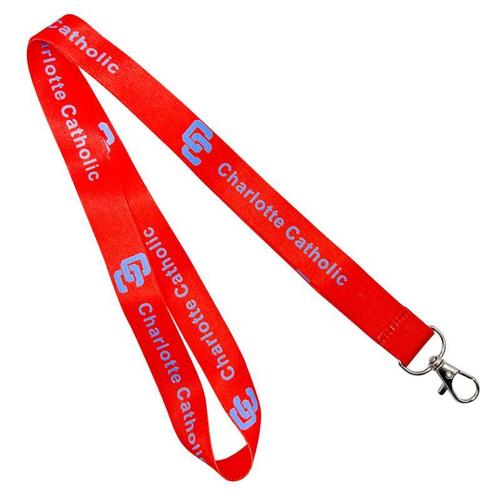
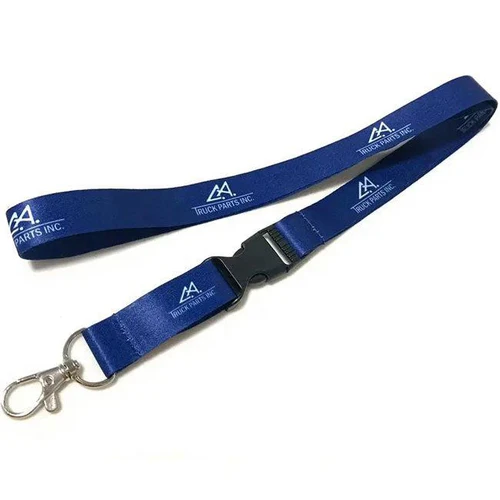
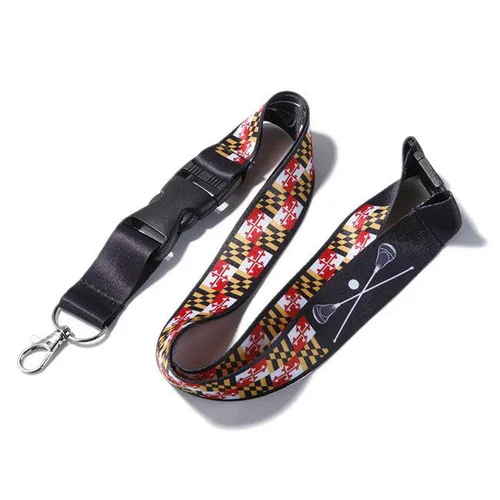
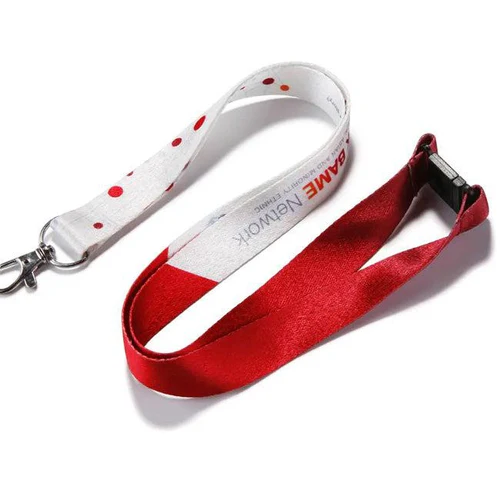
Sublimation lanyard sizes refer to the width options available for custom-printed polyester lanyards made with dye-sublimation printing. In practical terms, common widths such as 15mm, 20mm, and 25mm determine how much design space you have and how the lanyard feels when worn.
If you want a fast answer, 15mm is best for light, minimal branding, 20mm is the most balanced all-around choice, and 25mm is ideal when your design needs maximum visibility or a more substantial promotional look.
Table of Contents
- Why Lanyard Width Matters More Than Most Buyers Expect
- The Real Difference Between 15mm, 20mm, and 25mm
- Quick Comparison Table by Business Use Case
- How to Choose the Right Width for Your Brand
- Design and Print Considerations for Sublimation
- Benefits, Tradeoffs, and Common Mistakes
- What We Learned at Best Patches From Real Orders
- What Is Changing in 2026
- Best Final Take for Most Buyers
Why Lanyard Width Matters More Than Most Buyers Expect
Width is not just a visual choice. It changes the entire job the lanyard can do. A narrow strap often feels lighter and more discreet, which is great for everyday ID wear. A wider strap creates more room for logos, color gradients, slogans, and sponsor placements. That can make a major difference at conventions, campus events, and brand activations where visibility drives recall.
According to the Promotional Products Association International 2024 consumer research, usefulness remains one of the strongest drivers of long-term promotional product retention. Lanyards stay relevant because they combine utility with repeated brand exposure. But utility drops when the width does not match the task. If a heavy badge reel or metal swivel hook is paired with an overly narrow strap, wear comfort and durability can suffer.
There is also a print reality many buyers miss: sublimation performs best when artwork has enough room to breathe. Fine text, repeated logos, and high-contrast color transitions all read differently on 15mm than they do on 25mm. That is why width selection should happen before final art approval, not after.
"A good lanyard size does two things at once: it makes the branding readable and the product wearable. If you lose either one, the order underperforms."
The Real Difference Between 15mm, 20mm, and 25mm
15mm lanyards
15mm lanyards are the slim option. They work well when your design is simple, such as a small repeating logo, a clean wordmark, or a short event name. They are also a smart choice for environments where the lanyard should feel low-profile, like office access control or school staff ID.
- Lighter feel around the neck
- Lower material use, often helping cost control at scale
- Best for minimal or repeating artwork
- Less room for complex branding or large text
The downside is clear: if your logo has detail, gradients, taglines, or multiple sponsors, 15mm can feel cramped fast. Readability matters more than fitting everything in.
20mm lanyards
20mm is the most versatile width and often the safest default. It gives you noticeably more print area than 15mm without becoming heavy or oversized. For many organizations, this is the sweet spot between comfort, branding power, and broad audience appeal.
We usually recommend 20mm for trade show badges, staff IDs, school events, nonprofit campaigns, and most retail giveaway programs. It can handle a standard repeating logo pattern, moderate text, and richer color layouts without looking crowded.
25mm lanyards
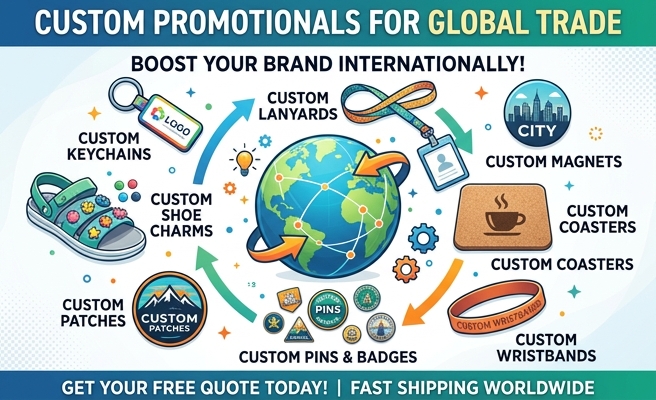
25mm lanyards are built for visibility. If you want your branding to stand out in photos, crowded venues, or sponsored events, this width gives you the strongest canvas. It also tends to feel more substantial in hand, which can increase perceived value for promotional use.
That said, wider is not always better. A 25mm lanyard can feel too broad for some daily office users, especially if paired with heavy attachments. It is best when the visual impact justifies the added width.
Quick Comparison Table by Business Use Case
| Width | Best For | Design Fit | Typical Business Scenario |
|---|---|---|---|
| 15mm | Lightweight daily wear | Simple logos, short text, minimal layouts | Corporate office access badges for employees |
| 20mm | Balanced all-purpose use | Standard logos, moderate text, repeated branding | School events, conferences, nonprofit volunteer IDs |
| 25mm | Maximum brand visibility | Bold graphics, larger logos, sponsor-heavy art | Trade shows, music festivals, major product launches |
| 20mm with safety breakaway | Comfort plus compliance | Clear branding with functional hardware | Healthcare staff, education, warehouse teams |
| 25mm premium finish | Higher perceived value | Full-color brand storytelling | Retail gifting, influencer kits, branded merch campaigns |
How to Choose the Right Width for Your Brand
The fastest way to choose is to start with use, not aesthetics. Ask what the lanyard has to do all day. Is it carrying a single ID card? Holding multiple attachments? Serving as a branded giveaway? Being worn for one event or every weekday for a year?
Start with your artwork complexity
If your logo is compact and clean, 15mm may work well. If your design includes a slogan, layered colors, or repeating sponsor names, 20mm or 25mm will almost always perform better.
Think about wear time
For long wear, comfort matters. A daily office ID lanyard should not feel oversized. For short event wear, wider formats can be a smart trade if brand impact is the priority.
Match width to attachments
Heavier attachments often pair better with 20mm or 25mm because the strap feels more balanced. Thin straps with bulky hardware can look and feel mismatched.
Use this practical selection process
- List the lanyard’s primary function: ID, promotion, security, resale, or event management.
- Review your logo size, text volume, and artwork complexity.
- Choose the smallest width that still keeps branding clear at arm’s length.
- Match the width to hardware weight and wearer comfort needs.
- Request a digital mockup before approving production.
Design and Print Considerations for Sublimation
Sublimation printing gives you strong color range, smooth gradients, and edge-to-edge design flexibility. But width still controls how well the final artwork reads. On narrower lanyards, tiny type can blur visually even if the print quality itself is excellent. On wider lanyards, oversized empty space can make the design look unfinished.
According to Adobe’s 2024 creative workflow guidance for branded print assets, readability and scale consistency are two of the most common causes of production revisions. We see the same issue with lanyards: many customers build artwork on a large artboard, then shrink it to 15mm and lose clarity.
Here are the design rules we use most often at Best Patches:
- Keep small text to a minimum on 15mm straps
- Use higher contrast combinations for readability
- Avoid overcrowding sponsor logos on a narrow width
- Leave safe spacing around hooks and stitched fold areas
- Test repeating patterns so the seam does not interrupt key branding elements
"The best sublimation lanyards are designed for movement. People do not view them like posters. They twist, fold, and sit at angles, so clarity beats complexity every time."
Benefits, Tradeoffs, and Common Mistakes
What buyers get right
Most experienced buyers now understand that 20mm is a dependable middle ground. It fits most logo systems, works for many attachment types, and avoids the visibility limits of 15mm.
Where orders go wrong
The most common mistake is choosing width based only on price. A slightly cheaper narrow lanyard is not a savings if the logo becomes hard to read or the product feels flimsy. Another issue is overdesign. Just because sublimation allows full color does not mean every lanyard should be loaded with gradients, QR codes, social icons, slogans, and partner logos.
There are also practical limitations:
- 25mm can feel too wide for some corporate environments
- 15mm may underperform for sponsor-heavy events
- Very dense designs can reduce readability at any width
- Wider lanyards may cost slightly more in material and shipping volume
According to ASI’s 2025 promotional product outlook, buyers are placing more value on measurable performance rather than unit cost alone. In lanyards, performance means wearability, retention, visual clarity, and repeat use.
What We Learned at Best Patches From Real Orders
I remember working with a regional college recruiting fair that initially wanted 15mm lanyards because they were trying to reduce costs across several thousand units. On paper, the idea made sense. But once we placed their event name, year, and three sponsor logos into a 15mm repeat, the design looked compressed. We showed them side-by-side proofs in 15mm and 20mm. The 20mm version was immediately more readable and looked more polished without a dramatic budget jump. They switched, and the organizers later told us attendees kept wearing the lanyards beyond the event because they felt comfortable and looked professional.
In another project, I worked with a lifestyle retail brand preparing influencer gift kits. They wanted the lanyard to feel like merchandise, not just packaging filler. We recommended 25mm because the artwork used bold color blocking and a large brand mark. That extra width gave the design room to feel intentional. The client later shared social content where the lanyards were clearly visible in unboxing videos, which was exactly the result they were after.
These jobs reinforced a simple lesson at Best Patches: width is strategic. The best size is not the one that sounds standard. It is the one that fits your message, your audience, and the way the product will actually be used.
What Is Changing in 2026
Buyers in 2026 are more selective. They are asking not just what looks good, but what performs across events, workplaces, and social content. Wider lanyards are gaining traction in promotional environments because they create better camera visibility and stronger branding on full-color designs. At the same time, leaner widths remain popular for workplace ID programs where comfort and simplicity matter more than visual impact.
We are also seeing a stronger push toward coordinated branding systems. Instead of ordering lanyards as isolated accessories, companies are matching them to patches, badges, event signage, and packaging. That means width decisions are increasingly tied to broader brand standards.
Another shift is sustainability pressure. While width alone does not define environmental impact, buyers are asking more questions about material efficiency, longevity, and whether a lanyard is likely to be reused. A well-chosen 20mm or 25mm lanyard that gets repeated use may deliver more value than a cheaper narrow one that gets discarded quickly.
Best Final Take for Most Buyers
If you need the shortest answer, here it is: choose 15mm for simple daily wear, 20mm for the best all-around balance, and 25mm for strong visual branding and premium event presence. The wrong choice usually comes from focusing on unit price or default habits instead of use case.
At Best Patches, our recommended next steps are straightforward:
- Review your artwork first and identify whether readability requires 20mm or 25mm.
- Match width to the actual wear environment, not just the event budget.
- Ask for a proof at full scale before approving production.
A good lanyard should feel right, read clearly, and support the brand without forcing the design. When those three things line up, the size choice becomes much easier.
References
- Promotional Products Association International, 2024 consumer research — Provided context on product usefulness and retention in promotional marketing.
- Adobe, 2024 branded print workflow guidance — Supported points about readability, scaling, and revision risks in print production.
- Advertising Specialty Institute, 2025 promotional product outlook — Informed the discussion about buyer focus shifting from unit price to measurable product performance.
FAQ
What are the standard sublimation lanyard sizes?
The most common standard widths are 15mm, 20mm, and 25mm. These sizes cover most business, school, event, and promotional needs. Among them, 20mm is usually the most flexible option for balancing comfort and branding space.
Which sublimation lanyard sizes are best for trade shows?
For trade shows, 20mm and 25mm usually work best. They provide enough room for logos, event names, and sponsor branding while staying highly visible in crowded environments. If your artwork is bold and promotional, 25mm often gives the strongest impact.
Is 15mm too small for a logo?
Not always. A 15mm lanyard works well for simple logos, short text, and clean repeated branding. It becomes limiting when the artwork includes taglines, multiple sponsors, or fine details that need to stay readable.
Are 25mm lanyards more durable than 20mm lanyards?
They can feel more substantial, but width alone does not guarantee durability. Material quality, stitching, hardware, and production standards matter just as much. A well-made 20mm lanyard can easily outperform a poorly made 25mm one.
What width does Best Patches recommend for most custom orders?
For most customers, 20mm is the best starting point. It gives enough design space for strong branding, stays comfortable for daily wear, and works across offices, schools, conferences, and promotional campaigns.