 Promotional Products












Introduction
If your staff badges twist, crack, fall off, or slow down door access, your lanyard setup is costing more than it seems. The right custom detachable badge lanyards reduce daily friction, protect credentials, and help people move through workspaces, events, hospitals, and campuses without fumbling for an ID every few minutes.
That is exactly where Best Patches stands out. As a trusted customization partner for branded accessories and wearable ID solutions, Best Patches helps businesses choose lanyards that look polished, hold up under real use, and match the security, compliance, and comfort needs of each team.
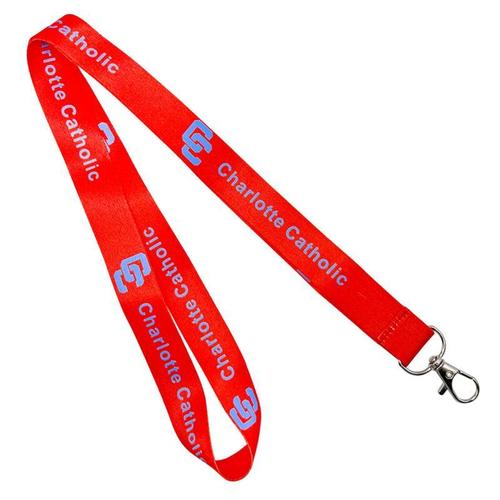
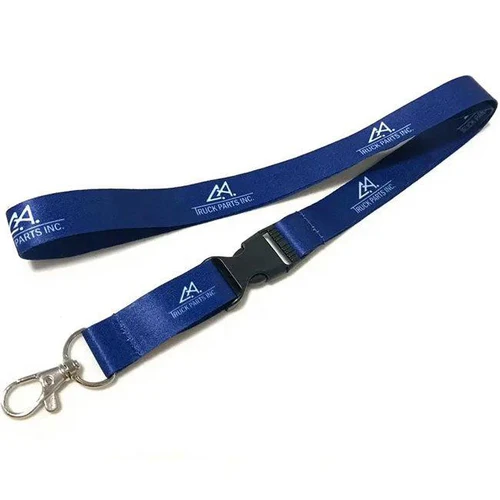
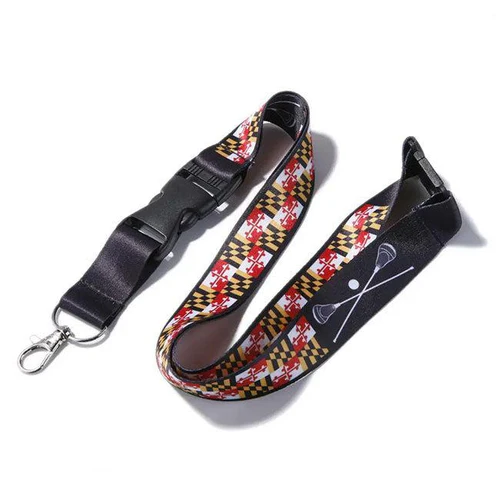
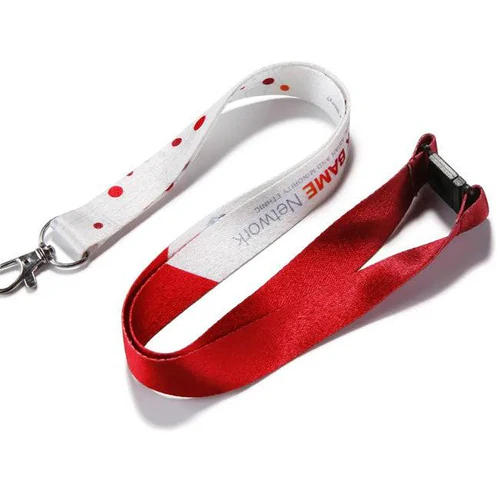
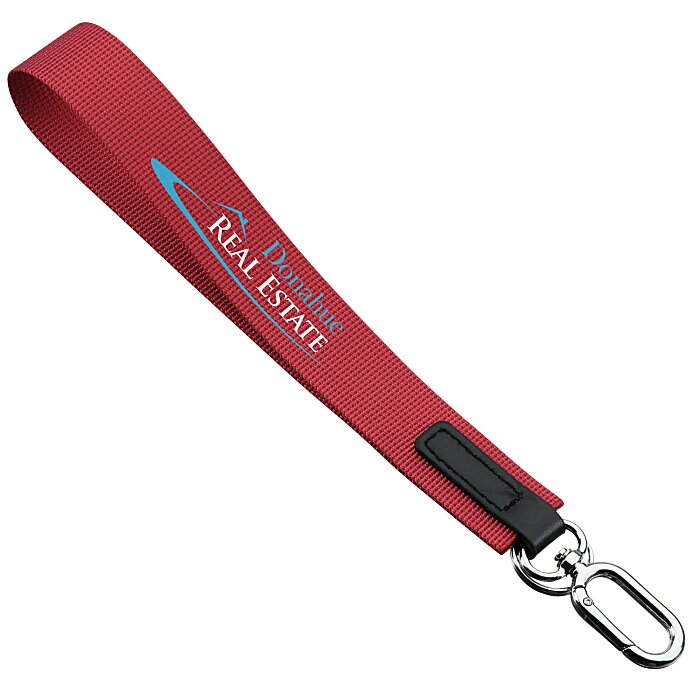
Custom detachable badge lanyards are branded neck lanyards with a breakaway or detachable buckle that lets users remove the badge section quickly without taking the lanyard off. They are commonly paired with badge holders, reels, swivel hooks, bulldog clips, or trigger snaps for easier scanning, swiping, and display.
They matter because the lanyard alone is only half the system. The wrong holder or clip can shorten badge life, increase replacement costs, and frustrate users in high-traffic environments.
Table of Contents
- Why the Full Badge System Matters
- How to Choose by Work Environment
- Badge Holders and Clips Explained
- Materials, Printing, and Branding Choices
- Best Setup by Business Type
- A Practical Selection Process
- Common Risks and Buying Mistakes
- What We Learned in Real Client Projects
- What Is Changing in 2026
- Final Thoughts and Next Actions
Why the Full Badge System Matters
Many buyers focus on strap color, logo placement, or unit cost. That is understandable, but it often leads to a weak result. A lanyard is part of a system that includes the fabric, detachable buckle, safety breakaway, end fitting, holder orientation, card thickness, print method, and user behavior.
If one piece fails, the whole setup fails. A premium dye-sublimated strap paired with a cheap vinyl holder that cracks in cold weather will still cause badge replacements. A secure hard holder paired with an awkward clip can force employees to twist their bodies at card readers. Small design mismatches become daily annoyances.
According to the Occupational Safety and Health Administration, employers should assess wearable items around machinery and other hazard zones to reduce entanglement risks. That is one reason breakaway features matter in industrial settings. According to HID’s access control guidance published in recent industry resources, credential usability directly affects how consistently people present and protect badges. In plain terms: easier badge access usually leads to better compliance.
“The best lanyard is not the one that looks best in a sample pack. It is the one people actually keep wearing correctly after three months of use.”
How to Choose by Work Environment
The right combination depends heavily on where the badge is used. Offices, trade shows, hospitals, schools, factories, and warehouses all create different stress points.
Office and Corporate Settings
For office teams, comfort and brand presentation usually come first. Soft polyester or satin-finish lanyards with detachable buckles are popular because they look clean and support frequent access control scans. A clear vertical holder works well when the badge has a photo and must remain visible.
Healthcare and Clinical Environments
Healthcare teams often need wipeable surfaces, frequent badge tapping, and accessories that do not swing too much. Narrower lanyards with detachable buckles plus rigid holders can help prevent card bending. Some organizations prefer badge reels clipped to scrubs, but custom detachable badge lanyards still work well for admin staff, visitors, and non-clinical teams.
Events and Conferences
Events need fast check-in, easy color coding, and low replacement cost. Flexible vinyl holders are common, but they can wrinkle or split under heavy use. If badges include QR codes, the holder must remain flat and glare should be minimized so scanners work quickly.
Manufacturing and Warehousing
Safety matters more here. Breakaway closures are strongly recommended, and overly long or decorative attachments should be avoided. Rugged end fittings and more secure clips help, but in some high-risk zones a retractable or belt-mounted badge system may be safer than a neck lanyard.
Badge Holders and Clips Explained
This is where most purchasing mistakes happen. Buyers choose a lanyard style first, then add whatever clip is cheapest. A better approach is to start with how the badge must function.
Clear Flexible Vinyl Holders
These are affordable and common for visitors, short-term use, and event credentials. They work best for light-duty applications. The downside is that cheaper vinyl can crease, cloud, or crack over time, especially in cold storage or outdoor conditions.
Rigid Plastic Badge Holders
Rigid holders protect cards better and maintain scan alignment. They are a strong fit for offices, education, hospitals, and any environment where the card is used daily. They cost more than soft holders, but they usually reduce card damage and replacement rates.
Open-Face Holders
If teams tap RFID or NFC cards constantly, an open-face holder or thumb-slot design may be the fastest option. The tradeoff is lower protection from dust, scratches, and bending.
Swivel Hooks
Swivel hooks are versatile and reduce tangling. They pair well with slot-punched cards or holders that already have an attachment point. For many organizations, this is the safest default choice.
Bulldog Clips
Bulldog clips are useful for temporary credentials or situations where a card should be clipped directly to clothing or a holder. They are less ideal when a badge needs repeated scanning because the card can flip or rotate.
Trigger Snaps and Lobster Clasps
These offer a more secure feel and are often preferred for premium branded lanyards. They are especially helpful when heavier card wallets or multi-card holders are used.
Split Rings and J-Hooks
Split rings are durable but less convenient. J-hooks are easy to attach but may disconnect more easily if the punched slot is weak. For daily use, they are often a secondary choice rather than the best one.
- Best for fast scans: detachable buckle + rigid holder + swivel hook
- Best for events: detachable buckle + flexible holder + swivel hook
- Best for durability: thicker polyester lanyard + trigger snap + rigid holder
- Best for high branding impact: dye-sublimation lanyard + color-matched hardware where available
- Best for safety-sensitive work: breakaway lanyard + minimal add-ons + secure holder
Materials, Printing, and Branding Choices
The material affects comfort, durability, and print quality. The most common choices are polyester, tubular polyester, nylon, and woven styles.
Polyester
Polyester is the most balanced option. It is cost-effective, prints well, and holds up in general business use. If you need a dependable all-around custom detachable badge lanyard, this is usually the first place to start.
Tubular Polyester
Softer and often more budget-friendly, tubular polyester feels comfortable for long wear. It is a solid choice for schools, nonprofits, and event programs with tighter budgets.
Nylon
Nylon has a smoother, slightly shinier finish that can make logos pop. It can look more premium, though it may cost more and is not always necessary for large-volume programs.
Woven Lanyards
Woven designs offer texture and long-lasting logo definition, but fine details and gradients are harder to reproduce. They are better for bold logos than highly detailed artwork.
Branding should never undermine readability. If a badge must display a photo, department, and barcode, the lanyard should support that role instead of competing with it. Strong visual branding comes from consistency, not visual overload.
“When buyers treat the badge as a security tool first and a branding tool second, they usually end up with a better-looking program anyway.”
Best Setup by Business Type
| Business Type | Recommended Lanyard | Best Holder | Best Clip/Attachment |
|---|---|---|---|
| Corporate Office | 3/4" polyester detachable breakaway | Rigid vertical ID holder | Swivel hook |
| Hospital Admin Team | 3/8" narrow detachable breakaway | Rigid anti-bend holder | Trigger snap |
| Trade Show Organizer | Budget tubular detachable lanyard | Flexible clear vinyl holder | Swivel hook |
| University Staff | 3/4" dye-sublimated polyester | Open-face RFID holder | Swivel hook |
| Warehouse Supervisors | Breakaway safety lanyard with detachable buckle | Rigid heavy-duty holder | Secure trigger snap |
A Practical Selection Process
Here is the simplest way to choose correctly without overbuying or underspecifying.
- Map the badge task. Decide whether users mostly display, swipe, tap, scan, or remove the card.
- Assess the environment. Note heat, cold, moisture, machinery, cleaning chemicals, and dress code.
- Choose holder style first. Protection and scan function matter more than lanyard color.
- Select the attachment. Swivel hook is the safest starting point unless you need a more secure snap.
- Pick strap width and material. Balance comfort, branding visibility, and budget.
- Add safety features. Include breakaway closures where risk assessment supports them.
- Order a live-use sample. Let real users test the setup for at least a few workdays.
- Standardize by role. You may need one setup for visitors and another for full-time staff.
According to the 2024 ASIS security trends coverage across enterprise access management discussions, organizations are paying closer attention to how physical credentials fit broader security workflows. That means the badge carrier itself is getting more strategic. It is no longer a throwaway accessory.
Common Risks and Buying Mistakes
Even well-intentioned orders go wrong for predictable reasons.
Choosing Price Over Function
The cheapest option often increases replacement frequency. That can erase savings within a quarter, especially in large organizations.
Ignoring Detachable Buckle Quality
Not all detachable connectors are equal. Weak buckles loosen, crack, or separate at the wrong time. If detachable access is central to the user experience, connector quality deserves special attention.
Using One Setup for Every Department
A front-desk team and a warehouse team do not use badges the same way. Standardization is useful, but over-standardization creates friction.
Overdesigning the Branding
Logos that are too large, cluttered gradients, or low-contrast color combinations can make the lanyard look dated and reduce legibility.
Skipping Safety Review
In some environments, neck-worn solutions require breakaways or may need to be replaced with other badge-carry methods. This is not a cosmetic issue. It is a workplace safety issue.
What We Learned in Real Client Projects
I worked with a mid-sized event organizer that initially chose glossy printed lanyards and flexible holders for a three-day conference series. On paper, the setup looked efficient. In practice, attendee badges curled inside the holders by midday, and QR scans slowed down at session entrances. We revised the next order to use matte-finish custom detachable badge lanyards with flatter holders and swivel hooks. Check-in staff immediately noticed faster scans and fewer badge reprints.
In another project through Best Patches, a regional office client wanted a single branded lanyard for all departments. After interviewing users, we found that office staff mainly needed visible photo IDs, while facilities staff needed faster detachment for access points. We split the program into two variants under one visual brand system. The office team used rigid vertical holders, while facilities teams received detachable buckle setups with more secure snaps. That small change improved usability without fragmenting the brand.
These projects reinforced a simple point: successful custom detachable badge lanyards are usually role-based, not just logo-based.
What Is Changing in 2026
Buyers are becoming more selective about durability, sustainability, and compatibility with modern credentials. Three changes stand out.
Smarter Pairing With Mobile and RFID Access
As more organizations use mobile credentials, physical badges are not disappearing. They are becoming backup credentials, visual identifiers, and visitor management tools. That means holders need to support occasional but reliable use, not just constant swiping.
More Interest in Recycled Materials
According to recent sustainability reporting from major materials and packaging organizations, procurement teams increasingly ask for recycled-content options and more transparent sourcing. For lanyards, that means recycled polyester is getting more attention, especially for universities, events, and ESG-conscious brands.
Higher Expectations for Longevity
Organizations are moving away from disposable thinking. A slightly higher upfront spend on better clips, stronger stitching, and durable holders is often easier to justify when procurement teams track total replacement cost over time.
Final Thoughts and Next Actions
The best custom detachable badge lanyards are chosen as complete systems, not standalone straps. Holder type, attachment style, buckle quality, and environment all affect how well the product works day after day. A good setup improves convenience, protects credentials, supports security, and keeps branding consistent without getting in the way.
Best Patches recommends these next actions:
- Audit how each team actually uses badges before selecting materials or clips.
- Test two or three holder-and-attachment combinations with real users for at least one week.
- Standardize branding, but customize the hardware setup by department or risk level.
References
- OSHA — Workplace safety guidance relevant to wearable items and entanglement risk assessment.
- HID Global — Industry guidance on credential usage, access control behavior, and badge handling practices.
- ASIS International — Security management trends and enterprise access workflow perspectives.
- Sustainability reporting from major materials organizations — Procurement trends related to recycled-content and responsible sourcing.
FAQ
What are custom detachable badge lanyards used for?
They are used to carry and display ID cards, access badges, visitor passes, and event credentials. The detachable section lets users remove the badge quickly for scanning, swiping, or tapping without taking the lanyard off.
Which holder is best for daily employee badges?
For most daily-use employees, a rigid plastic holder is the best choice because it protects the card from bending and keeps the badge readable. If the badge is tapped often, an open-face or thumb-slot holder can be more convenient.
Are breakaway lanyards necessary?
In many workplaces, yes. Breakaway closures help reduce risk if the lanyard gets caught or pulled. They are especially important in warehouses, manufacturing areas, schools, and other active environments.
How do I choose the right clip for custom detachable badge lanyards?
Start with how the badge is used. A swivel hook is the most versatile for everyday ID holders. A trigger snap is better for heavier holders or more secure attachment. Bulldog clips work for temporary use but are usually less stable for repeated scanning.
What material is best for branded lanyards?
Polyester is usually the best all-around option because it balances print quality, durability, comfort, and cost. Nylon can look more premium, while tubular polyester is softer and often more budget-friendly.