 Promotional Products












Why the Right Detachable Lanyard Hardware Matters
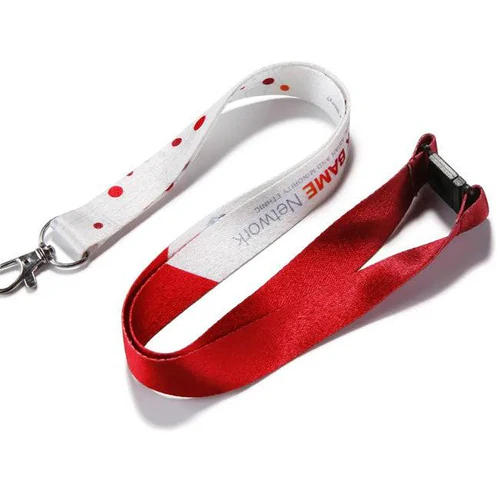
If you are shopping for detachable lanyards for keys, the weak point is rarely the strap itself. It is usually the buckle that cracks, the hook that bends open, or the swivel that jams after a few months of real use. That is where buyers waste money: on a lanyard that looks fine in photos but fails when it is clipped to office badges, car keys, warehouse fobs, or event credentials every day.
At Best Patches, we see this problem constantly when brands ask for custom lanyards that need to work in busy, practical settings rather than just look branded at a trade show. A detachable design only earns its keep when the release is fast, the hardware is secure, and the whole setup matches the user’s environment.
Detachable lanyards for keys are neck lanyards with a quick-release section that lets users remove keys or attached items without taking off the full lanyard. They are commonly used for offices, schools, events, maintenance teams, gyms, and retail because they balance convenience, access, and branding in one simple tool.
The best option depends on what you attach, how often you detach it, and how much failure your workflow can tolerate. A teacher, a facility manager, and a convention organizer may all need detachable key lanyards, but they should not all buy the same buckle-and-hook combination.
Table of Contents
- Common hardware used on detachable key lanyards
- Which buckles work best for different users
- Which hooks hold up best in daily use
- Side-by-side comparison table
- How to choose the right combination
- Real-world lessons from Best Patches
- Risks, weak points, and buying mistakes
- What is changing in 2026
- Final thoughts and next steps
- References
Common Hardware Used on Detachable Key Lanyards
Most detachable lanyards are built around two key components: a quick-release buckle and an end attachment hook. The buckle controls how easily the keys separate from the strap. The hook controls whether those keys stay attached under movement, weight, and repeated handling.
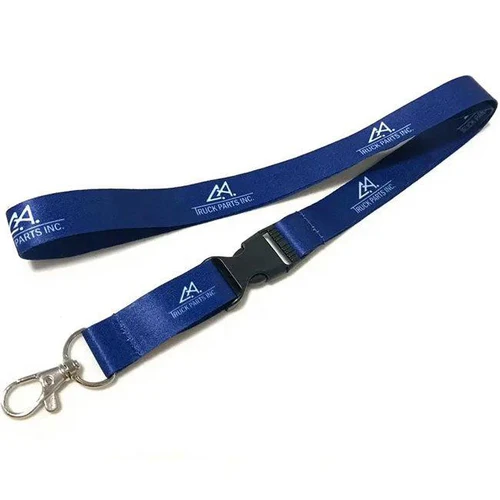
The most common buckle styles include plastic side-release buckles, acetal quick-release clips, breakaway safety releases, and magnetic releases. For key use, side-release and acetal quick-release options remain the most practical because they balance cost, strength, and speed.
Hook options vary even more. Standard swivel J-hooks are common on budget lanyards. Lobster clasps offer better retention. Trigger snaps are stronger for heavy-duty environments. Split rings are simple but slower to remove. Carabiner-style clips can work well, though cheap versions often add bulk without much real strength advantage.
- Plastic quick-release buckle: lightweight, affordable, easy to use
- Acetal buckle: stronger plastic with better wear resistance
- Metal trigger snap: excellent for heavier key sets and rougher use
- Lobster clasp: secure and familiar for everyday carry
- Swivel hook: helps prevent twisting and tangling
- Split ring: secure but slower for frequent detaching
According to OSHA guidance that remains widely referenced in workplace safety purchasing, attachment systems used in active environments should reduce snagging, support quick release where needed, and match the actual hazard profile of the job. That is one reason breakaway and detachable combinations continue to be favored in schools, healthcare, and industrial support roles.
Which Buckles Work Best for Different Users
Plastic side-release buckles for general office and event use
This is the default for a reason. A decent side-release buckle is fast, cheap, easy to replace, and comfortable for all-day wear. For front desk staff, event teams, volunteers, and school employees carrying one to three keys plus a badge, it is usually enough.
The problem is quality spread. Cheap molded plastic can become brittle, especially under cold conditions or prolonged UV exposure. If your users clip and unclip dozens of times per day, low-grade plastic tends to loosen or crack long before the fabric strap wears out.
Acetal quick-release buckles for better durability
Acetal is often the smarter upgrade. It feels similar to standard plastic but usually resists fatigue, impact, and repeated clicking much better. If you want a detachable buckle that still feels light yet performs more reliably, acetal is one of the safest picks.
“For most branded lanyards that need to survive daily work instead of occasional event use, acetal buckles hit the sweet spot of durability, weight, and cost.”
That is especially true for building staff, teachers, retail supervisors, and campus teams who unclip keys all day but do not need heavy industrial hardware.
Magnetic releases for convenience, with limits
Magnetic release systems look sleek and detach quickly, but they are not ideal for many key setups. They can separate too easily under sudden pulls, and magnet strength varies sharply by manufacturer. They work better for lightweight badge setups than for multi-key rings, entry fobs, and compact tools.
Which Hooks Hold Up Best in Daily Use
Swivel J-hooks are common, but not always the best
Swivel J-hooks are everywhere because they are cheap and easy to clip. They work for lightweight key sets and badge cards, but many low-cost versions have a weak gate tension. Over time, that can lead to accidental slips, especially if the user bends, runs, or catches the hook on bags and pockets.
Lobster clasps are the best all-around choice
For most buyers, a metal lobster clasp is the strongest overall recommendation. It closes more securely than a J-hook, handles moderate key weight well, and still gives users fast detachment. It also looks more polished, which matters for branded merchandise, hospitality teams, and customer-facing staff.
If you want a balanced answer to “Which hook works best?” the lobster clasp wins most situations.
Trigger snaps for heavier key rings and facility work
Trigger snaps are excellent when users carry multiple metal keys, electronic fobs, mini tools, or access remotes. The spring gate is usually stronger, the body is thicker, and accidental release is less likely. The tradeoff is extra weight and a more industrial appearance.
Split rings for maximum retention, minimum speed
Split rings are not elegant, but they are secure. If loss prevention matters more than fast removal, they still deserve a place. They are especially useful as a secondary retention point behind a detachable clasp.
“If losing a master key creates operational or security risk, use a secure clasp plus a split ring backup. Convenience should never outrank key control.”
Side-by-Side Comparison Table
| User Scenario | Best Buckle | Best Hook | Why It Works |
|---|---|---|---|
| Corporate office staff | Plastic side-release | Lobster clasp | Lightweight, clean look, easy daily use |
| Teachers and school staff | Acetal quick-release | Lobster clasp | Frequent detachment with better long-term durability |
| Facility and maintenance teams | Acetal quick-release | Trigger snap | Handles heavier keys, fobs, and rougher conditions |
| Trade show attendees | Plastic side-release | Swivel J-hook | Low cost for short-term, lightweight use |
| Gym, locker, and membership users | Acetal quick-release | Lobster clasp | Strong enough for movement without adding too much bulk |
How to Choose the Right Combination
The smartest way to buy detachable lanyards is to match the hardware to the user, not the catalog photo. Start with actual use conditions.
- Count the load. A single office key is not the same as six keys, an RFID fob, and a mini flashlight.
- Measure detach frequency. If users unclip constantly, the buckle must tolerate repetition.
- Check the environment. Heat, cold, moisture, cleaning chemicals, and outdoor exposure all affect hardware life.
- Prioritize failure cost. Losing a promo giveaway is annoying. Losing a secured building key is expensive.
- Test one-handed use. The best detachable lanyard should work fast without awkward fumbling.
- Review branding goals. Premium hardware often improves perceived brand quality as much as print quality does.
According to a 2024 report from Grand View Research, demand for customized promotional accessories continues to rise as businesses prioritize practical branded items with repeat-use value over disposable giveaways. That matters here: a detachable key lanyard is more likely to be kept and used if the hardware feels dependable.
Meanwhile, the Advertising Specialty Institute reported in recent promotional product studies that usefulness remains one of the top predictors of long-term retention. In plain terms, if the buckle sticks or the hook fails, your branded lanyard stops being a useful product and becomes clutter.
Real-World Lessons From Best Patches
I worked with a school district project through Best Patches where the original request was simple: branded lanyards for teachers with detachable ends for classroom and office keys. On paper, the lowest-cost setup seemed fine: polyester strap, basic buckle, swivel J-hook. But when we talked through the actual use case, the issue became obvious. Teachers were unclipping keys several times an hour, often while holding books, tablets, or classroom materials.
We recommended upgrading to an acetal quick-release buckle and lobster clasp. The unit cost increased slightly, but the district avoided the usual mid-year replacement cycle caused by cracked clips and bent hooks. What changed was not the graphic design. It was the hardware choice.
In another Best Patches project, a facilities team needed lanyards for maintenance staff moving between secured rooms. Their key loads were heavier, and they often worked around ladders, carts, and door hardware. I pushed for trigger snaps instead of standard hooks and suggested a detachable section with firmer release resistance. The team initially worried it would feel too bulky. After testing, they kept it because accidental detachment dropped and the users trusted the setup more.
Those two cases point to the same lesson: the best detachable lanyards for keys are rarely the cheapest or the flashiest. They are the ones designed around real handling patterns.
Risks, Weak Points, and Buying Mistakes
Detachable lanyards solve a real convenience problem, but they are not flawless. The biggest risk is treating “detachable” as a feature by itself instead of a system with multiple possible failure points.
Common mistakes include:
- choosing a weak hook for a heavy key set
- using magnetic release hardware for security-sensitive keys
- buying purely on price without checking buckle material
- ignoring safety needs in schools, healthcare, or industrial settings
- adding too many accessories and increasing swing, snagging, and wear
There is also a comfort issue. Heavier hardware can improve retention but make the lanyard less pleasant to wear all day. That is why balance matters. If users hate the feel, they stop wearing it or carry the keys elsewhere, which defeats the purpose.
According to the National Safety Council’s recent workplace safety guidance trends, organizations continue to focus on reducing small but preventable incidents tied to daily equipment use and human factors. While lanyard hardware is a minor item, poor attachment choices can still contribute to dropped items, snagging, and repetitive annoyance that slows routine work.
What Is Changing in 2026
The best detachable lanyards for keys in 2026 are moving in three clear directions: better polymers, stronger premium clasps, and more task-specific customization. Buyers are less willing to accept generic one-style-fits-all hardware, especially for workforces that depend on daily access tools.
We are also seeing stronger demand for:
- recycled polyester straps paired with upgraded hardware
- black matte metal clasps for a cleaner branded look
- hybrid safety designs with both breakaway and detachable functions
- small-batch custom lanyard runs for departments instead of one company-wide generic version
That shift matches broader procurement behavior. Buyers want products that support brand image, but they also want fewer replacements, fewer complaints, and clearer use-case matching. The lanyard category is becoming more practical and less purely promotional.
Final Thoughts and Next Steps
If you want the short answer, acetal quick-release buckles and metal lobster clasps are the best all-around combination for most detachable key lanyard needs. For heavier or rougher use, move up to a trigger snap. For short-term event use on a tight budget, a standard plastic buckle and swivel hook can still work, but only for lighter loads.
The biggest buying mistake is focusing on strap color and print while ignoring the hardware. In actual use, the buckle and hook determine whether detachable lanyards for keys feel smooth and dependable or frustrating and disposable.
Best Patches recommends these next steps:
- Audit what users actually carry before choosing hardware.
- Request physical samples and test the buckle and clasp under real conditions.
- Upgrade to acetal buckles and lobster or trigger hooks when the lanyard will be used daily, not occasionally.
References
- Grand View Research (2024): Provided market direction on demand for customized promotional accessories and durable branded merchandise.
- Advertising Specialty Institute, recent promotional product studies: Supported the point that usefulness strongly affects long-term retention and repeat exposure.
- OSHA workplace safety guidance: Informed the discussion around breakaway needs, snag reduction, and task-appropriate attachment choices.
- National Safety Council recent safety guidance trends: Reinforced the value of reducing small, preventable workflow risks tied to everyday equipment.
FAQ
What are the best detachable lanyards for keys?
For most people, the best detachable lanyards for keys use an acetal quick-release buckle and a metal lobster clasp. That combination gives you a strong balance of comfort, speed, and security for daily office, school, retail, and light facility use.
Is a lobster clasp better than a swivel hook for keys?
Usually, yes. A lobster clasp closes more securely than a standard swivel J-hook and is less likely to release by accident. J-hooks are fine for lightweight, short-term use, but lobster clasps are a better long-term choice.
Are plastic quick-release buckles durable enough for everyday use?
Basic plastic buckles can work for everyday use if the key load is light and detach frequency is low. If users unclip often or carry more than a few keys, acetal buckles are the better upgrade because they resist fatigue and cracking more effectively.
Which hook is best for heavy key rings?
For heavier key sets, a metal trigger snap is usually the safest option. It offers stronger gate tension and better overall retention than standard hooks, especially in maintenance, security, and facilities environments.
Should a key lanyard also have a breakaway safety clasp?
In schools, healthcare, warehouses, and other active settings, yes. A breakaway clasp can improve safety if the lanyard gets snagged or pulled. It should be paired with a detachable section that still meets your key access needs.
How often should detachable key lanyards be replaced?
It depends on use intensity. Event lanyards may only need to last a few days, while daily workplace lanyards should be inspected regularly and replaced when the buckle loosens, the hook bends, or the strap shows wear. Heavy-use teams often replace them annually or sooner.