 Promotional Products










Introduction
Choosing between polyester vs nylon detachable lanyards sounds simple until you’re ordering for a real event, a staff rollout, a school campus, or a retail promo. Then the details start to matter fast: print clarity, comfort, long-term wear, sheen, cost per unit, and whether the detachable buckle actually fits how people use badges, keys, or access cards every day.
That is where experienced suppliers make a difference. Best Patches works with organizations that need lanyards to do more than hold an ID. They need to reinforce brand standards, survive repeated use, and feel good enough that people do not toss them into a drawer after day one.
Polyester vs nylon detachable lanyards refers to comparing two common synthetic materials used for lanyards that include a quick-release buckle. Polyester is usually the more cost-efficient and print-friendly option, while nylon often feels smoother, shinier, and slightly more premium. The right choice depends on your budget, artwork style, wear conditions, and end user.
If your logo has tight detail, your order is large, or your users wear lanyards all day, material choice affects both brand perception and real-world performance. A cheap-feeling lanyard can weaken a polished brand rollout. A premium-looking one with poor print results can create a different problem.
Table of Contents
- What Actually Separates Polyester and Nylon
- How Each Material Performs in Daily Use
- Print Quality, Color, and Branding Results
- Cost, Bulk Ordering, and ROI
- Best Use Cases by Industry
- Side-by-Side Comparison Table
- How to Choose the Right Detachable Lanyard
- What We’ve Seen at Best Patches
- Common Buying Mistakes to Avoid
- Conclusion
What Actually Separates Polyester and Nylon
At a glance, polyester and nylon lanyards can look similar. In hand, they often do not. Polyester typically has a slightly softer, flatter finish that works well with screen printing and dye-sublimation. Nylon usually has a smoother surface with a glossier appearance, which many buyers associate with a more upscale look.
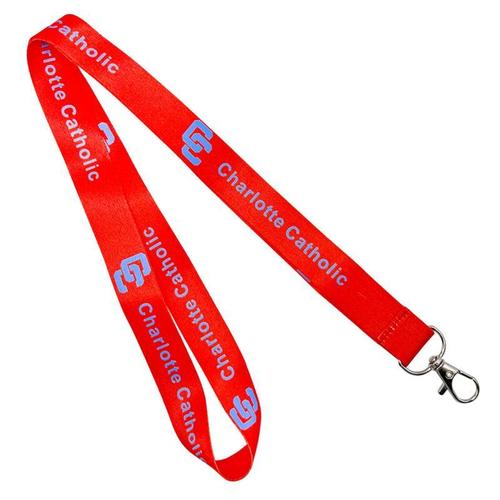
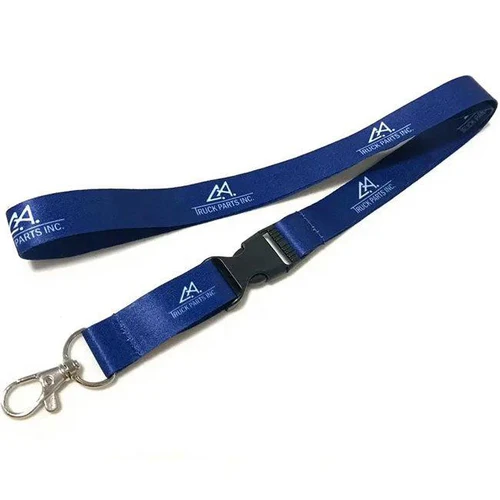
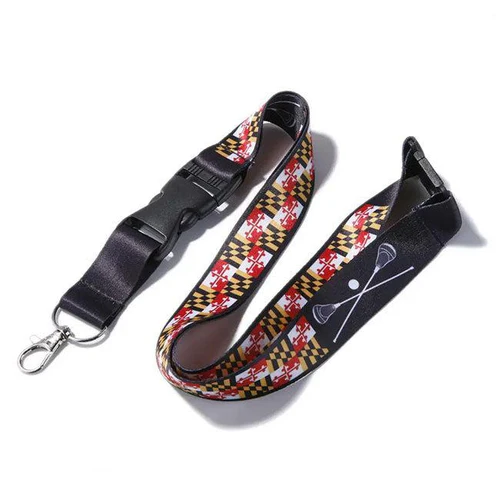
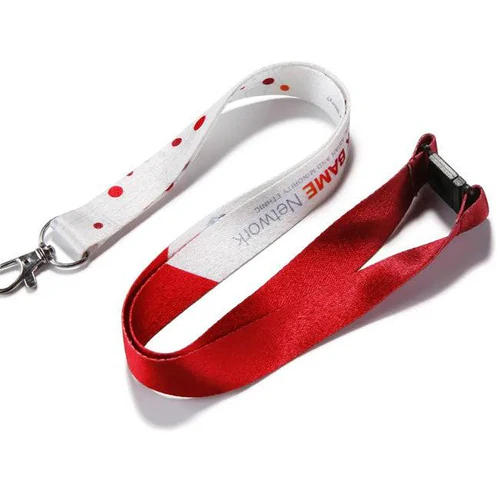
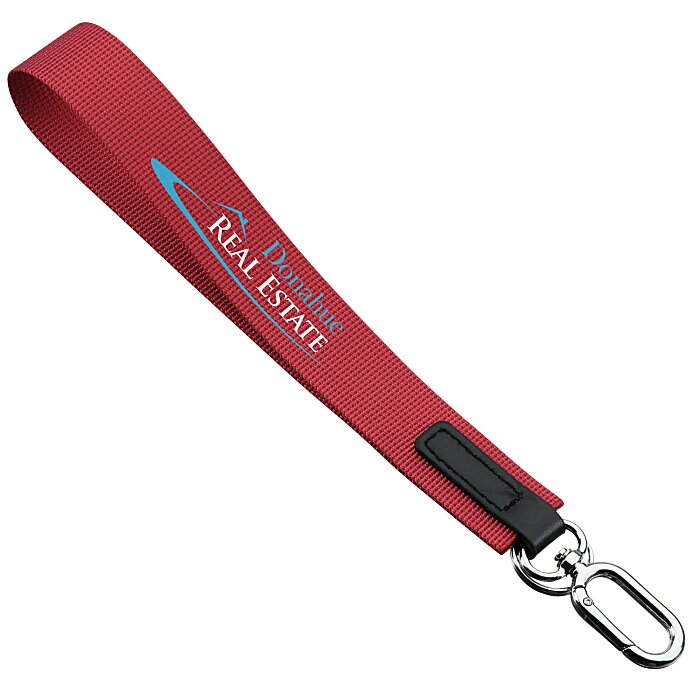
The detachable part matters too. A detachable lanyard includes a quick-release buckle near the lower section, allowing the user to remove keys, a badge holder, or a tool without taking the lanyard off. That makes the product more functional for warehouse staff, teachers, nurses, students, and event teams who need frequent access.
The real distinction comes down to four buying factors:
- Surface finish: Nylon tends to look shinier and more refined.
- Print compatibility: Polyester usually handles detailed branding more consistently.
- Price point: Polyester is often more budget-friendly in bulk.
- Perceived value: Nylon can feel more premium to end users.
“A lanyard is a small item, but small branded items often carry an outsized perception effect. Touch and finish influence whether people see a brand as practical, polished, or forgettable.”
How Each Material Performs in Daily Use
Durability and wear resistance
Both materials are durable, but they age a little differently. Polyester generally resists stretching well and holds shape under normal badge and key use. Nylon is strong and abrasion-resistant, but depending on weave and finish, its glossy appearance can show wear differently over time.
For high-traffic use, hardware quality matters as much as the strap material. A weak swivel hook or brittle plastic buckle will cause more issues than the polyester-versus-nylon decision by itself.
Comfort for all-day use
If your employees or attendees wear lanyards for eight or more hours, comfort matters more than many buyers expect. Nylon often feels silkier against the skin. Polyester can feel slightly more textured, though good-quality polyester is still comfortable for daily wear. In hot or humid conditions, many buyers prefer a softer weave and lighter total construction over a glossy finish.
Moisture and outdoor conditions
For schools, festivals, stadium operations, and outdoor crews, sweat, sunlight, and weather exposure can affect performance. Polyester tends to be a practical choice because it maintains appearance well and is commonly used for repeat event orders. Nylon can also perform well, but the exact finish and coating should be checked if the lanyards will face extended UV exposure or rough daily handling.
Print Quality, Color, and Branding Results
This is where many purchasing teams make the wrong call. They choose based on feel, then get disappointed by branding results.
Polyester is usually the safer pick when your design includes:
- Fine text
- Multi-color logos
- Step-and-repeat branding
- Complex gradients via dye-sublimation
Nylon can look excellent, especially when you want a cleaner, shinier strap with simpler artwork. But if your logo relies on tiny details or exact color consistency across large runs, polyester often gives more predictable output.
According to the 2024 Promotional Products Association International consumer research, useful branded products tend to generate longer retention and repeat exposure than disposable promotional items. In practice, that means a lanyard is not just a functional accessory; it is recurring brand media. If the print looks muddy or the color feels off-brand, you lose part of that value.
According to the 2025 ASI Ad Impressions study, recipients continue to place high value on practical branded items they use regularly in work and event settings. That aligns with what we see in lanyard purchasing: utility drives retention, but finish quality affects whether the item feels cheap or credible.
When nylon wins on appearance
If your logo is bold, simple, and limited in color count, nylon can create a more elevated visual effect. Premium schools, hospitality brands, automotive showrooms, and executive events often like the polished look.
When polyester wins on efficiency
For trade shows, campus security, healthcare systems, nonprofits, and large conferences, polyester usually offers the best balance of print quality, scalability, and cost control.
“The best lanyard material is not the one with the nicest spec sheet. It is the one that matches how the badge is used, how the logo prints, and what the buyer needs the item to communicate.”
Cost, Bulk Ordering, and ROI
Budget pressure is real, especially when a lanyard order is part of a broader package that includes badge reels, patches, uniforms, event signage, or custom accessories. In most bulk scenarios, polyester has the edge on cost efficiency. That makes it attractive for large employee onboarding programs, annual conferences, public institutions, and giveaways.
Nylon often costs more, but the price premium may be justified if:
- Your brand emphasizes a polished, upscale image
- Your order volume is moderate rather than massive
- You need a softer, smoother hand-feel
- Your design is simple enough that print limitations are not a concern
According to Deloitte’s 2024 consumer and brand trend reporting, perceived product quality strongly influences trust and repeat engagement across physical brand touchpoints. Even a relatively low-cost item like a lanyard can shape how a company is judged in person.
ROI is not just unit cost. It is the combination of:
- How long the lanyard stays in use
- How well it represents your brand
- How often it needs replacement
- Whether users actually like wearing it
Best Use Cases by Industry
Corporate offices and trade shows
Polyester is usually the practical favorite here. It scales well, prints clearly, and works for large badge programs. If the event is premium and attendee count is lower, nylon can help create a more elevated impression.
Schools and universities
Durability, budget, and easy ID visibility typically push schools toward polyester. Detachable buckles are especially useful for student IDs, dorm access, and staff keys.
Healthcare and facilities
Staff often need quick access to cards and tools. The detachable function matters more than visual sheen, so many healthcare buyers choose polyester for predictable performance and value.
Retail and hospitality
If front-of-house presentation matters, nylon may be worth the extra spend. It often complements polished uniforms and customer-facing roles.
Side-by-Side Comparison Table
| Business Scenario | Best Material | Why It Fits | Potential Trade-Off |
|---|---|---|---|
| National trade show with 5,000 attendees | Polyester | Lower bulk cost, strong print clarity, easy color replication | Less premium sheen than nylon |
| Boutique hotel staff name badge program | Nylon | Smoother finish and more polished appearance | Higher price per unit |
| Public school district employee IDs | Polyester | Budget-friendly and dependable for large repeat orders | May feel more utilitarian than premium |
| Luxury retail floor associates | Nylon | Supports upscale brand image with cleaner visual finish | Simple artwork prints best |
| Hospital access-card and key use | Polyester | Good function-to-cost ratio for frequent daily use | Not as sleek-looking for executive-facing settings |
How to Choose the Right Detachable Lanyard
If you are still split between the two, use this decision path.
- Define the user: Is this for students, staff, visitors, event attendees, or premium clients?
- Review the artwork: If your logo is intricate or multi-color, lean polyester.
- Set the wear conditions: Daily operational use often favors practical durability and replacement cost.
- Evaluate brand tone: If polished presentation matters most, nylon may justify the premium.
- Request samples: Compare print, comfort, and hardware before committing to full production.
- Check the detachable buckle: Make sure the release mechanism is secure but easy to use.
What We’ve Seen at Best Patches
I have seen clients come in convinced that nylon was automatically the better material because it sounded more premium. One of our Best Patches customers, a multi-location training company, originally requested nylon detachable lanyards for a national staff rollout. Once we reviewed their logo, the issue became clear: they had small white text, a narrow secondary tagline, and a color-sensitive brand palette. We produced sample sets in both materials. Polyester delivered the sharper result, and the client switched before full production. The final order looked cleaner, cost less, and reduced reprint risk.
In another project, I worked with a hospitality client that cared deeply about presentation at the front desk. Their logo was simple, the color scheme was minimal, and staff wore the lanyards with tailored uniforms. Nylon ended up being the better match. The finish looked more elevated, and the team specifically commented that the lanyards felt better during long shifts. That was a case where the premium feel supported the brand experience.
Those two orders taught the same lesson from opposite sides: the better material is the one that fits the job, not the one with the flashier description.
Common Buying Mistakes to Avoid
Choosing only by price
The cheapest option can backfire if print quality is poor or replacements become frequent. Unit savings disappear fast when the rollout feels off-brand.
Choosing only by feel
A silky texture does not help if your logo prints poorly. Branding performance should be tested, not assumed.
Ignoring hardware quality
A detachable lanyard is a system, not just a strap. The buckle, hook, safety breakaway, and stitching all affect durability.
Skipping sample approval
Screen color and vendor descriptions are not enough. A physical sample can reveal issues with width, sheen, comfort, and logo legibility.
Overlooking end-user behavior
If people constantly detach keys or access cards, buckle quality becomes critical. If they mostly wear badges passively, comfort and print may matter more.
Conclusion
When comparing polyester vs nylon detachable lanyards, there is no one-size-fits-all winner. Polyester is usually the smarter choice for bulk orders, detailed printing, and value-driven programs. Nylon stands out when your branding is simple and your priority is a smoother, more premium look and feel.
Best Patches recommends three practical next steps:
- Request side-by-side samples in both materials using your actual logo.
- Match material to use case instead of defaulting to the cheapest or glossiest option.
- Test the detachable hardware with the real badge, keys, or accessories your users carry every day.
If you get those three decisions right, your lanyards will not just look better. They will work better, last longer, and support your brand every time someone wears one.
References
- Promotional Products Association International, 2024 consumer research: Offered insight into retention and value of useful branded merchandise.
- ASI Ad Impressions Study, 2025: Helped frame how practical promotional products generate repeated visibility and user value.
- Deloitte, 2024 brand and consumer trend reporting: Supported the connection between perceived physical quality and brand trust.
FAQ
Which is better in polyester vs nylon detachable lanyards?
Polyester is usually better for bulk orders, detailed logos, and tighter budgets. Nylon is often better for a smoother, shinier, more premium look when the artwork is simpler.
Are nylon lanyards more durable than polyester lanyards?
Both are durable for normal badge and key use. In many real-world programs, hardware quality, stitching, and buckle strength matter just as much as whether the strap is polyester or nylon.
Which lanyard material is best for printing detailed logos?
Polyester is generally the safer option for detailed logos, fine text, and multi-color branding because it tends to deliver more consistent print results at scale.
Are detachable lanyards good for schools and workplaces?
Yes. Detachable lanyards are especially useful where users need frequent access to ID cards, keys, USB drives, or entry credentials without removing the entire lanyard from the neck.
Is nylon worth the higher price for custom lanyards?
It can be worth it if your brand presentation is a top priority and your artwork is clean and simple. For large programs focused on value and detailed branding, polyester often delivers stronger overall ROI.