 Promotional Products




Introduction
Choosing between sublimation vs screen printing detachable lanyards usually comes down to one stressful question: will your artwork look sharp, last through daily wear, and still fit your budget? If you are ordering for a trade show, school, corporate access program, or retail merch line, the wrong print method can leave you with faded colors, cracked logos, or a lanyard that looked better in the mockup than it does in the box.
That is exactly where Best Patches has built its reputation. As a custom branding supplier working with businesses, event planners, and organizations that need detachable lanyards to perform in the real world, we have seen both methods succeed and fail depending on the design, fabric, order size, and use case.
Sublimation vs screen printing detachable lanyards refers to comparing two common decoration methods for custom lanyards with a breakaway or detachable buckle. Sublimation dyes the ink into polyester fabric for full-color, edge-to-edge graphics, while screen printing applies ink on the surface for bold, simpler designs. The better option depends on artwork complexity, durability expectations, and production goals.
If you need photo-quality detail, gradients, or all-over branding, sublimation often wins. If you want a simple logo in one or two colors at a lower setup cost for certain runs, screen printing may still be the smarter choice.
Table of Contents
- What Makes These Two Printing Methods Different
- When Sublimation Works Better
- When Screen Printing Is the Better Buy
- Side-by-Side Comparison for Real Buyers
- How Design Style Should Drive Your Decision
- What We Learned at Best Patches
- Cost, Durability, and Production Risks
- How to Choose the Right Method Step by Step
- Which Option Is Better in 2026
- References
What Makes These Two Printing Methods Different
Sublimation and screen printing produce very different results because they interact with the material in different ways.
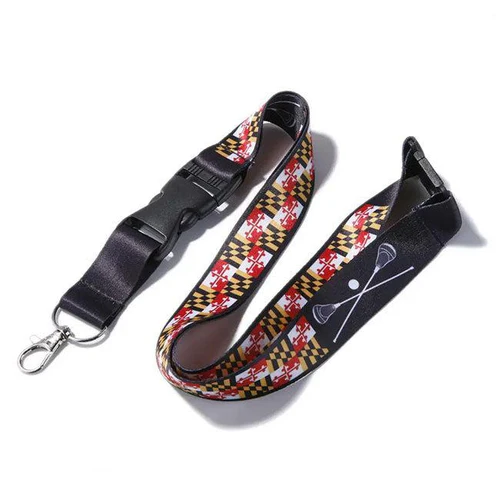
Sublimation uses heat and pressure to turn dye into gas so it bonds with polyester fibers. That means the design becomes part of the fabric instead of sitting on top of it. The finish feels smooth, not raised, and the print can cover nearly the full width and length of the lanyard.
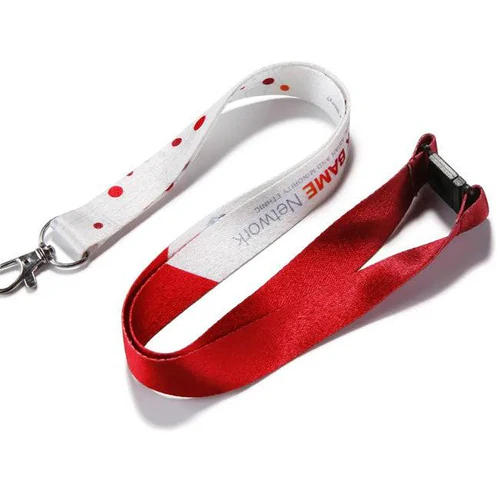
Screen printing pushes ink through a stencil onto the lanyard surface. It is a classic method for strong, clean logos and text, especially when the design uses limited colors. However, because the ink stays on top of the fabric, it can be more vulnerable to wear over time depending on the ink quality and usage conditions.
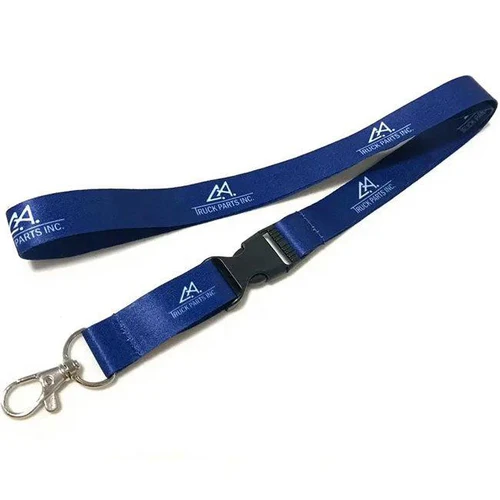
For detachable lanyards, the buckle adds another practical layer to the decision. Since detachable sections break up the visible print area, artwork placement matters. A method that looks great on a flat sample may not look as strong when interrupted by hardware, clips, or safety breakaways.
“The print method should follow the design, not the other way around. Brands often start with price, but the smarter move is to start with artwork complexity and expected wear.”
Why detachable lanyards are a separate category
Detachable lanyards are not just standard neck lanyards with a buckle added on. They are used more actively. Employees remove keys, badges, or tools throughout the day. Event attendees clip and unclip credentials. Students toss them into bags. That repeated handling increases friction at high-contact points, which means print durability is not a small issue.
When Sublimation Works Better
Sublimation is usually the strongest choice when visual quality matters most. If your design includes gradients, multiple colors, soft shadows, patterns, or photography, screen printing will struggle to reproduce it cleanly. Sublimation handles that complexity naturally.
This method also tends to produce a more premium modern look because the color becomes embedded into the polyester webbing. There is no thick ink feel, and edge-to-edge artwork is possible on many lanyard constructions.
- Best for full-color logos and complex branding systems
- Excellent for repeated patterns and all-over prints
- Better for soft-hand feel and long-term color retention
- Ideal for branded merch, conventions, and retail-ready lanyards
- Works especially well on white polyester bases
According to Smithers' 2024 analysis of global printed textiles, dye-based digital decoration continues gaining share because buyers increasingly want shorter runs, more color variety, and mass customization. That trend directly favors sublimation for branded accessories like lanyards.
Where sublimation can fall short
It is not perfect. Sublimation generally requires polyester material, so if your product spec calls for a different fabric feel, your options may narrow. Dark base materials can also complicate color output because sublimation performs best on light-colored polyester. And while unit economics are often strong for custom visuals, cheap low-grade polyester can still undermine the final look.
When Screen Printing Is the Better Buy
Screen printing still earns its place, especially for simple graphics and budget-sensitive projects. If your design is a one-color or two-color logo with strong contrast, screen printing can be clean, readable, and cost-effective. Many schools, security teams, and organizations ordering straightforward ID lanyards prefer it for exactly that reason.
It also makes sense when the brand identity itself is simple. A bold logo on a solid lanyard does not need photo-level detail. In those cases, sublimation can feel like overproduction.
Screen printing often works well for:
- Simple wordmarks and basic icons
- Large-quantity orders with minimal color variation
- Internal operations, access control, and staff identification
- Projects where the lanyard is functional first and promotional second
That said, the limitations are real. Fine details can blur. Multi-color alignment can become tricky. Repeated bending and abrasion may eventually crack or wear surface inks, particularly on lower-cost runs. If your detachable lanyards will be clipped on and off all day, that wear pattern matters.
Side-by-Side Comparison for Real Buyers
| Business Scenario | Best Method | Why It Fits | Potential Tradeoff |
|---|---|---|---|
| Tech conference with sponsor logos and gradient branding | Sublimation | Handles multiple colors, detailed marks, and polished event visuals | Requires polyester and careful color proofing |
| School staff badge lanyards with one-color mascot logo | Screen Printing | Affordable for simple artwork and easy to read from a distance | Ink may wear faster with daily friction |
| Retail merch drop for fan communities | Sublimation | Supports repeat graphics, vivid color, and premium shelf appeal | Higher expectations for artwork quality and file setup |
| Warehouse access lanyards with basic safety messaging | Screen Printing | Functional, clear, and efficient for straightforward branding | Less suitable for detailed branding systems |
| University orientation kits with department-specific designs | Sublimation | Easy to customize by department without flattening design quality | Can cost more if the material spec is inflexible |
How Design Style Should Drive Your Decision
The biggest mistake buyers make is choosing print method before reviewing the artwork file. That reverses the process. Start with the design language first.
Choose sublimation if your design includes
- Gradients or color fades
- Photographic elements
- Tiny pattern repeats
- Multiple brand colors
- Front-to-back continuity
Choose screen printing if your design includes
- One bold logo
- Short text with strong contrast
- Limited color count
- Simple departmental or operational labeling
According to a 2025 report from PRINTING United Alliance, buyers increasingly prioritize color consistency and substrate performance over raw per-unit cost for branded promotional products. That shift is important. Cheap output that misses brand standards often costs more once replacements, complaints, or weak event presentation are factored in.
“A lanyard is a moving brand asset. If the logo is weak, the whole program feels weak, even if the item itself is inexpensive.”
What We Learned at Best Patches
I remember a client from the events space who came to Best Patches wanting detachable lanyards for a multi-sponsor expo. Their first instinct was screen printing because they assumed it would save money. But their artwork included four sponsor tiers, subtle gradient bars, and color-coded access zones. I reviewed the file and knew screen printing would flatten the visual hierarchy.
We shifted them to sublimation, adjusted the detachable buckle placement so the highest-value sponsor logos stayed visible, and slightly widened the webbing to preserve legibility. When the final run arrived, the client told us the lanyards looked like part of the event identity package rather than a last-minute accessory. More importantly, attendees kept wearing them after check-in instead of stuffing them into bags.
On another project, I worked with a manufacturing client ordering employee detachable lanyards for internal badge use. Their artwork was a single-color logo and a short line of safety text. They did not need gradients or retail presentation. We recommended screen printing on a practical base, which reduced cost and sped up approval. That was the right call because the program was operational, not promotional.
Those two jobs reinforced the same lesson: there is no universal winner in sublimation vs screen printing detachable lanyards. The better choice comes from matching print behavior to usage reality.
Cost, Durability, and Production Risks
Budget matters, but unit price alone can be misleading. What matters is total value over the life of the lanyard program.
Cost factors to watch
- Number of ink colors
- Artwork complexity
- Material type and width
- Hardware choices like detachable buckles and badge clips
- Sampling and proofing requirements
- Order volume and repeat order frequency
Durability differences
Sublimation generally performs better for long-term visual retention because the dye sits inside the fibers. That usually means less cracking, peeling, or texture loss. Screen printing can still be durable on the right substrate with quality ink, but heavy abrasion points, repeated flexing, and constant handling can shorten the life of the print.
For detachable lanyards, the highest-risk wear zones are:
- Near the buckle connection
- Around the badge clip end
- Areas where users grip and pull repeatedly
A 2024 study from the Advertising Specialty Institute noted that product longevity strongly affects perceived promotional value, with recipients favoring items that remain attractive and functional over time. That supports investing in the print method that best survives real use, especially for branded event and workplace accessories.
Risks and limitations buyers should not ignore
Sublimation risks include color shift if the source file is poorly prepared, weak output on non-polyester materials, and disappointment if the customer expects exact coated-Pantone matching on fabric. Screen printing risks include limited detail, registration issues on multicolor jobs, and faster surface wear if the lanyard sees heavy daily use.
How to Choose the Right Method Step by Step
- Audit the artwork. Count colors, check for gradients, inspect text size, and identify whether your logo needs crisp detail or just bold visibility.
- Define the use case. Decide whether the lanyard is mainly for access control, event branding, retail sale, or promotional distribution.
- Confirm the material. If you need polyester and full-color design freedom, sublimation becomes more attractive. If the construction is simpler and the graphic is basic, screen printing stays in play.
- Map high-wear zones. Review where users will pull, twist, clip, and detach the lanyard most often.
- Request a proof with hardware placement. This is especially important for detachable lanyards because print interruption can ruin an otherwise good design.
- Balance total value, not just piece price. Reorder rates, visual impact, and durability often matter more than shaving a few cents per unit.
Which Option Is Better in 2026
For most branded, design-forward projects in 2026, sublimation is the better option for detachable lanyards. It delivers stronger color range, more detail, smoother finish, and better long-term print appearance on suitable polyester materials. If your design carries real brand value, sublimation usually gives you the result people actually hoped for when they approved the mockup.
Screen printing remains a smart choice when the artwork is simple, the function is practical, and budget control matters more than visual complexity. It is not outdated. It is just more selective in where it performs best.
At Best Patches, our recommendation is simple:
- Choose sublimation for full-color branding, premium events, retail merch, and highly visible promotional use.
- Choose screen printing for straightforward logos, internal staff use, and cost-conscious operational orders.
- Before approving production, request a proof that shows buckle placement, print area, and likely wear points.
References
- Smithers, 2024 printed textiles market analysis — Provided industry direction on digital and dye-based decoration growth.
- PRINTING United Alliance, 2025 market insights — Supported the shift toward color consistency and substrate performance in print buying.
- Advertising Specialty Institute, 2024 promotional product research — Contributed evidence on how durability affects recipient perception and product value.
FAQ
Is sublimation better than screen printing for detachable lanyards?
For most full-color and brand-focused designs, yes. Sublimation usually gives you better detail, richer color, and stronger resistance to visible wear because the dye bonds into the polyester fabric. Screen printing is still a solid option for simple one-color or two-color logos.
What is the main difference in sublimation vs screen printing detachable lanyards?
Sublimation embeds color into polyester fibers, while screen printing places ink on top of the lanyard surface. That means sublimation is better for complex, all-over artwork, and screen printing is better for cleaner, simpler graphics with fewer colors.
Do sublimated detachable lanyards last longer?
In many cases, yes. Because the design becomes part of the fabric instead of sitting on top, sublimated lanyards tend to resist cracking and surface wear better than printed inks, especially in high-contact areas near the buckle and clip.
Is screen printing cheaper for custom detachable lanyards?
It can be, especially for simple logos with limited colors and functional use cases. But if your design needs multiple colors, gradients, or repeated patterns, sublimation may provide better value because it avoids quality compromises and often reduces redesign headaches.
What artwork files work best for lanyard printing?
Vector files such as AI, EPS, or SVG are usually best for logos and text. For sublimation designs with photo elements, high-resolution PDF or PNG files may also work well. Always outline fonts and confirm the final print area around detachable hardware.
Can I print gradients and photos on detachable lanyards?
Yes, but sublimation is the method that handles them best. Screen printing is not ideal for photo-level detail or smooth color transitions, especially on narrow lanyard surfaces where detail can get lost.