 Promotional Products











Introduction
If you are sourcing custom detachable lanyards, the real challenge is rarely the print. It is choosing the right breakaway style, buckle position, attachment, width, and material so the lanyard actually works in daily use. A lanyard that looks good in a mockup can still twist, fray, snag, or fail under repeated badge scanning.
That is why buyers for events, schools, hospitals, factories, and retail teams increasingly focus on functionality first. Best Patches has worked with organizations that needed detachable lanyards not just for branding, but for security, comfort, and fast item handoff. The difference between a smart buy and an expensive re-order often comes down to a few hardware decisions made early.
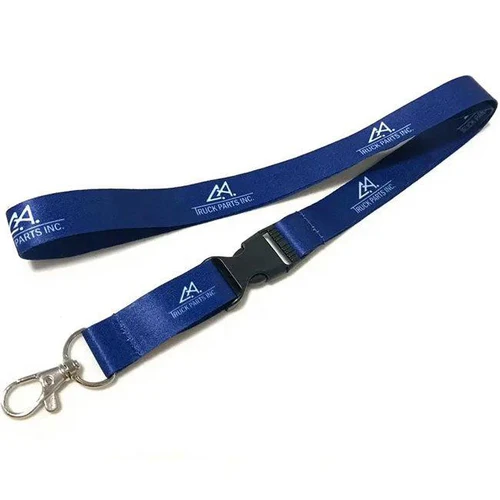
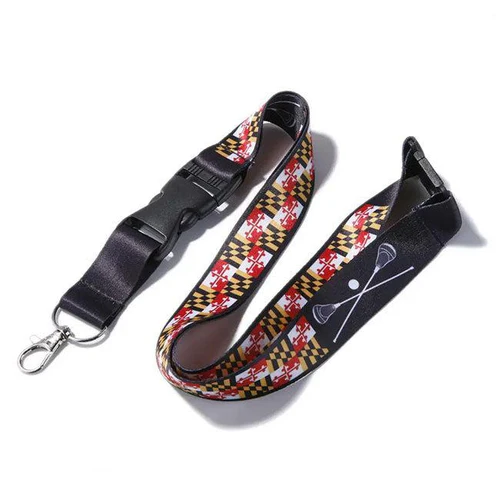
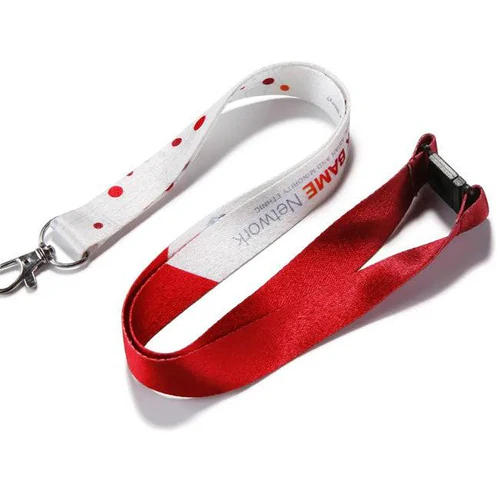
Custom detachable lanyards are branded neck straps designed with a quick-release buckle or detachable section, allowing the lower end to separate from the strap without removing the entire lanyard. They are commonly used for ID badges, keys, whistles, USB drives, and access cards where fast removal improves convenience and safety.
They matter because they reduce friction in everyday work. Staff can tap badges, detach keys, or swap tools quickly while still keeping brand visibility high across offices, trade shows, campuses, and job sites.
Table of Contents
- What Makes Detachable Lanyards Different
- Main Types of Custom Detachable Lanyards
- Buckle Options and How They Affect Use
- Attachment Choices for Real-World Jobs
- Materials, Printing, and Branding Decisions
- How to Buy the Right Lanyard for Your Industry
- Common Mistakes, Risks, and Quality Checks
- Case Study From the Best Patches Team
- Pricing, Lead Times, and Order Planning
What Makes Detachable Lanyards Different
A standard lanyard is one continuous strap with a fixed end attachment. A detachable lanyard includes a quick-release section, usually near the bottom, that allows the user to remove the attached item without pulling the strap over the head. That one design change improves speed and convenience in badge-heavy environments.
In practical terms, detachable designs are ideal when users repeatedly present credentials, unlock cabinets, access printers, open gates, or hand keys to customers. In healthcare and manufacturing, they can also improve workflow because the user keeps the lanyard on while removing only the attached item.
According to the Occupational Safety and Health Administration, employers are expected to assess workplace hazards and choose suitable controls and PPE practices; while lanyards are not a universal safety solution, breakaway and detachable features are often preferred in environments where neckwear could snag. That makes product selection a safety conversation, not just a branding one.
“The best detachable lanyard is not the one with the most features. It is the one matched correctly to the user’s motion, environment, and carry load.”
Main Types of Custom Detachable Lanyards
Single-Buckle Detachable Lanyards
This is the most common style. A plastic quick-release buckle is placed above the end attachment, letting the user detach keys, a badge reel, or a card holder from the strap. It is versatile, cost-effective, and suitable for offices, conventions, and schools.
Breakaway Neck Lanyards With Detachable Buckle
These combine two functions: a safety breakaway at the back of the neck and a detachable buckle near the bottom. They are especially popular for hospitals, warehouses, production floors, and K-12 staff because they balance convenience with added safety.
Dual-Clip Detachable Lanyards
Used for larger credentials, dual-clip versions stabilize wide badge holders and reduce flipping. These are a good fit for conferences, secure facilities, and venues where credentials need to stay visible from the front.
Tubular and Polyester Promo Styles
For campaigns and giveaways, tubular polyester and flat polyester versions keep costs down while still allowing strong logo repetition. They are lightweight, easy to print in bulk, and often chosen for short-term events.
Premium Woven or Dye-Sublimated Detachable Lanyards
When brand appearance matters as much as utility, woven and dye-sublimated styles stand out. Dye sublimation supports full-color gradients and intricate logos, while woven styles create a textured, durable look associated with long-term employee use.
Buckle Options and How They Affect Use
Buyers often underestimate the buckle. Yet the buckle determines ease of use, failure rate, comfort, and the overall perception of quality.
Plastic Side-Release Buckles
These are the default choice for many custom detachable lanyards. They are lightweight, affordable, and quick to operate. For general office and event use, they are usually sufficient.
Heavy-Duty Quick-Release Buckles
These use more robust plastic or reinforced construction. They are better for users who carry key sets, tools, mini flashlights, or repeated-access items. If your team detaches items dozens of times per day, this upgrade usually pays off.
Breakaway Clasps
Placed at the neck, these release under tension. They are not a replacement for detachable buckles; they solve a different problem. Buyers sometimes order one expecting the other. If your users need both safe release and fast item removal, specify both.
According to a 2024 report by ASIS International on physical security trends, organizations continue investing in access control and identity management systems. That shift increases the daily use cycle of lanyards and badge attachments, which means durability at the buckle and clip level matters more than many procurement teams expect.
Attachment Choices for Real-World Jobs
The end attachment changes how the lanyard performs in the field. Choosing the wrong one creates friction every single day.
Swivel J-Hook
This is one of the most common attachments for badge holders and lightweight items. It rotates, which helps reduce strap twisting. It is a safe default for many office and event applications.
Bulldog Clip
Best for clipping directly to slot-punched credentials. It offers a firm grip, but can wear out paper-based passes over time if the edge is weak or frequently pulled.
Split Ring
Ideal for keys, USB drives, or small tools. It is secure, though less convenient if users need to frequently add or remove items.
Trigger Snap Hook
This is a stronger metal option often used in industrial, facilities, or janitorial environments. It handles heavier carry loads and repeated detachment better than many lightweight clips.
Badge Reel Combo
A detachable lanyard paired with a badge reel is excellent for workplaces that require constant card scanning. The user can either extend the reel or detach the lower section depending on the setup.
- Choose J-hooks for standard badge holders
- Choose split rings for keys and USBs
- Choose trigger snaps for heavier tools
- Choose bulldog clips for direct credential clipping
- Choose badge reel combos for frequent tap-and-scan access
Materials, Printing, and Branding Decisions
The material determines texture, print quality, edge wear, and cost. There is no universal best option; there is only the best match for use case and budget.
Polyester
Polyester is the volume favorite. It is durable, affordable, and supports screen printing well. For large corporate orders, school districts, and event runs, polyester usually offers the best balance of performance and price.
Nylon
Nylon has a smoother, shinier finish and often looks more premium. It prints well and feels softer in hand, though it can cost more than basic polyester.
Tubular Fabric
Tubular lanyards are made from stitched tube-like material, often giving a softer, casual feel. They are common for promotions and non-formal use.
Dye-Sublimated Satin or Polyester
This is the choice for detailed branding. If your design includes gradients, complex logos, multiple colors, or campaign graphics, sublimation produces the cleanest result.
| Type | Best Business Use | Main Strength | Trade-Off |
|---|---|---|---|
| Polyester detachable lanyard | Corporate staff IDs | Low cost and reliable durability | Less premium finish than nylon |
| Dye-sublimated lanyard | Trade shows and brand campaigns | Sharp full-color artwork | Can cost more at lower quantities |
| Breakaway detachable lanyard | Hospitals and schools | Added safety and convenience | More hardware means more specification choices |
| Trigger-hook utility lanyard | Facilities and maintenance teams | Handles heavier attachments | Heavier around the neck |
| Eco-material detachable lanyard | Nonprofits and sustainability-led brands | Supports environmental messaging | May have fewer hardware combinations |
According to a 2025 McKinsey report on sustainability and consumer behavior, buyers increasingly reward visible environmental commitments when they align with product quality and practicality. For branded merchandise, that means recycled PET or eco-forward materials can help brand perception, but only if the item still performs well.
“A lanyard is a wearable brand touchpoint. If it twists, scratches, or breaks, that brand impression turns negative fast.”
How to Buy the Right Lanyard for Your Industry
Different industries use lanyards in very different ways. A conference badge worn for eight hours is not the same as a nurse badge used through a full week of fast movement and repeated scanning.
For Offices and Corporate Teams
Go with polyester or nylon, a detachable buckle, and a swivel hook. If access cards are used often, add a badge reel. Standard width of 3/4 inch usually balances comfort and logo visibility well.
For Schools and Universities
Breakaway neck safety is often worth including. Choose easy-to-read color coding by department or grade level. Durable attachments matter because lanyards tend to be pulled, dropped, and loaned.
For Healthcare Settings
Use breakaway plus detachable hardware. Prioritize cleanability, light weight, and compatibility with badge reels. Avoid overly bulky metal hardware if comfort is a concern during long shifts.
For Warehouses and Industrial Teams
Use stronger clips, reinforced buckles, and evaluate whether neckwear is appropriate for the specific task area. If snag risk is high, review safety policy carefully before ordering.
For Events and Exhibitions
Focus on visual impact, quick distribution, and cost per unit. Dye-sublimation is excellent for sponsors, schedules, QR graphics, and vibrant branding. Detachable sections help exhibitors quickly scan or show credentials.
- Define what the user will carry: badge, keys, tools, or multiple items.
- Choose whether you need detachable only, breakaway only, or both.
- Select the attachment that fits the actual item, not just the sample image.
- Pick width and material based on comfort, print quality, and budget.
- Request a pre-production sample or photo proof with hardware confirmation.
- Test the lanyard in the real environment before approving full production.
Common Mistakes, Risks, and Quality Checks
Even experienced buyers make preventable mistakes when ordering custom detachable lanyards in bulk.
Confusing Breakaway With Detachable
A breakaway clasp releases under tension at the neck. A detachable buckle removes the lower attachment section. They are not interchangeable features.
Ignoring Carry Weight
A badge alone is light. A badge plus keys, sanitizer, USB, and mini flashlight is not. Overloading cheap hardware leads to early breakage and unhappy users.
Over-Prioritizing Price
The cheapest lanyard can become the most expensive when it causes reorders, complaints, or lost keys. Unit cost matters, but cost per month of usable life matters more.
Skipping Wear Testing
Twist resistance, edge softness, buckle snap strength, and clip rotation all benefit from hands-on review. This is especially important for organizations ordering thousands of units.
According to a 2024 PwC consumer and brand trust analysis, consistency plays a major role in brand confidence. Branded merchandise is part of that consistency. If employee-facing gear feels flimsy, users notice, and so do customers.
Case Study From the Best Patches Team
I worked with a regional healthcare client through Best Patches that had a common problem: staff were removing full lanyards dozens of times per shift just to scan credentials or access medicine storage. The old setup caused tangling, badge drops, and constant replacement orders.
We recommended a breakaway neck design with a detachable lower buckle and a reel-compatible badge attachment. We also narrowed the strap width to improve comfort during long shifts. After a test batch, the client reported fewer complaints from staff and better daily usability because credentials could be detached without removing the whole lanyard.
In another project, I helped a trade show exhibitor that initially wanted the cheapest possible lanyard for a large giveaway. The first spec used a basic attachment and minimal branding area. After discussing attendee behavior, we switched to a dye-sublimated detachable design with clearer sponsor logos and a stronger swivel hook. The result was simple but important: attendees kept wearing the lanyards throughout the event instead of discarding them after check-in. That extended brand visibility far beyond the registration desk.
Pricing, Lead Times, and Order Planning
Pricing depends on quantity, material, print method, attachment type, and hardware upgrades. As a general rule, simple polyester detachable lanyards in bulk cost less than nylon or full-color dye-sublimated versions with multiple hardware features.
Lead times also vary. Basic repeat orders with standard hardware may move quickly, while custom colors, special attachments, or urgent freight can add complexity. If your lanyards are tied to an event launch, school opening, or onboarding cycle, build in extra time for proofing and sample approval.
Bulk planning works best when you think beyond the first order. Ask whether your supplier can hold artwork specs, color references, and hardware combinations for future reorders. That prevents inconsistencies across departments or yearly procurement cycles.
Conclusion
The best custom detachable lanyards are the ones designed around actual use: how often the item is detached, what it carries, where it is worn, and what safety expectations apply. Material, buckle, attachment, and print style all shape daily performance.
Best Patches recommends three practical next steps:
- Audit your current lanyard use by role, not by department name alone.
- Request samples with the exact buckle and attachment combination you plan to order.
- Standardize one or two approved specs for easier reordering and better brand consistency.
References
- Occupational Safety and Health Administration — workplace hazard assessment principles relevant to neckwear and equipment safety considerations.
- ASIS International — 2024 security industry insights supporting the growth of access control and credential-dependent workflows.
- McKinsey & Company — 2025 sustainability research highlighting demand for practical products with credible environmental value.
- PwC — 2024 brand trust analysis underscoring the importance of consistent product quality in customer and employee perception.
FAQ
What are custom detachable lanyards used for?
They are commonly used for employee IDs, access cards, keys, USB drives, whistles, and small tools. The detachable buckle lets users remove the attached item quickly without taking the lanyard off their neck.
What is the difference between a breakaway lanyard and a detachable lanyard?
A breakaway lanyard has a safety clasp at the neck that releases under tension. A detachable lanyard has a quick-release buckle near the bottom so the badge or keys can be removed while the strap stays on.
Which attachment is best for badge holders?
For most badge holders, a swivel J-hook is the most practical choice because it rotates and helps reduce twisting. If you need direct clipping to a slot-punched pass, a bulldog clip can also work well.
Are custom detachable lanyards good for schools and hospitals?
Yes, especially when paired with a breakaway neck clasp. Those environments often require frequent badge access, and detachable hardware makes that faster while improving daily comfort and convenience.
How do I choose the best custom detachable lanyards for my business?
Start with the use case, not the artwork. Review:
What the user will carry
How often the item must be detached
Whether breakaway safety is required
Which material fits your budget and branding goals
What lanyard width is most common?
Three-quarter inch is a common all-purpose width because it gives enough room for a visible logo without feeling too bulky. Narrower widths suit lightweight badge-only use, while wider styles create more brand impact.
Do detachable buckles wear out over time?
Yes. Like any frequently used hardware, detachable buckles can wear down after repeated use, especially if overloaded. Choosing stronger hardware and matching it to the carry weight helps extend service life.