 Promotional Products



Introduction
If you are ordering custom event lanyards, the hard part usually is not finding a supplier. It is choosing a setup that looks professional, survives a full event day, fits your budget, and does not create badge failures at the entrance line. Event teams often realize too late that the wrong material feels cheap, the wrong print method fades, or the wrong clip twists badges backward all day.
That is where experienced production guidance matters. Best Patches works with brands, schools, conferences, nonprofits, and corporate teams that need lanyards to function as both practical tools and brand assets. A well-made lanyard does more than hold an ID badge. It supports security, wayfinding, sponsor visibility, and attendee experience.
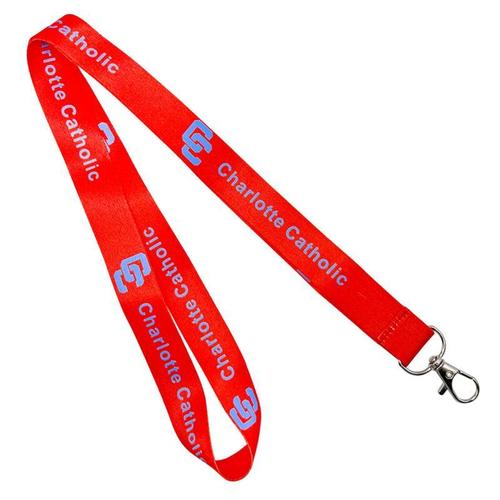
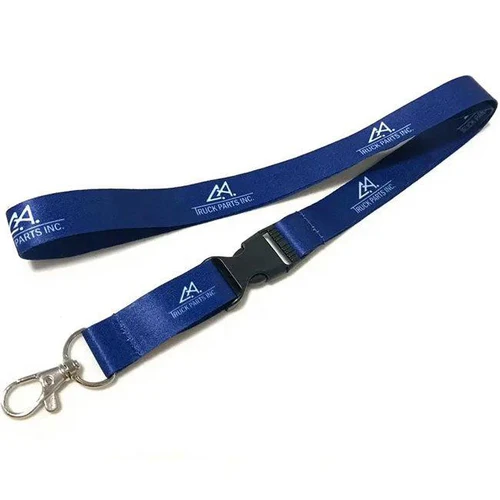
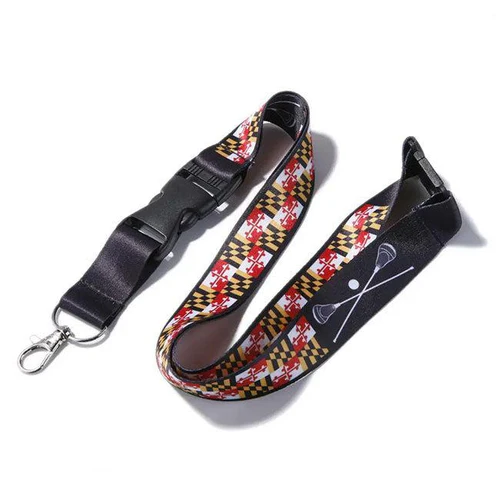
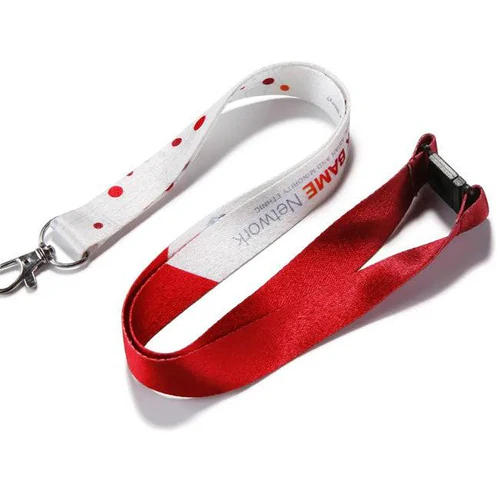
Custom event lanyards are branded neck straps designed to carry badges, credentials, keys, or access cards during events. They are usually made from polyester, nylon, tubular fabric, or eco-conscious fibers, then customized with logos, text, colors, and attachment hardware. The best choice depends on event type, budget, comfort, and how the badge will be used.
In 2026, the standard is higher. Buyers now expect stronger print clarity, safer breakaway options, better recycled material choices, and faster production with fewer design errors. If you want a lanyard that performs well from registration to teardown, material, print method, and attachment style must be chosen together rather than as separate decisions.
Table of Contents
- How Material Choice Changes Performance
- Which Printing Method Fits Your Design
- How to Choose Badge Attachments
- Material and Use-Case Comparison Table
- A Simple Buying Process for Event Teams
- Common Mistakes That Cause Reorders
- What We Have Seen at Best Patches
- What Is Changing in 2026
- Final Recommendations
How Material Choice Changes Performance
Material is the foundation of lanyard quality. It affects comfort, print sharpness, durability, thickness, drape, and even whether people keep the lanyard after the event. That matters because a lanyard often stays visible for eight to twelve hours straight.
The most common materials for custom event lanyards are polyester, tubular polyester, nylon, woven fabric, and recycled PET. Each one solves a different problem.
Polyester for Versatility and Budget Control
Standard polyester is the most common choice because it balances cost, comfort, and print compatibility. It works well for conferences, expos, schools, trade shows, and volunteer programs. If your logo uses solid colors and you need a dependable mid-range option, polyester is usually the safe call.
Its biggest strength is flexibility. You can pair it with screen printing, heat transfer, or sublimation depending on the surface finish and artwork requirements. It is also comfortable enough for long wear, especially in 15 mm to 20 mm widths.
Tubular Material for High-Volume Giveaways
Tubular lanyards are made from tube-stitched material that feels softer and slightly more casual. They are often chosen for budget-focused runs, campus events, community races, or church programs where affordability matters more than premium finish.
The tradeoff is visual precision. Tubular material can look less refined than smooth polyester or nylon, especially when detailed logos are involved. For simple one-color branding, though, it performs well.
Nylon for a Sharper, Premium Look
Nylon has a smoother, shinier surface than standard polyester, which allows for crisp printing and a more elevated appearance. It is a strong option for executive events, sponsor-heavy conferences, or VIP credentials where polish matters.
However, nylon can cost more, and not every design needs that premium surface. If your event is outdoors, rough-use, or focused on large attendee counts rather than image impact, nylon may be more than you need.
Woven Lanyards for Text-First Branding
With woven lanyards, the design is stitched into the material rather than printed on the surface. This gives excellent durability for simple logos or text and creates a textured look. They are especially useful when longevity matters, such as employee credentials, campus IDs, or recurring operational use.
The limitation is detail. Fine gradients, photo-like effects, and tiny design elements do not translate as well in woven form.
Recycled PET for Sustainability Goals
Recycled PET lanyards have gained traction as environmental reporting and procurement standards become stricter. A 2024 Deloitte sustainability survey found that consumers and business buyers continue to reward brands that make visible, credible sustainability choices. For event organizers, that makes recycled lanyards more than a moral choice; they are also a brand signal.
That said, sustainability claims need to be real. Buyers should ask for material specifications and avoid vague green language without documentation. Recycled content can be excellent, but only if the supplier can clearly explain sourcing and production standards.
Which Printing Method Fits Your Design
Printing is where many event buyers overspend or underperform. A complex logo does not always require the most expensive method, but a low-cost print method can absolutely ruin a detailed design.
According to a 2024 report by Adobe on brand consistency, visual fidelity across touchpoints remains a major driver of trust and recognition. Your lanyard may seem minor, but at events it is one of the most repeated branded surfaces in the room.
Screen Printing for Simple Logos
Screen printing is ideal for one-color or two-color artwork with clean shapes and bold text. It is affordable, proven, and effective for large runs. If your event brand system is simple and your material is standard polyester or tubular, this is often the most efficient route.
The downside is limited color complexity. Gradients, tiny details, and photographic elements will not reproduce well.
Dye Sublimation for Full-Color Designs
Sublimation is usually the best option for multi-color artwork, gradients, repeated sponsor logos, and high-detail branding. The ink bonds into the material rather than sitting heavily on the surface, which helps with durability and color richness.
This method shines for conferences with multiple sponsors, festivals with vivid graphics, or sports events where dynamic design matters. If you need both sides printed differently, sublimation is also highly flexible.
Heat Transfer for Specialty Effects
Heat transfer is less common for standard volume runs but useful when you need sharp details or certain specialty finishes. It can work well for smaller batches or specific branding elements, though it may not always match the cost-efficiency of sublimation for larger event quantities.
Woven Branding for Long-Term Use
When your priority is durability rather than visual complexity, woven text or logos deserve attention. These are often selected for staff credentials, school IDs, and internal operations. They look less promotional and more institutional, which can be a benefit depending on your event culture.
“The best print method is the one that matches the artwork, not the one with the loudest sales pitch. If your logo has gradients and sponsor marks, forcing a one-color process usually creates a cheaper-looking result than buyers expected.”
How to Choose Badge Attachments
Badge attachment choice is not a minor detail. It affects security, usability, and breakage rates. A good lanyard with a poor attachment still fails in real-world use.
Swivel Hooks for Standard Event Badges
Swivel hooks are the all-purpose favorite. They rotate easily, reduce twisting, and work with most badge holders. For general conferences, conventions, and networking events, they are often the most practical choice.
Bulldog Clips for Lightweight Credentials
Bulldog clips are easy to attach and remove, making them useful for lightweight paper or laminated badges. They are less ideal for heavy credentials because slippage can happen with repeated movement.
Split Rings for Keys and Multi-Use Carry
Split rings are common when the lanyard may also carry locker keys, USB drives, or small tools. They are practical for staff, volunteers, security teams, and campus events. For attendee-facing conference badges, though, they are usually less convenient than hooks.
Detachable Buckles for Security and Convenience
A detachable buckle adds flexibility because users can remove a badge or card without taking off the entire lanyard. This is especially useful for access-controlled venues, staff checkpoints, and tech campuses where badges are scanned often.
For active-use environments, this feature can dramatically improve convenience. But it introduces another component, which means another possible failure point if low-quality hardware is used.
Breakaway Closures for Safety
Breakaway lanyards separate under tension, reducing the risk of choking or snag incidents. They are strongly recommended for schools, healthcare, manufacturing-adjacent spaces, and child-focused events. In some settings, they are not optional.
Safety hardware can slightly increase unit cost, but it is often the right decision when risk exposure is higher.
- Choose swivel hooks for standard badge holders and general attendee use.
- Choose detachable buckles when badges need frequent scanning or removal.
- Choose breakaway features for safety-sensitive environments.
- Choose split rings when keys or tools are part of the use case.
- Choose bulldog clips only for lighter, simpler badge setups.
Material and Use-Case Comparison Table
| Material | Best Business Scenario | Printing Fit | Main Tradeoff |
|---|---|---|---|
| Polyester | Trade shows, nonprofit events, school conferences | Screen print or sublimation | Not as premium-looking as nylon |
| Tubular | Community races, church events, volunteer drives | Simple screen print | Lower detail and less polished finish |
| Nylon | Executive summits, VIP access, sponsor lounges | Sharp surface printing | Higher cost per unit |
| Woven | Staff IDs, university credentials, long-term operational wear | Woven text or logo | Poor fit for complex graphics |
| Recycled PET | Sustainability-led brand events, ESG-focused conferences | Often sublimation-friendly | Needs credible sourcing verification |
A Simple Buying Process for Event Teams
Many delays come from unclear decision order. Teams often start by asking for a quote before they know event conditions, badge size, artwork requirements, or safety needs. That leads to revisions and, sometimes, expensive rush shipping.
Use this process instead:
- Define the event environment: indoor, outdoor, high-security, youth-focused, or VIP-heavy.
- Choose the badge format and weight before choosing attachment hardware.
- Select material based on comfort, budget, and brand image.
- Match the print method to the artwork complexity, not just the price point.
- Request a digital proof and verify logo placement, text spelling, attachment type, and final width.
- Build in extra quantity for speakers, sponsors, lost badges, and late registrations.
A 2025 Freeman event trends briefing highlighted that attendee experience remains one of the clearest differentiators for live events. Small friction points matter. Fast entry, readable credentials, and comfortable wear contribute more than many teams realize.
Common Mistakes That Cause Reorders
The most expensive lanyard problem is not unit cost. It is having to reorder because the first batch failed in use or missed the mark visually.
Choosing Width Based Only on Price
Narrow lanyards can save money, but they may not support larger branding or feel substantial enough for premium events. Wider lanyards improve visibility, though they may feel bulkier if the badge is heavy. Width should follow badge size and visual goals.
Ignoring Attachment Stress
A heavy credential with a weak clip will fail. A plastic buckle on a rough-use staff setup may also wear faster than expected. Attachment hardware should be matched to actual movement, badge weight, and scan frequency.
Overcomplicating the Artwork
Tiny sponsor logos, compressed text, and too many colors can make a lanyard unreadable. This is especially true on narrow widths. Simplification often creates a better result than trying to fit an entire event program onto a strap.
Skipping Proof Review
This seems obvious, yet it still causes preventable waste. Teams often approve quickly without checking repeat spacing, backside orientation, or whether logos remain readable once folded around the neck.
“A lanyard lives in motion. If the design only looks good on a flat screen proof and not while worn, it is not ready for production.”
What We Have Seen at Best Patches
I have seen event teams focus heavily on price and then come back after a bad run because the lanyards twisted, the clip failed, or sponsor logos blurred together. One of the clearest examples involved a regional business expo that needed more than a basic branded strap. The organizers had attendees, exhibitors, media, and VIP guests, each requiring a slightly different badge setup. They initially planned to use one low-cost tubular lanyard for everyone.
At Best Patches, we recommended shifting to sublimated polyester for attendee and exhibitor groups, then using a cleaner nylon option for VIP credentials. We also pushed for detachable buckles on staff versions because those badges were scanned repeatedly at restricted entrances. That one change reduced line friction and cut down on staff removing lanyards every few minutes.
In another project, I worked with a school district event team that needed safety-conscious lanyards for a student leadership conference. Their first draft used a standard metal hook and no breakaway closure. We advised moving to a breakaway design with a lighter attachment and simplifying the printed artwork so the school name and event title remained readable from a distance. The final product looked cleaner, wore more comfortably, and addressed the safety concern without inflating the budget.
These are not dramatic changes. They are practical adjustments. But in event production, practical adjustments are what separate a smooth registration desk from an operational headache.
What Is Changing in 2026
Event buyers in 2026 are asking more specific questions than they did a few years ago. They want to know material origin, turnaround reliability, print durability, and whether the lanyard setup supports both branding and security operations.
Eco Claims Are Being Scrutinized
Sustainability is still important, but generic eco messaging no longer impresses informed buyers. Teams now want clarity on recycled content, production standards, and realistic environmental tradeoffs. If a supplier cannot explain the material, that is a red flag.
Hybrid Branding Is More Common
Many events now use lanyards for both brand visibility and functional coding. Color bands, role labels, sponsor tiers, and access levels are being integrated into one product. That means layout planning matters more than ever.
Security and Convenience Are Being Designed Together
With more venues using credential scanning, detachable and fast-access features are growing in popularity. The best event products are no longer just attractive. They support operational speed.
Shorter Planning Timelines Increase Production Risk
Rush projects are common, which makes supplier communication and proof accuracy more important. According to PCMA industry reporting in 2024 and 2025, event teams continue to face compressed planning cycles alongside higher attendee expectations. When timelines tighten, simple and well-matched lanyard specs become even more valuable.
Final Recommendations
The best custom event lanyards are not chosen by habit. They are chosen by use case. Material determines comfort and image. Printing determines clarity and brand impact. Attachments determine whether the badge actually works in the real world.
If you want a reliable default, polyester with sublimation and a swivel hook covers many modern event needs. If your audience is premium, nylon may be worth the upgrade. If safety matters, add a breakaway. If badges are scanned constantly, use a detachable buckle. The goal is not buying the fanciest option. It is buying the right combination.
Best Patches recommends these next actions:
- Audit your event workflow before requesting quotes, especially badge size, scanning frequency, and attendee type.
- Choose print method only after reviewing the actual logo complexity and color needs.
- Ask for a proof that shows material, attachment, width, and artwork orientation together, not as separate assumptions.
References
- Adobe, 2024 brand consistency research: Supports the importance of accurate visual reproduction across customer touchpoints.
- Deloitte, 2024 sustainability survey: Highlights growing buyer preference for credible, visible sustainability choices.
- Freeman, 2025 event trends briefing: Reinforces the role of attendee experience in live-event success.
- PCMA industry reporting, 2024-2025: Provides context on compressed planning cycles and evolving event operations.
FAQ
What are the best materials for custom event lanyards?
Polyester is the most versatile choice for cost, comfort, and print quality. Nylon works well for premium events, tubular material suits budget-focused runs, woven styles are strong for long-term text-based use, and recycled PET is a solid option for sustainability-led events.
Which printing method is best for event lanyards?
For simple one-color logos, screen printing is usually the most budget-friendly option. For detailed graphics, gradients, and multi-sponsor designs, dye sublimation is often the better choice because it delivers cleaner full-color results.
What attachment should I use for conference badges?
A swivel hook is the most common and practical option for conference badges because it reduces twisting and works with most holders. If badges are scanned frequently, a detachable buckle can add extra convenience.
Should custom event lanyards have a breakaway closure?
Yes, especially for schools, healthcare settings, youth events, and workplaces where snag risks exist. Breakaway closures improve safety by releasing under tension, though they may slightly increase cost.
How wide should event lanyards be?
Most event lanyards fall between 15 mm and 20 mm. Narrow widths save money and feel lighter, while wider lanyards improve logo visibility and often feel more substantial for premium or sponsor-driven events.
Are recycled lanyards a good option for branded events?
Yes, recycled PET lanyards can be an excellent choice for events with visible sustainability goals. Just make sure your supplier can explain the recycled content clearly and provide credible sourcing information if needed.