 Promotional Products

Why Smart Buyers Scrutinize Lanyards More Than Ever
If you are sourcing custom sublimation lanyards, you are usually balancing three pressures at once: brand visibility, cost control, and delivery speed. The wrong lanyard can fade after one event, twist awkwardly, irritate the wearer, or make a polished brand look cheap. The right one becomes a practical item people actually keep using long after badges come off.
That is where experienced suppliers matter. Best Patches works with brands, schools, nonprofits, and event teams that need lanyards to do more than hold an ID card. Buyers want color accuracy, readable logos, secure attachments, and realistic lead times. They also want someone to flag production issues before a large order becomes an expensive mistake.
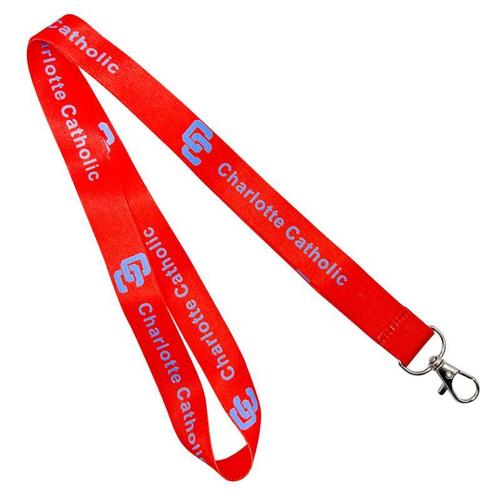
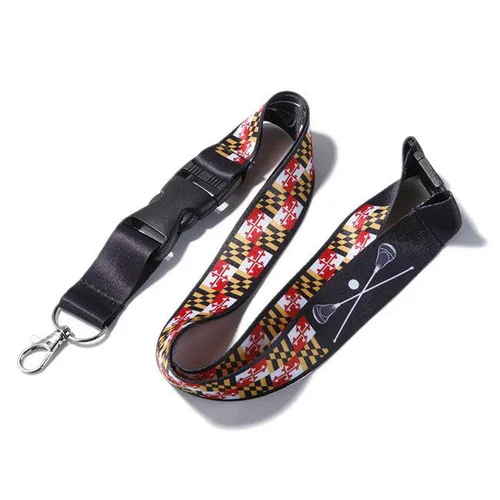
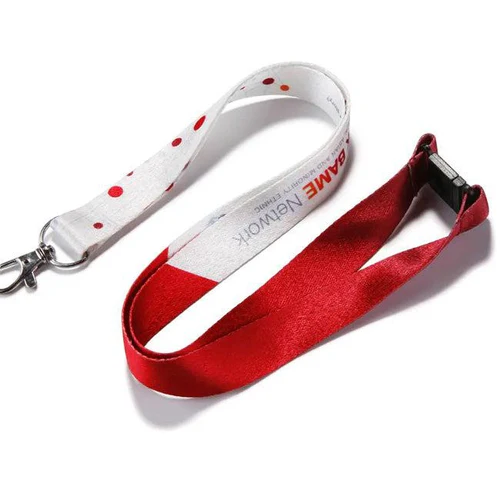
Custom sublimation lanyards are polyester lanyards printed with heat-transfer dye so the artwork becomes part of the fabric rather than sitting on top of it. This method is popular because it supports full-color designs, smooth gradients, and edge-to-edge branding while staying lightweight and comfortable for daily wear.
For most organizations, sublimation is the best fit when visual detail matters. It is especially strong for conferences, schools, staff ID programs, sports events, retail promotions, and branded merchandise where logos, patterns, sponsor marks, and safety messaging need to stay clear.
Table of Contents
- What Makes Sublimation Different
- Who Should Buy Custom Sublimation Lanyards
- How to Choose Width, Hardware, and Safety Features
- Design Rules That Prevent Costly Reprints
- Pricing, MOQs, and Real Budget Planning
- Quality Risks Buyers Often Miss
- Lead Times, Proofing, and Order Workflow
- Best Patches Case Study From Event and School Orders
- How to Compare Suppliers With Confidence
What Makes Sublimation Different
Sublimation printing transfers dye into polyester fibers using heat and pressure. That technical detail matters because it changes how the final lanyard performs. Unlike screen printing, where ink sits on the surface, sublimated graphics stay flexible, resist cracking, and allow much more visual complexity.
For buyers, the practical advantages are straightforward:
- Full-color logos and gradients print cleanly
- Fine text and repeating patterns are easier to reproduce
- The surface remains soft instead of feeling heavily coated
- Colors generally hold up better under normal event or workplace use
- Both sides can be customized if the project requires it
There are tradeoffs, though. Sublimation works best on polyester-based materials, so it is not the top choice for buyers seeking thick woven texture or premium jacquard structure. If your design depends on metallic threads, raised detail, or an embroidered look, another construction may fit better. For brands prioritizing crisp, vivid artwork at scale, however, sublimation remains one of the strongest options on the market.
“The best lanyard is the one users forget they are wearing while still noticing the brand every time they reach for a badge, key, or credential.”
Who Should Buy Custom Sublimation Lanyards
Not every organization needs the same lanyard. A high-volume expo organizer cares about sponsor visibility and fast check-in flow. A hospital or school may care more about breakaway safety, role-based color coding, and daily comfort. A retail brand may want lanyards that look good enough to sell as merchandise.
According to the Promotional Products Association International 2024 consumer research, useful promotional items are more likely to be retained and reused than disposable handouts. That is exactly why lanyards remain relevant: they solve a real carrying problem while putting the brand into repeated view.
Common buyer groups include:
| Buyer Type | Primary Goal | Best Lanyard Setup | Typical Risk |
|---|---|---|---|
| Trade show organizer | Sponsor exposure and badge access | 20mm double-sided print with swivel hook | Unreadable small sponsor logos |
| K-12 school district | Staff identification and safety | 15mm breakaway with badge clip | Skipping safety release features |
| Corporate office | Daily wear and brand consistency | 20mm smooth polyester with buckle release | Cheap hardware failing over time |
| Festival or sports event | Merchandise appeal and keepsake value | 25mm vibrant full-color with custom attachment | Overbuilding beyond budget |
How to Choose Width, Hardware, and Safety Features
Most buying mistakes happen here, not in the artwork. Buyers tend to focus on the logo and overlook how the product will actually be used.
Width
Common widths are 10mm, 15mm, 20mm, and 25mm. Narrow lanyards are lighter and cheaper, but they limit logo size. Wider lanyards improve readability and visual impact, especially for event sponsors or bold brand patterns.
Attachments
Choose the hardware based on the carried item, not habit. A swivel hook fits most badge holders. A bulldog clip works for lighter credentials. Split rings are better for keys. Trigger clips can feel more secure for repeated daily use.
Breakaway and Buckle Options
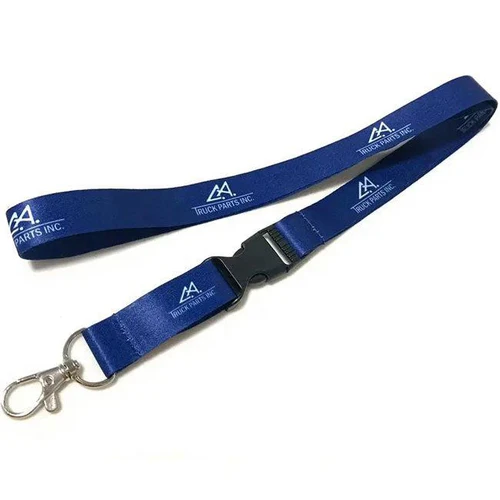
Breakaway closures are important for schools, healthcare, factories, and any environment with snag risks. A detachable buckle is useful when users need to scan badges or remove keys without taking the lanyard off.
Design Rules That Prevent Costly Reprints
Beautiful mockups can still produce weak lanyards if the file setup is wrong. Sublimation handles color complexity well, but it does not fix poor spacing, tiny text, or logos placed too close to the edge.
Use these practical rules when preparing artwork:
- Keep essential text and logos away from edges and stitch lines.
- Enlarge tiny slogans; what looks readable on screen may disappear on a 15mm strap.
- Use high-contrast color combinations for credentials used indoors or under event lighting.
- Confirm whether the design repeats seamlessly across the full lanyard length.
- Ask for a digital proof that shows actual scale, not just a centered logo mockup.
According to Adobe’s 2024 creative workflow insights, brands are putting greater weight on consistency across physical and digital touchpoints. That makes print color control more important than many buyers expect. A lanyard may seem like a small item, but when it clashes with your booth graphics, uniforms, or sponsor palette, it weakens the entire presentation.
For high-visibility orders, I recommend approving Pantone-adjacent expectations in writing, especially if the logo includes deep blues, bright oranges, or subtle gradients. Polyester sublimation is vibrant, but every substrate and heat process can shift color slightly.
Pricing, MOQs, and Real Budget Planning
The most misleading quote is not always the highest one. It is often the one that leaves out setup fees, upgraded attachments, double-sided print charges, or shipping. Buyers comparing prices should look at landed cost per usable unit, not just the base product number.
These factors usually shape price:
- Order quantity
- Lanyard width and material weight
- Single-sided versus double-sided print
- Hardware type
- Breakaway or buckle add-ons
- Packaging requirements
- Rush production and shipping method
For many standard orders, unit costs drop sharply once you move from small test quantities into event-scale volumes. That said, low MOQs can be valuable for internal pilots, franchise approvals, or sponsor sample rounds. If your order will likely repeat every quarter, ask the supplier whether artwork setup and color references can be stored to reduce friction on future runs.
A 2025 Statista outlook on business events indicated continued spending normalization across conferences, exhibitions, and branded experiences. More events mean more competition for attendee attention, which puts pressure on every visible branded item to work harder. Lanyards often deliver strong value because they combine utility with constant exposure during the event itself.
Quality Risks Buyers Often Miss
Sublimation has real strengths, but it is not foolproof. Here are the issues that most often create disappointment:
Blurry or undersized artwork
This usually traces back to low-resolution files or logos that were never adapted for narrow-format printing.
Weak edge finishing
If the stitching or heat-cut edges are poor, even a bright print will look cheap in hand.
Hardware mismatch
A stylish attachment is useless if it bends, flakes, or detaches under daily use.
Color drift across batches
Repeat orders can vary if color targets are not documented and approved carefully.
There is also a strategic risk: overdesign. Some buyers load too much information onto a lanyard—website URL, phone number, slogan, sub-brand, QR code, sponsor grid, and social handles. The result is clutter. A lanyard is viewed in motion, often from a distance. Clarity wins.
“On wearable promo pieces, readability beats ambition. If the logo is fighting five other messages, none of them land.”
Lead Times, Proofing, and Order Workflow
Fast turnarounds are possible, but only if the workflow is handled cleanly. Delays typically come from art revisions, unclear hardware choices, last-minute quantity changes, and shipping assumptions that were never confirmed.
A smoother ordering process usually looks like this:
- Define end use, quantity, width, and attachment before requesting a quote.
- Submit vector or high-resolution artwork with brand color references.
- Review the proof for scale, logo placement, and hardware accuracy.
- Approve production only after checking spelling, color, and sidedness.
- Build in buffer time for freight, customs, or event receiving windows.
At Best Patches, we have learned that proofing speed often matters more than manufacturing speed. A buyer may approve a 500-piece order in minutes, then spend three days internally debating whether the sponsor logos should alternate directions. That is why the best suppliers ask operational questions early instead of simply forwarding art to production.
Best Patches Case Study From Event and School Orders
I have seen this play out with buyers who assumed a lanyard was a simple commodity until the details started affecting registration flow or day-to-day wear. One conference client came to Best Patches after receiving a prior batch from another vendor with tiny sponsor logos and a stiff, scratchy finish. The lanyards technically matched the approved art, but they did not work in practice. Attendees could not easily distinguish sponsor tiers, and the piece felt disposable instead of branded.
We rebuilt the layout around a wider strap, simplified the repeat pattern, increased white space around major logos, and switched to a smoother polyester construction with a better swivel hook. The unit price rose slightly, but the event team gained cleaner sponsor visibility and fewer complaints at badge pickup. More importantly, the client reordered for the next show with almost no changes because the specs had finally been dialed in.
In another project, I worked with a school program that needed breakaway lanyards for staff and visiting volunteers. Their initial request prioritized cost above all else. After reviewing the use case, we recommended color-coded role groups, detachable buckles for scanning, and larger-print department labels for quick visual identification. That small design shift improved usability far more than adding more branding would have. It is a good reminder that function often creates the strongest brand impression.
How to Compare Suppliers With Confidence
A polished website does not guarantee strong production discipline. When evaluating suppliers, look for evidence that they understand both graphics and use cases.
Ask questions like these:
- Can you provide recent samples of sublimated lanyards with similar complexity?
- What file formats do you prefer for the cleanest print?
- How do you handle repeat-order color consistency?
- Which attachments hold up best for keys versus badge holders?
- What is included in the quote, and what triggers extra charges?
Strong suppliers are usually transparent about limitations. They will tell you when a 10mm width is too narrow for your logo, when a metallic effect is unrealistic in sublimation, or when your timeline needs a rush fee. That kind of honesty is a buying advantage, not a sales obstacle.
Conclusion
Custom sublimation lanyards earn their place when they combine sharp branding with everyday usability. The best results come from matching the print method to the design, the hardware to the use case, and the proofing process to the real deadline. Buyers who focus only on unit price usually end up paying elsewhere through poor comfort, weak readability, or rushed reorder cycles.
Best Patches recommends three practical next steps:
- Start by defining use case first: event badge, staff ID, keys, merch, or mixed use.
- Request a proof at actual scale with your chosen width and attachment clearly shown.
- Standardize repeat-order specs now so future lanyard purchases become faster and more consistent.
References
- Promotional Products Association International, 2024 consumer research — supports the value of useful promotional items that recipients keep and reuse.
- Adobe, 2024 creative workflow insights — highlights the growing importance of brand consistency across physical and digital materials.
- Statista, 2025 business events outlook — provides context on event spending recovery and the continued role of branded attendee materials.
FAQ
What are custom sublimation lanyards?
Custom sublimation lanyards are polyester lanyards printed with heat-transferred dye that bonds into the fabric. They are popular for full-color logos, gradients, repeating patterns, and comfortable daily wear.
Are custom sublimation lanyards better than screen-printed lanyards?
They are often better for detailed graphics and full-color branding, but not always for every project. Choose sublimation when you need:
Photographic or gradient artwork
Soft fabric feel with less surface ink
Cleaner reproduction of complex logos
Double-sided branding options
What width is best for branded lanyards?
For most business and event orders, 15mm to 20mm is the sweet spot. Use 15mm when you want a lighter, lower-cost option, and 20mm or 25mm when logo visibility and sponsor recognition matter more.
How much do custom sublimation lanyards usually cost?
Pricing depends on quantity, width, hardware, and whether you need upgrades like breakaways or detachable buckles. Costs usually rise with:
Smaller order quantities
Double-sided printing
Premium clips or key attachments
Rush production or expedited shipping
Do I need a breakaway feature on a lanyard?
If the lanyard will be used in schools, healthcare settings, warehouses, or active workplaces, a breakaway feature is often a smart safety choice. For short-term event use, it may be optional unless venue rules require it.
What file format should I send for lanyard artwork?
Vector files are usually best, but always confirm with your supplier first. Commonly accepted options include:
.AI or .SVG for scalable logo files
.PDF with outlined text
.PNG at high resolution for image-based artwork
Brand color references if exact matching matters
How long does production usually take?
It varies by quantity, proof approval speed, and shipping method. A realistic timeline should include artwork review, proofing, manufacturing, and transit rather than only the print window itself.