 Promotional Products



Why This Choice Matters
When buyers compare sublimation vs screen printed lanyards, they are usually dealing with a real business problem, not a design theory exercise. They need lanyards that look sharp, stay readable, fit a budget, and arrive on time for a trade show, school event, staff rollout, or retail launch. The wrong print method can turn a clean logo into a blurry stripe, drive up unit cost, or create color limitations that were not obvious in the mockup.
That is exactly where Best Patches has become a trusted production partner. We help brands, schools, nonprofits, and event teams match artwork to the right manufacturing method so they are not paying premium prices for the wrong finish or sacrificing quality just to hit a deadline.
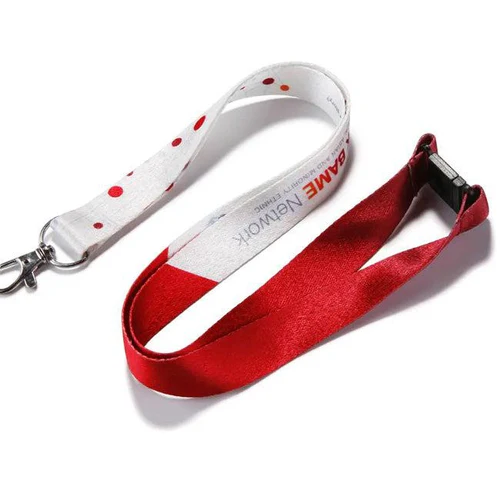
Sublimation vs screen printed lanyards refers to the two most common ways custom artwork is applied to polyester lanyards. Sublimation uses heat to transfer full-color designs into the fabric, while screen printing applies spot colors as ink on the surface. In plain terms, sublimation usually wins for complex graphics and gradients, while screen printing often works better for simple logos and cost-sensitive bulk runs.
If you are choosing between the two, the best method depends on your artwork complexity, target quantity, expected wear, and brand standards. The smartest buy is not the cheapest lanyard on the quote sheet. It is the one that still looks professional after hundreds of impressions and daily use.
Table of Contents
- The Core Difference Between the Two Methods
- How Each Method Performs in Real Use
- Side-by-Side Comparison Table
- Which Designs Work Best for Each Option
- Cost, Order Size, and Production Timing
- What We Have Seen at Best Patches
- Common Buying Mistakes to Avoid
- How to Choose the Right Method
- Final Verdict and Next Steps
The Core Difference Between the Two Methods
Sublimation and screen printing do not just create a different look. They create a different product experience.
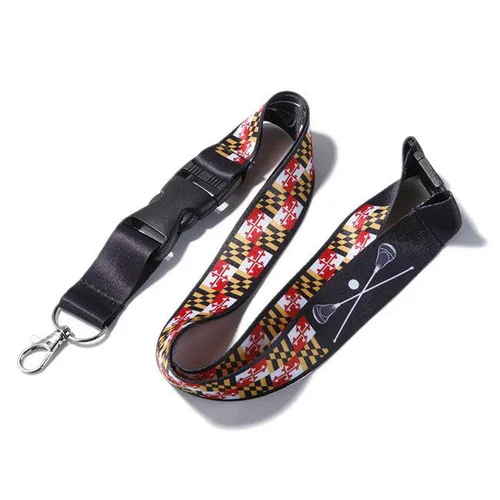
Sublimation prints your design into the polyester fibers using heat and pressure. Because the color becomes part of the fabric, the final result is smooth, flexible, and highly detailed. This method is ideal for photo-quality artwork, gradients, multicolor logos, edge-to-edge patterns, and branding that needs a modern retail feel.
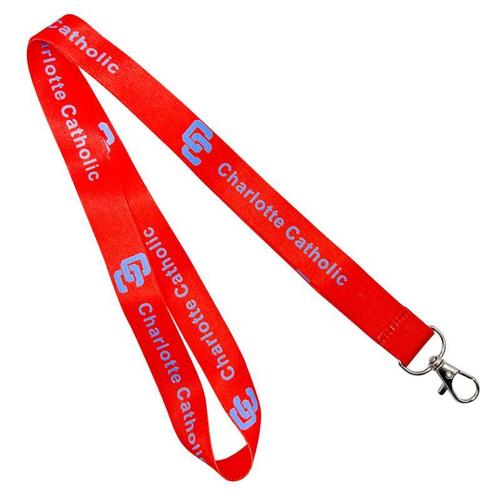
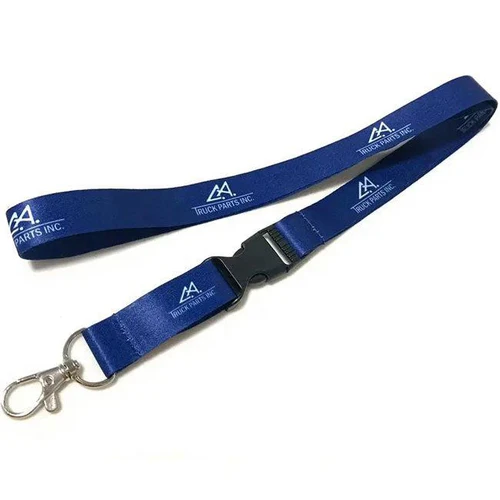
Screen printing pushes ink onto the lanyard surface through a stencil. It is more traditional and usually works best when the artwork is bold and simple, such as one-color logos, department names, school titles, or safety messaging. The print sits on top of the material, which can create a crisp look, but it also means there are design limitations.
From an SEO-style answer box perspective, here is the short version: sublimation favors visual complexity and soft wearability; screen printing favors simplicity and budget efficiency for straightforward branding.
What changes visually
- Sublimation handles gradients, fine lines, shadows, and full-color images.
- Screen printing is strongest with solid spot colors and high-contrast layouts.
- Sublimation usually gives a seamless all-over appearance.
- Screen printing may leave unprinted gaps near edges depending on setup.
How Each Method Performs in Real Use
Lanyards are touched constantly. They rub against clothing, badges, metal clips, and desks. That is why appearance on day one matters less than appearance after weeks or months of use.
Sublimated lanyards generally hold up well because the ink is embedded into the fabric rather than sitting on top. The finish feels lighter and more comfortable against the neck, especially for all-day conference wear. If your event team cares about premium presentation, this can make a visible difference.
Screen printed lanyards can still be durable, especially when used for short-term promotions or indoor environments. But the print layer is more exposed to abrasion. On heavily used employee badge lanyards, repeated friction can gradually affect the surface print, particularly if the design includes very small type or narrow strokes.
According to the 2024 Advertising Specialty Institute Ad Impressions Study, wearable promotional products continue to generate repeated brand exposure over time, which means legibility and visual retention matter more than many buyers assume. A lanyard is not only a holder for an ID card; it is a moving brand asset worn in hallways, airports, convention centers, hospitals, and campuses.
“The best-looking lanyard on a digital proof is not always the best-performing one in the field. We tell clients to choose based on artwork behavior after wear, not just the first photo.”
There is also a comfort factor. Sublimated polyester tends to feel smoother because there is no raised ink layer. For organizations that issue lanyards for daily use, that tactile advantage can help adoption. Staff are less likely to swap out the provided lanyard for a generic one if the branded option is comfortable and looks current.
Side-by-Side Comparison Table
| Business Scenario | Sublimated Lanyards | Screen Printed Lanyards | Best Fit |
|---|---|---|---|
| Tech conference with sponsor logos and gradients | Excellent color range, clean detail, premium finish | Limited for multicolor art, setup gets complex | Sublimation |
| K-12 school ordering simple mascot lanyards in bulk | Works well but may cost more than needed | Strong for one or two spot colors at scale | Screen printing |
| Hospital staff needing daily-wear ID lanyards | Soft feel, durable embedded print, better comfort | Readable but surface print may wear faster | Sublimation |
| Local nonprofit running a low-budget fundraising event | Great if artwork is colorful and quantity is moderate | Often more economical for simple logo designs | Depends on artwork |
Which Designs Work Best for Each Option
The easiest way to choose is to look at your art file honestly. Most problems happen when buyers force a complex design into a method built for simplicity.
Choose sublimation when your design includes
- Gradients or color fades
- Photography or illustrated textures
- Multiple brand colors
- Small icons repeated across the strap
- Edge-to-edge background patterns
- Retail-quality aesthetics for merch or branded resale
Choose screen printing when your design includes
- A single logo in one or two solid colors
- Large, bold text that must be read quickly
- High-volume giveaways with a tight budget cap
- Simple department identification or access grouping
Brand standards matter here. If your organization has strict Pantone matching requirements, screen printing can be attractive for limited-color jobs because spot inks can be tightly controlled. But once a design gets busy, the production tradeoffs start to show. Sublimation often gives a more faithful result for modern logos that rely on subtle color transitions or layered visual effects.
Cost, Order Size, and Production Timing
Price is where many buyers start, but it should not be where the decision ends.
Screen printing is often cost-effective for straightforward designs, especially at higher quantities with limited colors. The setup is familiar, production can be efficient, and unit pricing can be attractive for schools, security teams, churches, and civic events.
Sublimation can be the better value when a design would otherwise require multiple screens, color separations, or compromises. While the sticker price may look slightly higher in some cases, it can eliminate hidden costs tied to artwork simplification, reproofing, or disappointing final output.
According to PPAI research published in 2024, buyers increasingly rank product quality and brand representation alongside price when evaluating promotional merchandise. That tracks with what we see every week: a lanyard that looks cheap can quietly weaken trust, especially in premium sectors like healthcare, SaaS, higher education, and hospitality.
Lead times vary by supplier, quantity, hardware options, and shipping window. As a rule, buyers should ask these questions before approving any quote:
- What material is being used, and is it compatible with the selected print method?
- How many imprint colors are included in the quoted price?
- Will the design print edge to edge or leave margins?
- What proofing process is included before production?
- How will artwork readability be affected by the lanyard width?
- Is there a difference in wear performance for daily-use environments?
One more timing issue matters in 2026: event buying windows are getting tighter. Smithers reported in its 2024 market outlook on printed products and packaging that shorter campaign cycles continue to pressure production planning across custom print categories. For lanyard buyers, that means artwork readiness and method selection need to happen earlier than many teams expect.
What We Have Seen at Best Patches
I remember working with a fast-growing software company that was preparing for a major expo. Their first instinct was to use screen printed lanyards because the order quantity was high and they wanted to keep costs controlled. On paper, that sounded reasonable. But when I reviewed the artwork, the logo included a teal-to-blue gradient, thin white type, and a repeating sponsor pattern on the reverse side. If we had forced that into screen printing, the result would have looked stripped down and noticeably less premium than the rest of the booth branding.
We shifted them to sublimation, adjusted the logo scale, and widened the strap slightly to improve readability. The final lanyards matched the event backdrop, registration graphics, and badge design. Their team later told us attendees repeatedly commented on how polished the branding felt. That is not a small detail at a trade show where every touchpoint competes for attention.
“If the lanyard is part of the brand experience, treat it like packaging, not an accessory. That mindset changes the print method decision almost every time.”
In another project, I worked with a regional school district ordering staff and visitor lanyards for multiple campuses. Their art was simple: school names, a mascot icon, and one solid color per campus. In that case, screen printing was the right call. It kept costs predictable, delivered strong visibility, and avoided overengineering a product that did not need photographic detail. The key was not choosing the “better” method in the abstract. It was choosing the method that fit the use case.
That is the practical advantage of working with Best Patches. We do not push one decoration method as a default. We match the print process to the artwork, wear conditions, and brand expectations so buyers get the right result the first time.
Common Buying Mistakes to Avoid
Most lanyard disappointments are predictable. Buyers usually run into trouble because they underestimate how artwork translates to fabric.
Mistakes that hurt quality
- Using screen printing for a gradient-heavy logo
- Choosing a narrow width for text-heavy designs
- Submitting low-resolution raster art for production
- Ignoring back-side printing needs until late in the process
- Focusing only on unit cost instead of wear life and readability
Risks and limitations to weigh
Sublimation is excellent, but it is not magic. On certain very specific color-critical jobs, especially where exact spot color matching is non-negotiable, screen printing may still have an advantage. Screen printing also remains a smart choice when the art is intentionally minimal and budgets are tight.
Screen printing, on the other hand, can become restrictive when marketing teams want revisions late in the process or need the lanyard to visually match other premium printed assets. It may also be less forgiving with intricate detail, very small text, and multicolor identity systems.
How to Choose the Right Method
If you want a simple decision framework, use this one.
- Review the artwork. If it has gradients, multiple colors, or fine detail, lean toward sublimation.
- Define the use period. For daily wear and long-term brand visibility, sublimation often gives the stronger overall experience.
- Check the budget against the design. If your art is simple and quantity is high, screen printing may be more efficient.
- Consider brand perception. If the lanyard is part of a premium event or customer-facing environment, appearance matters more.
- Confirm proofing and production details. Never approve based only on a generic product thumbnail.
For most modern branding programs, the decision is moving steadily toward sublimation because logos and event identities are more visually complex than they were a decade ago. At the same time, screen printing remains relevant because not every buyer needs complexity. A campus safety order, volunteer event, or warehouse credential program may be better served by a clean, economical print.
Final Verdict and Next Steps
When comparing sublimation vs screen printed lanyards, there is no one-size-fits-all winner. Sublimation is usually better for full-color artwork, gradients, all-day comfort, and premium brand presentation. Screen printing is often the better fit for simple logos, limited-color designs, and cost-conscious bulk orders.
If your design is visually rich or your brand standards are strict, sublimation is typically the safer and stronger choice. If your design is minimal and your primary goal is economical visibility, screen printing can still deliver excellent value.
Best Patches recommends these next steps:
- Send your artwork file for a print-method review before requesting final pricing.
- Match lanyard width, hardware, and wear conditions to the actual use case, not just the lowest quote.
- Request a proof that shows scale, color behavior, and front-and-back layout before production begins.
References
- Advertising Specialty Institute, 2024 Ad Impressions Study — Provides context on how promotional products generate repeated brand exposure and why wearability matters.
- PPAI, 2024 consumer and buyer research — Supports the role of product quality and brand representation in promotional merchandise purchasing decisions.
- Smithers, 2024 print market outlook — Highlights the impact of shorter campaign cycles and production planning pressures across custom print categories.
FAQ
Which is more durable for daily wear, sublimated or screen printed lanyards?
Sublimated lanyards are usually better for daily wear because the color is infused into the polyester rather than sitting on top of it. That helps the design resist cracking, rubbing, and surface wear over time.
What kind of artwork works best for sublimation?
Sublimation is the best choice for artwork that includes:
Gradients and color fades
Multicolor logos
Detailed patterns or illustrations
Full-background or edge-to-edge designs
Are screen printed lanyards cheaper?
Often, yes. Screen printed lanyards can be more economical for high-volume orders with simple one-color or two-color artwork. Once the design becomes more complex, sublimation may offer better overall value.
How do I choose in sublimation vs screen printed lanyards for my brand?
Use this quick test:
Choose sublimation for full-color, detailed, or premium-looking designs
Choose screen printing for bold, simple logos and tighter budgets
Ask for a scaled proof if your text is small or your logo has thin lines
Can screen printed lanyards match exact brand colors?
Yes, they can be a strong option when your design uses a limited number of spot colors and exact color consistency is important. That said, screen printing becomes less practical when the artwork includes several colors or transitions.
What file format should I send for custom lanyard artwork?
The best formats are usually:
.AI or .SVG for vector logos
.PDF with editable vector elements
.PNG at high resolution for image-based art
Outline fonts before sending to avoid substitution issues
What lanyard width is best for readable logos and text?
For most brands, 3/4 inch to 1 inch is the sweet spot. Narrow lanyards can work for minimal logos, but text-heavy or detailed designs usually need more width to stay legible.