 Promotional Products









Introduction
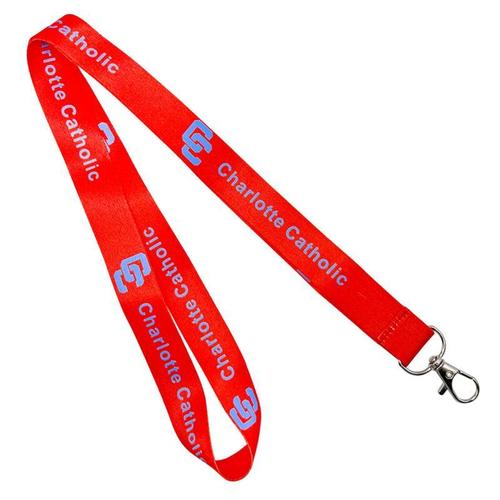
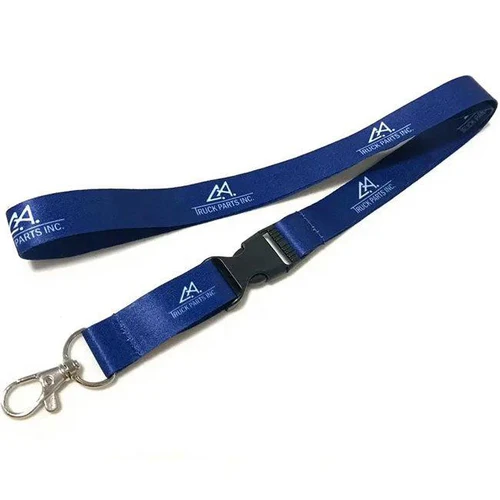
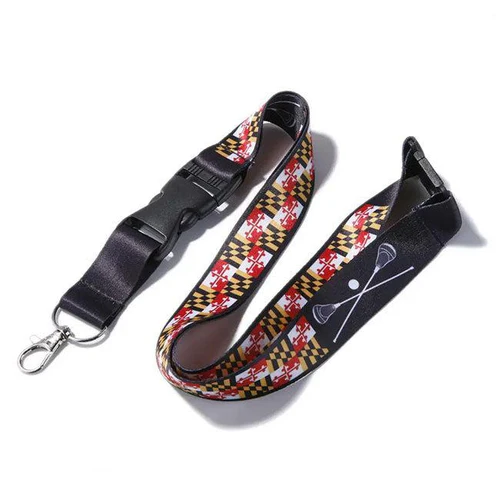
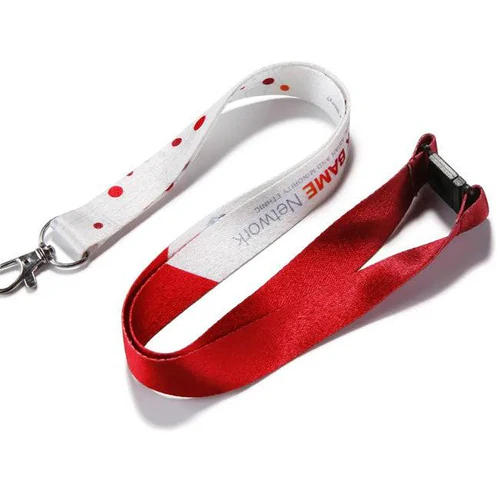
If your organization wants branded merchandise without the usual plastic guilt, eco friendly custom lanyards are one of the smartest places to start. They are practical, visible, relatively low-cost, and used daily at trade shows, schools, offices, hospitals, and events. The problem is that many “green” lanyards are marketed loosely, with vague claims, weak traceability, or materials that do not actually fit the use case.
That is where supplier knowledge matters. Best Patches works with brands that need custom accessories to look polished, hold up under daily wear, and support real sustainability goals rather than surface-level messaging. Buyers are no longer asking only about color and print style. They are asking what the yarn is made from, how durable it is, whether the hardware is recyclable, and whether the final product aligns with ESG commitments.
Eco friendly custom lanyards are branded neck straps made from lower-impact materials such as recycled PET, bamboo fiber blends, organic cotton, cork, or other responsibly sourced textiles. They are designed to reduce virgin plastic use, improve brand perception, and support sustainability goals while still carrying badges, keys, or access cards.
The best option is not always the most “natural” material. It is the one that balances environmental impact, comfort, print quality, durability, and end use. That is the difference between a smart procurement decision and a promotional item that gets tossed after one event.
Table of Contents
- Why Demand Is Rising
- Materials That Matter: RPET, Bamboo, Cotton, and More
- How Sustainable Materials Compare in Real Business Use
- How to Choose the Right Eco Lanyard for Your Brand
- Design, Printing, and Hardware Choices
- What We Learned at Best Patches
- Risks, Greenwashing, and Performance Tradeoffs
- A Simple Ordering Process for Better Results
- What to Expect in 2026 and Beyond
Why Demand Is Rising
Sustainability has moved from a marketing add-on to a procurement filter. Event organizers, HR teams, universities, nonprofits, and corporate buyers now face more internal scrutiny around branded merchandise. If a company talks publicly about reducing waste but still hands out virgin polyester lanyards by the thousands, people notice.
According to Deloitte’s 2024 sustainability and consumer behavior findings, many consumers and business stakeholders increasingly factor environmental responsibility into brand trust and purchase decisions. That matters for promotional products because they are highly visible touchpoints. A lanyard sits on the body, appears in photos, and often becomes part of the event experience.
There is also a compliance and reporting angle. Many larger organizations are under pressure to document supplier standards, recycled content, and product life cycle considerations. A recycled or responsibly sourced lanyard will not transform a company’s footprint on its own, but it can support cleaner purchasing habits when selected thoughtfully.
“The strongest sustainability claims are the ones a buyer can explain in one sentence and verify in one document. If the supplier can’t do that, the claim is too weak.”
At the same time, aesthetics still matter. Buyers want eco options that feel premium, print cleanly, and match brand colors. That is why recycled synthetics such as RPET have become so common: they offer a familiar performance profile while lowering dependence on virgin petroleum-based inputs.
Materials That Matter: RPET, Bamboo, Cotton, and More
RPET lanyards
RPET stands for recycled polyethylene terephthalate, usually made from post-consumer plastic bottles. For lanyards, the material is processed into filament yarn, then woven or printed into a finished strap. RPET is popular because it looks and performs similarly to standard polyester, making it easier for brands to switch without sacrificing durability or color quality.
It works especially well for:
- Trade show badge lanyards
- Corporate staff ID lanyards
- School and campus security programs
- Large event runs requiring consistent branding
The main benefit is practical sustainability. You reduce virgin plastic use while preserving tensile strength and print compatibility. The limitation is that RPET is still a synthetic material, so brands seeking a more natural hand feel may prefer cotton or bamboo blends.
Bamboo fiber lanyards
Bamboo is often marketed as a softer, more natural-feeling alternative. In reality, buyers need to ask what “bamboo” means in the finished product. Some lanyards use bamboo fiber blends, while others use bamboo-derived viscose or rayon. The sustainability story depends heavily on the processing method, the blend ratio, and the manufacturer’s transparency.
Bamboo-style lanyards often appeal to:
- Wellness brands
- Eco-focused nonprofits
- Hospitality businesses
- Companies seeking a softer, organic look
They tend to have a gentler texture and a more matte appearance than polyester-based options. However, some bamboo-derived textiles may not be as abrasion-resistant as RPET in rough, daily-use environments.
Organic cotton lanyards
Organic cotton delivers a familiar, natural texture and a premium lifestyle look. It is often a good fit for artisan brands, schools, conscious retail brands, and community events. The environmental value comes from lower pesticide use and more responsible farming methods, though water use and agricultural variability still matter.
Cotton lanyards can feel upscale, but they may absorb moisture more readily and can show wear differently from woven recycled synthetics. For indoor use or shorter event cycles, that may be perfectly acceptable. For industrial settings, not always.
Cork and specialty blends
Cork lanyards and hybrid materials are more niche, but they can create a striking premium effect. These products often use cork as a visible layer combined with another backing material for strength. They are less common in high-volume procurement because they cost more and may limit print methods.
Still, for boutique hotels, sustainability conferences, or premium gifting, specialty materials can stand out in a way standard lanyards do not.
How Sustainable Materials Compare in Real Business Use
| Material | Best Business Scenario | Key Strength | Main Limitation |
|---|---|---|---|
| RPET | Large trade shows, enterprise staff IDs, universities | Strong durability and strong print consistency | Still a synthetic material |
| Bamboo Blend | Wellness brands, hospitality teams, nonprofit events | Soft hand feel and natural-looking finish | Processing claims can be vague across suppliers |
| Organic Cotton | Retail brands, schools, community fundraisers | Natural texture and premium casual look | Can wear faster in heavy-duty use |
| Cork Composite | Premium conferences, boutique hotels, eco gifting | Distinctive appearance and upscale story | Higher cost and fewer finishing options |
| Recycled Cotton Blend | Short-run campaigns and sustainability-focused merch drops | Good balance of softness and recycled content | Color and weave consistency may vary by batch |
How to Choose the Right Eco Lanyard for Your Brand
The right material depends on what the lanyard has to do in the real world. Start with function, then move to sustainability messaging. Too many teams do the reverse.
Match material to wear conditions
If the lanyard will carry an ID badge every day in an office, hospital, school, or warehouse, durability should lead. RPET is often the safest choice. If the lanyard is for a short-term fundraising gala or eco-themed summit, a softer bamboo or cotton option may align better with the event tone.
Consider the visual language of your brand
A clean tech company may prefer crisp sublimation on RPET. A skincare startup may want a matte bamboo blend with muted tones. A campus sustainability office may like organic cotton with simple one-color screen printing. Material communicates before the logo is even read.
Audit the full product, not just the strap
A lanyard is more than fabric. The clip, badge reel, safety breakaway, buckle, packaging, and print chemistry all matter. A recycled strap paired with excess polybag packaging or low-quality metal hardware weakens the total story.
Design, Printing, and Hardware Choices
Print methods affect both appearance and waste
The three most common lanyard decoration methods are screen printing, dye sublimation, and woven construction. Each has tradeoffs:
- Screen printing is cost-effective for simple logos and limited colors.
- Dye sublimation is ideal for full-color designs, gradients, and complex branding.
- Woven lanyards feel durable and textured but are less suitable for fine details.
For eco-friendly custom lanyards, sublimated RPET is frequently the strongest all-around option because it combines recycled material with vivid brand output. That said, woven organic cotton can create a more understated, tactile premium effect.
Choose hardware with the same care
Many buyers focus only on strap material and ignore hardware. Yet clips and attachments influence lifespan. Better hardware can reduce replacement frequency, which is a sustainability win in itself.
Common choices include:
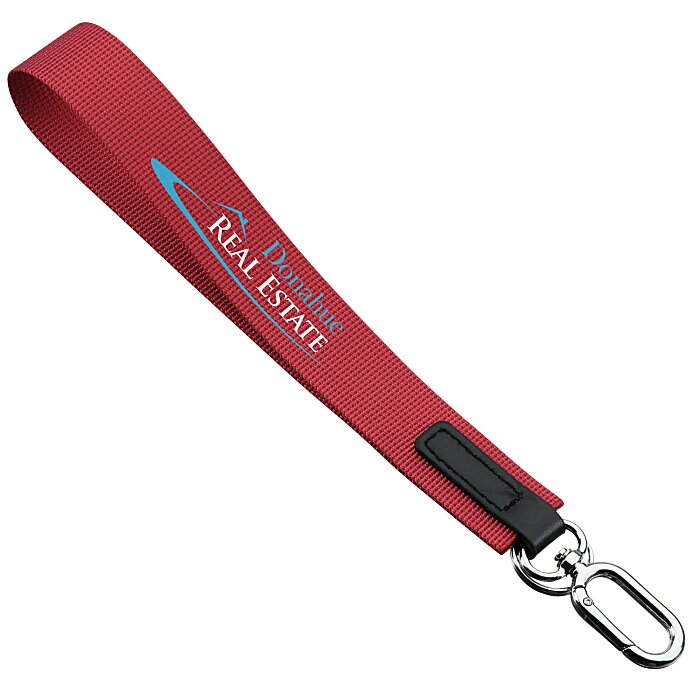
- Swivel hooks for badges and keys
- Lobster clasps for general-purpose use
- Bulldog clips for event credentials
- Breakaway buckles for safety-sensitive settings
- Detachable buckles for staff who scan access cards often
According to the U.S. Environmental Protection Agency’s recent guidance on waste reduction and materials management, longer product life and smarter material selection are central to reducing waste impact. In plain terms, a lanyard that lasts and gets reused can be better than a flimsy “green” version that fails quickly.
“Sustainability in merchandise is not only about what it’s made from. It’s also about whether people keep using it after the event ends.”
What We Learned at Best Patches
I have seen this shift firsthand through projects handled at Best Patches. One client, a regional healthcare network, initially requested standard polyester lanyards because they assumed sustainable options would look dull and cost dramatically more. We proposed RPET with detachable buckles and color-matched sublimation. The result looked nearly identical to their original concept, but the sustainability story became easier for their procurement team to support.
After rollout, the client reported an unexpected benefit: staff actually kept using the lanyards longer because the fabric felt smoother and the hardware was more functional. That matters. A greener product that employees dislike will not stay in circulation, and then the environmental value shrinks fast.
In another project, I worked with a wellness event brand that wanted its merchandise table to feel less corporate. We tested bamboo blend and organic cotton samples side by side. The cotton looked great but absorbed dark ink slightly differently, softening the logo edge. The bamboo blend gave the tactile softness they wanted while preserving cleaner print definition. They chose bamboo for attendee lanyards and reserved cotton for tote straps, where the relaxed texture actually improved the product feel.
Those projects reinforced a simple truth: there is no single best sustainable lanyard material. The best choice depends on use, visual expectations, and how honestly the brand wants to communicate its environmental claims.
Risks, Greenwashing, and Performance Tradeoffs
Eco-friendly merchandise is easy to oversell. That is why balanced evaluation matters.
Greenwashing risk
The biggest issue is unclear language. Terms like “eco,” “green,” and “earth-friendly” are not enough on their own. A supplier should be able to explain whether the product uses recycled content, renewable fiber, lower-impact dyes, reduced packaging, or verified sourcing. If not, the claim may be more marketing than substance.
Durability tradeoffs
Natural-feel materials can be excellent for style and perception, but they may not match RPET in every high-friction environment. If your staff wears access cards every day, durability usually wins over softness. Reordering sooner creates cost and waste.
Price sensitivity
Sustainable options can cost more, especially in small batches or when custom hardware and low-waste packaging are added. However, the price gap has narrowed. According to McKinsey’s recent work on sustainable materials and consumer goods value chains, companies are increasingly finding that sustainability premiums can be controlled through better sourcing, scale, and design simplification.
A Simple Ordering Process for Better Results
If you want eco-friendly custom lanyards that actually perform well, use a structured buying process.
- Define the use case. Daily staff wear, event-only use, fundraising, retail resale, or VIP gifting each call for different materials.
- Set the sustainability standard. Decide whether recycled content, natural fibers, reduced packaging, or certification matters most.
- Select the print method. Match your logo complexity and color requirements to screen print, sublimation, or woven construction.
- Review hardware and safety needs. Include breakaways, clips, detachable buckles, or reels based on how the lanyard will be used.
- Request samples. Compare texture, edge finishing, print sharpness, and color accuracy in person.
- Ask direct sourcing questions. Get clarity on material composition, lead time, and packaging.
- Order with realistic overage planning. Avoid large excess inventory that becomes waste after the event.
This process sounds basic, but it prevents most of the expensive mistakes buyers make: poor print choice, misleading eco claims, weak clips, or material mismatch.
What to Expect in 2026 and Beyond
The next wave of sustainable lanyards will be less about broad eco claims and more about measurable product decisions. Buyers are becoming more fluent. They ask tougher questions, and suppliers will need better answers.
Here are the trends worth watching:
- More traceable recycled content with clearer documentation and chain-of-custody language
- Lower-waste packaging for bulk event distribution and corporate onboarding kits
- Hybrid materials that combine comfort with durability, such as recycled-poly blends with softer natural fibers
- Design for reuse including detachable badge systems and higher-quality hardware that extends product life
- Procurement integration where promotional items are reviewed against company-wide sustainability frameworks
This is also where experienced suppliers gain an edge. The winning lanyard is not the one with the loudest environmental language. It is the one that survives daily use, supports a credible sustainability narrative, and reflects the brand accurately.
Conclusion
Eco-friendly custom lanyards work best when sustainability, design, and function are treated as one decision rather than three separate ones. RPET remains the strongest all-around choice for many organizations because it balances recycled content, print quality, and durability. Bamboo blends and organic cotton bring softer texture and a more natural brand feel, but they should be chosen with clear expectations about wear, print behavior, and supplier transparency.
At Best Patches, the most successful projects usually follow three practical next steps:
- Start with the use case so the material fits the real environment.
- Request physical samples before approving large runs.
- Ask for plain-English sourcing details to avoid weak or confusing sustainability claims.
When those basics are handled well, your lanyards stop being throwaway swag and start becoming a stronger extension of your brand.
References
- Deloitte — Recent sustainability and consumer behavior research supporting the link between environmental responsibility and brand trust.
- U.S. Environmental Protection Agency — Materials management guidance emphasizing waste reduction, durability, and smarter product life cycle decisions.
- McKinsey & Company — Analysis of sustainable materials, sourcing economics, and how organizations manage cost-performance tradeoffs in greener procurement.
FAQ
What are eco friendly custom lanyards made from?
They are commonly made from RPET recycled polyester, bamboo fiber blends, organic cotton, recycled cotton blends, or cork-based composites. The most suitable material depends on your durability needs, branding style, and how strong you want the sustainability story to be.
Is RPET better than bamboo for lanyards?
For heavy daily use, RPET is usually the better performer because it offers stronger durability and cleaner full-color printing. Bamboo blends often feel softer and look more natural, which can be a better fit for wellness, hospitality, or premium event branding.
Are bamboo lanyards fully biodegradable?
Not always. Many so-called bamboo lanyards use blended fabrics or processed bamboo-derived fibers, and the final product may include synthetic thread, clips, or buckles. Always ask the supplier for exact material composition before making biodegradability claims.
Do sustainable lanyards cost more than standard polyester ones?
Often yes, but not always by a large margin. RPET is typically the most budget-friendly eco upgrade. Specialty materials like cork or premium organic cotton may cost more, especially in low-volume custom orders.
Which print method works best for eco lanyards?
Dye sublimation is usually best for RPET because it handles full-color branding and gradients very well. Screen printing is effective for simpler artwork, while woven designs suit logos that need texture more than fine detail.
How can I verify a lanyard is actually sustainable?
Ask for the material breakdown, recycled content percentage, packaging details, and any available certifications or sourcing documents. Also review the full product, including hardware and polybag use, because the strap alone does not tell the whole story.