 Promotional Products


















Introduction
If you have ever ordered lanyards that looked great in a mockup but failed in daily use, the issue was probably not the strap. It was the lanyard attachments. The wrong clip can twist, snap, rust, scratch devices, or make badges annoying to scan. The right attachment makes the whole system feel reliable, safe, and easy to use.
That is why buyers across schools, hospitals, trade shows, factories, and corporate offices spend more time comparing end fittings than they used to. At Best Patches, we regularly help clients match lanyard attachments to real use conditions, not just appearance. A visitor badge on a conference floor needs something very different from an ID holder in a secure manufacturing plant.
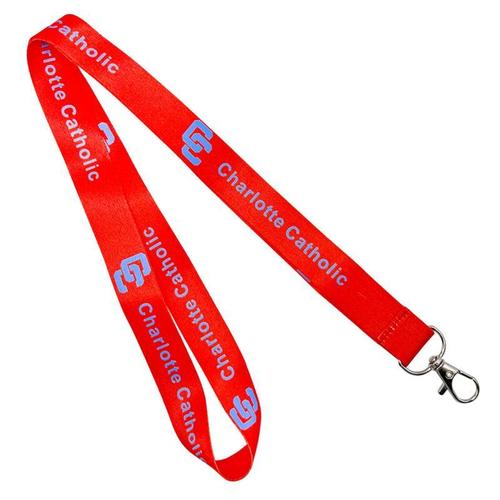
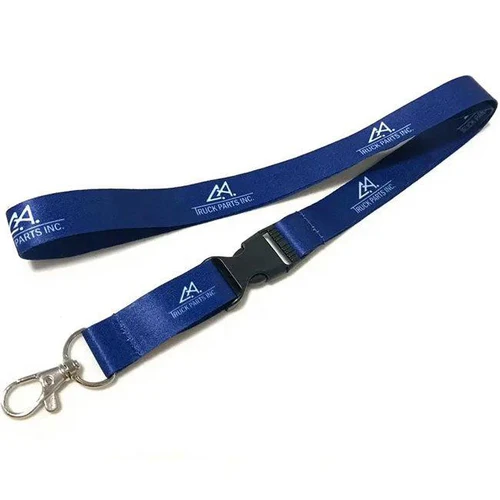
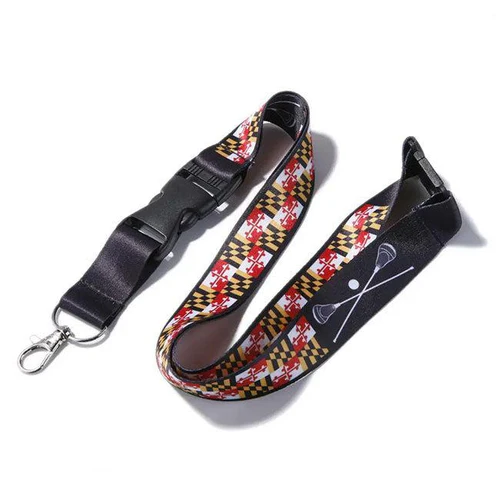
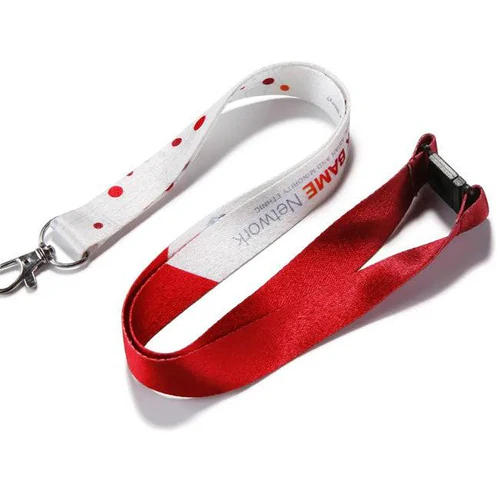
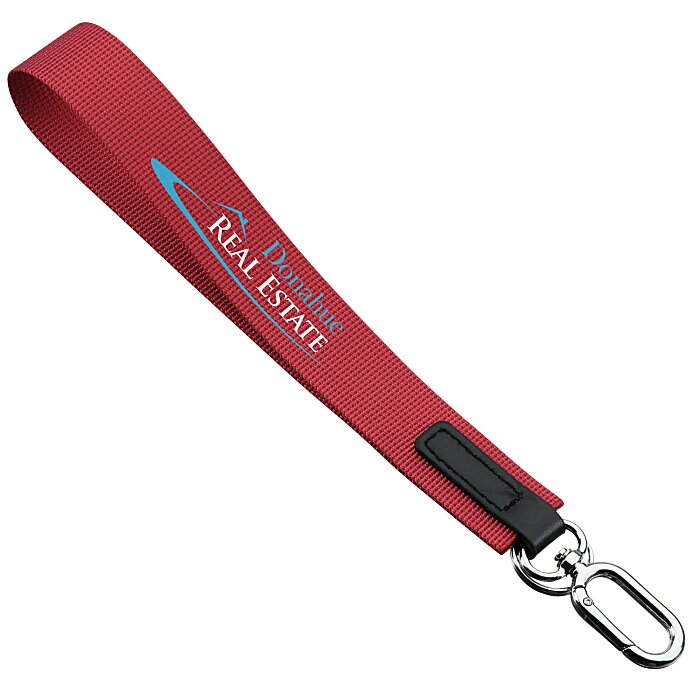
Lanyard attachments are the hardware pieces fixed to the end of a lanyard so it can hold badges, keys, credentials, USB drives, whistles, or tools. Common types include swivel hooks, bulldog clips, split rings, quick-release buckles, and badge reels. They affect comfort, security, durability, and how fast users can access what they carry.
Choosing the best attachment is less about picking the most popular style and more about matching the hardware to the job. Weight, motion, scanning frequency, safety policy, and brand presentation all matter.
Table of Contents
- Why Attachments Matter More Than Most Buyers Expect
- The Main Types of Lanyard Attachments
- How to Choose the Right Attachment for Your Use Case
- Comparison Table for Real Business Scenarios
- Materials, Durability, and Safety Tradeoffs
- How Best Patches Solved Two Common Attachment Problems
- Common Mistakes That Lead to Returns and Complaints
- Future Trends in Lanyard Hardware for 2026
- How to Order Smarter and Test Before You Commit
Why Attachments Matter More Than Most Buyers Expect
Most people notice the printed ribbon first. End users notice the attachment first. That is what they touch all day, clip and unclip dozens of times, and depend on when they need to tap into a building, show identification, or hold onto keys.
According to IBM’s 2024 Cost of a Data Breach Report, physical security failures still play a role in broader organizational risk, especially when identity management and access controls break down at the human level. While a lanyard clip alone does not prevent a breach, poor attachment choices can contribute to lost credentials, broken badge holders, and unsafe workarounds.
There is also a brand effect. A premium-looking lanyard with a flimsy hook creates the wrong impression fast. According to the Advertising Specialty Institute’s 2023 promotional products research, utility is one of the strongest drivers of retention for branded merchandise. In simple terms, if the hardware works well, people keep and use the item longer.
“The attachment is where product design meets behavior. If the user has to fight the hardware, the lanyard stops being helpful and starts being disposable.”
That is especially true in high-movement settings. Teachers lean over desks, nurses scan repeatedly, event staff rush between checkpoints, and warehouse teams work around machinery. In each of those environments, attachment design changes the user experience more than color or print style ever will.
The Main Types of Lanyard Attachments
Swivel Hook
The swivel hook is one of the most widely used lanyard attachments because it rotates easily and reduces tangling. It is a dependable option for IDs, badge holders, keys, and light tools. Users like it because the badge naturally faces outward more often than it does with fixed clips.
Best for: offices, trade shows, schools, visitor passes, and general staff IDs.
Bulldog Clip
A bulldog clip grips directly onto a badge slot or lightweight holder. It is simple and low-cost, but it is not always ideal for thicker items or repeated rough handling. It can also leave marks on some materials if the spring tension is strong.
Best for: lightweight name tags, temporary event badges, and low-cost mass distribution.
Trigger Snap Hook
This style is more secure than a basic swivel hook and works well when users carry keys, small tools, or heavier accessories. It has a firmer gate mechanism, which reduces accidental drops.
Best for: maintenance teams, facility staff, and settings where users carry more than just an ID.
Split Ring
A split ring is ideal when you need a permanent or semi-permanent connection, especially for keys. It is secure, but less convenient for frequent removal. If users need fast badge replacement, it can be frustrating.
Best for: key sets, access cards used long-term, and kits where security matters more than speed.
Quick-Release Buckle
A quick-release buckle sits between the lanyard and the end fitting, allowing users to detach the badge or device without removing the lanyard from their neck. This is a major advantage in environments where badges are scanned often.
Best for: warehouses, hospitals, labs, offices with frequent card taps, and busy event teams.
Badge Reel
Badge reels let users extend an ID card to tap or scan it without unclipping it. They improve convenience, especially when the credential needs to stay visible or attached. The tradeoff is that not every reel is built for heavy-duty repeated use, and cheaper springs can wear out.
Best for: healthcare workers, corporate staff, security checkpoints, and transit-heavy buildings.
How to Choose the Right Attachment for Your Use Case
The best buying process starts with the task, not the hardware catalog. Ask what the user carries, how often they access it, and what can go wrong if it drops, twists, or catches on something.
- For frequent badge scanning: use a quick-release buckle or badge reel.
- For keys and heavier items: choose a trigger snap hook or reinforced swivel hook.
- For temporary event use: bulldog clips can be cost-effective.
- For permanent key carry: split rings offer stronger retention.
- For safety-sensitive sites: combine the right end fitting with a breakaway feature on the lanyard.
Here is a practical selection process you can use before placing a bulk order:
- Define what the lanyard must carry: badge only, keys, device, or multiple items.
- Measure how often the item will be detached or scanned during a normal day.
- Check the environment for moisture, chemicals, machine risk, and abrasion.
- Review internal safety policies, especially around breakaway requirements.
- Request physical samples and test them with the real badge holder or accessory.
- Stress-test the attachment with actual users before approving full production.
Comparison Table for Real Business Scenarios
| Business Scenario | Recommended Attachment | Why It Fits | Potential Limitation |
|---|---|---|---|
| Hospital staff with RFID ID cards | Badge reel with quick-release buckle | Fast scanning, less neck removal, strong daily convenience | Low-grade reels may wear out under constant use |
| Trade show exhibitors and visitors | Swivel hook | Versatile, affordable, easy to pair with badge holders | Less secure for heavier accessories |
| School faculty carrying keys and ID | Trigger snap hook | Handles extra weight and movement better | Slightly bulkier look than a standard hook |
| Factory or warehouse workers | Quick-release buckle with safety breakaway | Balances access speed with site safety rules | Needs good-quality components to avoid accidental detachment |
| Hotel staff with room access cards | Swivel hook plus detachable buckle | Professional look and quick access at doors | More parts mean more quality-control points |
Materials, Durability, and Safety Tradeoffs
Attachment style matters, but material choice matters too. Metal hardware usually feels more premium and lasts longer under repeated use. Plastic parts can lower cost and weight, but they vary widely in strength. A cheap plastic buckle may crack under winter conditions or repeated flexing, while a well-made acetal buckle can perform very well.
Corrosion is another factor buyers often miss. If the lanyards will be used outdoors, in humid environments, or near cleaning chemicals, low-grade metal plating can fail sooner than expected. That can lead to flaking finishes, seized springs, or rust staining.
Safety adds another layer. In healthcare, manufacturing, and school settings, the lanyard may need a breakaway clasp so it releases under force. OSHA guidance around workplace hazards does not prescribe one universal lanyard setup for all industries, but employers are expected to assess entanglement and snag risks in their environments. That makes attachment planning part of a broader safety decision.
The main tradeoffs look like this:
- Metal: durable, premium, heavier, sometimes more expensive
- Plastic: lightweight, budget-friendly, quality varies greatly
- Strong spring tension: better retention, less convenience for frequent use
- Easy-release design: faster access, but needs tighter quality control
“A lanyard attachment should fail only in the way you intend. Safety releases should release under danger, while badge connections should stay secure during normal motion.”
How Best Patches Solved Two Common Attachment Problems
I worked with a regional healthcare client that originally requested standard swivel hooks for a staff badge rollout. On paper, that seemed reasonable. Once we reviewed how often nurses and admin staff tapped in and out of restricted doors, it became clear the hook-only setup would slow them down. We recommended a badge reel with a quick-release buckle for departments with heavy scanner use and a simpler swivel hook version for back-office teams. After pilot testing, the client moved forward with a mixed hardware strategy instead of a one-style-fits-all order.
The change mattered. Staff feedback improved because users no longer had to remove the entire lanyard or fumble with card holders during busy shifts. More importantly, the client avoided overpaying for premium hardware where it was not needed.
In another project, I saw a school district choose bulldog clips for faculty lanyards because the initial quote looked attractive. During sample review, several teachers mentioned they carried classroom keys, USB drives, and whistle attachments. We flagged the weight issue and proposed trigger snap hooks for faculty and standard clips only for visitor badges. Best Patches produced both configurations under one visual program, so the district kept consistent branding while matching hardware to real use.
That project reinforced a pattern we see often: returns and complaints usually come from mismatch, not manufacturing alone. Buyers do better when they separate visual design decisions from performance decisions.
Common Mistakes That Lead to Returns and Complaints
Most lanyard failures are predictable. They come from rushed specification, weak testing, or assuming all attachments perform the same.
- Choosing by price without matching the attachment to item weight
- Ignoring the frequency of badge scanning or detachment
- Skipping corrosion and chemical exposure review
- Forgetting breakaway requirements in safety-sensitive settings
- Approving a sample without testing the exact badge holder or card sleeve
- Using one hardware type across departments with different needs
There is also a hidden branding risk. When lanyards fail early, users stop wearing them correctly. They wrap them around bags, clip them to belts, or abandon them entirely. At that point, the product is no longer functioning as either a security tool or a brand asset.
Future Trends in Lanyard Hardware for 2026
Buyer expectations are rising. People want the lanyard to feel lighter, look cleaner, and work faster. That is pushing suppliers toward lower-profile hardware, smoother finishes, and more modular systems.
According to Grand View Research reporting published in 2024 on the broader badges and identification ecosystem, demand for integrated access, visitor management, and smart credential workflows continues to grow. As organizations modernize credentialing, lanyard hardware is adapting too. We are seeing more interest in attachments that support tap access, detachable credential modules, and hybrid carry setups that combine reels with quick-release points.
Another trend is role-based specification. Instead of ordering 5,000 identical lanyards, buyers are segmenting by staff function. Security teams, clinicians, office staff, and visitors may all receive visually aligned products with different end fittings. That approach reduces waste and improves usability.
Sustainability is part of the conversation as well. While the ribbon material gets most of the attention, attachment longevity matters. A more durable metal hook that lasts years may be the better environmental choice than a cheaper component replaced repeatedly.
How to Order Smarter and Test Before You Commit
If you are ordering at volume, treat attachments as a specification category, not an afterthought. Ask suppliers for hardware options early and request clear recommendations based on your industry, item weight, and access behavior.
At Best Patches, we typically suggest a sample review process that goes beyond visual approval. Put samples in the hands of the people who will actually use them. Let them wear the lanyards during a shift, through door access routines, desk work, walking, and storage. Ask what feels awkward, what snags, and what slows them down.
A smart procurement checklist includes:
- Attachment type and finish
- Maximum expected carried weight
- Compatibility with badge holders, slot punches, and reels
- Breakaway or safety requirements
- Corrosion and cleaning exposure
- Pilot group testing before final approval
This process is not overkill. It is what prevents expensive reorders and internal complaints later.
Conclusion
The best lanyard attachments do a quiet job extremely well. They keep credentials secure, make access easier, support safety rules, and help branded lanyards stay in use longer. Swivel hooks, clips, buckles, and badge reels each have a place, but none is universally best. The right choice depends on weight, frequency of use, environment, and risk tolerance.
Best Patches recommends three next actions if you are planning a lanyard order:
- List your user groups separately instead of assuming one attachment fits everyone.
- Request samples with the exact badge holders or accessories you plan to use.
- Run a short real-world pilot before approving full production.
References
- IBM Cost of a Data Breach Report 2024: Provided context on how credential handling and access control practices influence organizational risk.
- Advertising Specialty Institute promotional products research, 2023: Supported the point that utility drives long-term retention and use of branded items.
- Grand View Research identification and badge market reporting, 2024: Informed the discussion of access-management growth and hardware trends tied to credential use.
- OSHA workplace safety guidance: Helped frame the importance of evaluating snag and entanglement risk when specifying lanyard systems.
FAQ
What are lanyard attachments used for?
Lanyard attachments connect the strap to the item being carried, such as an ID badge, access card, keys, whistle, USB drive, or small tool. The attachment determines how secure, convenient, and durable the lanyard feels in everyday use.
Which lanyard attachments are best for ID badges?
For standard ID badges, the most popular choices are:
Swivel hooks for general office and event use
Badge reels for frequent tap or scan access
Quick-release buckles when users need to detach badges often
How do I choose the right lanyard attachments for my staff?
Start with job function, not looks. Review:
What the user carries
How often the item is scanned or detached
Whether safety breakaways are required
How much movement, moisture, or abrasion the environment involves
Are badge reels better than clips?
They are better when users need to tap or scan credentials frequently. Clips are simpler and often cheaper, but badge reels improve speed and convenience. The tradeoff is that low-quality reels may wear out faster than a solid metal clip.
Do lanyard attachments affect safety?
Yes. The attachment and the lanyard design together can influence snag risk, retention, and emergency release behavior. For higher-risk environments, consider:
Breakaway clasps for entanglement protection
Secure hooks for heavier carried items
Quick-release features where fast detachment is needed
Can I mix different lanyard attachments in one order?
Yes, and in many cases it is the smarter approach. Organizations often keep the same branding across all lanyards while changing the hardware by role, such as reels for hospital staff, hooks for office teams, and simple clips for visitors.